
Overview
Hysopt builds a physics-based HVAC engineering platform that engineering teams use to design, simulate and validate hydronic HVAC systems before construction. The company was founded in 2013 as a spin-off from the University of Antwerp by Roel Vandenbulcke. Its headquarters is at Luchthavenlei 7A in Deurne, Antwerp, and it has a second office on Great Portland Street in London. The product range includes Hysopt Designer, Hysopt Simulator, Hysopt Feasibility, Hysopt Calculator and Hysopt BIM Syncer, plus DeltaT AI, an HVAC engineering copilot built into the platform. Hysopt is an Autodesk AECO Technology Partner and a CIBSE Patron. The software has been deployed on more than 550 HVAC projects, and engineering teams across Europe, North America and the Middle East use it. The company reports an average CO2 reduction of 40% and average energy savings of 30% on its projects. Customers and users shown include BuroHappold, Equans, Foster Partners, Mott MacDonald, Siemens, SPIE, Sweco, Vattenfall, Veolia, Kuijpers, Unica and Mitie. The leadership team consists of Mark Lewis as CEO, Joa Oris as CTO, Jurgen Van Ham as CFO & CPO and Brian Wimberley as CMO. Hysopt has more than 20 employees.
Stated facts & numbers
- Founded: 2013
- Origin: Spin-off from the University of Antwerp
- Headquarters: Antwerp (Deurne)
- Other offices: London
- Founder: Roel Vandenbulcke
- CEO: Mark Lewis
- Employees: 20+
- Products: Hysopt Designer, Simulator, Feasibility, Calculator, BIM Syncer, DeltaT AI
- Projects: 550+
- Customers: BuroHappold, Equans, Foster Partners, Mott MacDonald, Siemens, SPIE, Sweco, Vattenfall, Veolia, Mitie
- Partnerships: Autodesk AECO Technology Partner, CIBSE Patron
Key people
In the news
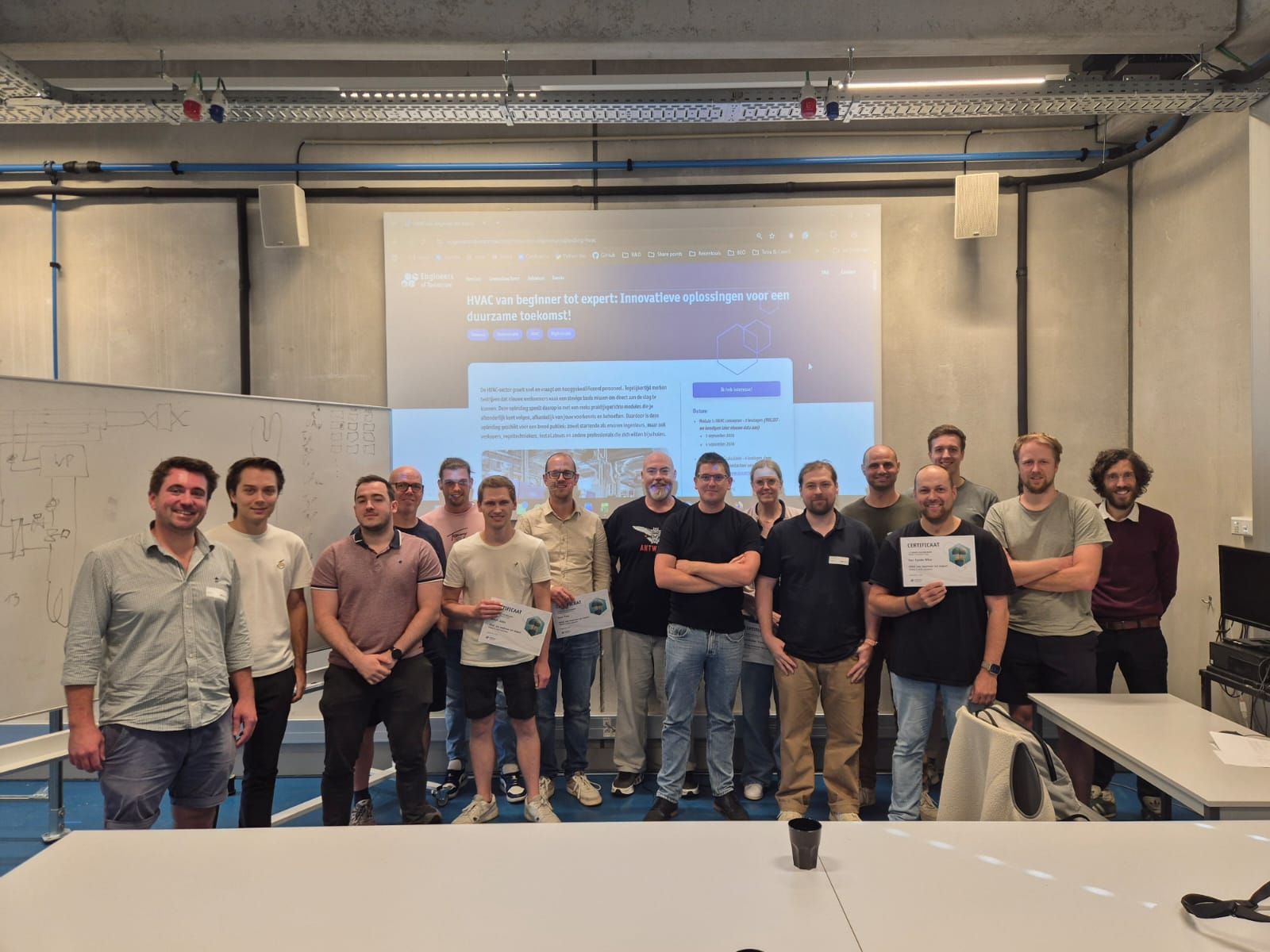
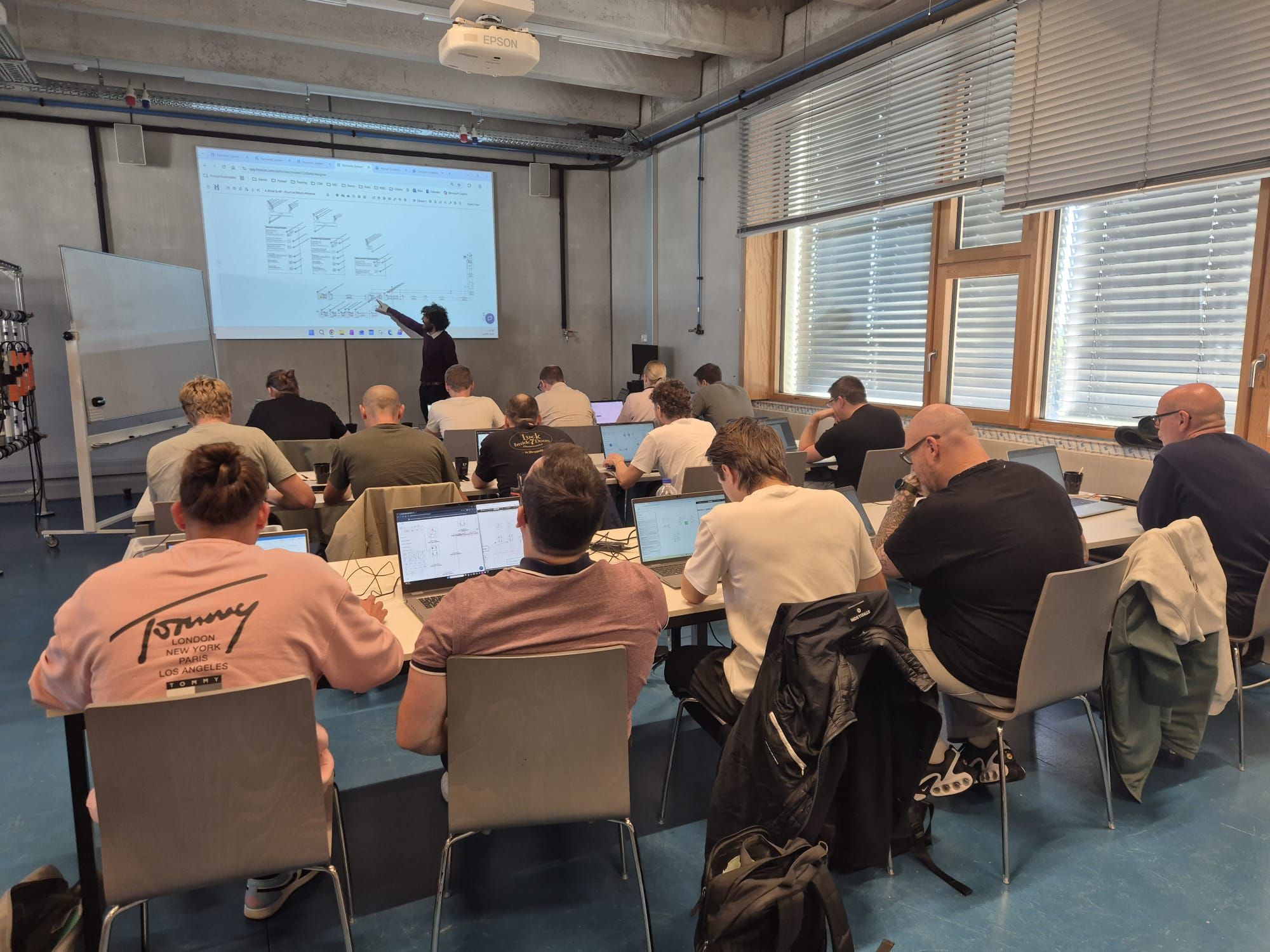
- This week, our Training Manager Etienne went back to university. 🎓 Not as a student, but to share his knowledge with HVAC professionals looking to deepen theirs. As part of the Engineers of Tomorrow programme at the University of Antwerp, participants are going back to the fundamentals of HVAC design, and then taking them further into real-world engineering. During the HVAC calculation module, Etienne took them deeper into hydronics: from dimensioning and component behaviour to control strategies and system optimisation. Because
- 𝗠𝗼𝗿𝗲 𝗳𝗼𝗰𝘂𝘀, 𝗹𝗲𝘀𝘀 𝗰𝗹𝘂𝘁𝘁𝗲𝗿 𝗶𝗻 𝗰𝗼𝗺𝗽𝗹𝗲𝘅 𝗛𝗩𝗔𝗖 𝗺𝗼𝗱𝗲𝗹𝘀 New Hysopt feature release – making it easier to navigate, organise, and work with detailed HVAC models. 🔹 𝗡𝗲𝘄 𝗵𝗲𝗮𝘁𝗶𝗻𝗴/𝗰𝗼𝗼𝗹𝗶𝗻𝗴 𝗮𝗻𝗱 𝗰𝗵𝗮𝗻𝗴𝗲𝗼𝘃𝗲𝗿 𝗹𝗮𝘆𝗲𝗿𝘀 Heating/cooling and changeover systems can now be temporarily hidden, helping you focus on the parts of a crowded model that matter. Hidden layers are also excluded from exports, making it easier to create purpose-specific views. 🔹 𝗖𝗹𝗲𝗮𝗻𝗲𝗿 𝗺𝗼𝗱𝗲𝗹


- 𝗛𝗩𝗔𝗖 𝗲𝗻𝗴𝗶𝗻𝗲𝗲𝗿𝗶𝗻𝗴 𝗶𝘀 𝗰𝗵𝗮𝗻𝗴𝗶𝗻𝗴 𝗼𝗻 𝗺𝘂𝗹𝘁𝗶𝗽𝗹𝗲 𝗳𝗿𝗼𝗻𝘁𝘀 𝗮𝘁 𝗼𝗻𝗰𝗲. 🔹 Grid capacity is becoming a design constraint. 🔹 AI data centres are creating new cooling demands. 🔹 District energy is connecting assets that were once designed in isolation. 🔹 And AI is entering the engineering workflow itself. The challenge? These shifts don’t happen separately. That’s why we created 𝗧𝗵𝗲 𝗛𝗩𝗔𝗖 𝗘𝗻𝗴𝗶𝗻𝗲𝗲𝗿𝗶𝗻𝗴 𝗢𝘂𝘁𝗹𝗼𝗼𝗸 𝟮𝟬𝟮𝟳. A practical report exploring 𝟳 𝘀𝗵𝗶𝗳𝘁𝘀

- 𝗪𝗵𝗮𝘁 𝗱𝗼𝗲𝘀 𝗺𝗼𝗱𝗲𝗹𝗹𝗶𝗻𝗴 𝗮𝗻 𝗛𝗩𝗔𝗖 𝘀𝘆𝘀𝘁𝗲𝗺 𝗶𝗻 𝗛𝘆𝘀𝗼𝗽𝘁 𝗮𝗰𝘁𝘂𝗮𝗹𝗹𝘆 𝗹𝗼𝗼𝗸 𝗹𝗶𝗸𝗲? You’ve probably seen plenty of screenshots from us. But a screenshot doesn’t really show how you go from a hydraulic scheme to understanding how the system will perform. So instead of explaining it in another post, we made it interactive. You can now click through a Hysopt workflow yourself - no installation, no account, no sales call. Explore the system and see how simulation results help you understand its

- 𝗪𝗼𝘂𝗹𝗱 𝘆𝗼𝘂 𝗶𝗻𝘃𝗲𝘀𝘁 𝗶𝗻 𝗮𝗻 𝗛𝗩𝗔𝗖 𝘀𝘆𝘀𝘁𝗲𝗺 𝗯𝗲𝗳𝗼𝗿𝗲 𝗸𝗻𝗼𝘄𝗶𝗻𝗴 𝗵𝗼𝘄 𝗶𝘁 𝘄𝗶𝗹𝗹 𝗮𝗰𝘁𝘂𝗮𝗹𝗹𝘆 𝗽𝗲𝗿𝗳𝗼𝗿𝗺? For major HVAC upgrades, the decision often involves significant CAPEX. But expected energy savings and system performance can still be based on assumptions made before the system is actually built. 𝗢𝗻𝗲 𝗼𝗳 𝗼𝘂𝗿 𝘂𝘀𝗲𝗿𝘀 takes a different approach. They use digital twins to test different HVAC configurations and predict energy and carbon savings before implementation. This

- Existing building. High energy use. Limited budget. Where do you start?
- 𝗛𝗼𝘄 𝗺𝘂𝗰𝗵 𝗲𝗻𝗲𝗿𝗴𝘆 𝗰𝗼𝘂𝗹𝗱 𝘆𝗼𝘂 𝗿𝗲𝗮𝗹𝗹𝘆 𝘀𝗮𝘃𝗲 𝗯𝘆 𝗼𝗽𝘁𝗶𝗺𝗶𝘀𝗶𝗻𝗴 𝘆𝗼𝘂𝗿 𝗽𝘂𝗺𝗽𝘀? Replacing an old pump with a more efficient one can already make a difference. But the biggest savings often come from looking beyond the pump itself. In our webinar 𝘐𝘮𝘱𝘳𝘰𝘷𝘪𝘯𝘨 𝘗𝘶𝘮𝘱 𝘌𝘯𝘦𝘳𝘨𝘺 𝘚𝘢𝘷𝘪𝘯𝘨𝘴, our colleague Finn explores how smarter HVAC system design can unlock significantly more energy savings, from pump sizing and controls to valve optimisation and hydraulic balance. Watch the full

- How much heat pump capacity do you actually need? It’s a familiar question when designing or renovating a heating system. You can size for peak demand, work with rules of thumb, and rely on experience to get you close. But when sizing a heat pump, “close” can still mean unnecessary capacity, higher investment costs, or a system that doesn’t perform as intended. One of our users had been working with an estimated annual heat pump coverage of around 70–80%. After simulating the system over a full year, they knew the actual coverage:


Alumni 1 went on to found or lead
- PDavid Du PreNon-Executive Advisor→Co-Founder & CCO at Warren
 Roel VandenbulckeCEO & Founder - Hysopt
Related profiles
Something wrong or missing? Send an update. Fixed within 24 hours.