
Overview
Chris Callewaert is the Chief Executive Officer of phiome, a role he has held since January 2024, and is based in Gent. Since October 2022 he has also been a Senior Postdoctoral Research Fellow at Ghent University and the founder of DrArmpit, and in September 2024 he became a Young Board Member of ESDR.
Callewaert began at Ghent University as a PhD candidate and assistant from January 2011 to February 2015, continuing there as a postdoctoral researcher until September 2015. He then held fellowships with the Research Foundation Flanders - FWO, first as a postdoctoral fellow from October 2015 to October 2019 and subsequently as a senior postdoctoral research fellow until September 2022. Between October 2016 and April 2020 he was a postdoctoral research fellow at the University of California, San Diego.
He studied bioscience nutrition at HOGENT, completing an ing. degree in 2008, and took a master's in bio-engineering science chemistry at Ghent University, followed by a PhD in applied biological sciences there in 2015. In 2017 he completed a MicroMBA at the Rady School of Management of the University of California, San Diego.
Career history

In the news
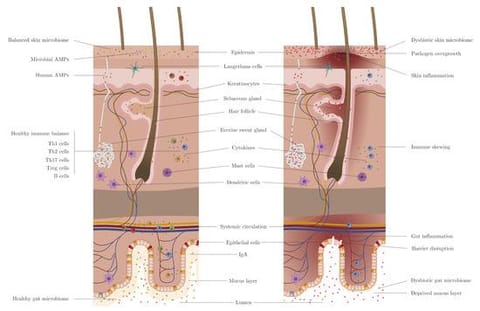
- Skin conditions don’t start on skin; they start in the gut. We reviewed nine skin conditions, from acne to psoriasis to alopecia areata. For many of them, gut microbiome dysbiosis is well established. Yesterday, I talked about what that tells us about the connection between the gut and the skin. I spoke at the Scientific Symposium of the Royal Belgian Society of Cosmetology in my hometown, Gent. My talk "The Gut/Skin axis and the role in skin diseases" builds on our highly-citeda review paper we published a couple of years ago,
- In 2023, we were the first to discover and publish that bile acids are also found on normal, healthy skin. At the ESDR 2026 Conference, I learned that another research group found a possible function. Bile acids matter for digestion. We had always thought you'd only find them in the gut. Then, while researching the impact of silver-threaded clothing on the skin, we found them there too, especially in the armpit area. But I never knew what to do with that finding. It was a simple curiosity: what are they doing there? Why are they
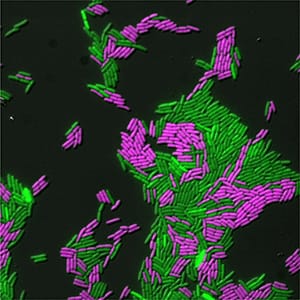
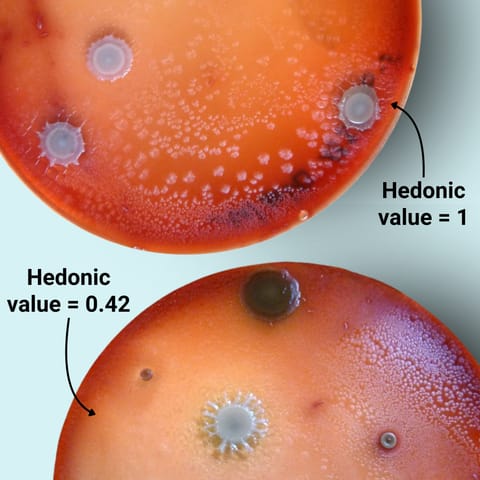
- I remember the exact moment Staphylococcus epidermidis became my favorite bacterium. That evening was a eureka moment, a happy moment. It happened two years into my PhD. We had over 250 people come to the lab and provide armpit samples. They had to be plated immediately, because within a day most of the bacteria would be dead. So Thomas Van Keer and I had to work so late that the concierge would come to kick us out. One of those nights, I went home to analyze the samples and I noticed a distinctive colony: round and light-colored,
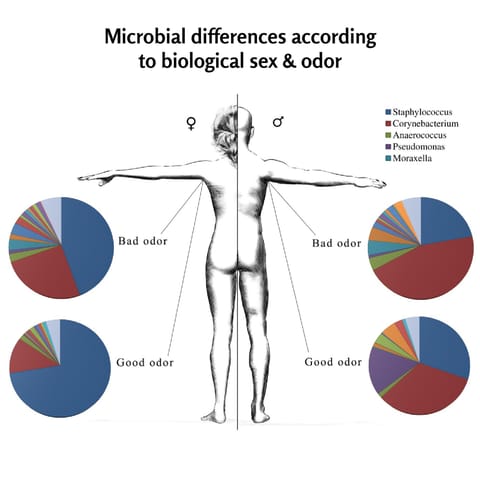
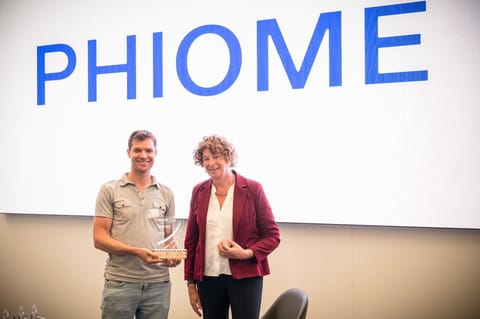
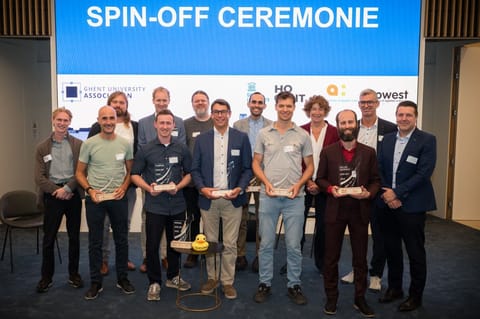
- I'm happy to share that Rector Petra De Sutter presented Phiome with a spin-off award from Ghent University last week. This journey started with my lifersquo;s mission: to durably resolve body odor for everyone who deals with it, including myself at the time. And the late nights in the lab during my PhD at Ghent University gave me the scientific basis to do that: I identified Staphylococcus epidermidis as the key bacterium associated with a pleasant smell and performed the first successful armpit transplant. Several research papers
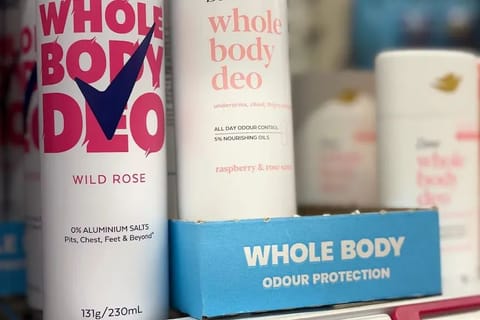
- Whole-body deodorants are not a positive evolution. I was recently featured in an ABC Lifestyle article discussing this, and I want to share where I stand as a body odor scientist. The whole-body deodorant category is expanding fast: underarms, groin, under the breasts, skin folds, feet. Like traditional deodorants, the whole-body version has broad-spectrum antimicrobials that aim to reduce odor by decreasing bacterial load. But this also has an impact on the skin microbiome, because it affects the beneficial bacteria, not only
- 15 minutes after a shower, someone with bromhidrosis may already be smelling again. The condition can have a significant psychological impact, and yet the most common advice is to try a different deodorant. The Guardian's Elle Hunt recently published a piece on chronic body odor, and I was glad to contribute some of the research behind it. The article highlights the shame and discrimination experienced by several women with bromhidrosis. From public humiliation to career disruption, their world can shrink as they try to avoid

- I've sampled thousands of armpits, trained dogs to detect COVID through sweat, and traveled to the Amazon to study the skin microbiome of indigenous people. It all started because I developed body odor myself and couldn't find a solution. So I pursued a PhD to build one. Here are some of the things that followed: - PhD in body odor and skin microbiology, two master's degrees, and over 40 peer-reviewed papers. - I identified Staphylococcus epidermidis as the key bacterium behind pleasant underarm odor. - I performed the first
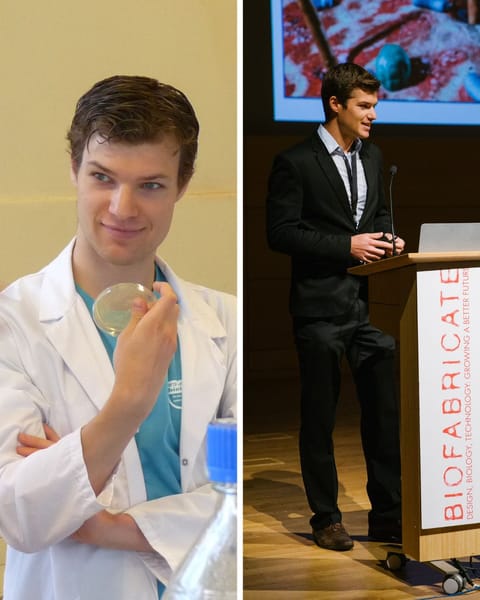
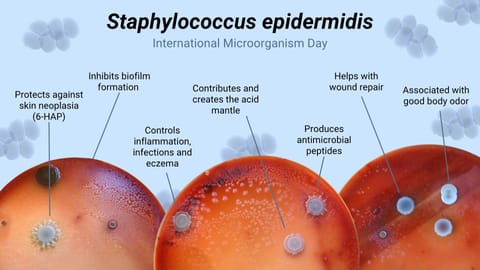
- For this year’s International Microorganism Day, I want to highlight the most important bacteria in body odor research (and my favorite): Staphylococcus epidermidis. I found it on the agar plates of people who had pleasant or neutral smell 2 years into my PhD. The colonies were round and light-colored, with little projections jutting out from all over. It was one of the happiest moments of my career, and it became the basis for my later armpit transplants and bacteriotherapy that have helped people durably resolve their body odor.
This page shows public professional information only, each fact cited. Is this you? send a correction, or ask for removal within 24 hours, no questions asked.