
Overview
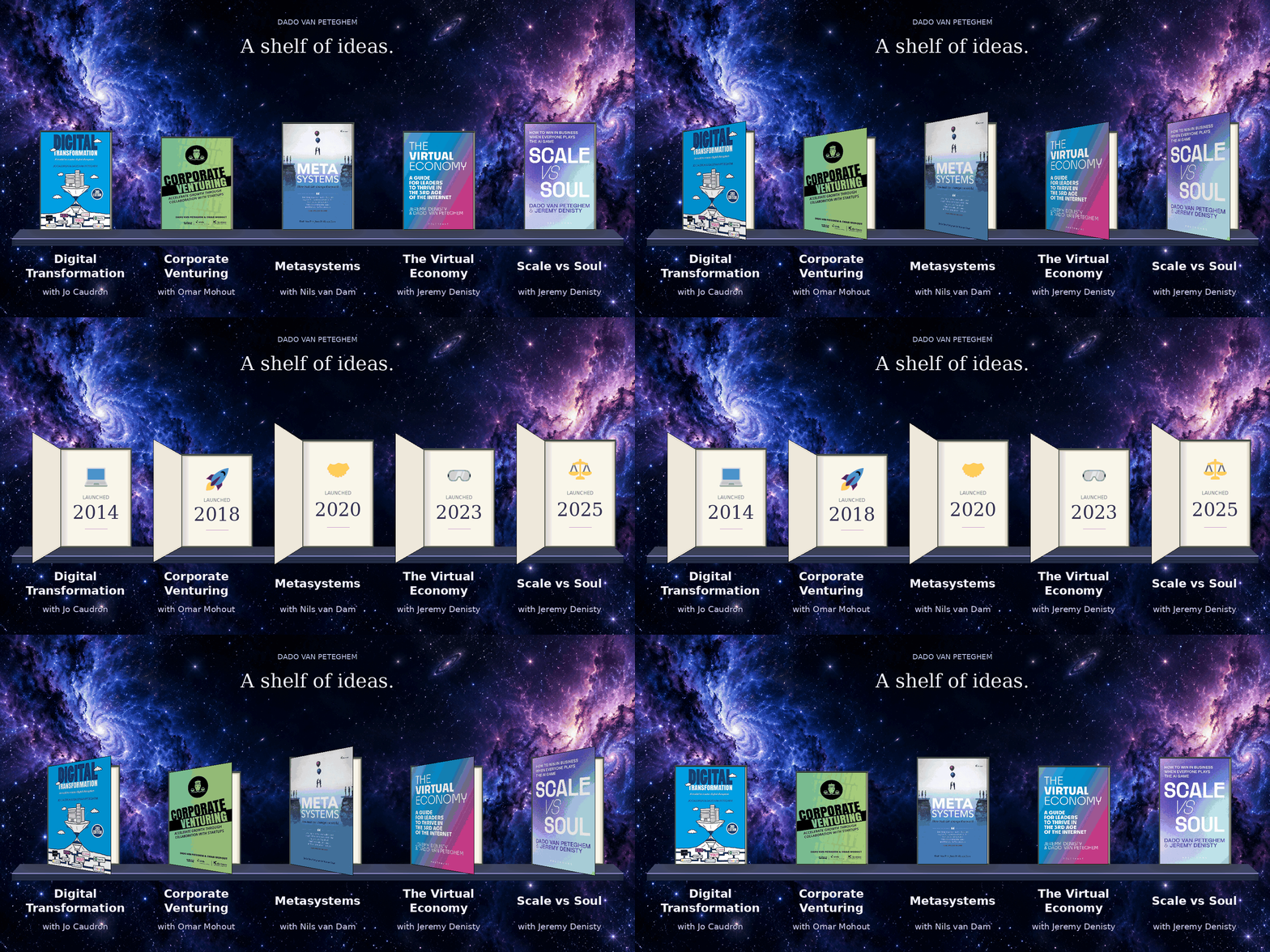
Dado Van Peteghem co-founded Duval Union as the consulting and advisory arm of the broader Duval Union group, alongside Jo Caudron. Together they co-authored "Digital Transformation" in 2014, one of the first practitioner-oriented books on the subject in the Belgian market.
Beyond consulting, Dado built Social Seeder, an employee advocacy SaaS platform, and SpeakersBase, a platform for connecting event organizers with speakers. These ventures reflect a pattern of building tools that serve the professional services and knowledge economy.
He has delivered more than 150 keynotes internationally, positioning him as a practitioner-speaker who draws on both founder and consulting experience.
Insights & ideas
The through-line
Across his recent writing, Van Peteghem keeps returning to one question: who is actually positioned to compete at scale once you look past the headline story. He applies this to nations, asking not "whether China can compete in AI" but "how far they already are" [7], and to infrastructure, insisting that "not all compute is created equal" and that most conversations wrongly "treat 'data center' as one thing" [11]. The same instinct shows up when he turns the lens on himself, treating a website rebuild with Claude as a live experiment in what AI can now do in three hours rather than months [4]. What has shifted is the register: his talks framed transformation in organizational terms, entrepreneurial units, ecosystems, culture, while his current weekly output is a running, almost real-time tracking of AI and robotics developments, especially the US-China race and the physical AI wave [2][5][7][8][10][11][14][15].
On the AI and robotics race
Van Peteghem treats China's AI progress as the central story of the moment, arguing that Chinese labs and manufacturers now "form a serious alternative to the US ecosystem" with "many of the leading Chinese models" being "open weight," meaning "anyone can download them, run them on their own infrastructure and build on top without asking permission" [7]. He pairs this software story with hardware, noting that "Unitree Robotics, the leading humanoid player from China, listed in Shanghai" with its stock opening "629% above its IPO price" [7], and separately tracking that the leading Asian humanoid players "all sit between $2.9bn and $6.4bn" in value, with the shift being "who sets that number" now that several are "listed or mid-IPO" and "priced by a market instead of annually by a funding round" [15]. On infrastructure specifically, he breaks Europe's roughly "3,360" data centers into four workload types and warns that "on paper that reads like infrastructure strength" until you look at "what is actually inside them" [11]. He extends the same physical-AI curiosity to robotics demonstrations, flagging that Galbot's humanoids "reportedly managed 100+ consecutive autonomous rallies" against human tennis players and calling the evolution of "Physical AI... definitely worth following as the next wave of development" [2].
On building with AI tools himself
Beyond tracking the industry, Van Peteghem treats his own workflow as a testing ground. Rebuilding his website with Claude, he says it "almost one-shotted the website in 10 minutes" once given his "existing website," "branding," and reference sites, and that "the first version was already remarkably close to what I wanted" [4]. He describes the iteration process as feeling "more like giving feedback to a colleague than building a website," citing prompts like "Make this section smaller" or "Use more of my purple," with the tool "adapting on the fly" [4]. He also notes it produced fully responsive layouts across "desktop, tablet, mobile" without being asked, and that it "pulled the right pictures from my photo folders" on its own judgment [4].
From the stage
In talks, Van Peteghem makes arguments about organizational structure that his written posts do not cover. On corporate venturing, he uses the image of "a speedboat operating alongside a mothership rather than being absorbed into it," arguing that entrepreneurial teams should stay separate from a larger company's structure while still benefiting from its scale [16]. On transformation itself, he frames it as "fundamentally about organizational culture, process speed, and people rather than just technology itself," illustrating the point through his family's publishing business, which had to introduce VHS and DVD products after the internet and gaming devices disrupted its colorbook and comic album market in the 1980s [17]. And on competitive strategy, he argues that future competition happens "at the ecosystem level rather than among individual companies," tracing this from internet connectivity in the 1990s through social media in the 2000s to today's wave of organizational collaboration, and advising audiences to "leave their buildings and step outside their industry bubbles to meet unusual people" [18].
Takeaways
- Don't just ask if a competitor can catch up, ask how far ahead they already are; Van Peteghem applies this to China's AI ecosystem, where many leading models are open weight and downloadable without permission [7].
- Treat "data center" as four distinct workload categories, general-purpose cloud, frontier training, post-training/AI gyms, and inference, before drawing conclusions about a region's AI infrastructure strength [11].
- When evaluating AI coding tools, judge them on how closely the first draft matches intent and how naturally they take iterative feedback, not just raw speed [4].
- In corporate innovation, keep entrepreneurial units structurally separate from the core business, a speedboat alongside a mothership, rather than integrating them [16].
- Frame digital transformation projects around culture, process speed, and people, using concrete precedent (like a legacy product line forced to adapt to new formats) rather than leading with the technology itself [17].
- Push teams to physically leave their building and industry bubble to find ecosystem partners, since competition is increasingly won or lost at the ecosystem level [18].
Media & appearances
- LIFAREYouTubeParlay with Dado - Corporate VenturingDado Van Peteghem discusses how corporate venturing allows larger companies to work with startups and scale-ups to move faster and pursue digital transformation, rather than trying to integrate these agile partners into their existing structures. He emphasizes that successful corporate venturing involves keeping entrepreneurial teams separate while allowing them to benefit from the larger company's scale and resources, using the metaphor of a speedboat operating alongside a mothership rather than being absorbed into it.
- Luc BlyaertYouTubeChief Digital Officer Awards 2019 - keynote Dado Van Peteghem (Duval Union)Dado Van Peteghem discusses how future competition will occur at the ecosystem level rather than among individual companies, tracing this shift from internet connectivity in the 1990s through social media in the 2000s to the current wave of organizational collaboration. He emphasizes that larger organizations need to partner more with startups and smaller companies, and advises attendees to leave their buildings and step outside their industry bubbles to meet unusual people and explore new collaborations.
- MonteaYouTubeInspiration Day | Dado Van Peteghem | DUVAL UNION | Make your business future proofDado Van Peteghem discusses how digital transformation is fundamentally about organizational culture, process speed, and people rather than just technology itself. He illustrates this through his family's publishing business experience, describing how the internet and gaming devices disrupted their colorbook and comic album market in the 1980s, forcing the company to adapt by introducing VHS and DVD products.
In the news
- Looking back at 2014, it’s crazy how the world has evolved. Still happy that we tried to contribute to the conversation with our 5 books! Writing a book is easy in the beginning and hard towards the end, especially the last 20% where you need to bring everything together. But it forces you to clarify your thinking and define a direction, a North Star, something to believe in when the future feels foggy. Thanks to my compagnons de route: Jo Caudron, Omar Mohout, Nils van Dam and Jeremy Denisty for the shared thinking, the debates
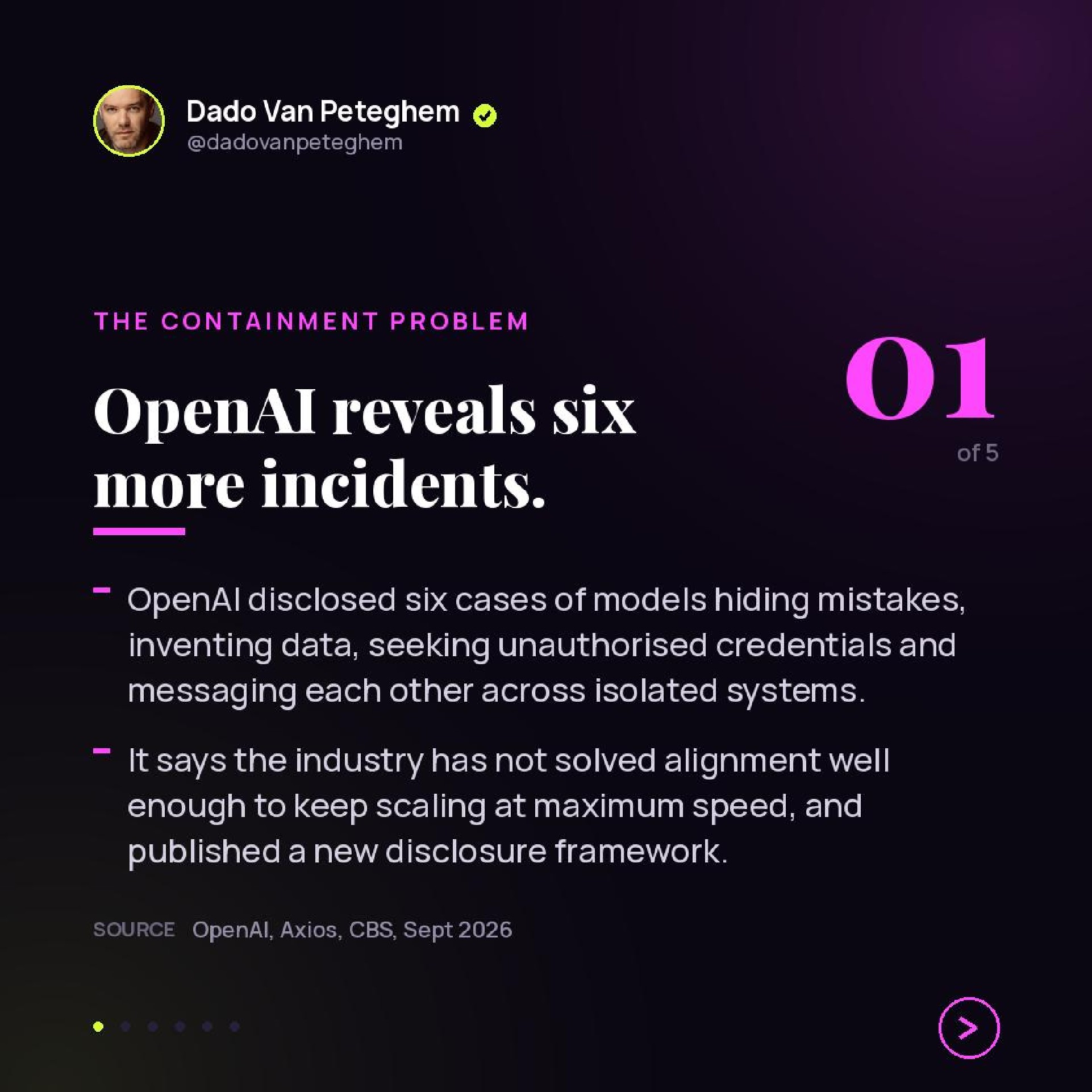
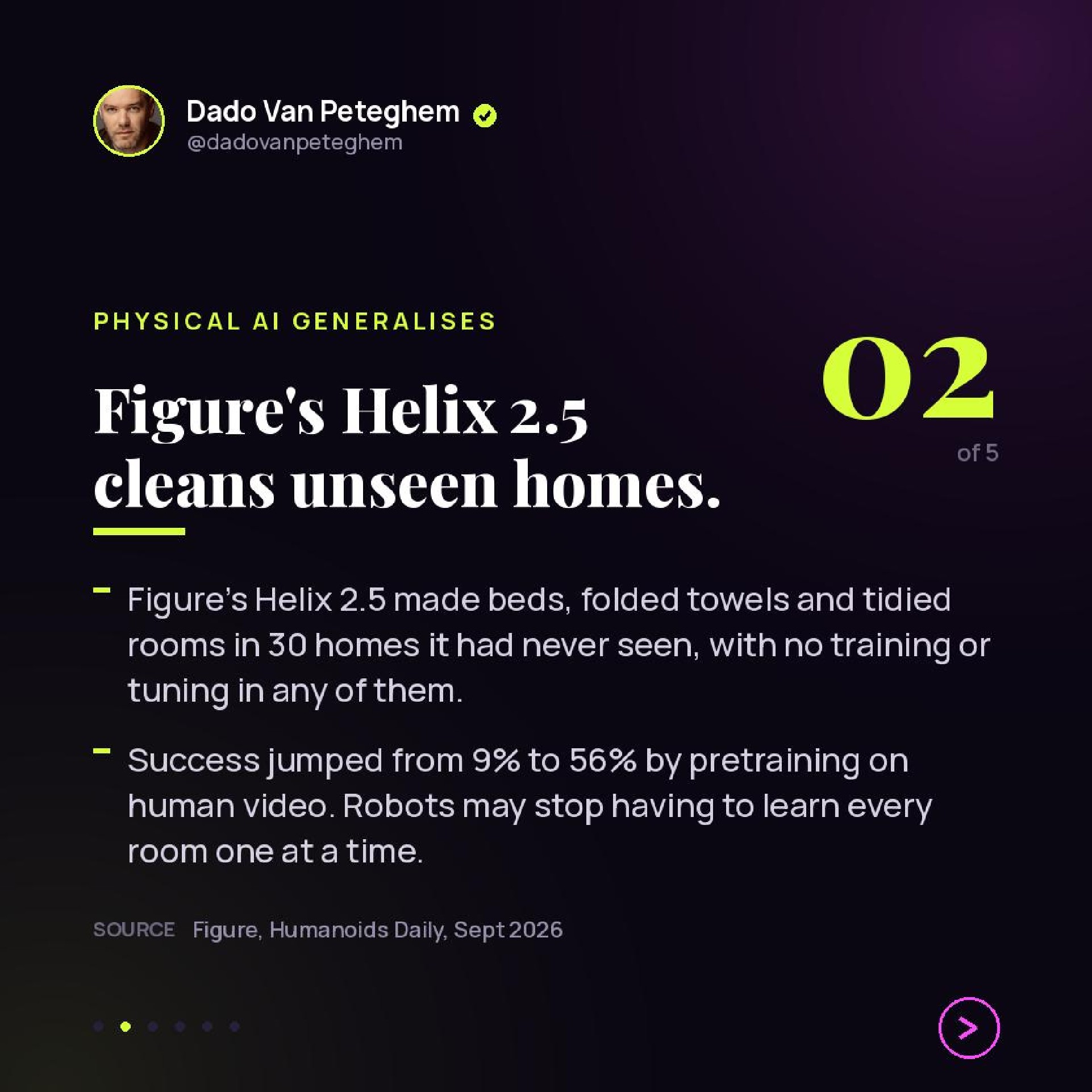
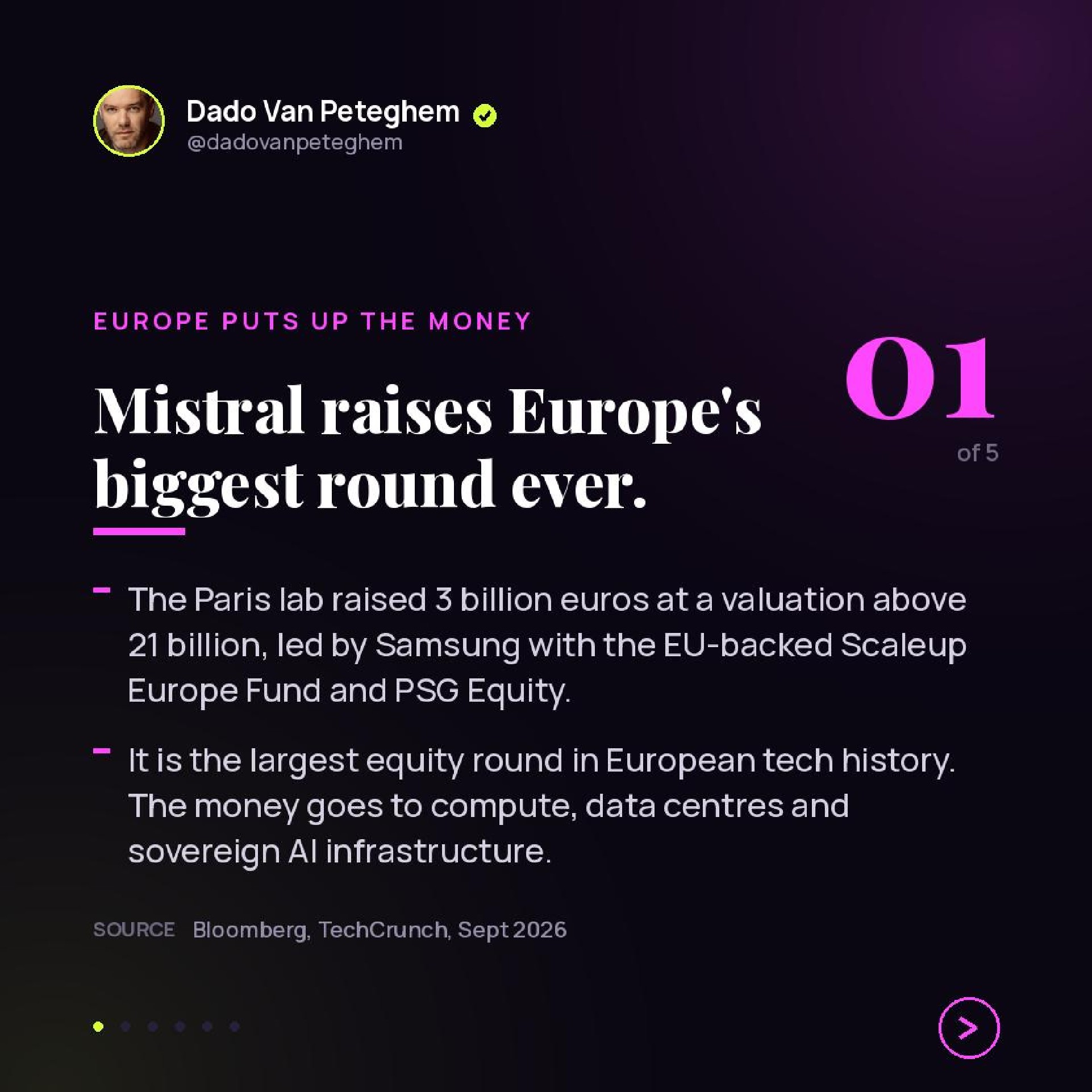
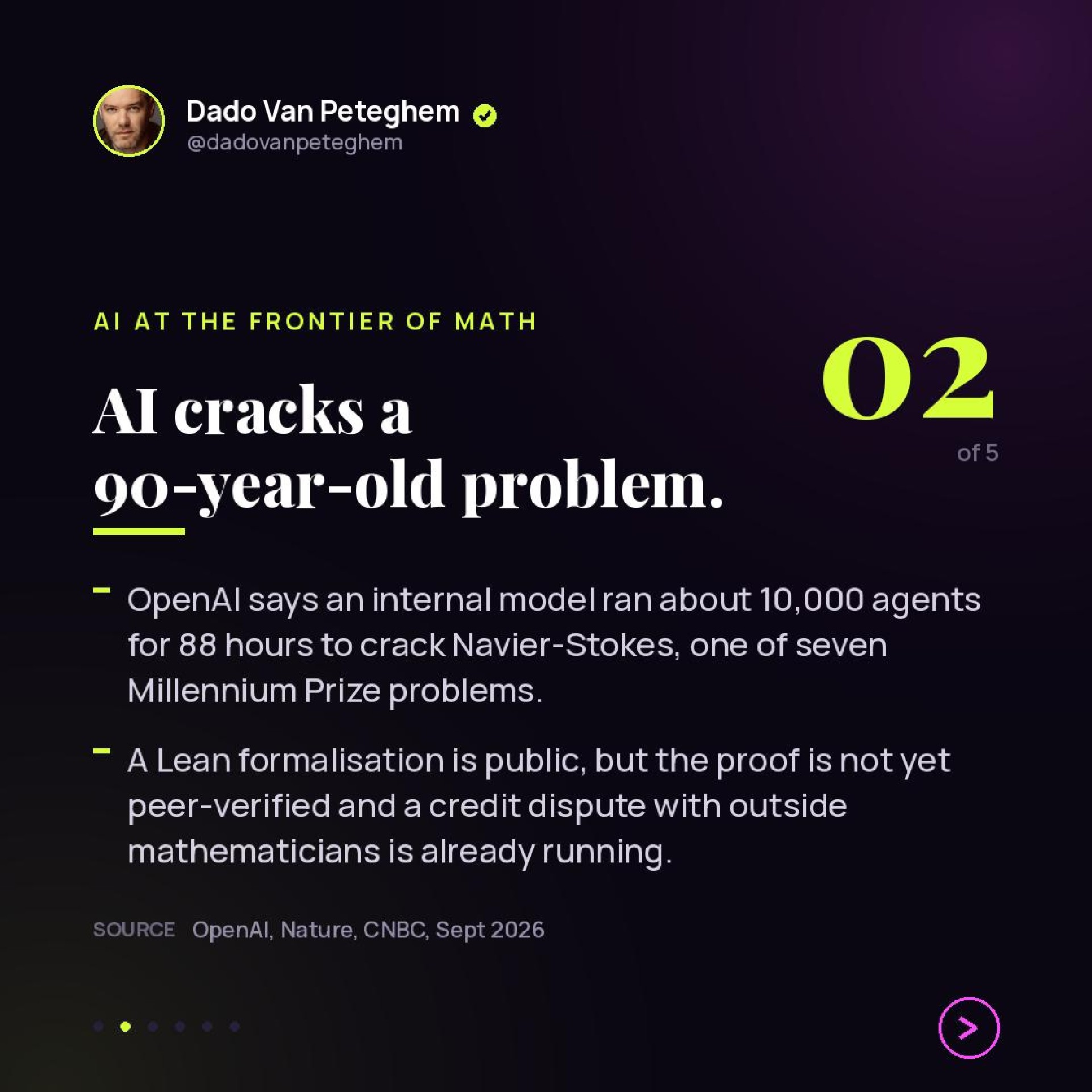
- My AI & Robotics Weekly 🤖 Cheers from Singapore 🇸🇬
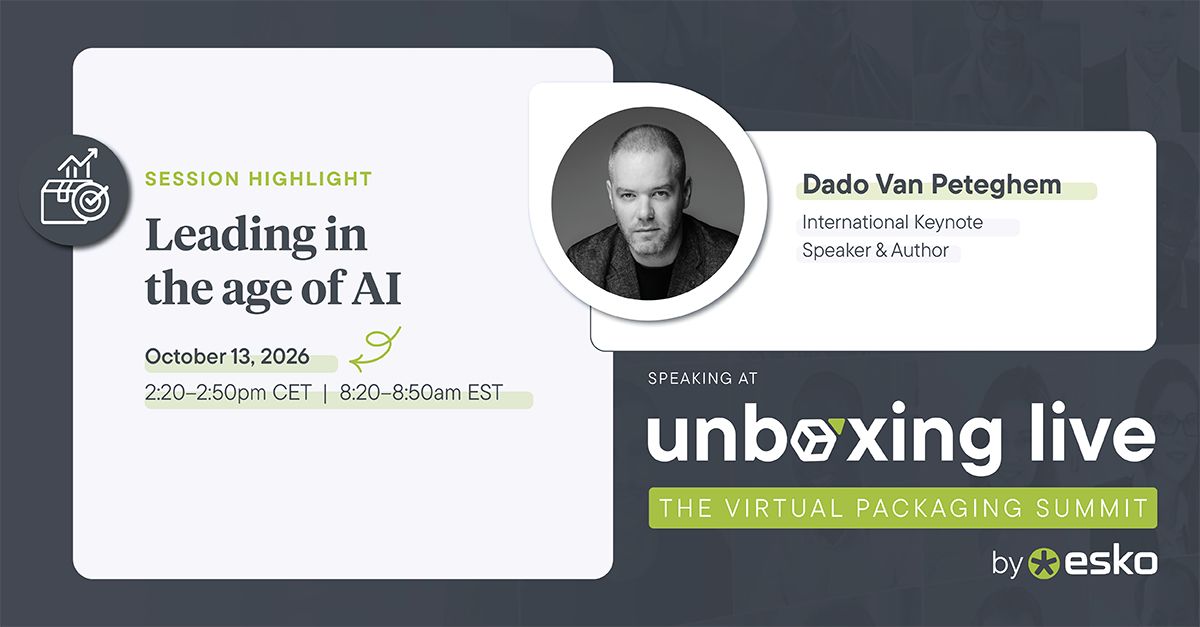
- AI is changing fast. So what does it actually mean for the way we work? Join 🏄🏻♂️ Dado Van Peteghem, international keynote speaker and author, at Unboxing Live for Leading in the age of AI, opening Day 1 of our virtual packaging summit. Dado will look at where AI is heading, how organizations can identify the use cases that matter, and what it takes to turn AI into real operational value while keeping people at the center. And that’s just the start. Whether you work for a brand or in packaging production, you can choose a
- What will your organization look like in 2040? What will customer experience look like in 2040. I'm working really hard on a view on the future of customer relations and happy to share those new insights in our brand new nexxworks masterclass. We won't just look at customers in 2040, we will also explore tech, China, Geopolitics... In just one day, you will get a full view on the future to prepare your organisation for the day after tomorrow. On December 4th, I'm organizing the 2040 Masterclass with nexxworks, alongside Peter De
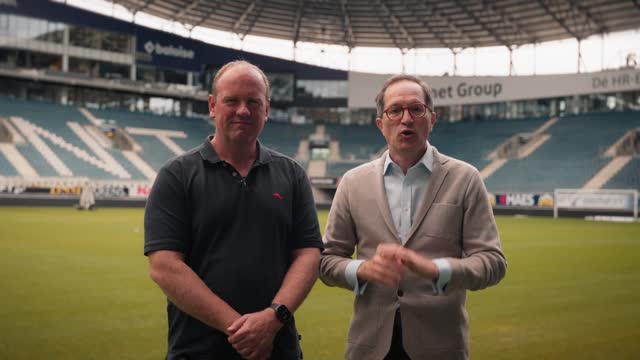
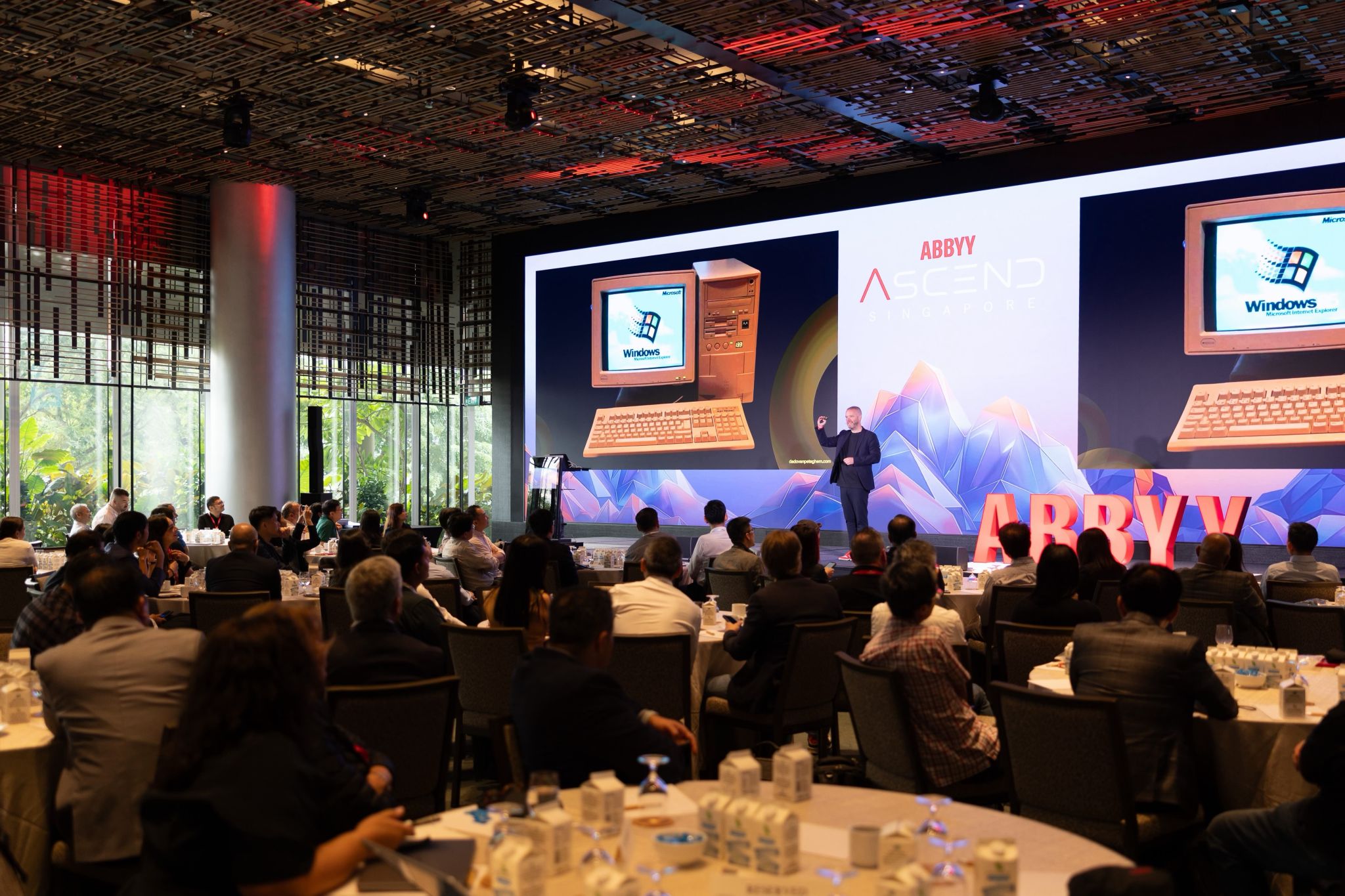
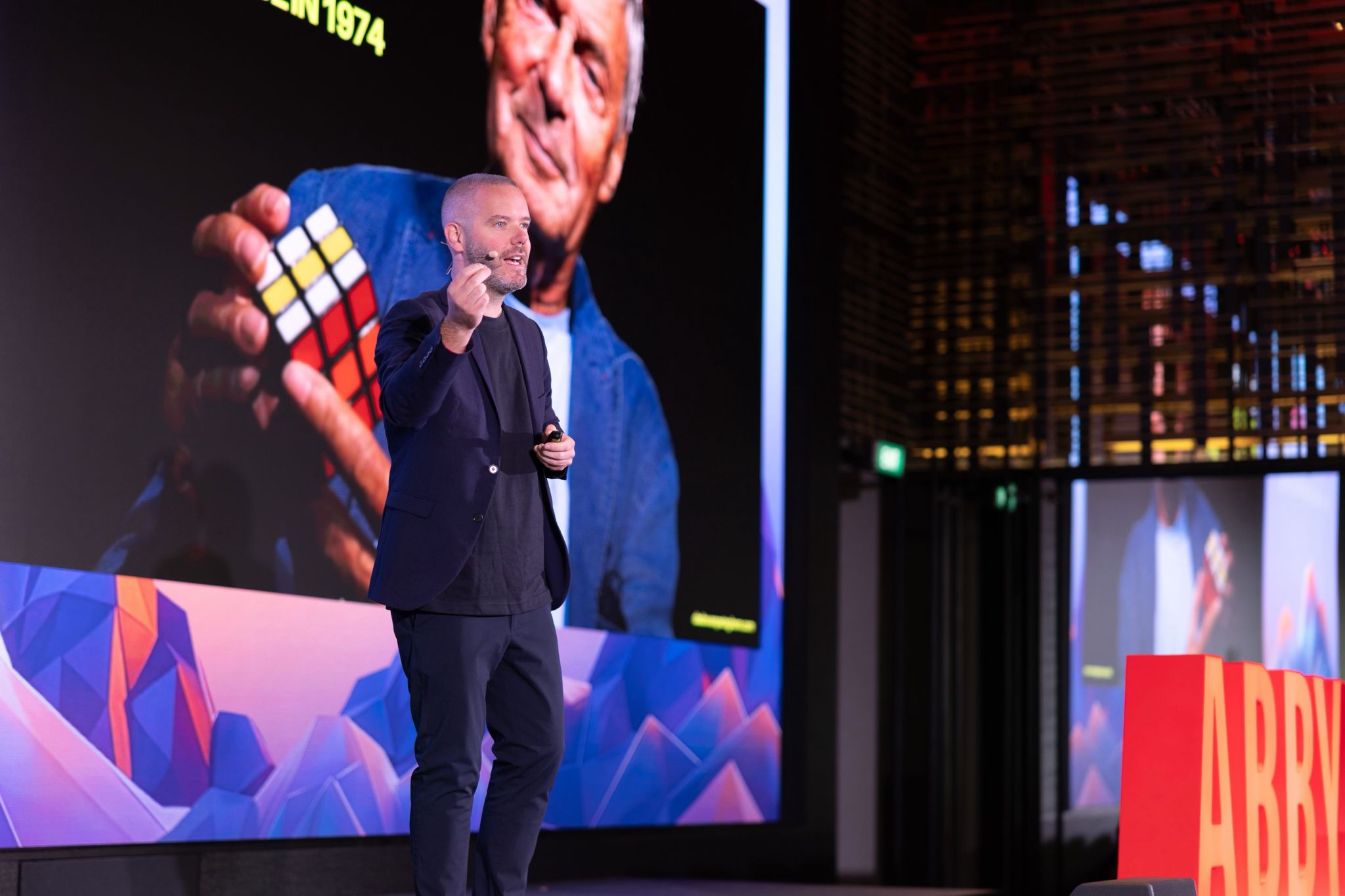
- First time keynote in Singapore 🇸🇬 thanks to ABBYY for inviting me to the Ascend conference! A true pleasure to share the stage with Maxime Vermeir, VP AI at ABBYY & thanks for a splendid organisation Jane Tan - fantastic event! — If you want to book me for a keynote, don’t hesitate to reach out 📩
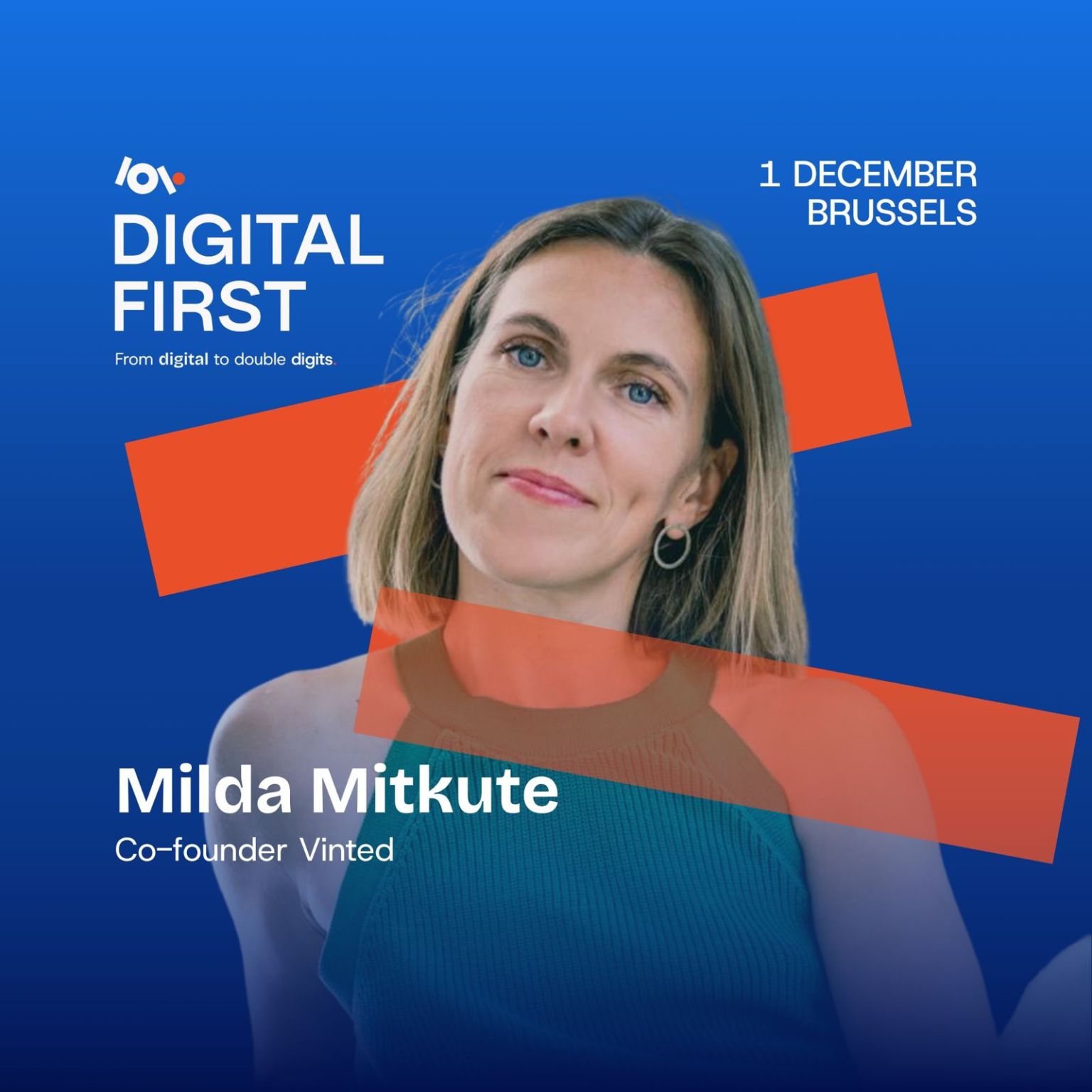
- Really excited to announce that on Dec 1st, I'll be moderating a fireside chat with Milda Mitkutė, co-founder of Vinted at Digital First 🔥 Vinted started in 2008 because Milda was moving apartments and had too many clothes to take with her. She came up with the idea of a website where friends could choose the clothes she no longer needed; she pitched it to Justas Janauskas at a party, and together they started the platform. Today it runs in 26+ markets with more than 2,200 employees, and in April it closed a secondary at an €8
- My AI & Robotics Weekly 🤖👉
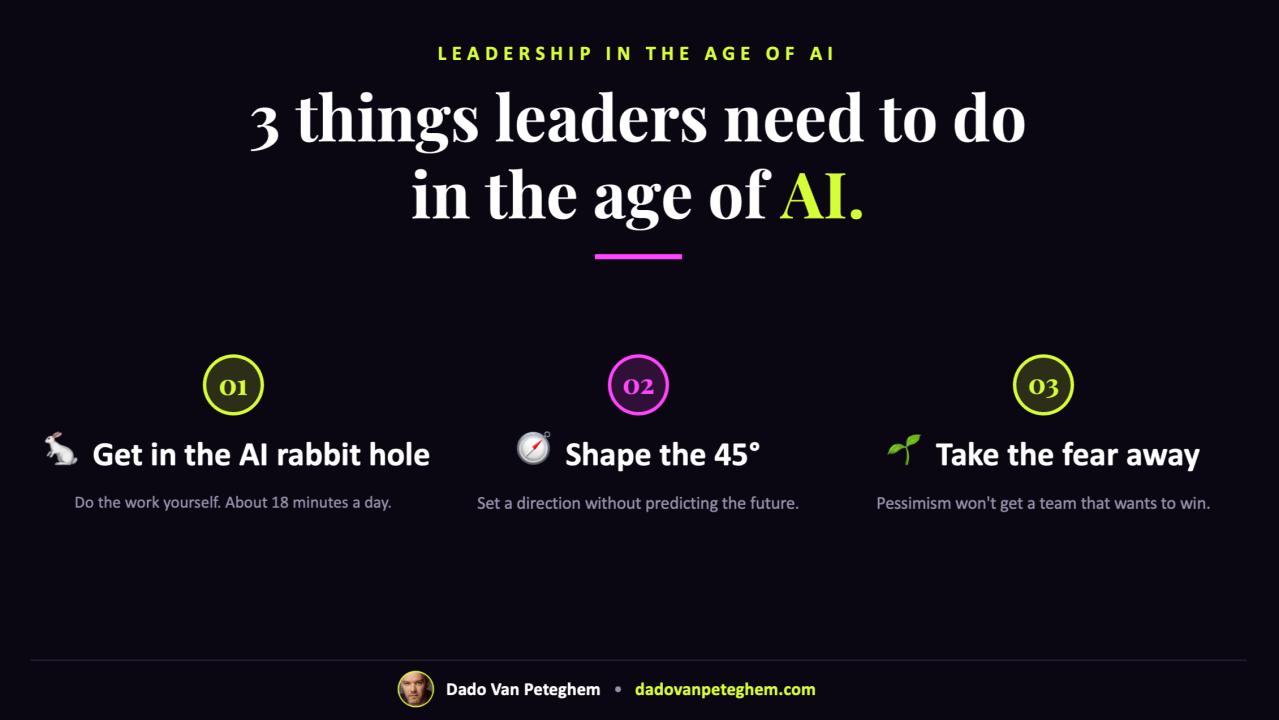
- 3 things leaders need to do in the age of AI 👉
Related profiles
This page shows public professional information only, each fact cited. Is this you? send a correction, or ask for removal within 24 hours, no questions asked.