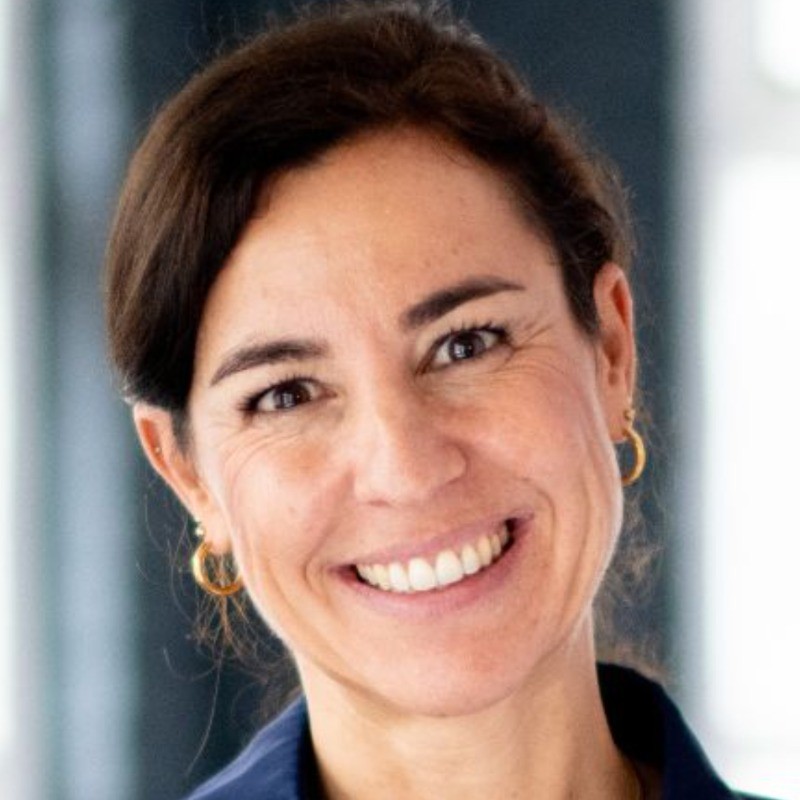
Overview
Dewi Van De Vyver operates across the Belgian tech ecosystem as a founder, board member, and public speaker. She focuses on the intersection of ethics, AI, and leadership, and is one of the more prominent voices advocating for women in Belgian tech.
Her keynote work and board roles position her as an ecosystem connector who contributes at both the company and community levels. She was among the voices amplified in the Belgian tech mafias discussion, representing the broader ecosystem beyond the mafia companies themselves.
Talks about
Insights & ideas
The through-line
Almost everything here comes back to one conviction: a technology business is a people business first, and the arithmetic should be arranged accordingly. Asked whether more profit was available, the answer is blunt and unapologetic: "Hadden we meer winst kunnen maken? Waarschijnlijk wel, absoluut. Maar dan hadden we mensen minder moeten betalen, en we zijn een mensen business." [3] The same instinct runs through her reading of burn-out as something that happens to a body rather than to a character, through her judgment of Big Tech's hiring and firing cycles, and through her insistence that the founder's real leverage is measured in what employees can afford to do with their lives [3].
The second thread is a refusal to let people opt out of a conversation before having it. That applies to founders who assume venture capital is not for them [1], to employees who assume a suggestion will go nowhere [3], and to anyone who assumes the futures Hollywood sketched are still comfortably fictional [2]. The posture is consistent: look at the thing properly, then decide.
On burn-out as a physical process
The most insistent point in the material is that burn-out is not a mood or a weakness. "Burn out is het langdurig hebben van stress en dat u lichaam uitgeput geraakt om eigenlijk de adrenaline die dat stress veroorzaakt van die af te breken en dat is echt een fysisch proces." [3] The lived version of that is lying awake exhausted while the mind keeps churning [3]. Crucially, it selects for the driven rather than the reluctant. The willpower that carries you through a deadline turns counterproductive when it is applied permanently, which she describes as flogging a dead horse [3]. Her own disbelief captures the trap precisely: "Ik werk keihard, ik heb alles onder controle, en waarom gaat dat je het nu niet? ... Dat was zoiets dat ge gaf aan mensen die dat geen zin hadden om te werken, maar ik had zin om te werken, dat was juist het hele probleem." [3]
Recovery, on her account, cannot begin until the diagnosis is accepted, and the entrepreneurial reflex actively obstructs that. Her first move was to hire a coach and plan a restart in September, a plan her doctor rejected outright on the grounds that her body was simply depleted [3]. The lesson is that the founder's default toolkit, faster planning and more control, is exactly the wrong instrument for the problem.
On entrepreneurs, managers and the years before the company exists
She draws a clean functional line between two roles that are often conflated. "Managers zijn daar om letterlijk een situatie die dat de al bestaat in goede banen te leiden, letterlijk te managen, waar dat ondernemers een bestaande situatie gaan bekijken en zeggen ja hoe kunnen we dat ofwel nog beter ofwel hoe kunnen we wat niet goed is veranderen." [3] Managers steer what exists; entrepreneurs look at what exists and act to change or improve it [3].
She also flags an underexposed reality about founding dates: the official incorporation is a late milestone, not a starting gun. Flow Pilots' founders were building and self-funding well before the company was incorporated in 2011, which is the normal pattern rather than the exception [3]. Against that unglamorous backdrop she still rates the role highly: "Als ondernemer hebt ge ongelooflijke grote impact, dat is hallucinant eigenlijk als je daar bij kijkt." [3]
On paying people well as a strategy
The impact she counts is deliberately domestic. Choosing lower margins in order to pay staff properly is presented not as charity but as a viable operating strategy, and the proof point she offers is that everyone at Flow Pilots could buy apartments and renovate homes [3]. That is the return she books against the profit she declined to take, and it is the reasoning behind "we zijn een mensen business" [3].
On open communication and its limits
Open communication is a system with rules, not an invitation to vent. "Open communicatie wilt niet zeggen dat zomaar alles kan." [3] What it requires is respect, the absence of gossip and grapevine chatter, and the ability to admit mistakes without being judged for them [3]. The mechanism that makes it real is closing the loop: every suggestion either gets acted on or gets an explained no, which is what makes people feel heard and keeps them willing to speak up next time [3]. Without that, the culture degrades into complaining or bullying [3].
On the thirty-person ceiling
She treats roughly thirty employees as a structural cap for an agency, and lays out three exits from it: do M&A yourself, hire ahead of future growth and absorb a temporary loss in order to diversify skills, or consolidate with and sell to a bigger partner [3]. The third option is the one that produced the ACA IT Solutions deal in 2022 [3]. The framing is worth noting: the ceiling is a business-model constraint to be answered deliberately, not a plateau to be worked harder at.
On Big Tech's layoffs as a sustainability failure
Her sharpest external criticism is aimed at the mass layoffs at large technology companies, which she reads as a failure of sustainability rather than a market correction. Companies took covid-era subsidies, mass-hired on the back of them, then dumped tens of thousands of people [3]. The costs land outside the balance sheet: brain power drained from the wider economy, and traumatised human capital that society is left to absorb [3]. The argument is the mirror image of her own choice to trade margin for stable, well-paid employment [3].
On women, control and venture capital
She hears the same objections repeatedly from women building ambitious companies: "I want to keep control." "I don't want to owe anyone." "We're not big enough yet." "I'm not sure my company is a fit." [1] Her response is not that these are wrong. "You might be entirely right, yet reconsidering VC funding is always worth it." [1] The point is to make the decision knowingly rather than by default. That is why the format she convenes with Juliette Moortgat and Ellen Batens is capped at thirty places and built around what VC money means, when it is the right call, when it isn't, and what happens when you go for it, with explicit space for "the ones you'd rather not ask in front of investors" [1].
On the future already having been scripted
Her reading of technology trends runs through the dystopian films she grew up with: a world without water, or with far too much of it, a control state full of AI, robots and predictive policing [2]. The claim is that these are not entertainment but forecasts now coming due. "We have lived through all the emotions of what is happening today before." [2] Her Xennial Doomsday Collection is offered as viewing "die je niet moet kijken om hun cinematografische waarde, maar om hun voorspellende karakter" [2], and as an open invitation to add the titles she missed [2].
Takeaways
- Burn-out is physical, not moral: prolonged stress exhausts the body's ability to break down adrenaline, and no coach or September restart plan can substitute for depletion running its course [3].
- The trait that causes burn-out is drive, not reluctance; permanent willpower applied to an unsustainable load is flogging a dead horse [3].
- Managers keep an existing situation on track; entrepreneurs examine that situation and change what is not working [3].
- The official founding date understates the work: founders typically build and self-fund for a long stretch before incorporation [3].
- Lower profit in exchange for better pay is a defensible strategy, and its return shows up as employees buying apartments and renovating homes [3].
- Open communication only works with a closed loop: act on every suggestion or explain the no, and forbid gossip while allowing mistakes to be admitted without judgment [3].
- Around thirty people an agency must choose: acquire, hire ahead of growth at a temporary loss, or consolidate with a larger partner [3].
- Mass tech layoffs after subsidised covid-era hiring drain brain power from the economy and leave traumatised human capital for society to absorb [3].
- Objections to VC funding about control, obligation, size and fit may well be correct, but the option is worth reconsidering rather than dismissing untested [1].
In the news
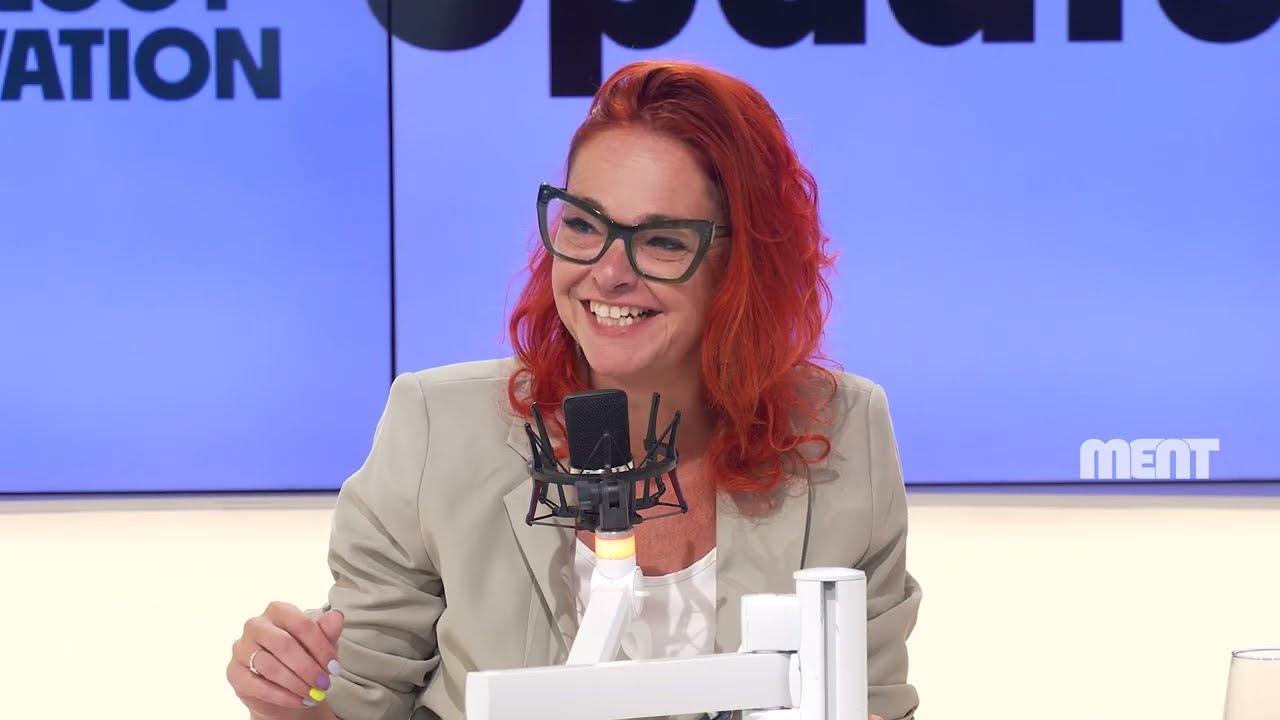
- Vraag je je ook wel eens af hoe jouw wereld er over een paar jaar uitziet? Slimmer, sneller en met een flinke dosis technologie. In ‘Update Jezelf!’ duiken 🎙️Evi Heyndrickx en Dries Mahieu in de toekomst van Vlaanderen. Samen met ondernemers, experts en makers ontdekken ze welke innovaties ons dagelijks leven vandaag al veranderen, en wat er nog op ons afkomt. In aflevering 1 schuiven deze gasten aan: Dewi Van De Vyver – tech-ondernemer – STEM-platform Tom Rumes – auteur en docent – Thomas More University of Applied Sciences Vincent
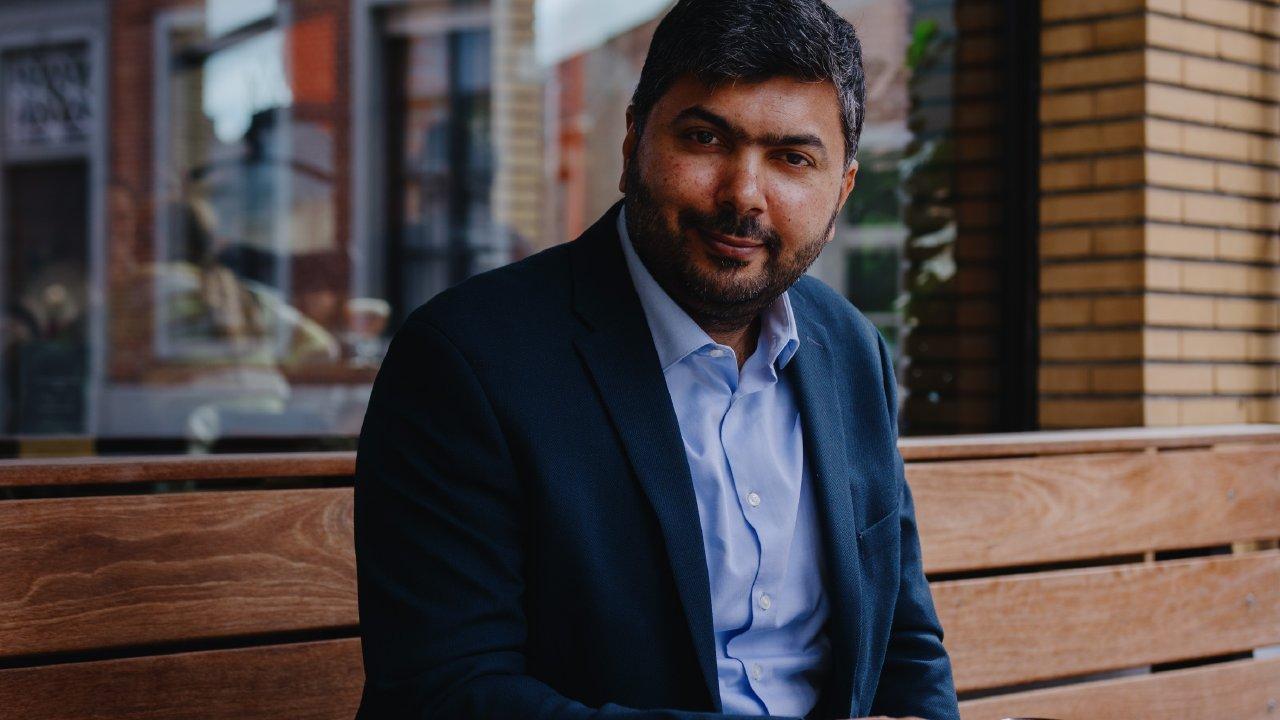
- Dé must read van dit weekend! Ik mocht al met Peru Dharani samen zitten en dromen van een toekomst waarin tech ten dienste staat van de menselijke vooruitgang. Hij heeft een boek geschreven over zijn leven met mooie spreuken in als: "Maar waarom zouden mensen concurreren met machines? Vlinders racen toch ook niet met duiven?" Zijn boek *Bloemen voor Boeddha* over wat betekent mens-zijn in een tijd die het dreigt te vergeten, ligt al in mijn winkelmandje. https://lnkd.in/e8ueJbfx De Tijd
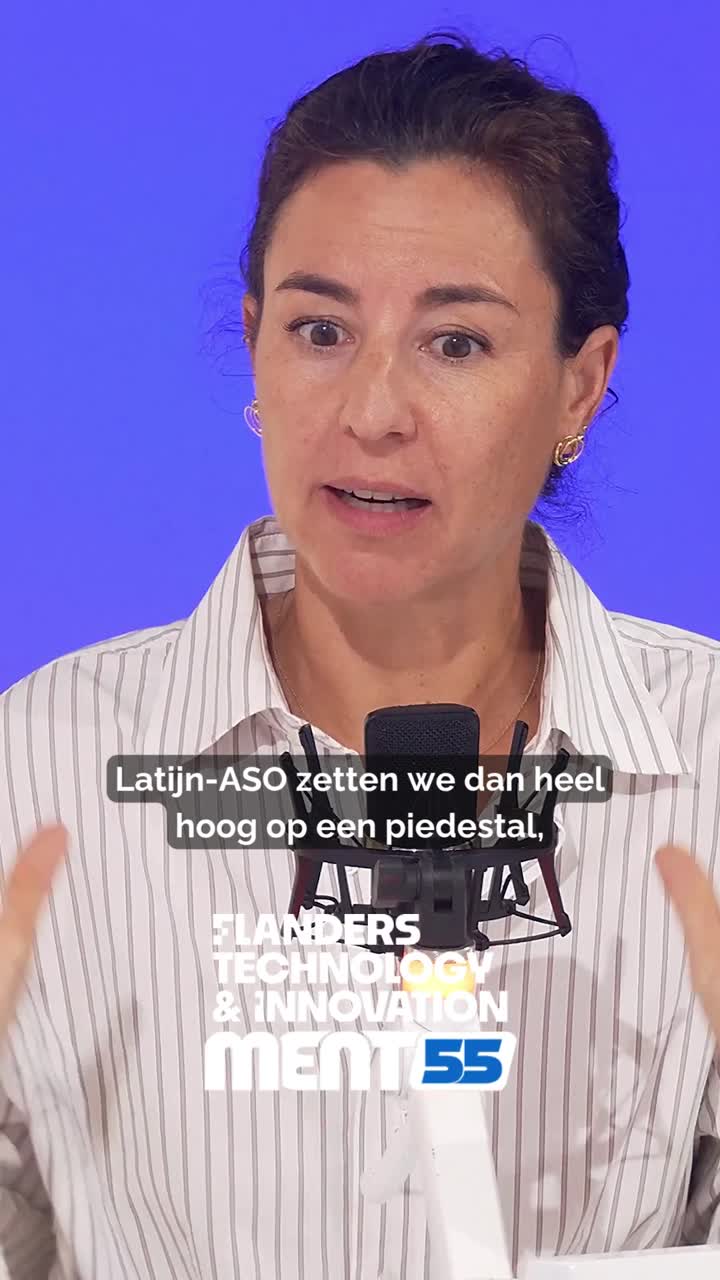
- Laten we van STEM een positieve keuze maken! In het kader van het Flanders Technology & Innovation Festival dat voor de boeg staat, ben ik gevraagd om meer toelichting te geven over STEM en waarom het een zo belangrijk is dat we jongeren en meisjes in het bijzonder, er blijven voor enthousiasmeren. Het festival loopt van 16/10 - 15/11 over verschillende steden met een grote Expo in de Nekkerhal Mechelen -> meer info www.ftifestival.be/ STEM-platform Evi Heyndrickx Dries Mahieu Flanders Technology & Innovation Flanders Technology &
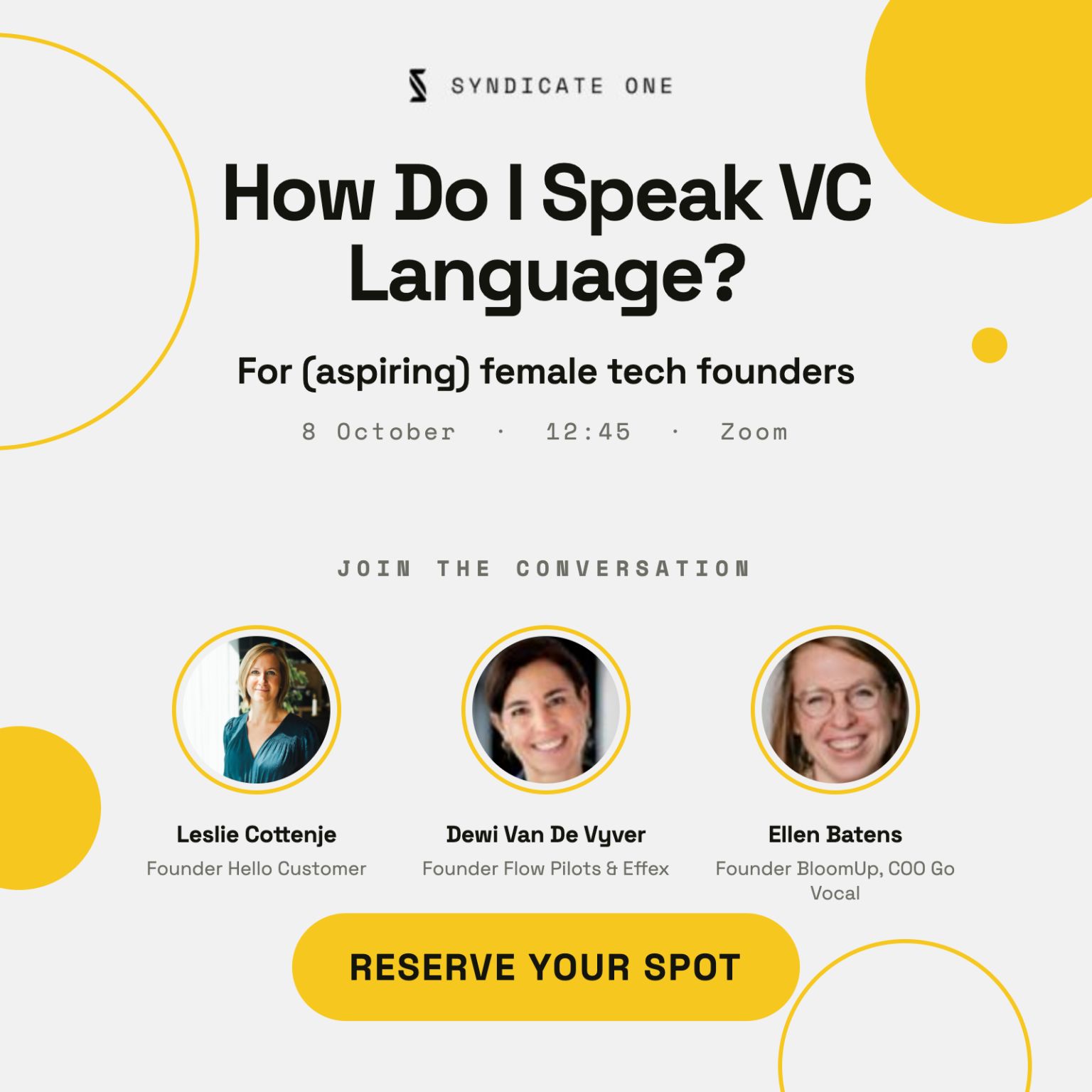
- VC-taal" is meestal iets wat vrouwen pas leren nadat ze besloten hebben funding op te halen. Daardoor voelen ze zich vaak alleen in een kamer waar iedereen de regels al lijkt te kennen. Wat als we vroeger beginnen? Voor de pitch. Voor de funding round. Zelfs voor de beslissing om te starten? Met Syndicate One organiseren we elke maand een webinar over VC funding, telkens rond één specifiek thema. Op 8 oktober praten we met Leslie Cottenje "VC language". Wat investeerders écht bedoelen als ze een vraag stellen, en hoe je jouw
- Back in the day, a long time ago when I was doing translation studies, never had I ever assumed I’d be translating woman to vc language at some point 😄 I’ll give it a go though, having done a few funding rounds myself! If you’re looking to get funding, and you feel investors are missing the point, chances are… they are! Investors see the world through their lenses, so adapting your story matters and more specifically how you narrate matters a great deal! Join us during this - I hope - very interactive webinar of Syndicate One with
- Twee exits, vijftien jaar tech ondernemer, en nu: goesting om mee te bouwen aan het verhaal van iemand anders. Ik ben toe aan een nieuwe uitdaging. De kans om mijn ervaring in te zetten voor een organisatie die een versnelling wil maken, op vlak van AI en tech, strategie, go-to-market, transformatie of het structureren van een team dat klaar is voor de volgende fase. Wat ik meebreng: → Een rugzak vol ervaring: van 0 naar exit, twee keer. → Een stevig netwerk, zowel corporate als startup. → Internationale reflex. Ben je zelf op
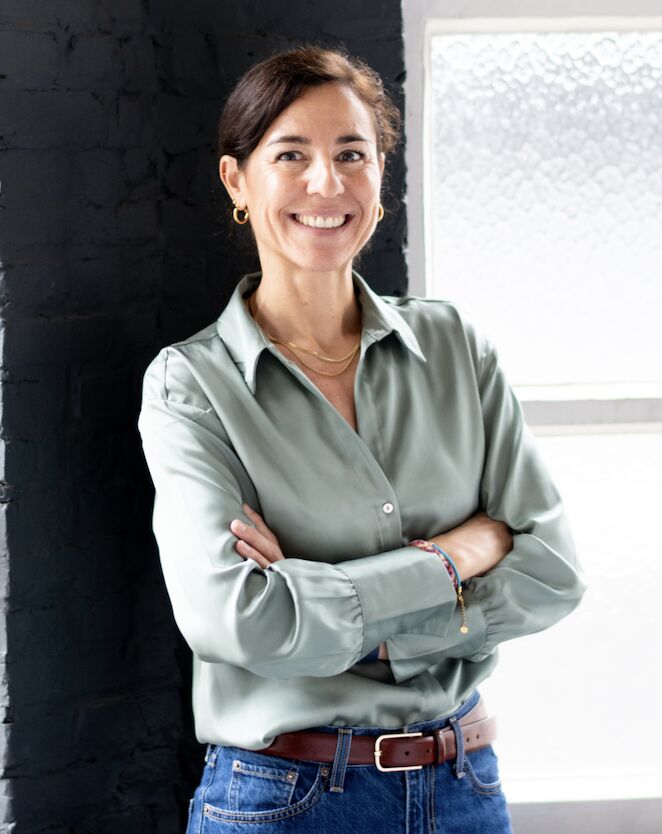
- AI is overal. Iedereen wil het, en er is geen boardroom of directiecomité waar het geen hot topic is. Maar hoe introduceer je dat duurzaam in je organisatie? Hoe zorg je ervoor dat het niet bij Proof of Concepts blijft, maar dat het écht embedded wordt in de hele organisatie? Ik kreeg het vertrouwen van Veerle Timmermans om dit uit te zoeken voor haar organisatie, Securex. Daarvoor wil ik haar uitdrukkelijk bedanken: voor dat vertrouwen, en voor de operationele vrijheid om dit traject vorm te geven. Dank ook aan Wout Van
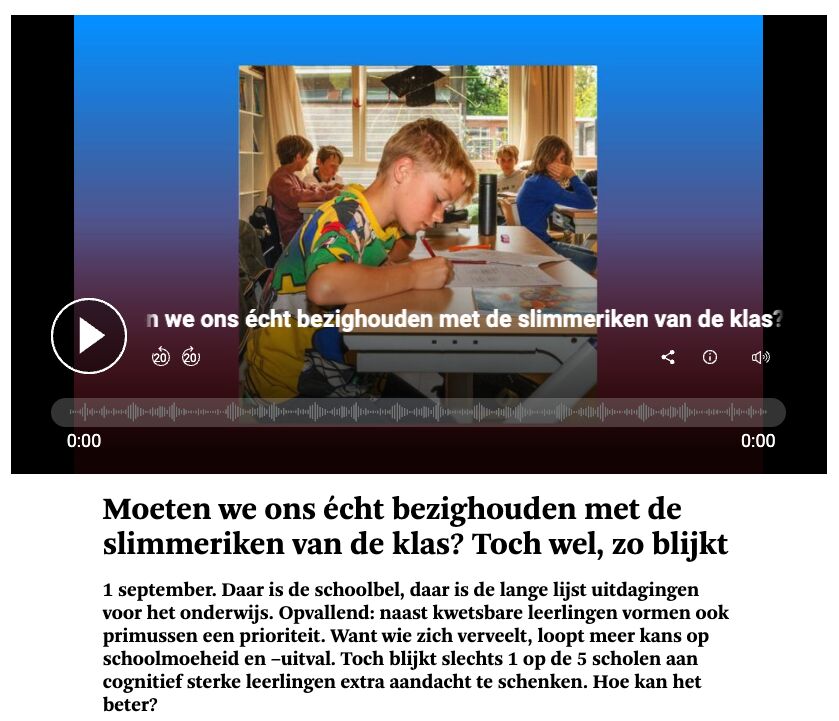
- Mijn oudste zoon gaat vandaag naar het 6de middelbaar. Hij is een van die cognitief sterke leerlingen. Toen we 14 jaar geleden naar de kleuterklas vertrokken, kon hij al tellen tot 20, eerste letters lezen, liedjes volledig nazingen en in volzinnen praten. Toen duidelijk werd dat hij veel verder kon denken dan leeftijdsgenootjes en we dit aankaartten op school, kregen we het deksel op de neus. Later werd hij ook vaak aan zijn lot overgelaten, want hij startte met school ongeveer gelijktijdig met de invoering van het M-decreet en
This page shows public professional information only, each fact cited. Is this you? send a correction, or ask for removal within 24 hours, no questions asked.