Overview
Kraemer and Rein Meirte were colleagues at a tech company when they set up Clusity as an internal initiative during the pandemic, after observing career barriers faced by female colleagues. With their CEO's encouragement the initiative became a community open to the whole sector, and an acquisition of the company that year led them to launch it full-time.
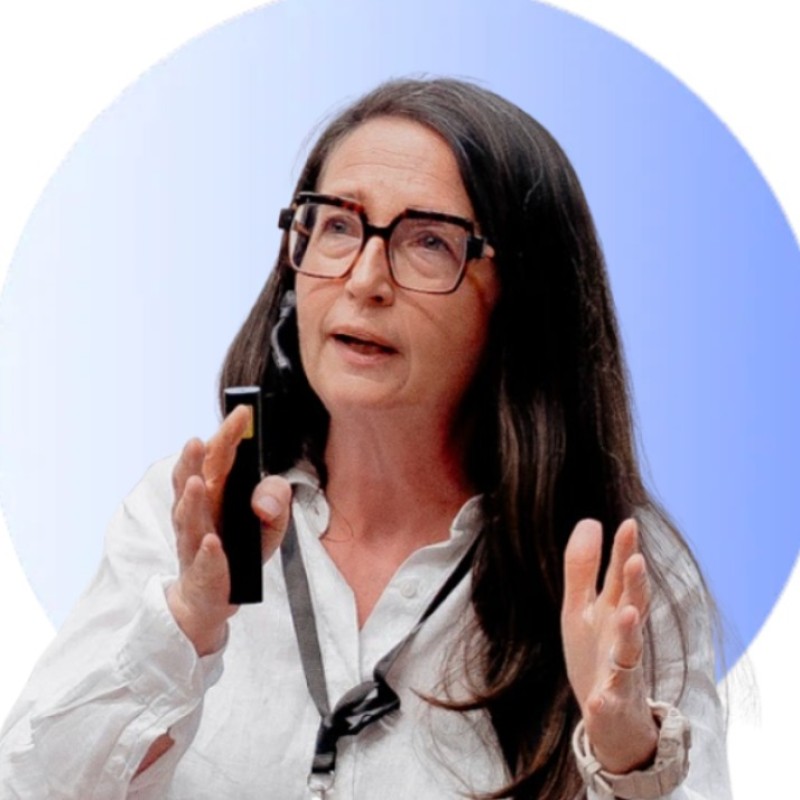
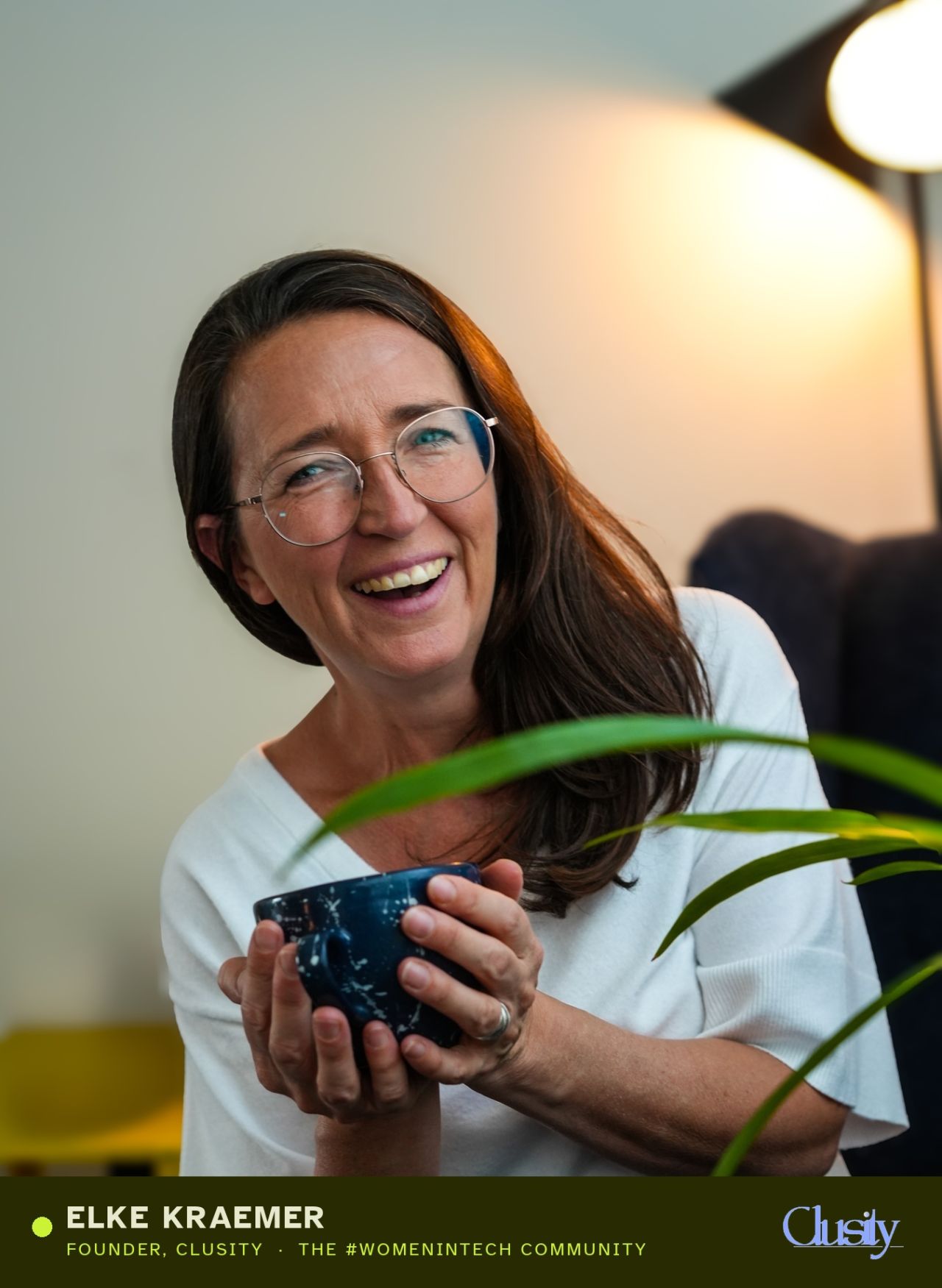
Elke Kraemer is co-founder of Clusity, a community for women in tech in Belgium. She founded it in 2021 together with Rein Meirte. The organisation is based in Berchem, Antwerp. Clusity started as an internal initiative at a tech company where the two founders worked together during the pandemic. With encouragement from their CEO it grew into a sector-wide community. It launched a digital platform in early 2024 and marked four years in June 2025, at which point it counted 3,500 members from 48 nationalities. By the start of 2026 the community had passed 4,000 members. The community has run more than 100 events and published dozens of interviews with women working in technology. Membership has three layers: a free entry formula, a job seeker track, and full membership with mentorship and ambassador programs. Clusity also advises tech companies on inclusive culture and has supported more than 75 of them. Partner companies include Cronos Group, KBC, Colruyt Group, VRT and Telenet. The organisation operates with a three-person staff supported by volunteers.
Career history
Insights & ideas
The through-line
Across these posts, Elke Kraemer keeps returning to one point: the gender gap in tech is not a talent problem, it is a measurement and behavior problem. She repeatedly picks apart studies to show that the mechanisms companies trust most, meritocracy, credentials, "objective" platforms, are the ones quietly working against women [6][9][5][4]. Over the course of the month covered here, the argument moves from community-building and partnership posts about Clusity's events and hiring needs [15][14][13][8][7] toward increasingly research-driven, almost mythbusting posts that question the premises companies use to explain the gap away [3][4][5][6][9]. The throughline is that fixing this is framed as a business and data exercise, not a fairness favor: "wouldn't that be a great and easy way to start?" she asks about CEOs simply knowing their own numbers [9].
On the meritocracy myth
Kraemer leans hard on the MIT study by Emilio J Castilla and Stephen Benard, in which 445 managers evaluated identical CVs for "Michael" and "Patricia," and the only variable was how the company described its own fairness. "Companies that are proud to call themselves a meritocracy are often the ones where women get paid less for the same work" [6][9]. Her point is not that people are acting in bad faith: "Not because HR or managers have bad intentions. But because they believe they're fair. That belief is stopping people from checking their data" [6][9]. She treats the label "meritocracy" itself as a trigger, not a safeguard.
On feminine behaviour and visibility
Looking at 1.6 million GitHub developers and 30,000 Behance designers, two platforms with very different gender ratios, she notes that "being a woman does not predict success on these platforms" [5]. What does predict less success is "behaving in ways that are seen as 'feminine' (collaborating, commenting, mentoring, certain specialisations)" [5]. She flags that this gets relabeled by HR as "soft skills," and quantifies it: "60 to 90% of women's disadvantage in visibility, success and survival on these two platforms comes down to 'feminine behaviour'" [5]. Her conclusion is blunt: "women aren't p[roblem]", the behavior, not the gender, is being penalized [5].
On the business case for a wider talent pool
Kraemer repeatedly ties the diversity argument to labor-market scarcity rather than idealism. Citing Statbel, she notes that while vacancies are falling almost everywhere, "de vacaturegraad in ICT" keeps rising, "Terwijl bijna elke sector afkoelt" [10]. Her challenge to employers: "als je al moeite hebt om de 'traditionele' kandidaat te vinden, waarom vis je dan nog steeds in dezelfde, te kleine vijver?", noting that roughly "1 op 5 tech-profielen is een vrouw" [10]. She reinforces this with SD Worx research showing that IT, digital and data make up "32% van alle vacatures" among large Belgian companies planning to hire, adding that "specifieke acties naar vrouwen in tech" are "vaak over het hoofd gezien" [14]. She extends the same logic to credentials: none of the CEOs running "vier van de belangrijkste AI-bedrijven" (Suleyman, Amodei, Karp, Altman) have a STEM degree, yet "98% of the highest paying AI jobs require a bachelor's degree or higher" the "normal way," a gate that keeps women at "26% of new AI hires" [4].
On inclusion as practice, not a poster line
She distinguishes stated values from lived culture, citing Deloitte's finding that "79% of organisations say a strong sense of belonging matters" while "only 17% actually do something about it," and McKinsey's finding that included employees are "3.5x more likely to stay engaged" [13]. Her prescription is experiential rather than declarative: workshops where "people don't just talk or write about inclusion, they feel what it's like to be included, or left out," so that "'inclusive culture' stops being a line on a poster" [13]. The same instinct shows up in her response to CEOs asking her to "help us find more senior women for our management team": she redirects the question toward internal feedback culture as "the missing link to more women in management" [12].
Takeaways
- Before hiring initiatives, check whether leadership actually knows its own gender numbers, since most CEOs Kraemer talks to don't [9].
- Drop "meritocracy" language in company materials with caution: the MIT Castilla/Benard study found it correlates with lower bonuses for equally-performing women [6][9].
- Audit platforms and processes for penalizing "feminine behaviour" like collaborating and mentoring, since that behavior, not gender itself, drives most of the visibility gap on GitHub and Behance [5].
- Treat rising ICT vacancy rates as a reason to recruit outside the "traditional" candidate pool rather than compete harder for the same one, since only about one in five tech profiles is a woman [10].
- Question degree-based AI hiring gates: none of the four major AI company CEOs cited hold a STEM degree, yet 98% of top-paying AI roles require one, which disproportionately locks out women [4].
- If asked to find more senior women for management, look first at feedback culture rather than the talent pipeline [12].
In the news
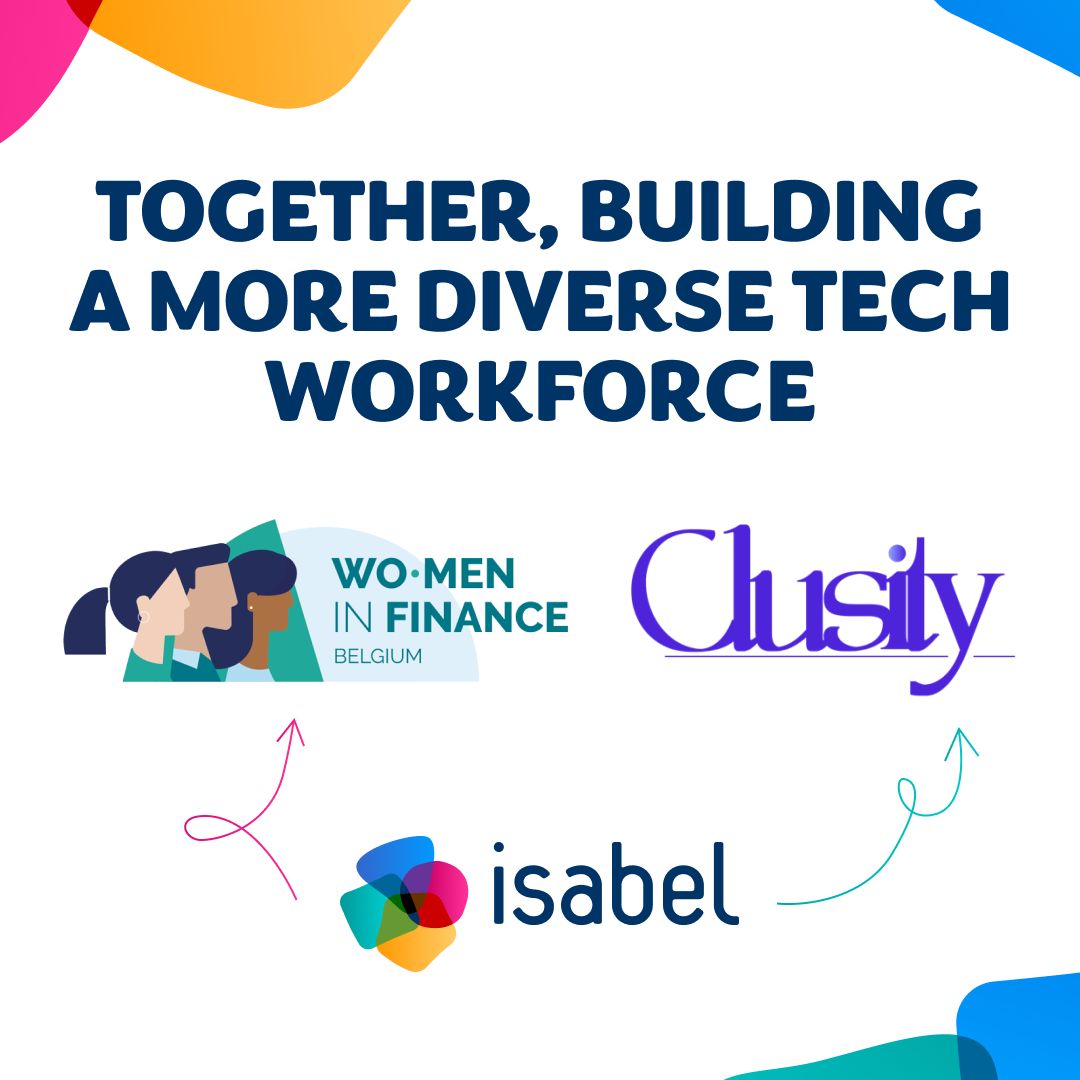
- I am always happy to find partners for Clusity | The women in tech community, who are so convinced to support the same mission we have. I am absolutely thrilled to welcome our new partner: Isabel! Géraldine Valentini 🥰, thanks to you and Tobias Desomer's engagement, this collaboration can flourish and it underlines my belief that we can create together a better place for #womenintech. So the next generation will enter more easily, plus the ones that are in tech want to stay and develop their career! Thanks and very much looking
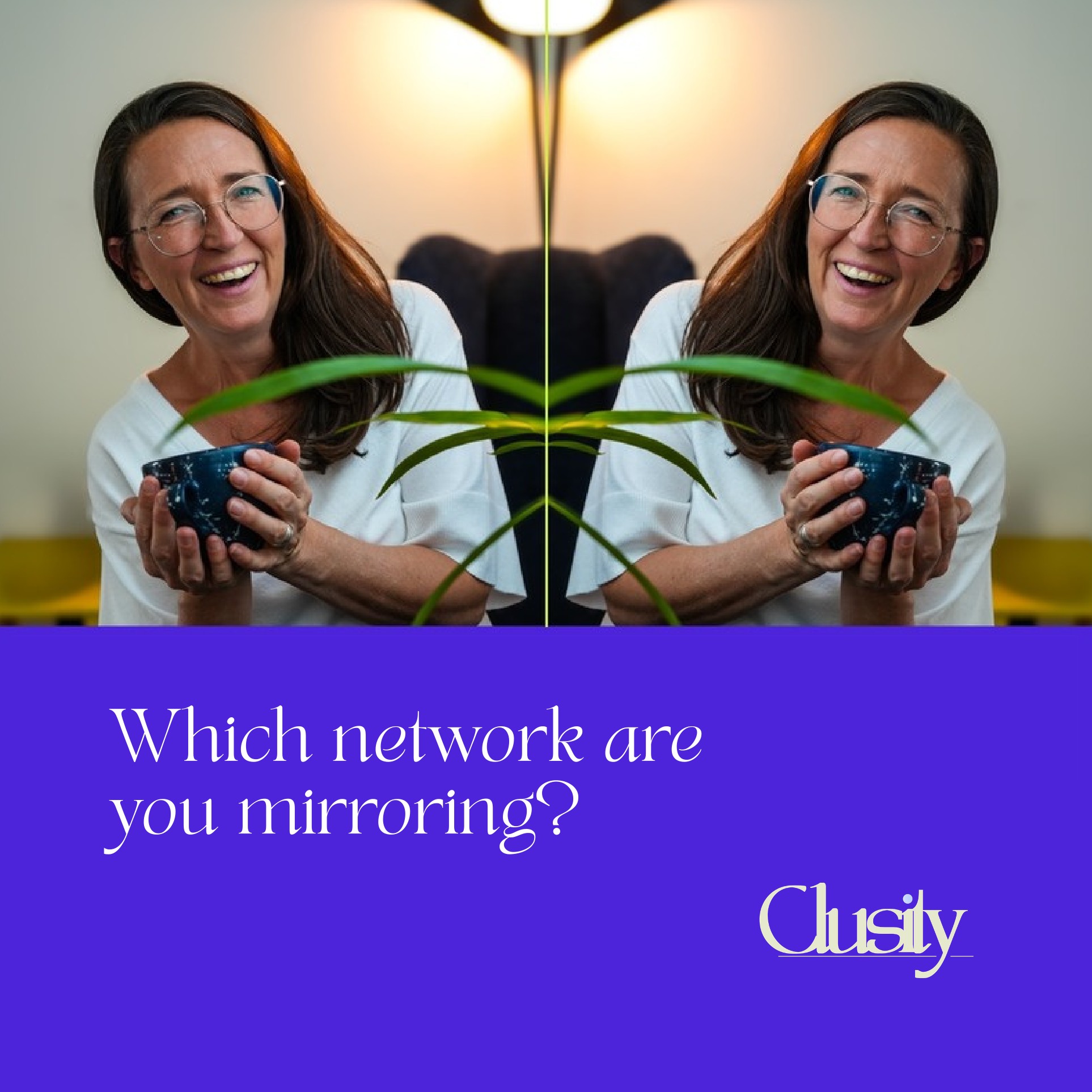
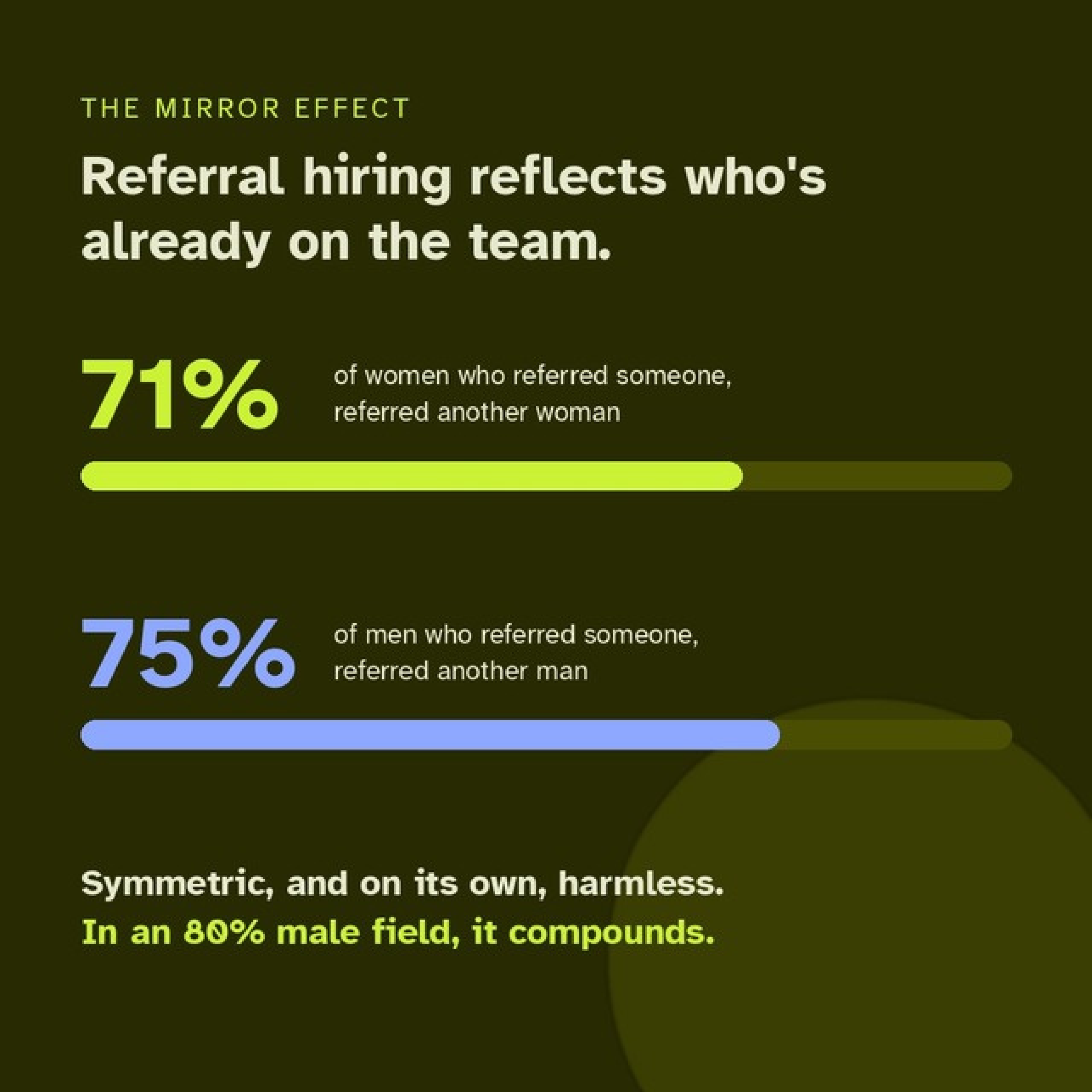
- 𝗥𝗲𝗳𝗲𝗿𝗿𝗮𝗹 𝗵𝗶𝗿𝗶𝗻𝗴 𝗶𝘀 𝗼𝗳𝘁𝗲𝗻 𝗮 𝗺𝗶𝗿𝗿𝗼𝗿 𝗼𝗳 𝘆𝗼𝘂𝗿𝘀𝗲𝗹𝗳 Does your organisation work with referrals for hiring? Maybe your organisation even pays a bonus when the referral gets hired? It's probably the cheapest way to hire. Fast. Trusted. Low risk. Referral hires often convert better than "cold" applicants. And at the same time it will not help you work on a gender gap, if you have one…. A field study (Hederos et al., Labour Economics, 2025) found: the gender of the person referring predicts the gender of
- 𝗠𝗼𝗿𝗲 𝘃𝗮𝗰𝗮𝗻𝗰𝗶𝗲𝘀 𝘄𝗼𝗻'𝘁 𝗳𝗶𝘅 𝘆𝗼𝘂𝗿 𝗴𝗲𝗻𝗱𝗲𝗿 𝗴𝗮𝗽. 𝗔𝗰𝘁𝗶𝘃𝗲 𝗿𝗲𝗰𝗿𝘂𝗶𝘁𝗶𝗻𝗴 𝗺𝗶𝗴𝗵𝘁. Posting the vacancy with gender-neutral wording. Waiting for applications. Or even reaching out yourself, or letting the latest AI sourcing tool do it for you? I get why tech companies do it: It feels like doing something. But it isn't. Women hold 22% of ICT jobs in the EU. For Belgium that number is even less: 18.7% (51.900 women) of Belgium's ICT workforce (Agoria, 2025). The sector is heading on EU level
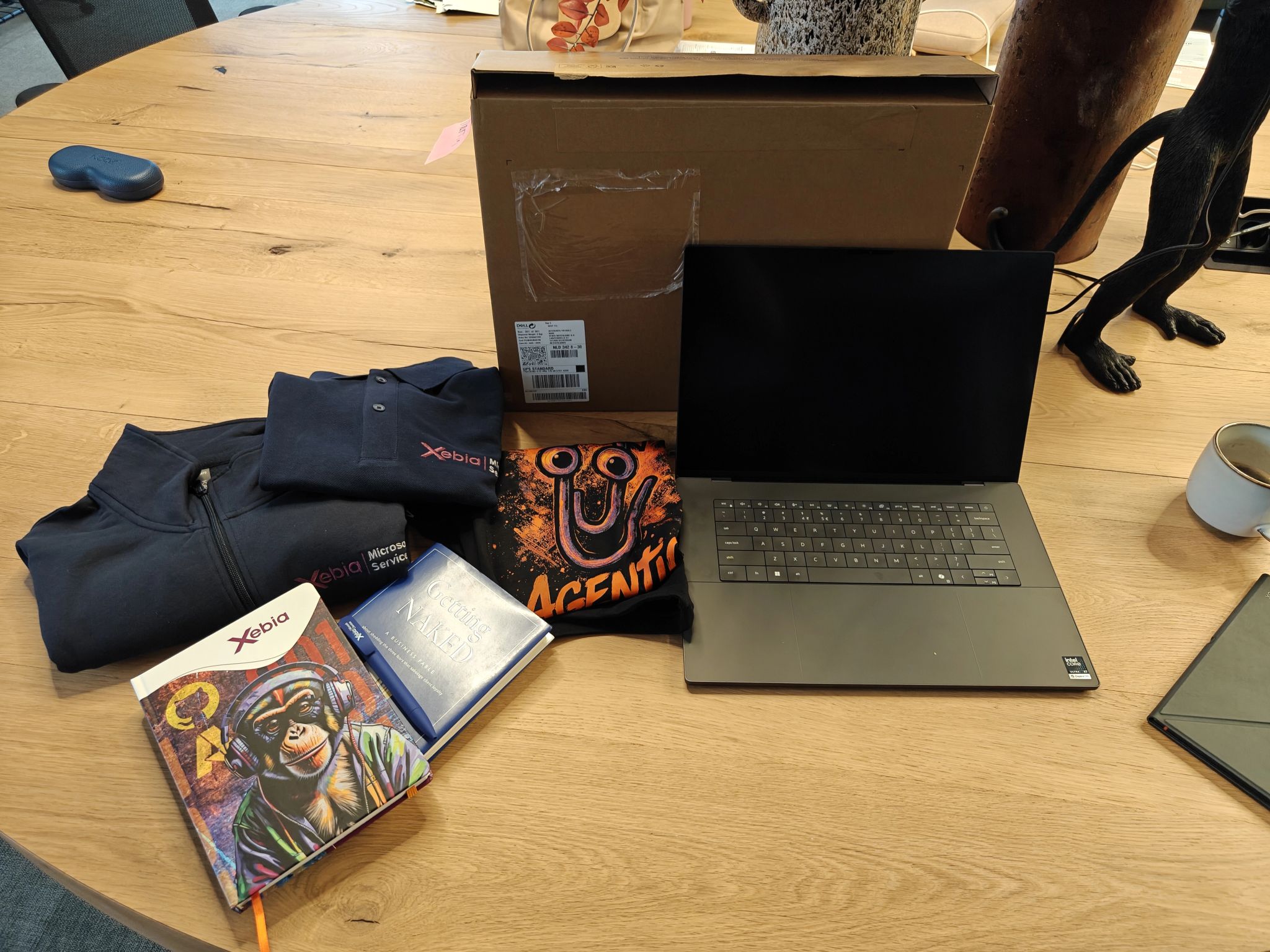
- 𝘚𝘬𝘪𝘭𝘭𝘴 𝘥𝘰𝘯'𝘵 𝘨𝘦𝘵 𝘺𝘰𝘶 𝘩𝘪𝘳𝘦𝘥 𝘰𝘯 𝘵𝘩𝘦𝘪𝘳 𝘰𝘸𝘯. 𝘉𝘦𝘪𝘯𝘨 𝘧𝘰𝘶𝘯𝘥 𝘥𝘰𝘦𝘴. Mike Martin's post about joining Xebia (after knowing Gill Cleeren for years) says it better than any stat I could quote 😉 Next to your skills, know-how, diploma's and expertise, you need to: 📢 know about the job opportunities 👀 be found 🤝 be trusted 🏆 be recognised Mike didn't apply cold. He had years of trust. And a strong network. Women in tech usually have the first list covered. Skills, diplomas, expertise, all there.
- 𝗢𝗻𝗹𝗶𝗻𝗲 𝗔𝘀𝗸-𝗠𝗲-𝗔𝗻𝘆𝘁𝗵𝗶𝗻𝗴 – 𝗧𝗼𝗱𝗮𝘆 𝗳𝗿𝗼𝗺 𝟭𝟮𝗵-𝟭𝟯𝗵 - 𝘄𝗶𝘁𝗵: Tessa Ickx 💥 💡 Ever wondered what a day in the life of a 'lead data scientist' looks like? 💡 What was the idea behind creating a toy that makes kids want to code? 💡 Just curious to find out how it feels to join one of our online events? All good reasons to join us today! It's free, and you can register via our community platform (link below) :)
- 𝐆𝐞𝐧𝐝𝐞𝐫 𝐝𝐨𝐞𝐬𝐧'𝐭 𝐦𝐚𝐭𝐭𝐞𝐫. 𝐓𝐡𝐞 𝐛𝐞𝐬𝐭 𝐬𝐡𝐨𝐮𝐥𝐝 𝐠𝐞𝐭 𝐭𝐡𝐞 𝐣𝐨𝐛. That's a comment I hear frequently. Once more last week via an interesting LinkedIn conversation. A confident, successful sales profile in the Belgian tech scene. I quote: "𝑴/𝑽/𝑿 𝒅𝒐𝒆𝒔𝒏'𝒕 𝒎𝒂𝒕𝒕𝒆𝒓 𝒕𝒐 𝒎𝒆, 𝒂𝒔 𝒍𝒐𝒏𝒈 𝒂𝒔 𝒕𝒉𝒆 𝒃𝒆𝒔𝒕 𝒊𝒅𝒆𝒂 𝒘𝒊𝒏𝒔 😜" That was the answer to me having shared "We help tech companies attract the women they're missing on their teams and retain the ones they have before they might quit."
- 𝗪𝗵𝘆 𝗱𝗼 𝗼𝗿𝗴𝗮𝗻𝗶𝘀𝗮𝘁𝗶𝗼𝗻𝘀 𝘄𝗼𝗿𝗸 𝘄𝗶𝘁𝗵 Clusity | The women in tech community? Some organisations want to be more innovative, some because of legal requirements and some just feel like their and our DNA is just a perfect match. 🥰🥰🥰 OMP is one of the latter. When we met them the first time we were extremely excited to learn about the 5P concept building the foundation of their mission (People, Partnership, Promise, Pride, and Passion). Because it's building the ground base on which diversity truly thrives
- 𝐆𝐨𝐨𝐝 𝐩𝐞𝐨𝐩𝐥𝐞. 𝐈𝐝𝐞𝐚𝐬. 𝐂𝐚𝐩𝐢𝐭𝐚𝐥. … and an inclusive culture where good people can develop great ideas! Julien De Wit wrote a column in Trends this week. His point: companies are treating innovation as a cost instead of an investment, when really you need 3 ingredients to innovate: => Good people. => Ideas. => Capital. He's right. And it made me want to add another layer: good, divers people within an inclusive culture. Because "good people" is not enough. A team of good people who all think alike is not the
Related profiles
This page shows public professional information only, each fact cited. Is this you? send a correction, or ask for removal within 24 hours, no questions asked.