
Overview
Fabien founded Odoo (originally TinyERP) in Leuven and built it into a global company with thousands of employees and millions of users. Odoo's open-source model disrupted the traditional ERP market by making enterprise software accessible to SMEs.
As founder and CEO, Fabien drives Odoo's product strategy, open-source community, and global expansion. He is one of Belgium's most prominent tech founders by scale and international reach.
Career history
- CEO & FounderMar 2002 - PresentOdoo
- Director & FounderFeb 1998 - Feb 2003Web Development asblearly student web projects

Education
Master's degree, Computer Science1997 - 2004Universite catholique de Louvain
Talks about
Insights & ideas
The through-line
Ask Fabien Pinckaers what separates the winners from everyone else and the answer is deliberately unglamorous: "The difference between the very successful companies and the others is the very successful ones just survived." [19] Odoo's record, as he tells it, has no inflection point and no breakout year: "We have done 50% growth year after year for 20 years. There is we didn't have a very big year, we didn't have an explosion, it just year after year 50% growth because of good execution." [19] Seven years spent close to bankruptcy are treated not as a scar but as the source of the company's operating discipline. [19]
That same logic projects forward. He frames business software as an industry heading for the same consolidation that flattened operating systems and office suites, from the MS-DOS era into Windows, iOS and Linux, and from WordPerfect into Office and Workspace [19]. His stated ten-year ambition follows directly: "My challenge for the future is just to survive and be among these one, two, or three player that have the world." [19] Everything else, pricing, hiring, compensation, product design, is subordinated to staying in the game long enough to be one of the survivors.
On why scarcity built the company
Not raising much money is presented as an advantage rather than a constraint accepted under duress. "We learned to execute with nothing, to not spend too much money, so we build a culture of efficiency that you cannot build if you raise too much money." [19] The point is that efficiency is path-dependent: a company that has never been short of cash cannot retrofit the habit later [19].
The corollary is a specific view on how founders handle crises. Entrepreneurial optimism makes people cut too little and too late, so the correct instinct is the opposite of the natural one: "Be transparent, cut once, but cut hard, to be sure that you're safe for the next time." [19]
On pricing as the contrarian lever
The most concrete demonstration of the low-cost vision came when inflation pushed every other software vendor to raise prices and Odoo moved the other way, dropping to €20 for all apps [19]. The result was immediate and measurable: "From one day to another we multiplied the new clients per month by 2.8." [19] Beyond the volume, the move bought brand awareness and kept the company consistent with the position it claims [19].
The same instinct shows up in hardware, a category Odoo generally avoids. When the main Belgian producer of restaurant black boxes was selling them at 699€, Odoo entered the market specifically to change that, offering black boxes 2.0 free for life to all Odoo users, with no purchase and no subscription [15].
On culture and never hiring managers
The hiring rule is absolute and stated as such: "Never ever recruit managers. Because if you recruit experienced directors they will come with their own culture. Maybe it's a good one but it's not yours." [19] Scaling from a handful of people past 6,000 therefore rests on always promoting from within, writing a culture book that every new employee receives, and growing organically with no acquisitions [19].
What that culture contains is three employee values: autonomy, responsibility and professional development [16]. The distinction he draws is between companies that advertise autonomy while surrounding it with budgets and approval processes, and Odoo, which he says provides the freedom genuinely, with no budget constraints and no control mechanisms [16].
On why stock options deceive somebody
Odoo has no stock options, and the argument is that the instrument always misleads one side or the other [19]. Either it pays out far more than salary would have, as with a frustrated director who received €4.5M, or it holds unmotivated people in place through vesting, or it ends up worth nothing [19]. The alternative Odoo uses is to borrow against its own shares in order to pay higher salaries instead [19].
On UX being the real game changer, and AI being the product
The strategic claim is blunt: "The real game changer is not so much AI but UX." [19] The reasoning is that mature ERPs all handle workflows adequately, so the remaining differentiation lies in user productivity and experience [19]. That belief is visible in how the next version is being built and discussed in public, with the Odoo 20 redesign put up side by side against Odoo 19 and opened to comment on material design icons replacing font awesome, headers on grey with inputs on white, rounded borders and pastel tags and statuses, all flagged as work in progress [6]. The same attention runs through a new dialog that cleanly separates chats, channels, meetings, AI sessions, livechats and Whatsapp [5], and through call flows you design yourself, buying phone numbers in a few clicks and automating incoming and outgoing flows [4].
None of which means AI is absent from the roadmap. He points to accounting work being automated end to end, with prompts as broad as "I am a new CFO, tell me everything I should know for 2026", starting the year end audit and performing the full Equity cycle checks, and calls the capability "just astonishing" [10]. Transparency of reasoning is part of the design: Odoo AI now explains its thinking process through a "Steps taken" button [7]. Alongside these, the shipping cadence continues to be published in the open through release notes such as Odoo 19.4 [9].
On wealth, taxes and Belgium
He is consistent that his wealth is not liquid. Odoo is valued at over 5 billion dollars, but he manages a valuable company rather than holding cash [17]. Faced with a proposed tax on the rich, he spells out the arithmetic: 0.6% annually on his shares, a little over 50% of Odoo valued around 10 billion euros, meaning more than 30m€ of tax per year against roughly 10k€ of net monthly income [14]. Selling shares to American shareholders to cover it would mean losing control of the company, which he rules out entirely, leaving departure from Belgium as the only option [14]. The broader argument is that we should stop stigmatising the rich, because the wealth of the wealthiest is not money in an account for holidays, it is shares in companies, assets that include intellectual property, bank accounts, buildings and employees [14]. That position sits alongside genuine attachment: "The reality is that life in Belgium is incredible." [19]
On origins, naming and how builders are trained
The beginnings are early and iterative: a first business at 13 building management software for friends, then e-commerce, a Linux t-shirt company, and an art marketplace selling 15,000 items a month, before Odoo [18]. He is equally candid that the polished origin myth is invented. The story fed to the press about a graph of O's in top company names is a fabricated PR story; the name was chosen precisely because it means nothing, arrived at after two failures, TinyERP sounding too small and OpenERP sounding like SAP [19].
On education he is comparative and pointed: the top 30% of Indian schools train entrepreneurs and builders far better than Belgian schools, and his own children learned twice as fast in India and skipped a year when they returned to Belgium [19]. The instinct to seed entrepreneurship early shows in programming too, with a Future Entrepreneurs track for over-16s featuring speakers on going from content creator to entrepreneur and on how to get a "yes", plus hands-on workshops in website creation and business management [3].
On community as a distribution machine
Events have grown into something close to a second business. Registrations to Odoo events, counting business shows, trainings and Odoo Experience, run at 120k per month, prompting the observation that the company now sounds like an event company too [2]. Odoo Experience itself runs across five countries, in Mexico, the United States of America, Kenya, India and Belgium, free to attend, built around discovering the new version, inspiring business and IT speakers, community networking, hundreds of exhibitors, parties and food, with the morning keynotes singled out as the most important track in each [1]. The Odoo 20 launch is tied directly to that calendar [6].
Third-party validation is treated as worth amplifying rather than manufacturing: an AVP piece breaking down the "Odoo Exceptionalism" [11], a StackGuide review of Odoo for a services company alongside a full sales flow demo [8], a long-form account of the Odoo adventure [12], and a Carrefour success story [13]. The underlying product claim stays simple, a suite of over 40,000 apps covering accounting, inventory, retail and restaurants [17].
Takeaways
- Treat survival as the strategy, not a fallback: "The difference between the very successful companies and the others is the very successful ones just survived." [19]
- Compounding beats breakouts. Twenty years of 50% annual growth came from execution, with no explosive year [19].
- Under-capitalisation can be an asset. Seven near-bankrupt years produced a culture of efficiency "that you cannot build if you raise too much money." [19]
- In a downturn, act against your optimism: be transparent, cut once, cut hard, and be safe for the next round [19].
- Cutting prices to €20 for all apps while competitors raised theirs multiplied new clients per month by 2.8 [19].
- Never recruit external managers, because experienced directors import their own culture; promote from within, write a culture book, grow organically without acquisitions [19].
- Skip stock options entirely, since they either overpay, retain the unmotivated through vesting, or expire worthless; borrow against your own shares to fund higher salaries instead [19].
- In mature ERP the differentiator is user experience rather than AI, because every serious product already handles the workflows [19].
- Founder wealth is shares, not cash: a 0.6% annual wealth tax on a ~10 billion euro company against ~10k€ monthly net income forces either exile or loss of control [14][17].
Media & appearances
- 20VC with Harry StebbingsYouTubeFabien Pinckaers, CEO @Odoo: The Billionaire Founder Who Doesn’t Care About Money | E1259Fabien Pinckaers discusses how he started his first business at 13 building management software for friends, then pursued various ventures including e-commerce, a Linux t-shirt company, and an art marketplace that sold 15,000 items per month before eventually launching Odoo.
- NRJ BelgiqueYouTubeFabien Pinckaers CEO d'Odoo parle de son entreprise et de sa fortuneFabien Pinckaers discusses Odoo as a suite of applications with over 40,000 apps that help businesses manage their activities including accounting, inventory, retail, and restaurants. He clarifies that while Odoo is valued at over 5 billion dollars, he personally does not have significant liquid wealth as he manages a valuable company rather than holding cash.
- FinscaleYouTubeOdoo, a Belgian unicorn crushing it with Fabien Pinckaers (Odoo)Fabien Pinckaers discusses Odoo's strong company culture centered on three core employee values: autonomy, responsibility, and professional development. He explains that unlike most companies that claim to offer autonomy while implementing restrictive budgets and approval processes, Odoo genuinely provides these freedoms with no budget constraints or control mechanisms.
In the news
- Replaced SAP, Salesforce, Shopify and Greyt by #Odoo in all branches... Checkout the video: https://lnkd.in/epEJu8nm
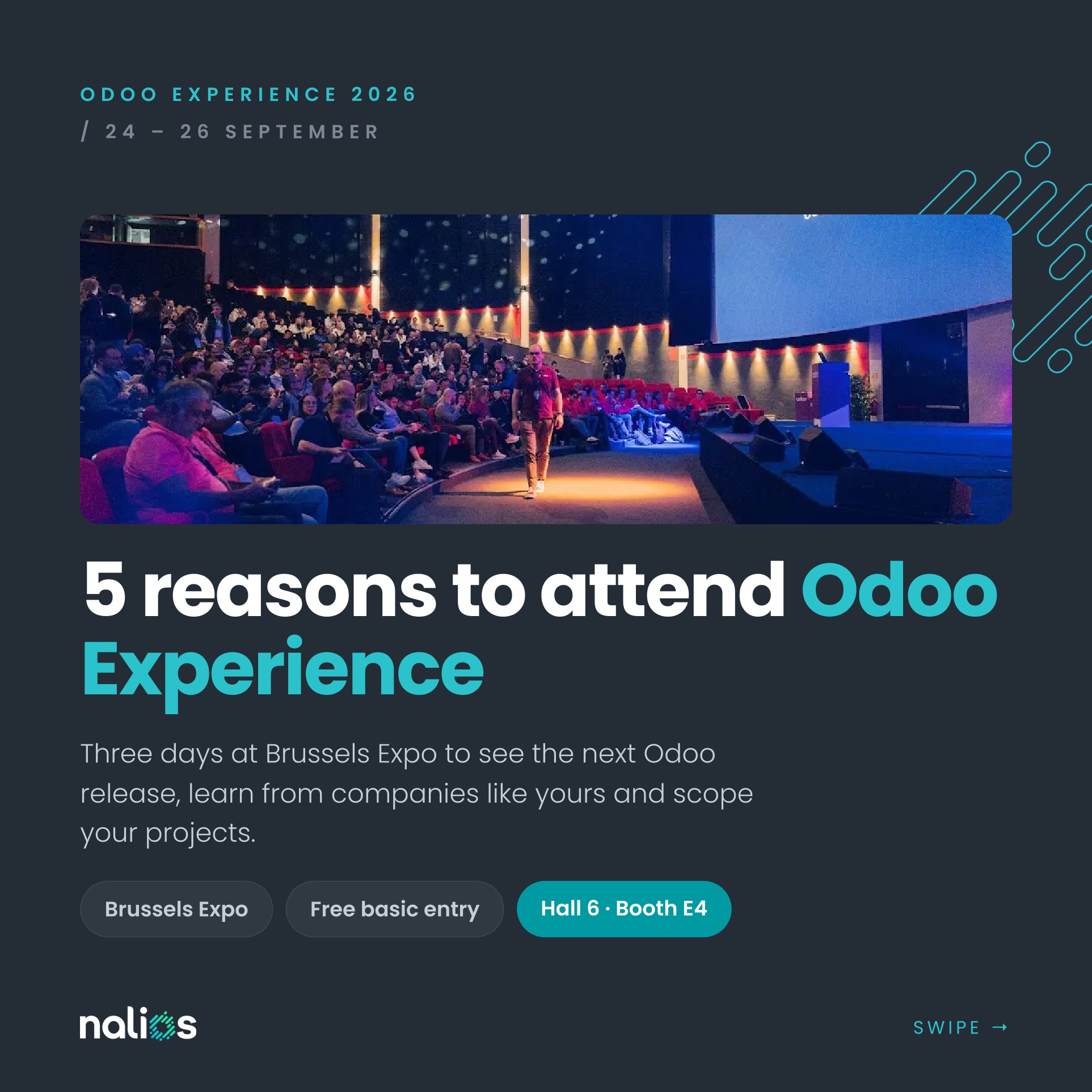
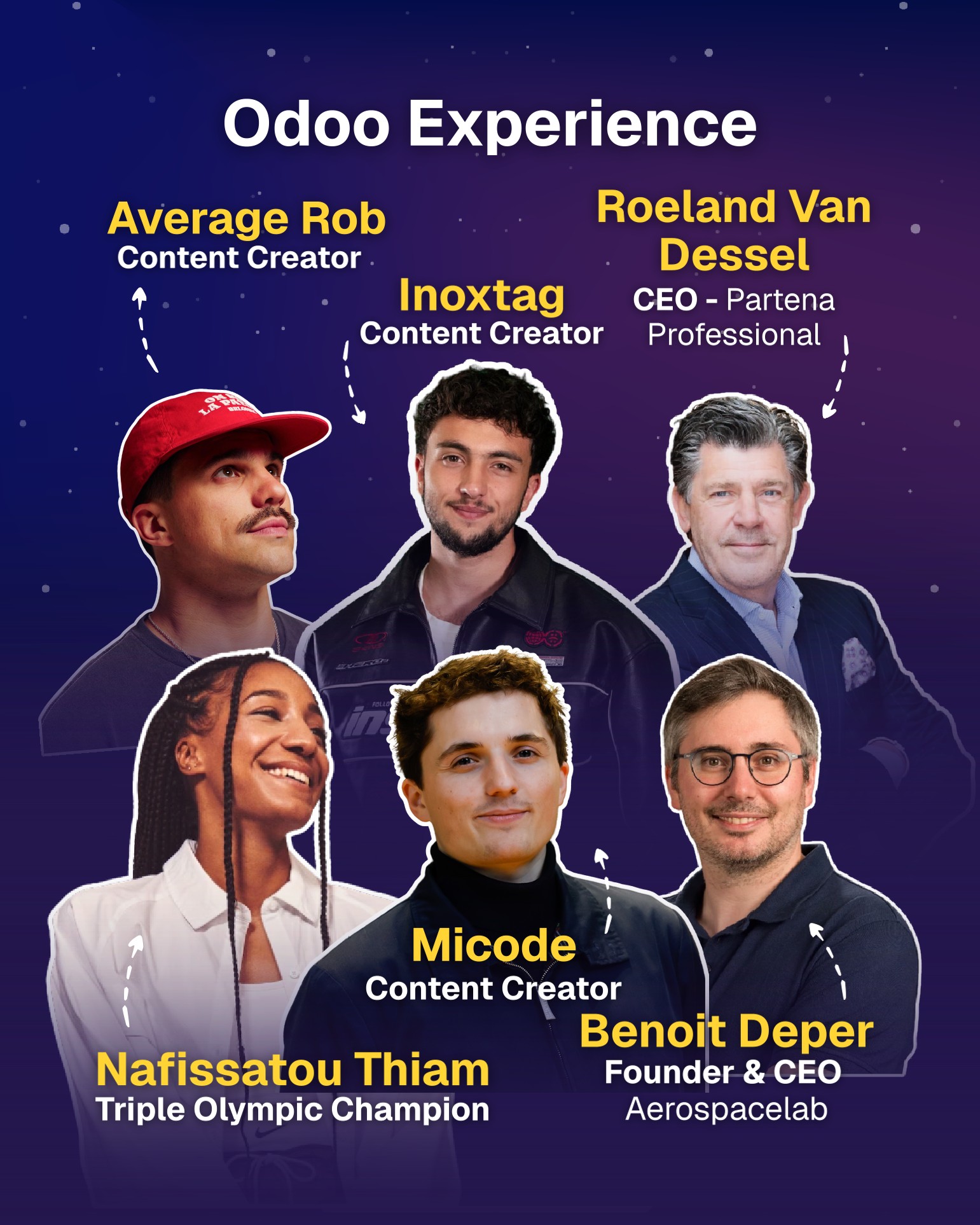
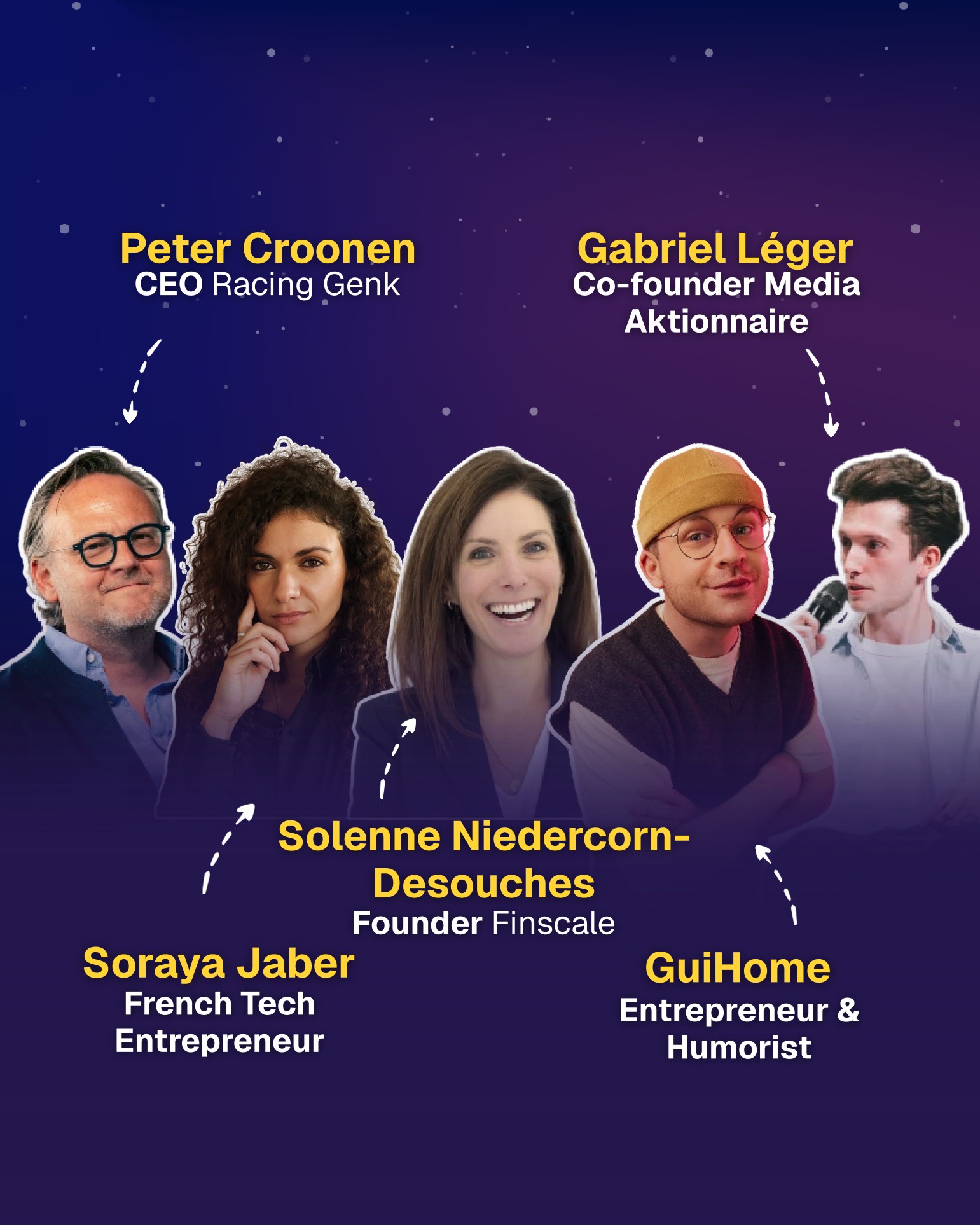
- Discover some of our amazing speakers for #Odoo Experience. Odoo Experience is the biggest IT & Business event in Europe: - Learn from 500 inspiring speakers, - Meet our 750 exhibitors, - Attend workshops, trainings, fireside chats, - Network with the community, - Have fun with 2 mega parties, This massive shows in Brussels starts next week. Free registrations here: https://lnkd.in/exmNRvb
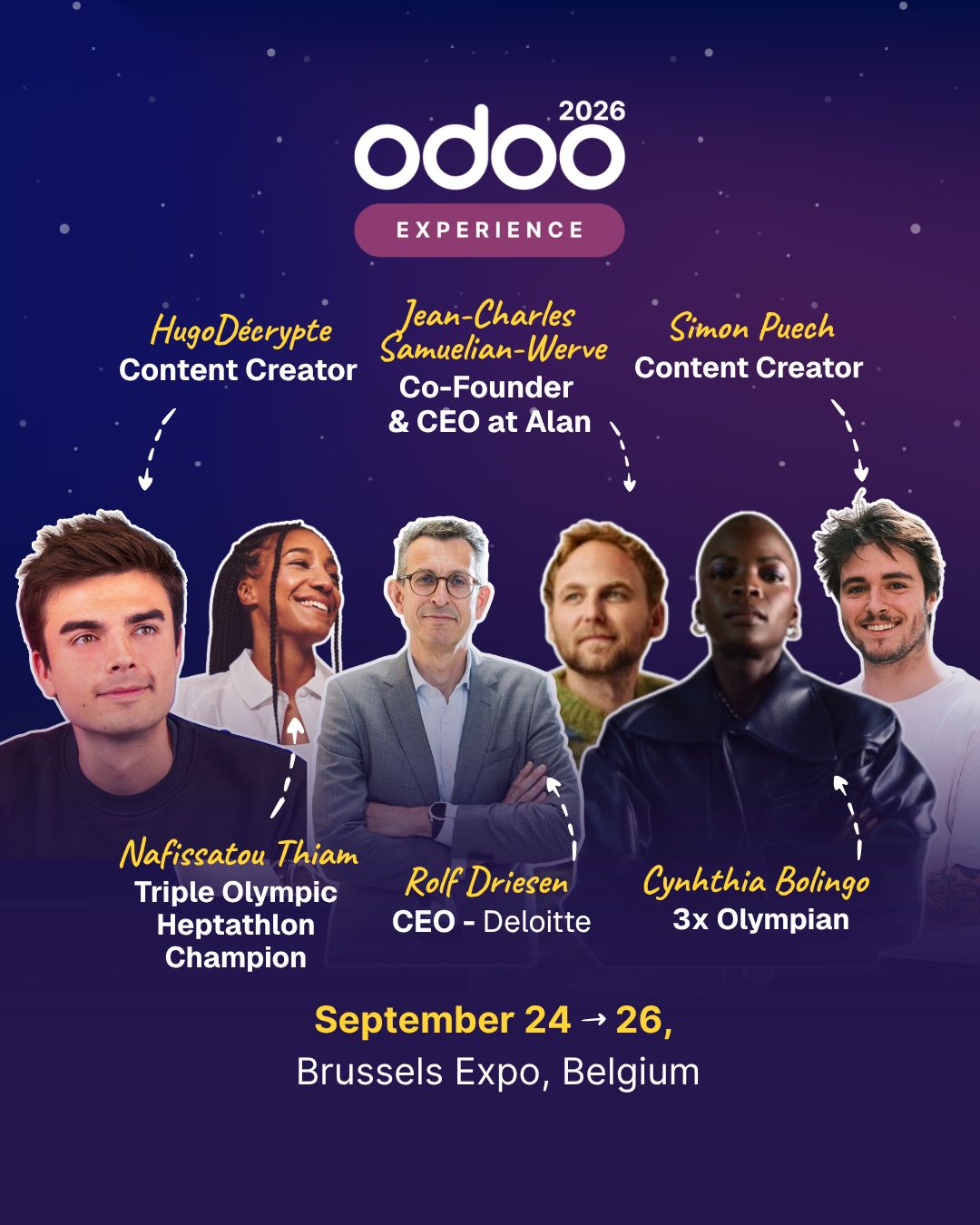
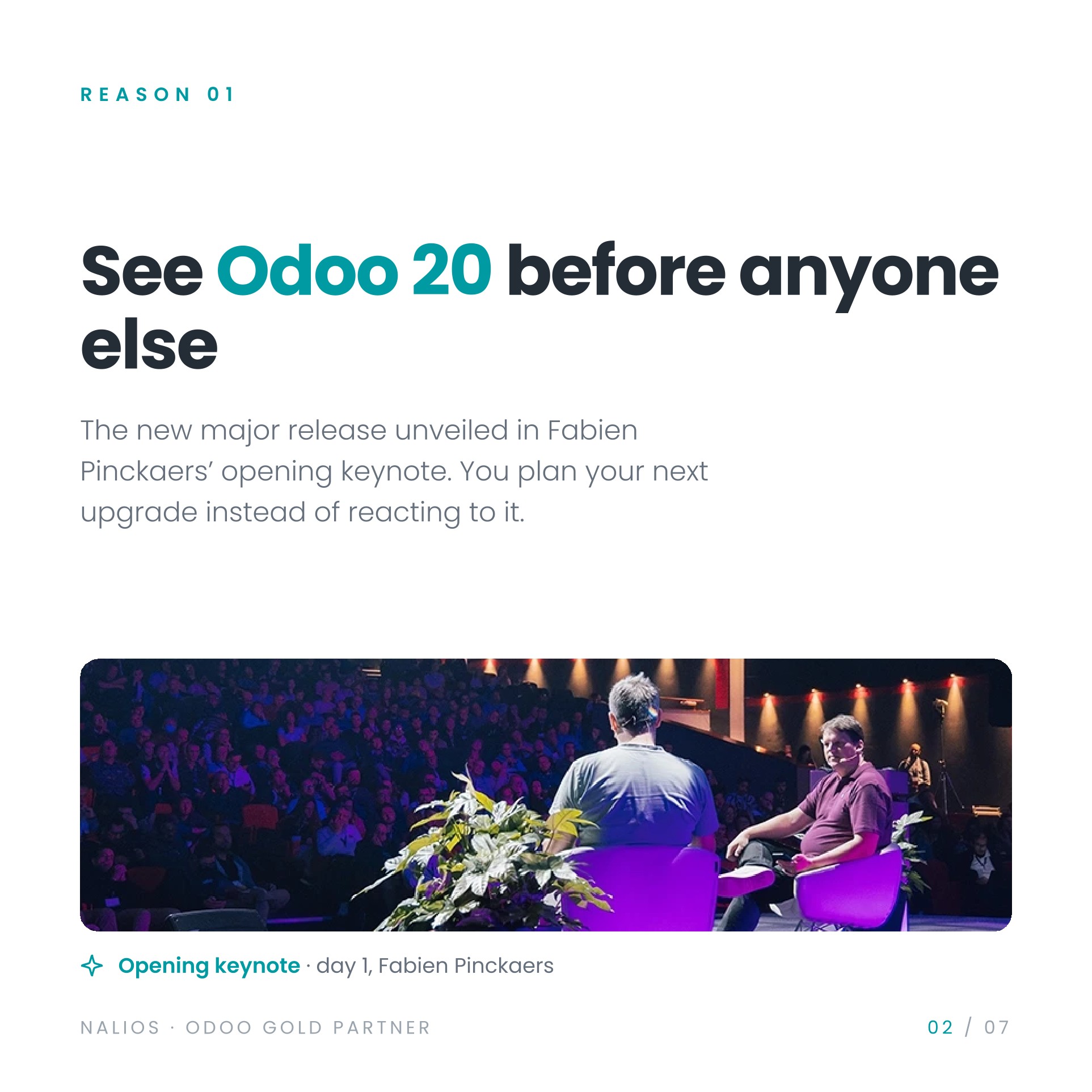
- Every year, one event goes straight to the top of our calendar: Odoo Experience ! 😊 We put together five honest reasons why, and they're in the carousel above. The short version: you see Odoo 20 the moment Fabien Pinckaers unveils it, so your next upgrade becomes something you plan rather than react to. You get months of research compressed into three days, with more than 350 talks and workshops sorted industry by industry. You hear real customer stories from companies that look like yours, not a sales pitch. You scope your own
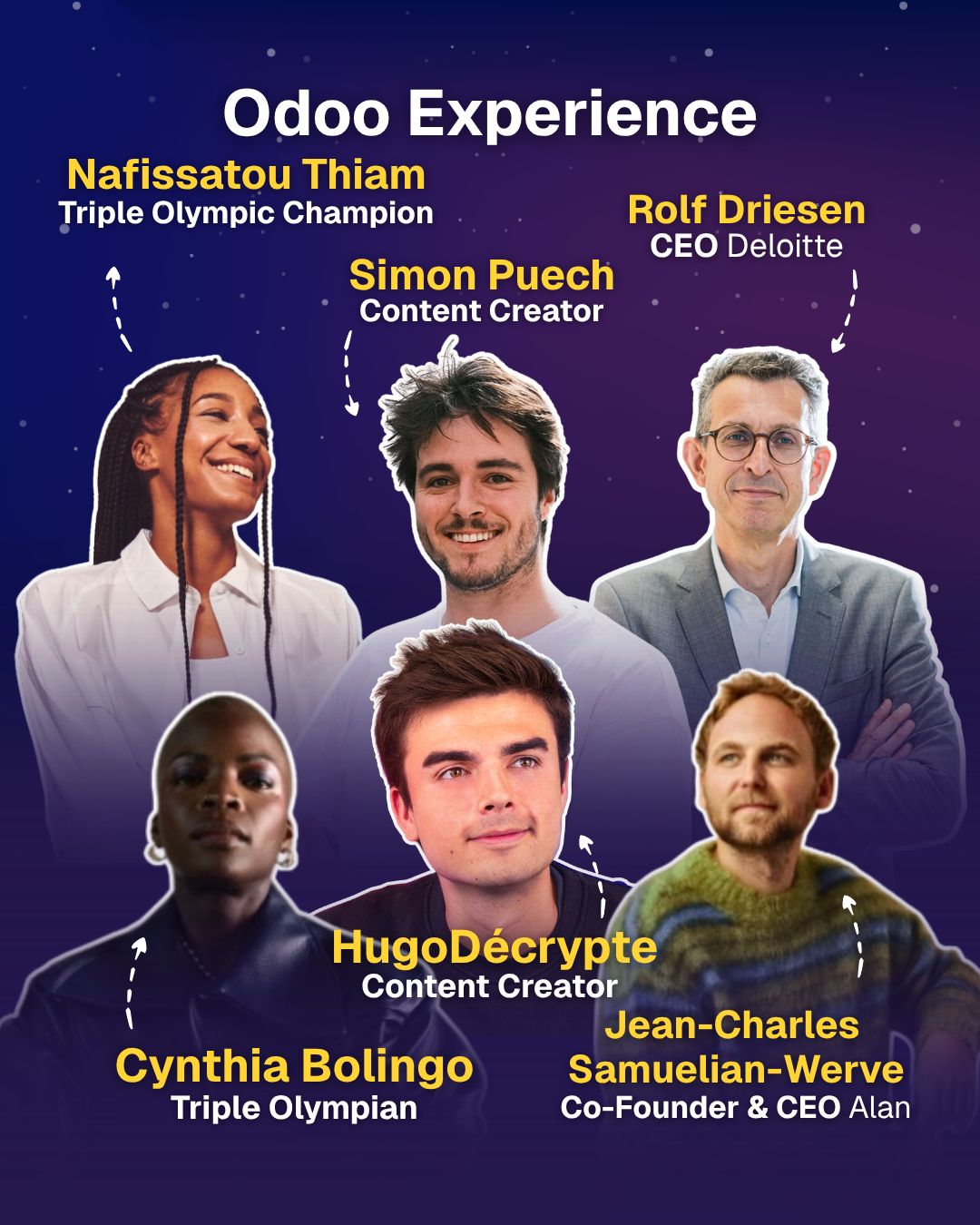
- The list of inpsiring speakers at Odoo Experience continues to grow... Good to see top athletes, content creators and top CEOs in the same events. Want to join us on September 24-26: https://lnkd.in/exmNRvb
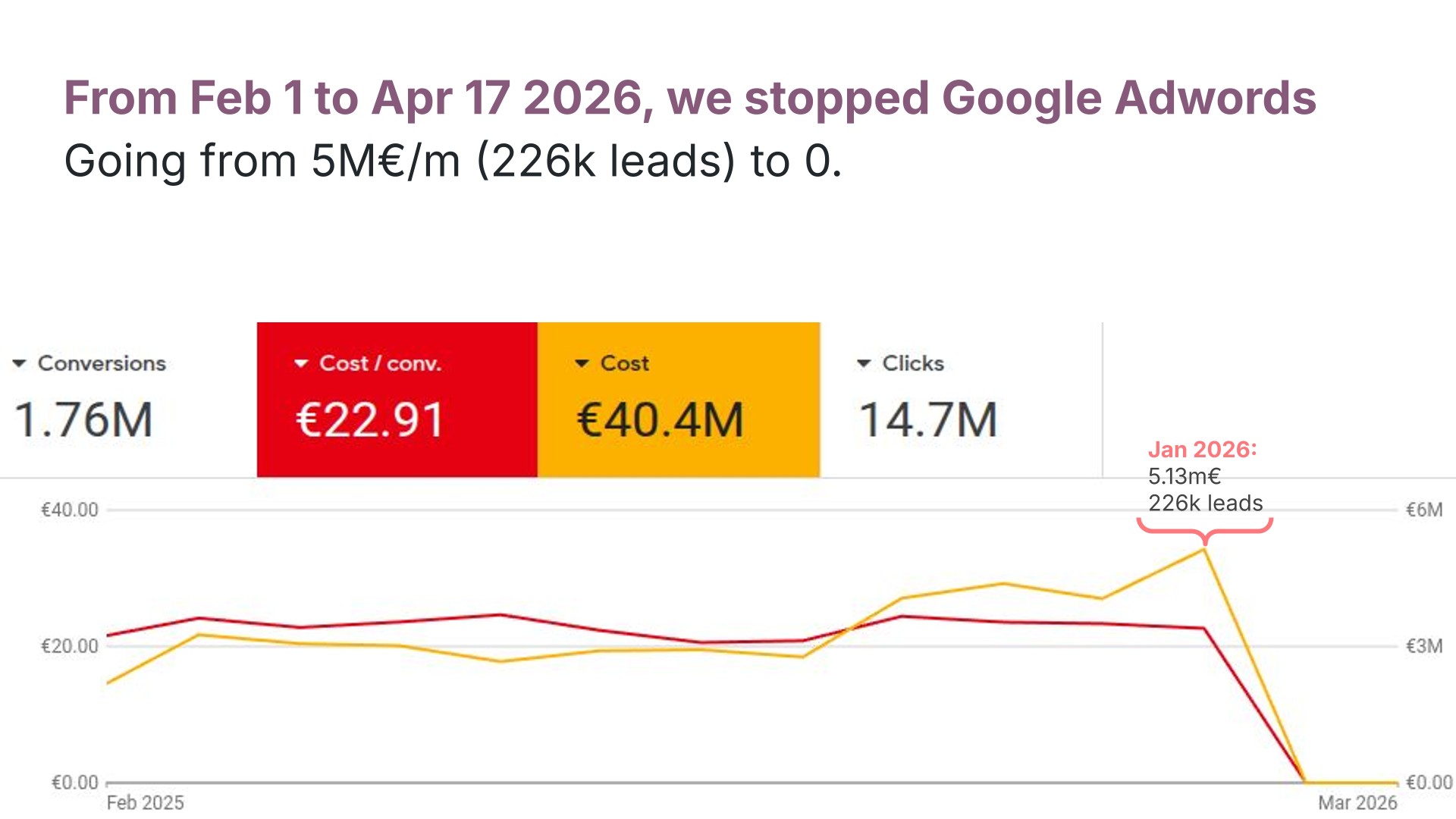
- In Jan 2026, #Odoo was investing 5m€ / month in Google Ads, to generate 226k leads / month. In Feb-March, as an experiement, we stopped everything: 0€. After a few months, here is the aftermath.
- The line-up of #Odoo Experience is just amazing. Discover some of the best speakers in this carrousel. IT's in 2 weeks, in Brussels. Registrations here: https://lnkd.in/exmNRvb
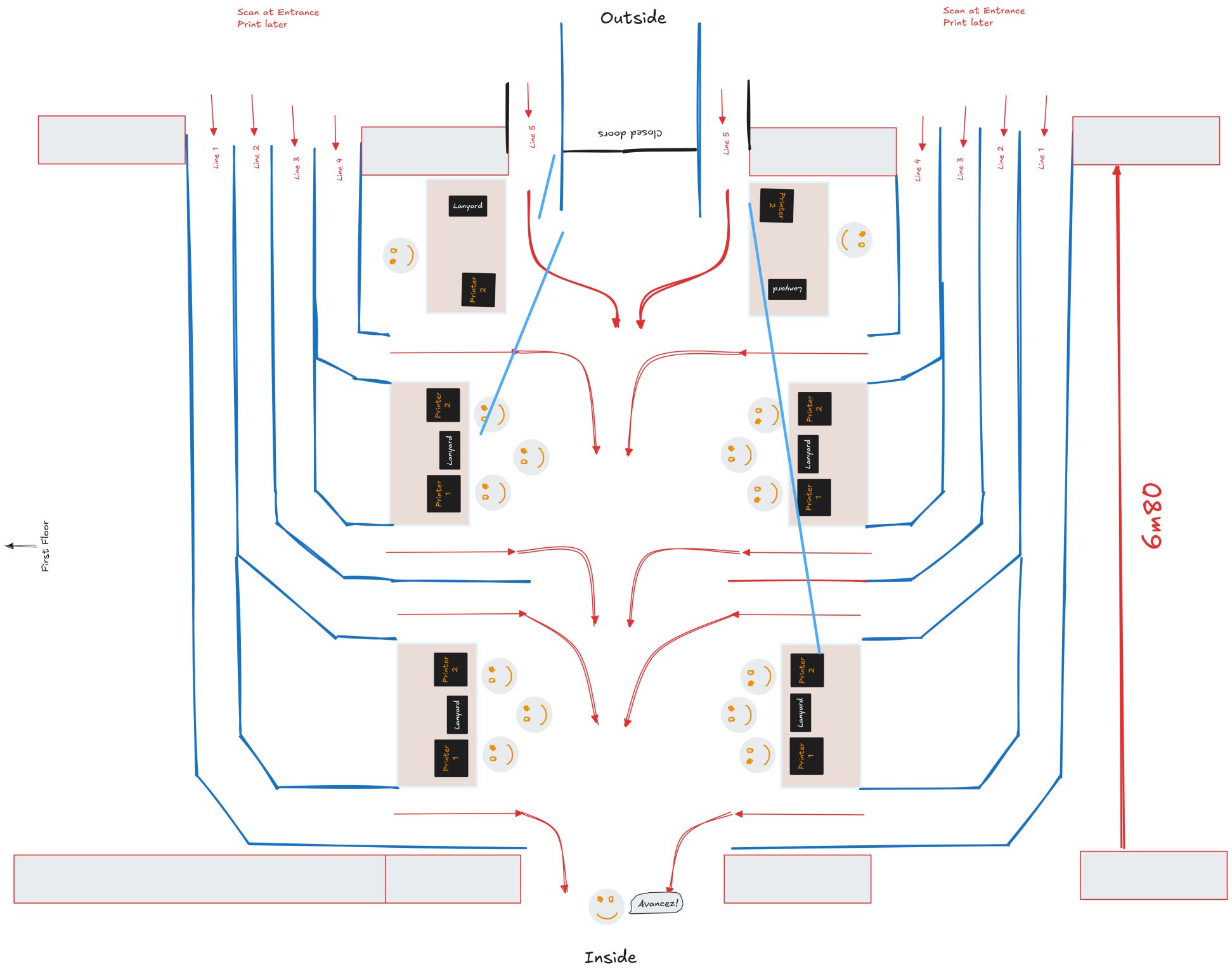
- Odoo Logistic challenge: how to scan 10,000 tickets and print badges in one hour. This year, at Odoo Experience, our target is less than 5 minutes of queue at peak! https://lnkd.in/exmNRvb The tricks: - Split ticket scanning & badge printing: the badge will be ready as you walk 7 meters - A good layout for queues allowing 20 printers (+10 at welcome desks) - Clean signage & QR code to self-register instead of going to Welcome Desk - Increase Opening & Welcome time before keynote + free breakfast - Tweakings on printer (e.g.
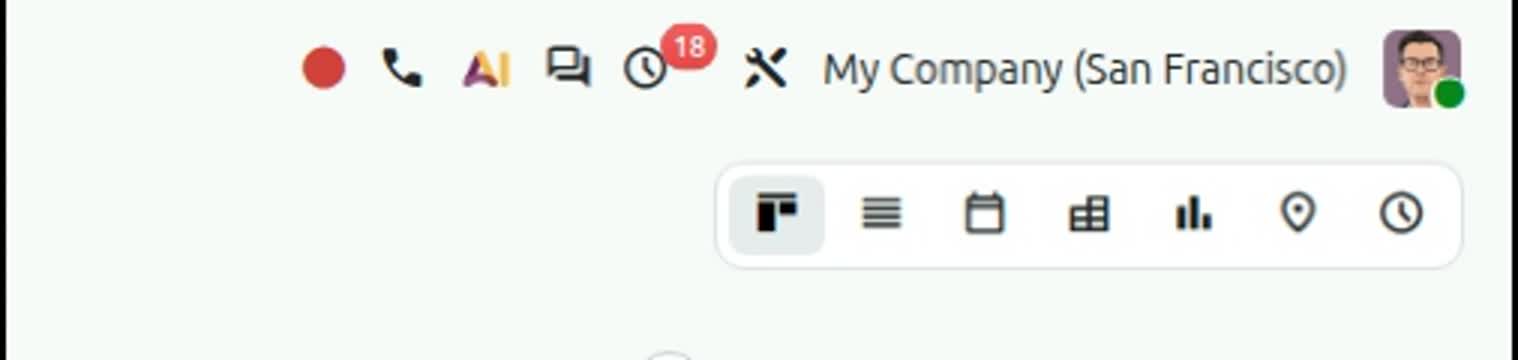
- Odoo 20 Little Details: visual animation of the background that slides as you switch view. Quality is in the details. Those are UX elements that nobody notices but when the whole interface is polished like that, you can feel the difference: it's a pleasure to use. The most difficult part is not to implement the animation. It's to have the view switch in less than 20ms so that everything looks smooth: no loading.
Related profiles
This page shows public professional information only, each fact cited. Is this you? send a correction, or ask for removal within 24 hours, no questions asked.