
Overview
I spent 15 years running Gentis, before succeeding an exit in April 2026 to PE Axcel.
Gentis, a recruitment group I founded and scaled to €60M across four continents. Along the way I learned an uncomfortable truth: agencies don't underperform because recruiters don't work hard enough.
They underperform because their tooling is fragmented. ATS & CRM here, spreadsheets there, scrolling to find jobs, scrolling to find candidates, timesheets somewhere else, invoicing in a fourth system. Margin leaks at every step. So in 2017 we started building Wiggli internally, as the operational infrastructure Gentis actually needed. Today it's the platform I wish I'd had on day one, now available to recruitment agencies, staffing suppliers, executive search firms and consultancies. What Wiggli is: → A recruiter-first ATS/CRM built around deal flow and revenue, with signals helping you which companies to target, which candidates to reach out to. Business protection that makes sure you are on top of backdoors. Millions of candidates enriched and up to date. Pipeline, candidates, clients and placements in one motion. → Full back-office: Terms and conditions, missions, contracts, timesheets and invoicing connected end to end. Contractor delivery without friction. Cash collected faster. → AI-native from the ground up, not bolted on. The Wiggli Orchestrator automates sourcing, opportunity spotting and the admin layer so recruiters spend their hours on candidates and clients, the only two things that generate NFI. The goal is simple: place faster, operate leaner, protect margins. As CEO and CPO, I apply one filter to every feature we ship. It must increase placement velocity, lift recruiter productivity, or accelerate cash collection. If it does none of the three, it doesn't get built. Wiggli is not another sourcing tool or a point solution. It's the operating system for firms that measure what actually matters: revenue per head. NFI per consultant. Built by recruiters for recruiters
Career history

In the news
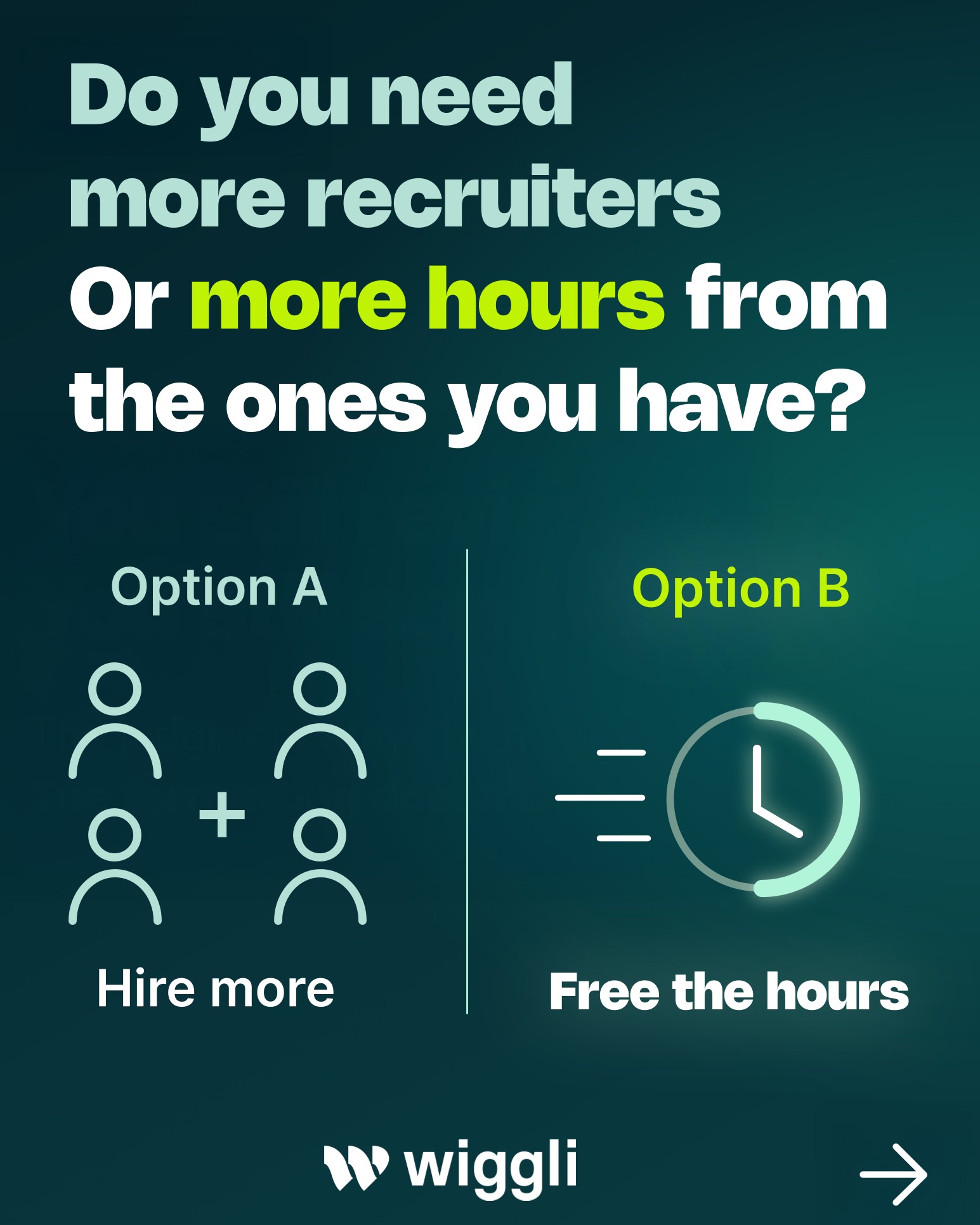
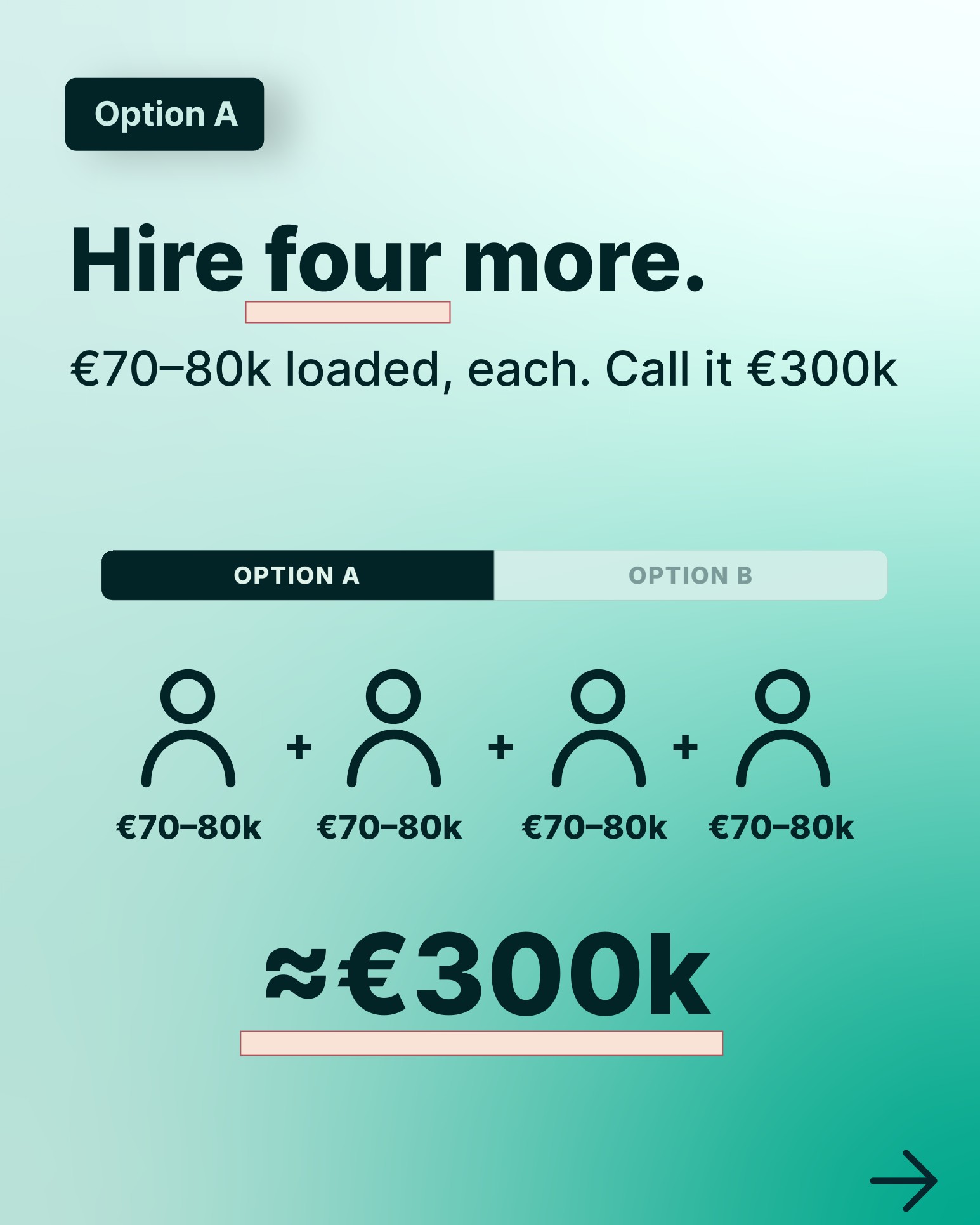
- Before you sign off on that headcount: do you need more recruiters, or more hours from the ones you have? Four more recruiters is roughly €300k loaded - plus onboarding, plus ramp, plus nine months before the fourth one is billing at target. Or: give the six you have four hours a day back. That's 24 hours a day returned to the team you already trained and already trust. Three extra recruiters' worth of hours. Without three extra recruiters. Swipe for the comparison. Save it for the next budget conversation.
- Contract and perm are about to become one business. Most agencies are still built for two. Firms still run them as two separate businesses, that is different teams, different systems, sometimes different P&Ls ... why you ask? Because that's how it's always been done. But underneath, placement is one supply problem. Contract and perm are just two commercial wrappers on the same thing: getting the right person into the right seat. The agencies still treating them as two businesses are about to get undercut by the ones who treat them as

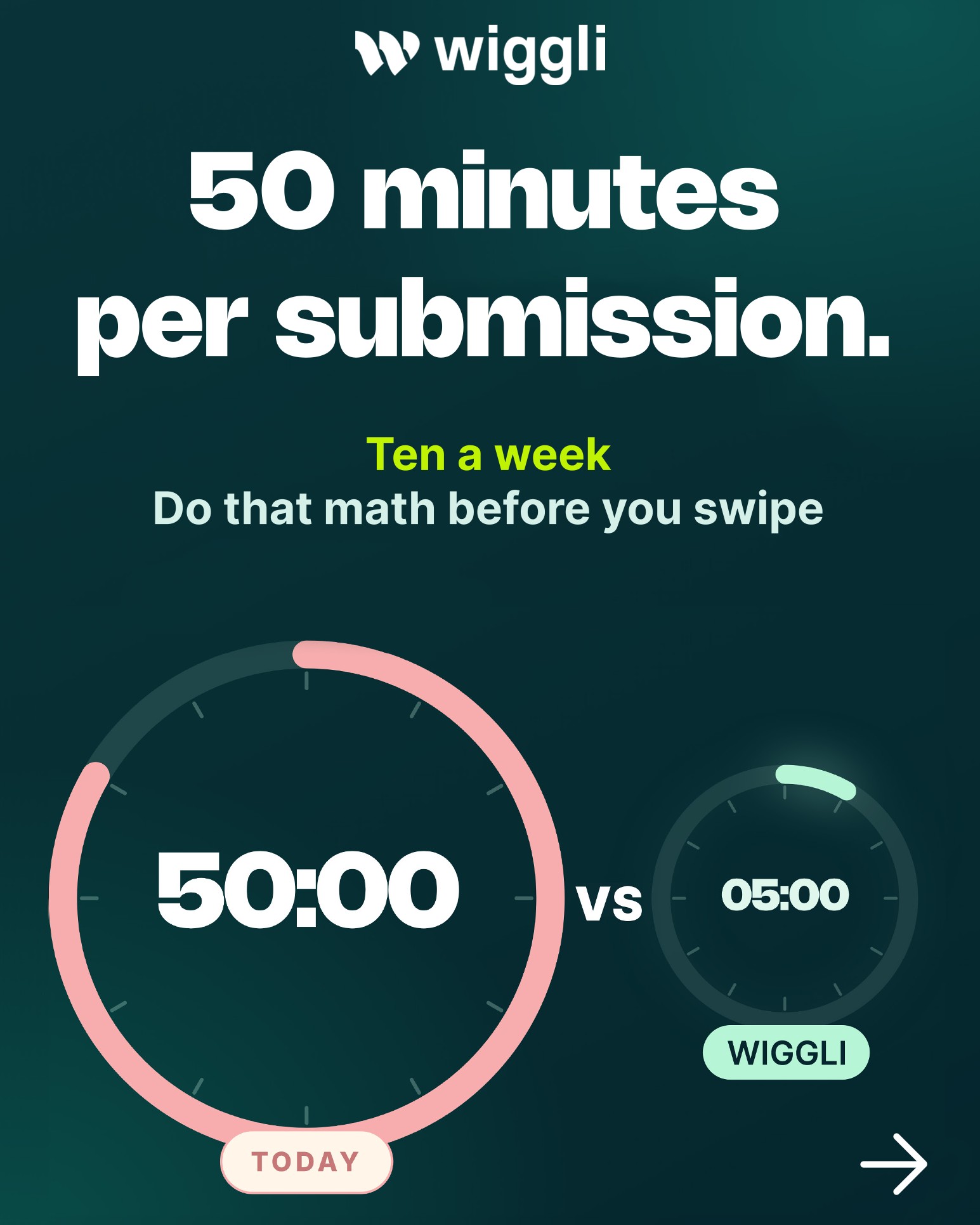
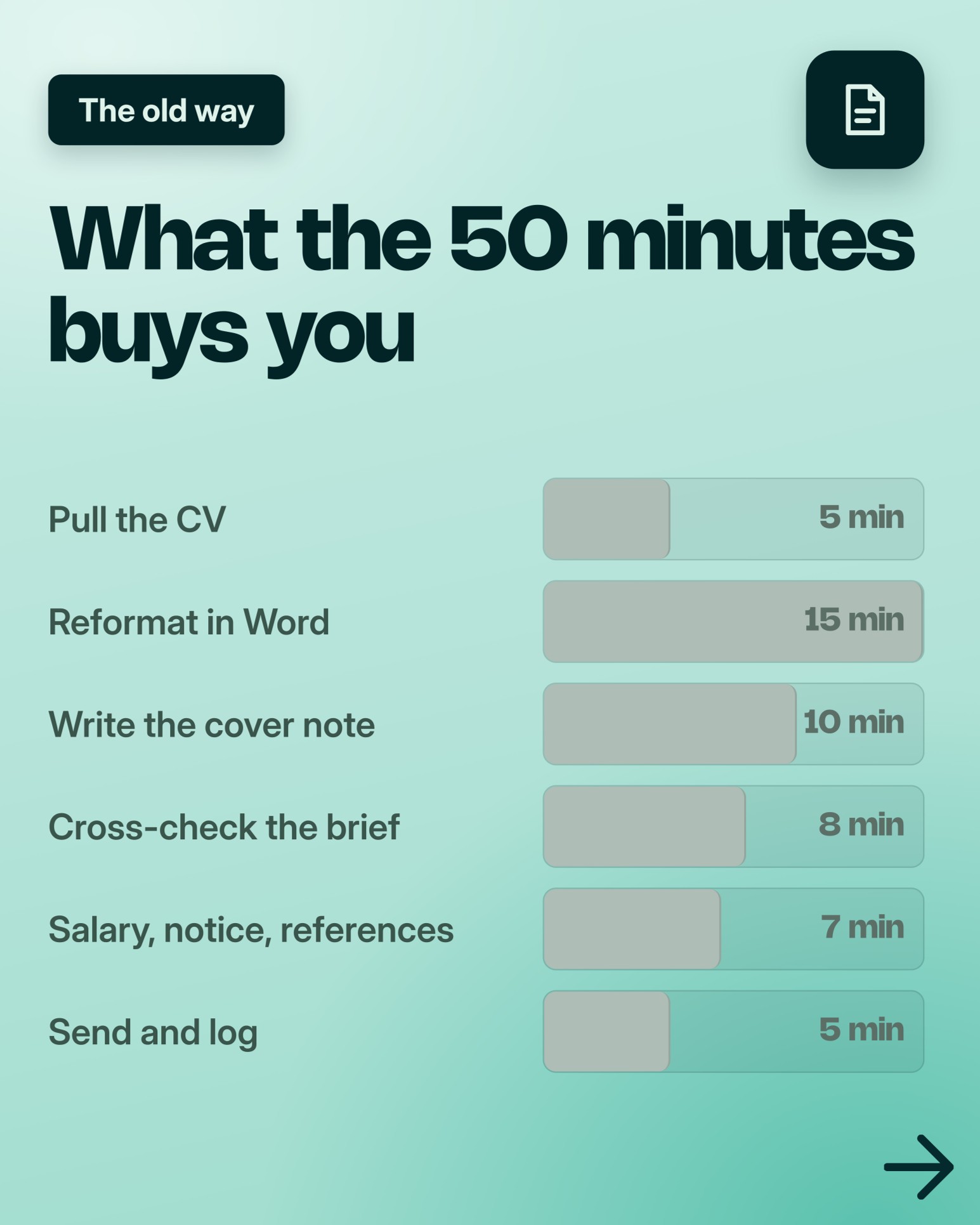
- 50 minutes per candidate submission. Ten submissions a week. Do the maths. That's 8.3 hours - a full working day, every week, spent on formatting. The agent builds the pack in five minutes: client template, cover note, criteria cross-referenced, ready to review. You still review it. You still send it. The judgment stays with you - the formatting doesn't. Swipe for the before and after. Then take the day back. Book a demo → wiggli.io
- Fee erosion doesn’t start when the client asks for a discount. It starts much earlier. It starts when five agencies pull/receive the same brief. Search the same platforms. Contact the same candidates. And send the client five versions of the same proposition. At that point, what is the client supposed to compare? Speed? CV quality? Price? I believe agencies lose pricing power when recruitment becomes interchangeable. The interesting question isn’t: How do we stop clients negotiating fees? It’s: How do we stop competing where price
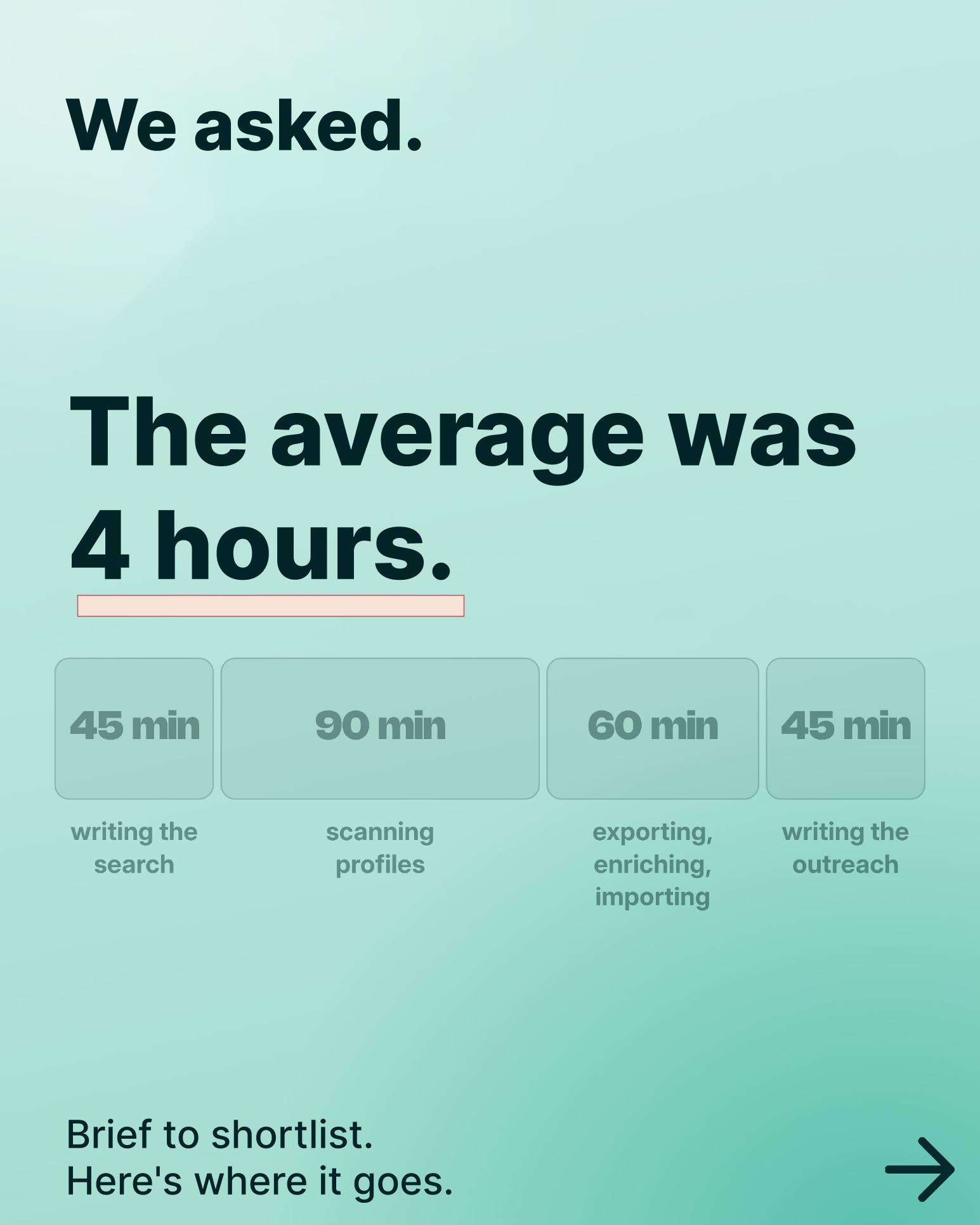
- How long does sourcing one role take you? Answer honestly before you swipe. We asked. The average was four hours, brief to shortlist. 45 minutes writing the search. 90 minutes scanning profiles. 60 minutes exporting, enriching, importing. 45 minutes writing the outreach. Four hours in - and only now do you talk to a human. Or: four minutes. Swipe for the breakdown. Save it, and time yourself on the next one.
- Spending some time this week with London based recruitment agencies founders. If you as well want to talk Wiggli or AI recruitment tech that helps you generate more revenue, coffee is on me 🤩. Just DM 🚀

- An AI screening agent I saw deployed inside a company was quietly ranking male candidates higher than equally qualified women, for the same role. Nobody programmed that in. The model learned it - from historical hiring data that already contained the bias, and then amplified it. That's the uncomfortable truth about "AI recruiting" nobody selling it wants to say out loud: bias doesn't disappear when you automate it. It scales. And it's ongoing, real work: auditing what the model weighs, testing outcomes by group, correcting drift

- Your recruiters lose 5.2 hours a week to interview scheduling. × 50 weeks = 260 hours a year. Per recruiter. That's 6.5 working weeks. Across a ten-person desk it's 2,600 hours - more than a full-time head, doing nothing but booking meetings. Swipe for the maths. Then take the weeks back. See the scheduling agent → wiggli.io
This page shows public professional information only, each fact cited. Is this you? send a correction, or ask for removal within 24 hours, no questions asked.