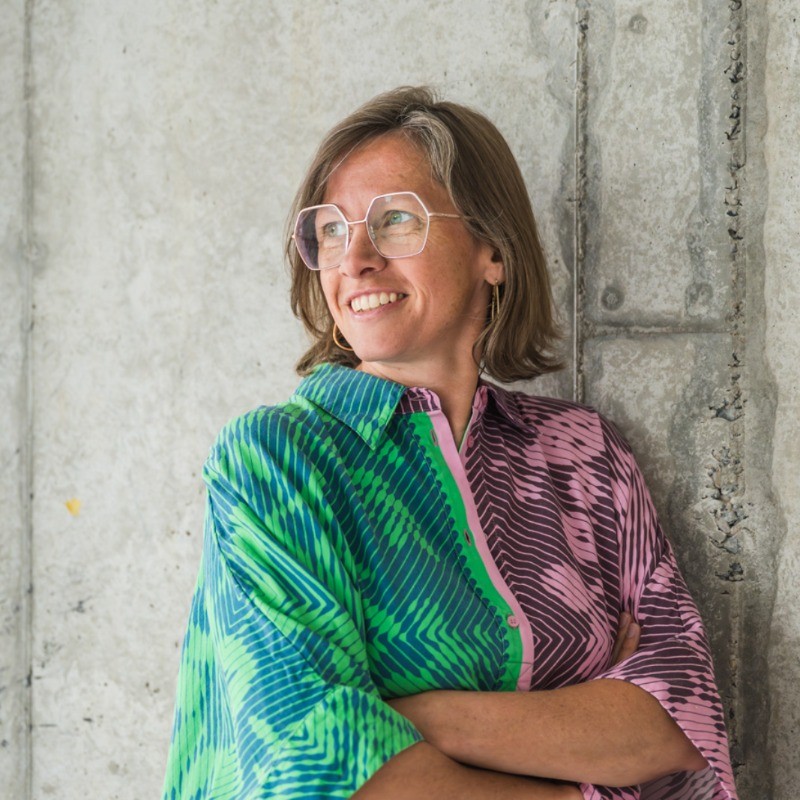
Overview
Hilde leads VOKA Oost-Vlaanderen, the regional business network for East Flanders, and serves as Chair of Wintercircus. Her dual role places her at the intersection of traditional business leadership and the tech startup world in Ghent and Flanders.
As CEO of VOKA OVL, Hilde represents and supports the business community of East Flanders. As Chair of Wintercircus, she provides governance and strategic direction to the campus.
Talks about
- AI & society
- Future of work
- Entrepreneurship
- Belgian politics & economy
- Robotics
- European Tech
- Venture Capital
- Semiconductors & Photonics
- Scaling
Insights & ideas
The through-line
The recurring position is that holding on to what already works is the surest way to lose it. "Proberen te behouden wat er is, brengt je nooit de oplossing voor de toekomst" [1] is stated as the reason for looking twenty-five years ahead rather than defending the present arrangement, and the same instinct runs through everything else: a region that was once the poorest province of Belgium became one of Europe's most competitive by changing, not by conserving [1]. The historical lesson is used as a working method, asking what produced the turnaround and what that implies for the next twenty-five years [1].
Set against that is a sharp and consistent anxiety about the speed of Belgian government relative to the speed of the technology. The verdict is blunt: "Ik denk dat we in Vlaanderen en in België wel over alarmeren moeten spreken" [8]. The two halves fit together. The optimism about what a region can become is conditional on institutions that can keep up, and the evidence offered is that they currently cannot.
On how far behind Belgian policymakers are
The signature anecdote is that Prime Minister Bart De Wever, on his visit to the Wintercircus, had never heard of agentic AI: "AI, dat ontgaat mij" [8][9]. This is not told as a joke about one person but as the clearest available illustration of how little the top of Belgian policymaking understands the technology it is expected to regulate [8][9]. The conclusion drawn from it is that the appropriate register is alarm rather than concern [8].
The institutional fix put on the table is a Dutch-style figure: the Netherlands has a special envoy, Prince Constantijn, who sets tech strategy across party lines, and Voka proposed a comparable envoy or an AI minister to De Wever [9]. The awkwardness of that proposal is acknowledged rather than hidden, because Constantijn himself argued that needing such a role is a sign your government has already failed on technology [8][9].
On regulation as the thing that decides who gets to build
The practical cost of slow policy is described in concrete terms. Self-driving vehicles such as Waymo simply cannot operate in Belgium because there is no regulatory framework for them [8]. The proposed way forward is to create places where the rules can be tested rather than waiting for a complete framework, using ports as experimentation zones for autonomous trucks and logistics [8]. The same logic of clearing space appears in the applause for the Flemish government's decision to invest in the "zuidelijke mozaïek", where the reality is that more than 15,000 jobs are coming in the years ahead and anyone serious about that future has to act accordingly [7].
On the future of health and how it gets paid for
Proprietary health data is expected to shift healthcare from reactive to preventive, which would lower social security costs [9]. The point is not left as a happy prediction: the financing model has to be fundamentally rethought for that shift to work [9]. Health also sits first in the strategic frame for the region, HITT.2050, standing for Health, Industry, Technology Tomorrow [1].
On building a regional strategy out of regional history
The approach to Ghent and East Flanders starts with economics rather than ambition statements, opening with a short economic history of the region as the foundation for the HITT.2050 strategy and only then moving to eight conversations about the future [1]. The province is described as one of the most competitive regions in Europe today, with the reminder that in the 1950s it was the poorest in Belgium [1]. The people brought into that conversation span technology, business, healthcare, academia and beyond [1], which is consistent with a strategy that refuses to be a single-sector plan.
On looking outward for the benchmark
Comparison is deliberately set high. Paris is presented as the strongest tech and innovation ecosystem in Europe and number four worldwide after the Bay Area, New York and Boston, with Ghent named in the same breath, half in jest [5]. The visits chosen are the operating examples rather than the institutions: Mistral, Alan, Founders Future, XAnge and STATION F [5]. The same preference for concrete practitioners shows in the choice of speakers from the DeepTech, Quantum and InsurTech worlds, drawn from Xenics an Exosens Brand, Pasqal and Alan [5].
On entrepreneurs up close
There is a persistent interest in founders as people, and in where their drive comes from. Julie Dumoulin is described as a cheerful but determined entrepreneur working across both tech and construction, moving fast enough that Spotable has already outgrown its office in the Wintercircus Ghent, with hard work instilled from childhood on the farm alongside her twin brothers and an ambition to match [4]. The same attention goes to the personal side of a business legacy in the conversation with Marie Jeanne Huysman about Willy Naessens, described as the figurehead of hard work and entrepreneurship [6]. Going out to the companies and the towns is part of the method, including in Dendermonde [3].
On giving founders financial grip
Alongside strategy and policy sits an unglamorous insistence on the basics of running a company. The StartUp Sprint is built around sharpening financial insight and financial decision-making across three sessions [2]: reading your own numbers, covering financial health and growth, KPIs, AI as a smart financial colleague and pricing strategy; then a financial action plan with objectives, cashflow planning and financing options; and finally getting more out of your income as a self-employed founder [2].
Takeaways
- Treat conservation as a losing strategy: "Proberen te behouden wat er is, brengt je nooit de oplossing voor de toekomst" [1].
- The correct word for Belgium's position on technology is alarm, not concern [8]; the evidence is a prime minister who had never heard of agentic AI and said "AI, dat ontgaat mij" [8][9].
- Where a full regulatory framework is missing, create experimentation zones instead of waiting; ports are the obvious candidate for autonomous trucks and logistics [8].
- A tech envoy or AI minister on the Dutch model is worth proposing, while accepting the counterargument that needing one means the government has already failed [9].
- Preventive healthcare built on proprietary health data can lower social security costs, but only if the financing model is rethought from the ground up [9].
- Build regional strategy on regional economic history; East Flanders went from poorest province in Belgium in the 1950s to one of Europe's most competitive regions [1].
- Benchmark against Paris, the strongest tech ecosystem in Europe and fourth worldwide after the Bay Area, New York and Boston [5].
- Financial literacy is a growth tool: numbers, KPIs, pricing, cashflow planning and financing options belong in the founder's own hands [2].
Media & appearances
- Geert Moerman en Hilde Schuddinck in gesprek over co-ceo-schap · Voka Oost-Vlaanderen: # Summary of Hilde Schuddinck's discussion: Hilde Schuddinck discusses the transition to a co-CEO model at VOKA Oost-Vlaanderen, where she and Geert Moerman now jointly lead the organization. She participates in a game where they answer questions about their complementary roles and personalities, revealing divisions of labor such as Moerman handling strictness and budgets while they share social functions like opening the dance floor.
In the news
- Bedankt voor de jarenlange sterke samenwerking. We kijken uit naar de toekomst. Anne-Line Servaes Dieter Hillaert Karel Vercruysse
- Sommige ondernemersverhalen tonen perfect wat er mogelijk wordt wanneer wetenschap, ondernemerschap, talent en ambitie elkaar vinden. argenx is zo’n verhaal: gespecialiseerd in antilichaamtherapieën tegen auto-immuunziekten en uitgegroeid tot “het meest waardevolle biotechbedrijf van Europa”. Maar hoe bouw je vanuit onze regio zo’n wereldspeler? Welke keuzes maak je onderweg? Hoe schaal je ambitie? En hoe blijf je vooruitkijken wanneer je bedrijf internationaal doorbreekt? Op 7 oktober horen we het van Tim Van Hauwermeiren op
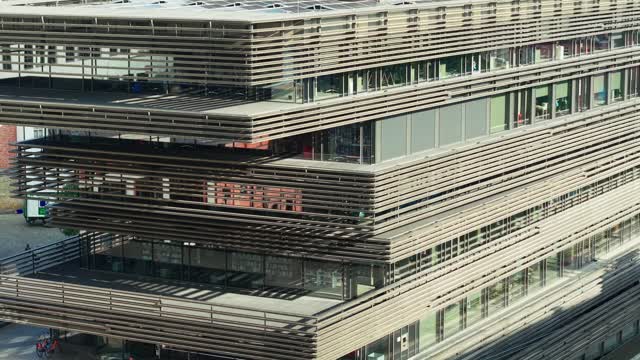
- Stad Gent als technologiehoofdstad van Europa met Wintercircus Ghent als kloppend hart is een evolutie om trots op te zijn. Maar hoe moet onze stad evolueren om de impact van groeiende techbedrijven en innovatie te omarmen op vlak van vastgoed, bouw en ruimtelijke ontwikkeling? Op 30 september ga ik daarover in gesprek tijdens het Vastgoedevent Gent met Jeroen Lemaire Mark Andries Guy Eeckhout Egbert Lachaert Laat je verder inspireren door de keynotes van Jeroen Vanden Berghe over de toekomst van Ghent University en Liz Bamber die
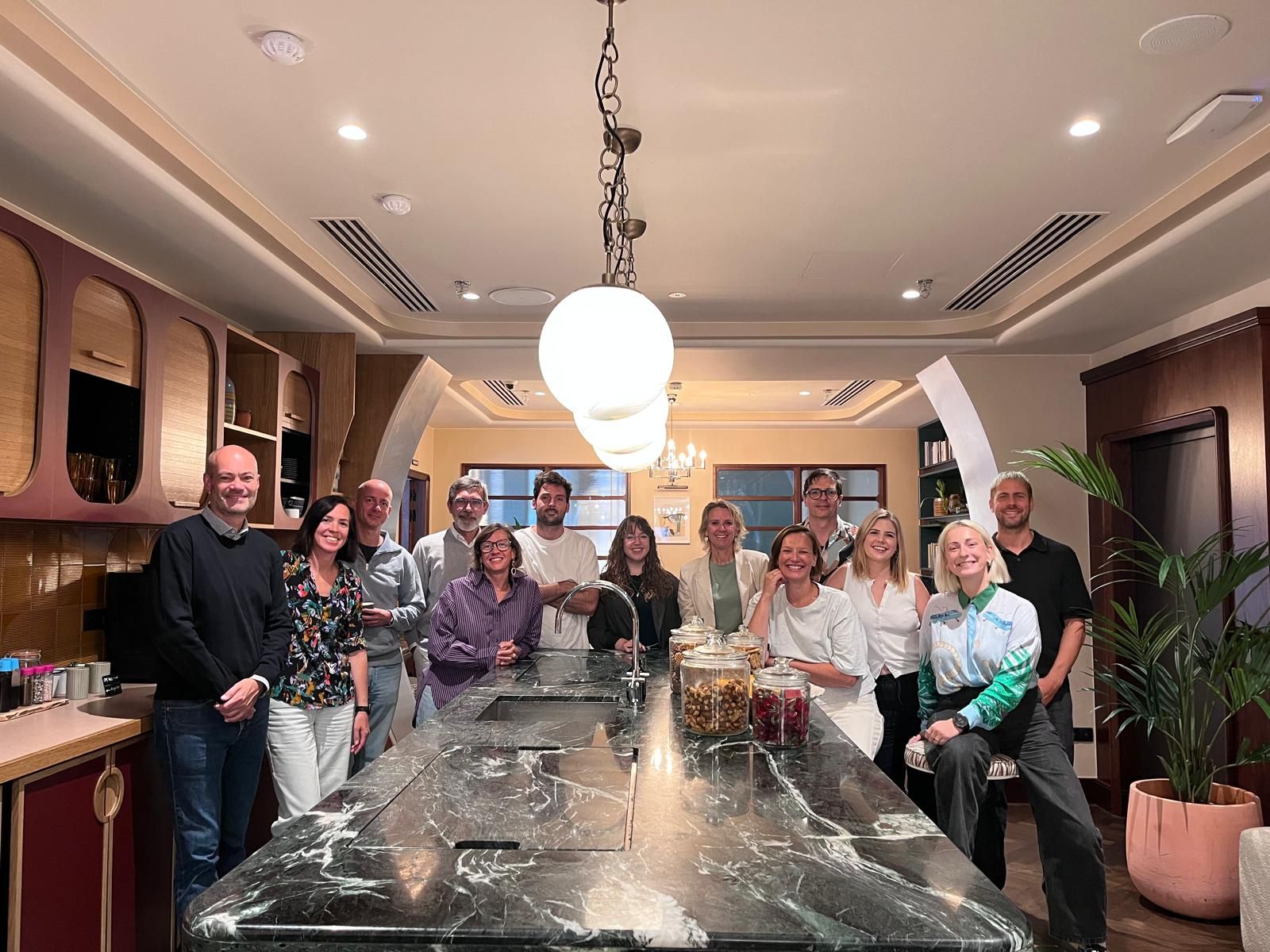
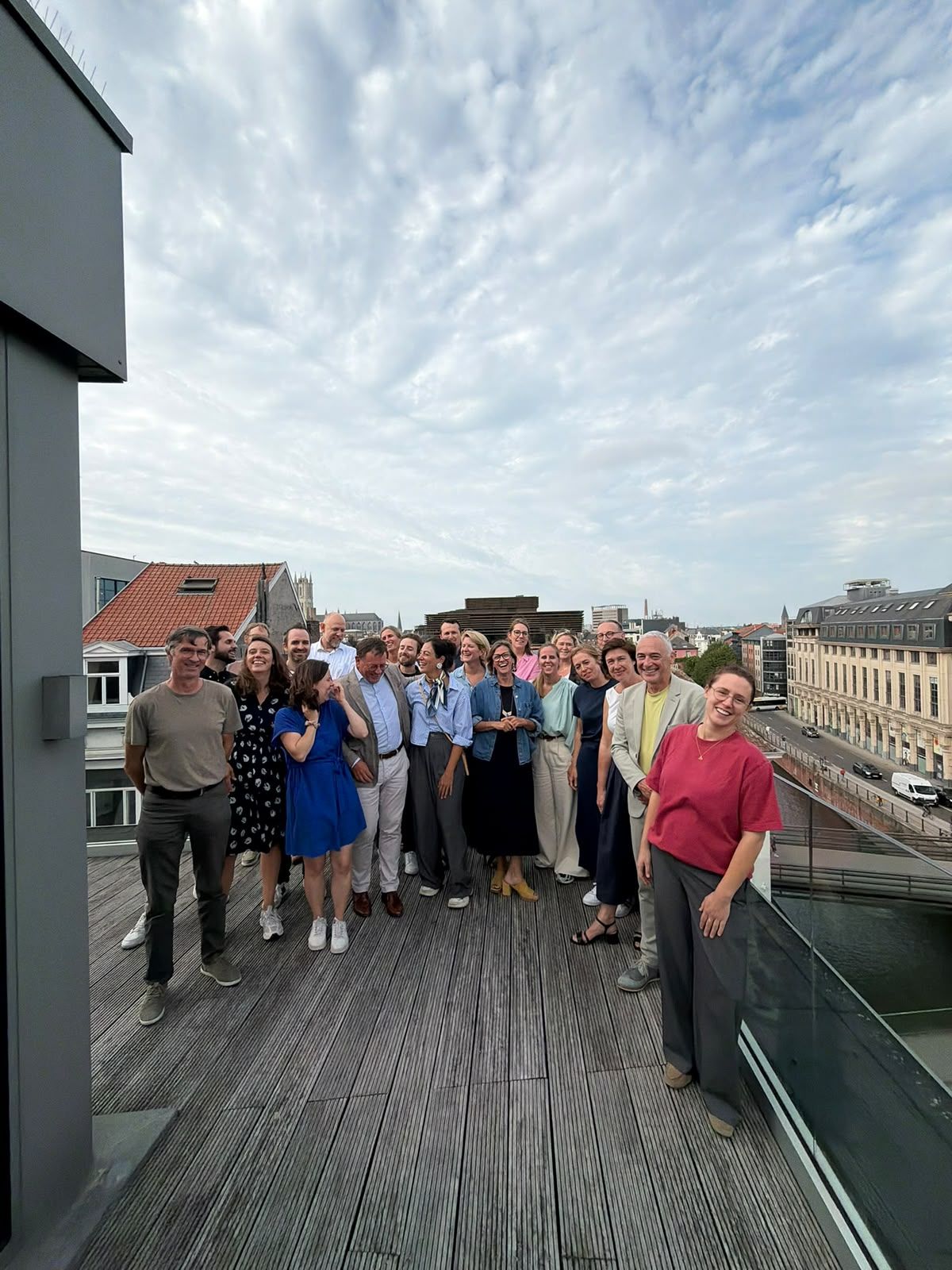
- Last week, Wintercircus Ghent's board and leadership team discussed the future of Europe's most buzzing tech hub in a 2-day offsite. If you had been a fly on the wall, you would not have noticed any hierarchy or politics in our discussions, only the most passionate and dedicated people showing up for something that's much bigger than all of us. Startup mentality. I'm grateful to have been involved with the Wintercircus since 2018, when the building was still part ruins, part construction site. As a member of the board, I'm baffled at
- Tim Vandecasteele en ik kennen elkaar al sinds 2011. Hij was een van 'mijn' eerste Bryo's en ik kon hem vrij snel koppelen aan Joris Van Der Gucht. In die match bleek magie te zitten, want Silverfin groeide pijlsnel. Samen werden ze ook 'Legende Voka Oost-Vlaanderen' eind 2023. Na de verkoop van Silverfin, smeet hij zich op andere projecten maar Campus Rommelaere nieuw leven inblazen is sowieso een bijzonder parcours. Ideale plek dus om nog eens bij te praten over het leven, ondernemen en zijn kijk daarop.
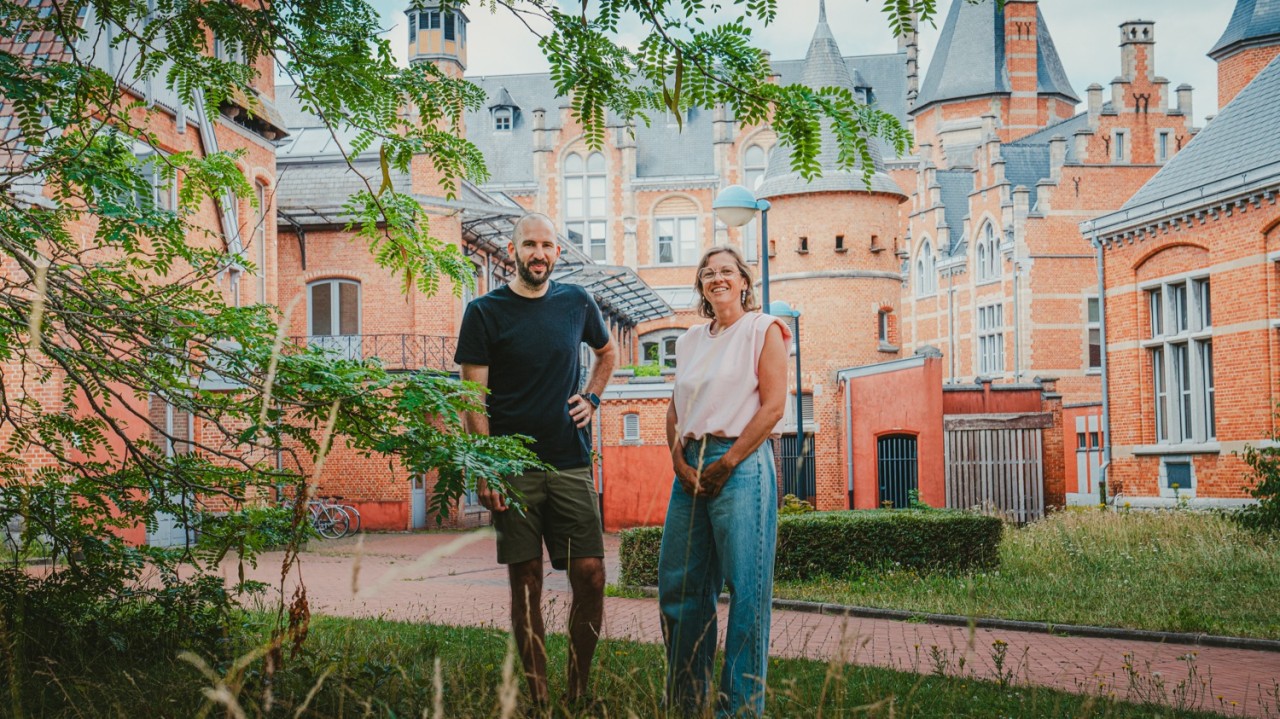
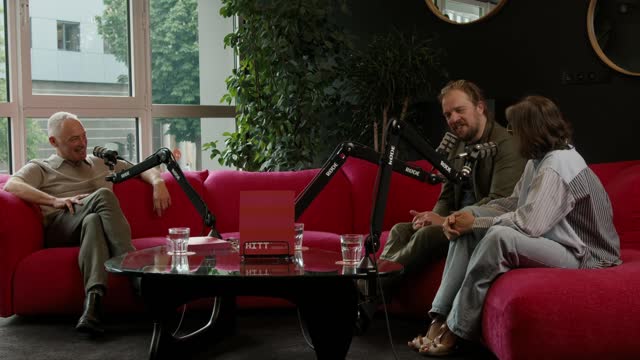
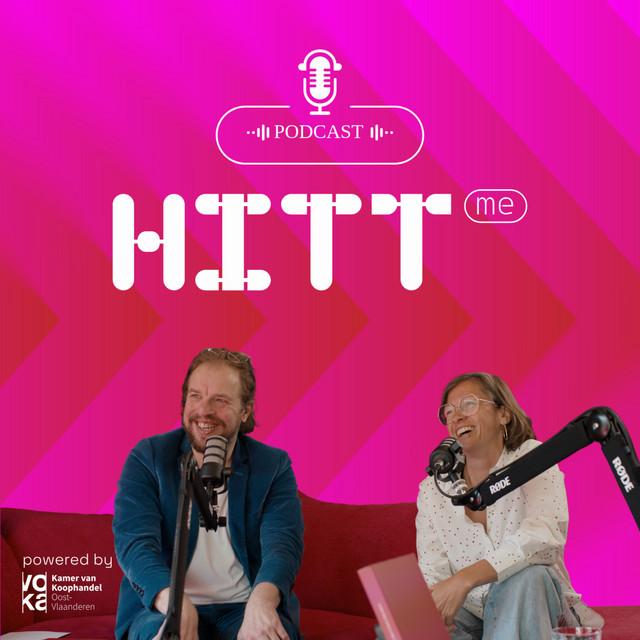
- Proberen te behouden wat er is, brengt je nooit de oplossing voor de toekomst. Daarom een gloednieuwe podcast waar we in 8 afleveringen de toekomst bekijken voor Gent & Oost-Vlaanderen: HITT ME met Jan Jaap en Hilde. Oost-Vlaanderen is vandaag een van de meest competitieve regio’s van Europa. Maar dat was niet altijd zo. In de jaren vijftig was onze provincie zelfs de armste van België. Wat zorgde voor de ommekeer? En vooral: wat kunnen we daaruit leren voor de komende 25 jaar? Geert Moerman trapt af met een korte economische
- Last call voor onze StartUp Sprint 👉 Scherp jouw financieel inzicht & financiële besluitvorming aan Op 30 juni en 8 juli ontwikkel je gedurende drie sessies meer financiële grip op je startup. Wat mag je verwachten? Sessie 1 - Financieel inzicht in je cijfers: financiële gezondheid en groei, KPI's, AI als slimme financiële collega en prijsstrategie Sessie 2 - Financieel actieplan: doelstellingen, cashflowplanning en financieringsmogelijkeden Sessie 3 - Haal meer uit je zelfstandige inkomen. Inschrijven kan nog tot en met
- Welkom in Dendermonde - Give it a TRY
Related profiles
This page shows public professional information only, each fact cited. Is this you? send a correction, or ask for removal within 24 hours, no questions asked.