Overview
Ben Deconinck interviews Jasper Dockx, founder of Antwerp social-first agency Twaalfde Man, two years after his first appearance. Jasper describes how choosing a target-audience niche (young people via social media) instead of a sector niche unlocked rapid growth, landing Hubo, Burger King, Duvel Moortgat and Bednet, and how a self-funded market study of 2,000 Belgian youngsters plus a weekly no-sales newsletter turned prospects into inbound fans (9 of 10 sales meetings are inbound). He argues the classic marketing funnel is dead, that 6 in 10 young people search TikTok before Google, and that authentic UGC and platform-native content beat polished ads. He also opens up about agency economics (billability, ~20% margins, pricing on value), AI tooling, and a brutally honest account of losing two employees, cancelling his holiday and working 7 days a week through the loneliest period of his career.
Talks about
Insights & ideas
The through-line
Everything Jasper Dockx says circles back to a single reversal of the usual marketing posture: a brand does not get to dictate terms to a young audience, it has to ask for entry. "Je moet als merk niet zeggen gij moet dit en dit doen. Vraagt als merk: ja, mag ik op uw feestje komen en wat moet ik aan hebben?" [18]. The wall he describes between brands and Gen Z has one word written on it, "I don't care" [19], and the only way through it is to be genuinely inside the community rather than watching it: "Je moet gewoon in die community staan, je moet er niet naar kijken, je moet erin staan" [19]. That logic scales up from content into how he runs the business itself. Twaalfde Man does no direct selling at all, gives away its expensive research and its knowledge, and lets positioning do the work: "Wij doen nul sales, nooit" [18].
The second, quieter through-line is a refusal to let the polished version stand in for the real one. He tries to post the hard moments alongside the wins rather than only finished, presentable content [16], he argues that reaching a goal delivers almost nothing ("Succes behalen maakt je niet gelukkig") and that what lasts is who you worked with and what you learned on the way [5], and he is blunt that the entrepreneurial reality includes stretches that are "super eenzaam" [18]. The same instinct shows up in the work he commissions: a series for Securex deliberately about newly started self-employed people with "veel onzekerheid, nog meer vragen en een bang hartje" instead of the big names, because that is what he considers real entrepreneurship [1].
On Gen Z as fans, not customers
The framing he returns to most is that the customer relationship as marketers understand it does not exist for this generation. "Gen Z is geen klant van een merk. Als je aan een Gen Z'er vraagt waar zij gij klant, zou je zeggen: huh, klant? Als je aan Gen Z vraagt van welk merk zij gij fan, dan beginnen die" [19]. Connection is what converts customers into fans, and he treats that as non-negotiable now rather than a nice-to-have [19]. Standing inside the community means replying to comments and to viral posts, not benchmarking against what competitors are posting, which he calls the wrong vantage point entirely: the right one is the audience's, and the same person uses Instagram and LinkedIn for completely different reasons, so the message has to match the intent of the platform [19].
Practically, winning trust with a young audience inside ninety days looks like splitting that audience into four or five subcultures, partnering with small trusted creators such as Twitch streamers with a few thousand loyal viewers, and advertising content that is actually useful [18]. Honesty pays a measurable premium: Gen Z will accept two euros more on a price if the increase comes with a transparent explanation of why [19]. His agency's own definition of the audience is precise, those born between 1997 and 2010, and the job is helping large brands understand and reach them [17].
On TikTok, search and platform intent
He treats TikTok as an entertainment channel rather than a social one: "TikTok vervangt een tv, TikTok vervangt Netflix" [19]. Its competitors are Netflix and television, not Facebook or Instagram, average daily use approaches an hour and a half, and using it as a sales channel misreads why people are there [19]. At the same time it has become a research tool: "Daar zegt zes op de 10 dat ze eerder iets opzoeken via TikTok dan Google" [18], because it feels visual, fast, free of ads and sourced from real users instead of SEO blog spam [18]. He describes the platform as functioning like a search engine in the same way Google does [17]. Keeping up demands daily attention, since after four weeks the platform looks different in format, length and trends, and stepping away means losing touch completely [19].
The metrics side gets the same scrutiny. From 24 August YouTube counts a view the moment someone presses play, with no minimum watch time, aligning it with Instagram and TikTok, which he reads as a catch-up move framed by the platform as helping creators show real reach to brands [7]. His advice to brands is to avoid comparing numbers from before and after that date, to look at engaged views where the old logic still applies, and to ask for watch time and hook rate rather than totals, with the wry observation that "precies op het moment dat views minder betekenen dan ooit, gaan ze er in elke rapportage indrukwekkender uitzien" [7].
On creators, faces and lo-fi
His rule for content is old and simple: "mensen vertrouwen mensen, that's it" [9]. Pushing product-first video with no people in frame and hoping it performs is a contradiction, and the fix does not have to start with influencers. Find a few fixed faces who enjoy explaining things to camera and let them do their thing, because they carry the message far more authentically [9]. He separates influencers from content creators as two different tools: influencers with big reach suit product pushes and discount codes, while ten content creators showing the product in different relatable situations is what builds the brand [19]. Micro-influencers with five or six thousand followers beat celebrities with a hundred thousand, because they are recognisable and authentic to the people who follow them [19]. For UGC and creator collaborations, the first move is to find people who already buy and use the product rather than mailing creators at random, since that authenticity is visible in the content and is exactly what makes commercial UGC feel flat [18].
Production values have inverted over time. Six years ago everything had to be polished and graphic; today high-production advertising fails with Gen Z, who prefer lo-fi user-generated content from relatable creators over thirty-thousand-euro productions [19]. For B2B he points to "podcast generated content", staging a podcast setting for ad clips, which works because the audience reads the speaker as invited and worth hearing rather than selling [19]. He is also clear-eyed about what it costs creators to do this at all, noting how much nerve it takes to put yourself on socials in Flanders, the worry about what people will think and about low view counts, and holding up Papi Pesto, nominated for a Bisou Award in Food & Tasting, as someone who does it weekly and racks up millions of views across the year [15].
On why virality is not the goal
Going viral is not an objective in itself: a hundred thousand views of three guys dancing in English tells you nothing about the brand and reaches the wrong country [18]. The same critique applies to jumping on random trends, where employees doing a dance might pull forty thousand views that are useless because viewers cannot connect the content to what the company actually does [19]. Entertainment content grabs attention, but it only builds a brand when paired with useful, on-message material [18]. Before any of that, a brand has to have settled its identity and the tone of its messaging, because virality without that foundation is wasted [17].
He is equally comfortable admitting that content is a numbers game you cannot pre-solve: "We gaan x aantal keer posten en ik denk dat een helft niet gaat werken. Maar ik weet niet welke helft. Dus ik denk dat we eerst moeten gaan posten" [18]. Speed matters too, as with the Big Mac versus Whopper taste test run by VTM NIEUWS, where the Burger King Belgium & Luxembourg post went live sixteen hours later [3]. The easiest content play for almost any business costs nothing: have store staff write down the questions customers ask most over a few weeks, on the logic that if twenty people a day ask it in-store, thousands more are searching for it online [18]. And starters should pick one channel and do it properly rather than spreading themselves across LinkedIn, TikTok, Instagram and a newsletter at once; LinkedIn became Twaalfde Man's biggest sales channel only after eight years of weekly consistency [18].
On the funnel and how buying actually happens
The classic awareness-interest-conversion funnel no longer describes reality. Buying decisions happen in a constant loop of brand touchpoints, TikTok, newsletter, offline, YouTube, all of which have to tell the same story, and he cites himself buying a brand's trousers at the very first touchpoint via a YouTube comment [18]. This is why he keeps pushing consistency of message over channel-by-channel optimisation, and why identity and tone come before reach [17].
On giving everything away
The commercial engine is generosity. "Wij geven alles gratis weg, van een e-book, een workshop, een inspiratiesessie" [19], and the effect is that prospects turn up already convinced, removing the need for a sales meeting at all [19]. The only call to action in the newsletter is an invitation to follow him on LinkedIn for more tips [18], and nine out of ten sales meetings come inbound, including marketing directors of large brands making contact themselves [18]. The newsletter began from a complaint he heard about existing ones: "Ja, omdat de info gewoon niet goed is, dat het gewoon bagger is. En heb ik gezegd: ik ga een nieuwsbrief schrijven waar de info wel goed is" [19]. Three and a half years on it delivers one youth marketing insight a week to more than a thousand marketers [4].
The research follows the same logic. Belgian marketing managers were still dismissing short video with "that doesn't sell", and American data did not transfer culturally, so Twaalfde Man self-funded its own survey of two thousand young Belgians to claim a data-driven position in the market [18]. Handing that expensive report over for free is deliberate: recipients become fans, and because marketing managers change employers every three or four years, today's non-buyer is tomorrow's client with a budget [18]. The next wave, again two thousand Belgians aged 18 to 30, is about brand preference and the role of social media in it, asking where young people discover new brands, whether influencers really work or whether UGC is more credible, what convinces them to walk into a physical shop, and when they become a fan or drop out [11][14]. The stated purpose is to help marketers make better choices about platform, content and creators, and to hand them figures they can use to defend a budget or a decision internally [11]. He crowdsources the questions before fielding it, promising early access to the report in return [11][14].
On niching and positioning
Rather than niching on a sector such as real estate, construction or HR, Twaalfde Man niched on an audience, reaching young people via social media, which compressed the pitch to a single sentence, created internal focus and drove growth [18]. "In één zin kunnen wij zeggen wat we doen en dat heeft voor mij echt rust gebracht" [18]. Combined with big-brand references, that position changes the nature of sales conversations: they move away from price objections of the "my neighbour does it for fifteen euros an hour" type toward "when can you start" [18]. The clients he cites as landing off this approach include Hubo, Burger King and Duvel Moortgat [18], alongside the Securex work [1]. His disposition underneath it is competitive rather than defensive: "Ik speel om te winnen en niet om niet te verliezen" [18].
On running the agency: money, people and AI
He is unsentimental about commercial purpose: "Het moet gewoon geld opleveren, klaar. Anders is het een hobby" [18]. The mechanics he spells out are separating overhead from per-employee costs, tracking billable hours against an industry benchmark of roughly 80% across the team, adding a percentage for project management on every quote, an omission he calls a costly early mistake, and targeting around 20% pre-tax margin, which a strong niche position lets you beat [18]. Underpricing while he learned finance, HR and sales the hard way cost him months of zero profit [18]. AI's real value in the agency is killing what he calls shit tasks, with shared ChatGPT projects trained per client and Fixer AI drafting follow-up emails and meeting notes, freeing an estimated 15 to 40% of some profiles' time for faster client action [18].
On people, the single biggest skill is communication: "Communicatie is alles. Daar heb ik heel veel geld en heel veel energie en tijd in gestoken" [18]. He now asks himself what feeling he wants to give someone before delivering feedback, after learning that his direct corrections were landing on junior staff as "the boss is angry" [18]. He also stopped trying to hire a second version of himself, reasoning that with seven Jaspers the company would fold, and instead probes for evidence of the actual competence, for example asking project manager candidates about organising scouting camps [18]. He accepts that no entrepreneur is good at everything while insisting it matters to acknowledge your genuine strengths [16].
On starting out, risk and the cost of standing still
His own start was without money, network, knowledge or experience, straight out of a diploma at 22, running on being "positief naïef", with his mother pointing out that he had no clients [6]. To people who ask him now whether they are ready, his answer is that they are not, and that this is not the question: "Alleen was niemand speciaal toen die begon" [6]. He reframes risk as opportunity cost rather than expense, using his first larger investment, a 200 euro a month coworking subscription seven years ago that he could afford for exactly three months on one small client. The real question was never what the coworking cost, but what it would have cost to stay sitting in his bedroom in de Kempen [8]. Working for free as a starter is acceptable if you are transparent about it: agree the deliverables up front, contractually secure the right to use the work as a reference, and say plainly that the next clients will be paying, because portfolio is the single most important asset in creative work [18]. With hindsight he would spend three or four years at an agency first, having never done a job interview or a sales meeting before he was running his own [18].
The costs are real. Business is on his mind constantly: "Als ik 's morgens opsta is het eerste wat ik denk, als ik 's avonds ga slapen het laatste wat ik aan denk" [18]. When two employees quit at the start of a summer he worked seven days a week, skipped every festival and cancelled a three-week Brazil trip, during what was paradoxically his best business period ever, with a Forbes article and the Burger King signing, and he describes the stretch as "super eenzame periode. Super eenzaam, want ik ben enigste. Niemand zit in uw situatie. Niemand" [18]. He also punctures the payoff: reaching a keynote stage he had wanted, becoming a lecturer, hitting a revenue figure or landing in a particular magazine each produced a flash and then emptiness, "was dit het dan?" [5]. What holds up afterwards is having got better on the way, and having the people around you get better too [5].
On attention, offline and time well spent
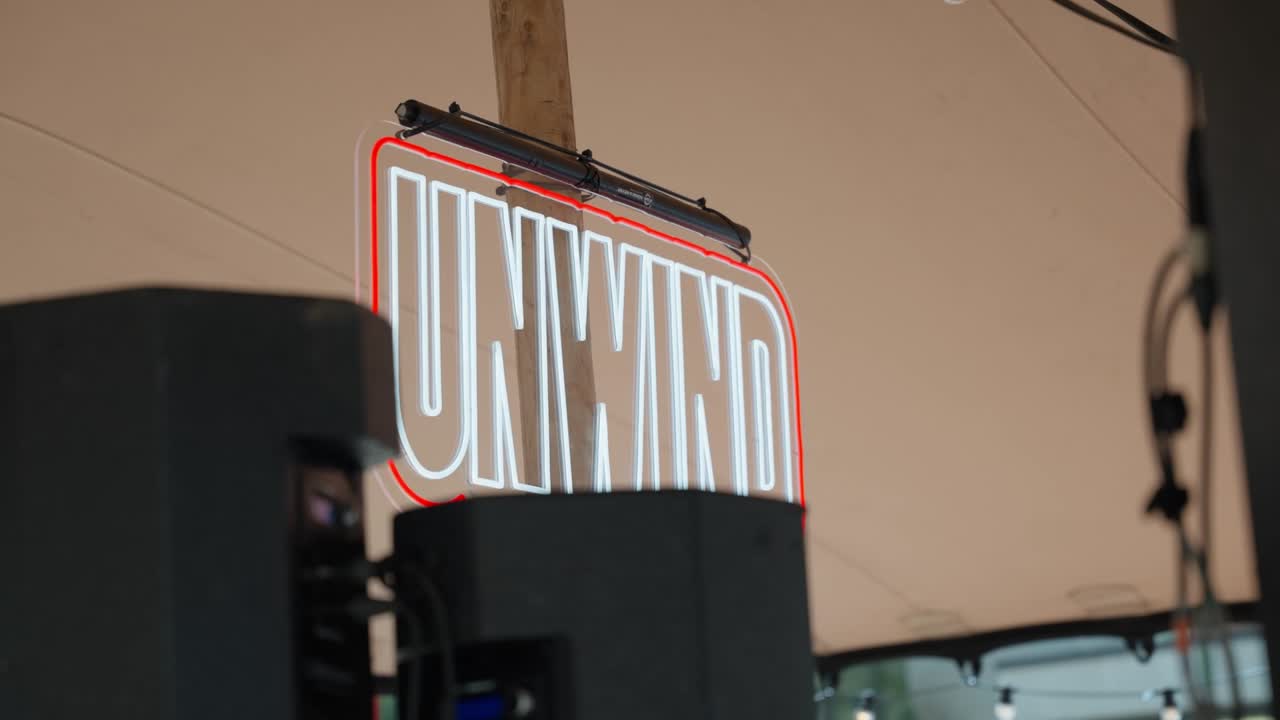
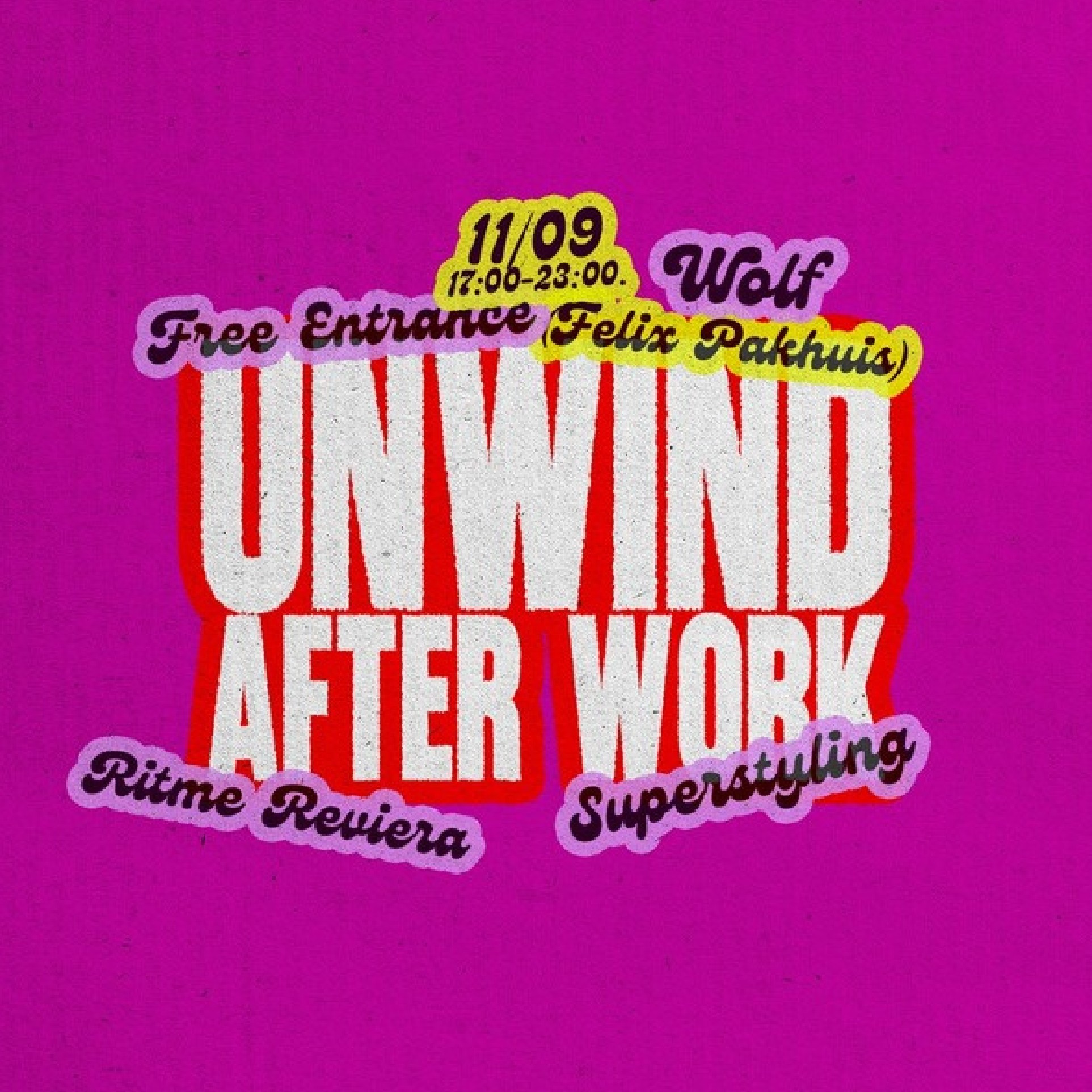
He tracks a counter-current in youth behaviour that he calls joymaxxing, deliberately putting the phone away to get more out of the moment: YPulse research in the US finds 65% of young people want brands to create more offline experiences and 52% actively want phone-free pop-ups [2]. His own experience of a networking event at Aster where phones went into a box was panic first, since he is always reachable, then better conversations [2]. The strategic point is that this demands the opposite reflex to most activations, which work by adding more experience, more stimulus, more reasons to stay: here the value sits in what you take away, and because it is not shared it feels more exclusive, so anyone who was not there has missed it [2]. He notes the irony that young people still share the offline moment online [4]. He runs the same idea himself with Unwind Afterwork, which moved to Brilschanspark in Berchem for Bar Brilschans, free entry, music from 6pm to 11pm, under the line "Time well spent after work" [12].
On managing many projects
Asked repeatedly how he keeps oversight and priorities across projects, his answer is deliberately dull: everything goes into Google Agenda, not only meetings but the work itself, and every day one task is given top priority and started first [13]. He has worked this way for years and has explained it at length in video form [13]. The mornings are protected: the first thing he does never has anything to do with work [10]. He also traces a shift in how he reads numbers to being refused a car by a leasing company, and describes having looked around as an intern as though the office were already his own [10].
Takeaways
- Niche on an audience rather than a sector: describing the agency in one sentence, reaching young people via social media, sharpened focus, drove growth and replaced price haggling with "when can you start" [18].
- Do zero direct selling and give the knowledge away, ebooks, workshops, a free data report and a weekly newsletter to over 1,000 marketers whose only CTA is "follow me on LinkedIn"; the result is that nine of ten sales meetings come inbound [4][18][19].
- Treat TikTok as competing with Netflix and TV rather than with Instagram, and as a search engine: six in ten young people look something up there before Google [17][18][19].
- Stop asking for views. After YouTube's 24 August change, do not compare pre and post numbers, use engaged views, and ask for watch time and hook rate instead [7].
- Build with a few fixed faces and with creators who already buy the product, and prefer ten content creators in relatable situations or micro-influencers with 5,000 followers over one celebrity with 100,000 [9][18][19].
- Budget for opportunity cost, not just cash cost: the question about the 200 euro coworking desk was never what it cost, but what staying in the bedroom would have cost [8].
- Run the agency on numbers: separate overhead from per-employee cost, track roughly 80% billable hours, price project management into every quote, and aim past 20% pre-tax margin from a strong niche [18].
- Test the phone-free format: 65% of young people want more offline brand experiences and 52% want phone-free pop-ups, and the value comes from what you remove rather than what you add [2].
Media & appearances
- Belgische OndernemersYouTubeAfl.94 – Jasper Dockx - Twaalfde Man MediaJasper Dockx discusses how brands must clearly define their identity and messaging tone before going viral on social media, and explains that his agency Twaalfde Man helps large brands understand and reach younger audiences, particularly those born between 1997 and 2010, while noting that TikTok functions as a search engine similar to Google in contemporary marketing strategy.
- Ben's MentorsYouTubeZo Haal Je Meer Omzet en Bereik met Sociale MediaJasper Dockx discusses how everyone functions as an influencer through social media by sharing content about their daily lives, even with small follower counts, and explains that his company Twaalfde Man helps brands reach younger audiences through social media audits, workshops, and collaboration with marketing managers. He also describes how he started the company eight years ago as a student entrepreneur focused initially on social media, and pivoted two years ago to specifically target reaching young people after writing an ebook on the topic.
- Katrin Van de WaterYouTubeIn gesprek met Jasper Dockx: De kracht van authenticiteit en storytelling in social mediaJasper Dockx discusses the importance of authenticity and honesty in personal branding and entrepreneurship, noting that he tries to share both successes and difficult moments online rather than presenting only polished content. He explains that he appreciates the podcast's unfiltered approach and contrasts it with typical LinkedIn posts, and emphasizes that he believes it is important to acknowledge one's genuine strengths while recognizing that no entrepreneur excels at every task.
In the news
- Morgen een nieuw vlogje live! Eentje over Unwind en heel wat nostalgie vanuit een oude kaft. 💙 🎥 Thibaut Demeuter
- De kortste weg naar geluk is dankbaar zijn. We zijn constant bezig met het volgende, waardoor we vergeten waar we een paar weken/maanden/jaren geleden stonden. Neem vandaag eens een oude factuur, offerte of mail erbij en besef welke stappen je al hebt gezet. 💙
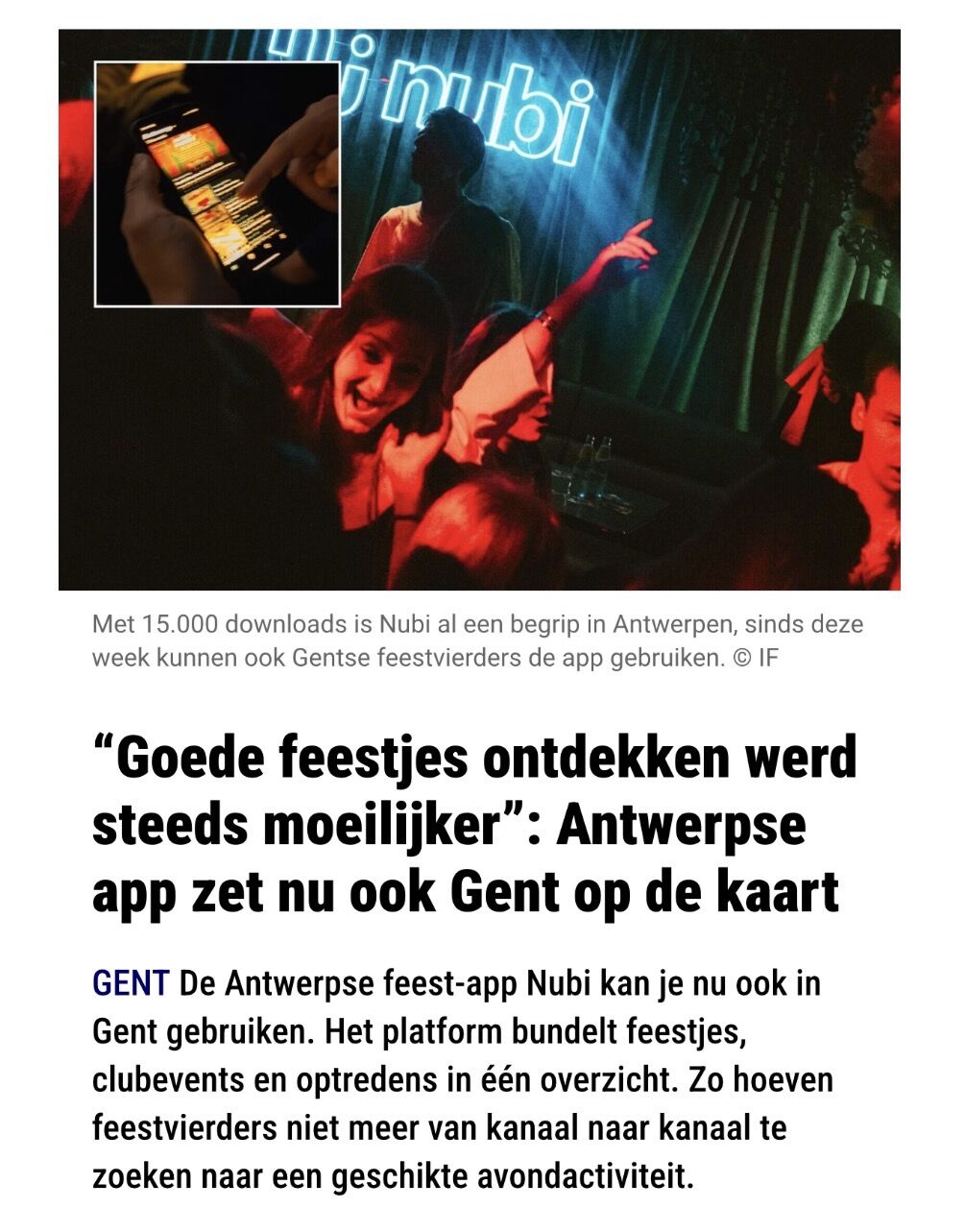
- Onze Antwerpse 'testfase' met Nubi was een groot succes met 15.000 (!!) downloads. 😅 Daarnaast draaide er een zomercampagne met Alken-Maes en hebben we vooral promoters en het uitgaanspubliek terug dichter bij elkaar gebracht. Klaar voor fase 2: sinds vorig weekend ook actief in Gent. 💙
- Waarom betalen we 30.000 euro per jaar om Belgische jongeren te bevragen? Meta en TikTok geven ons nooit data over België. Je krijgt Amerikaanse cijfers (soms Europees) maar niets over wat er hier effectief gebeurt bij jongeren tussen 18 en 30. En dat merk je meteen in de gesprekken die marketeers intern moeten voeren. Waarom moeten we hierin investeren, waarom werkt product-first content niet bij jongeren en waarom zouden we dat budget niet gewoon ergens anders inzetten? Dat zijn terechte vragen en zonder cijfers uit eigen
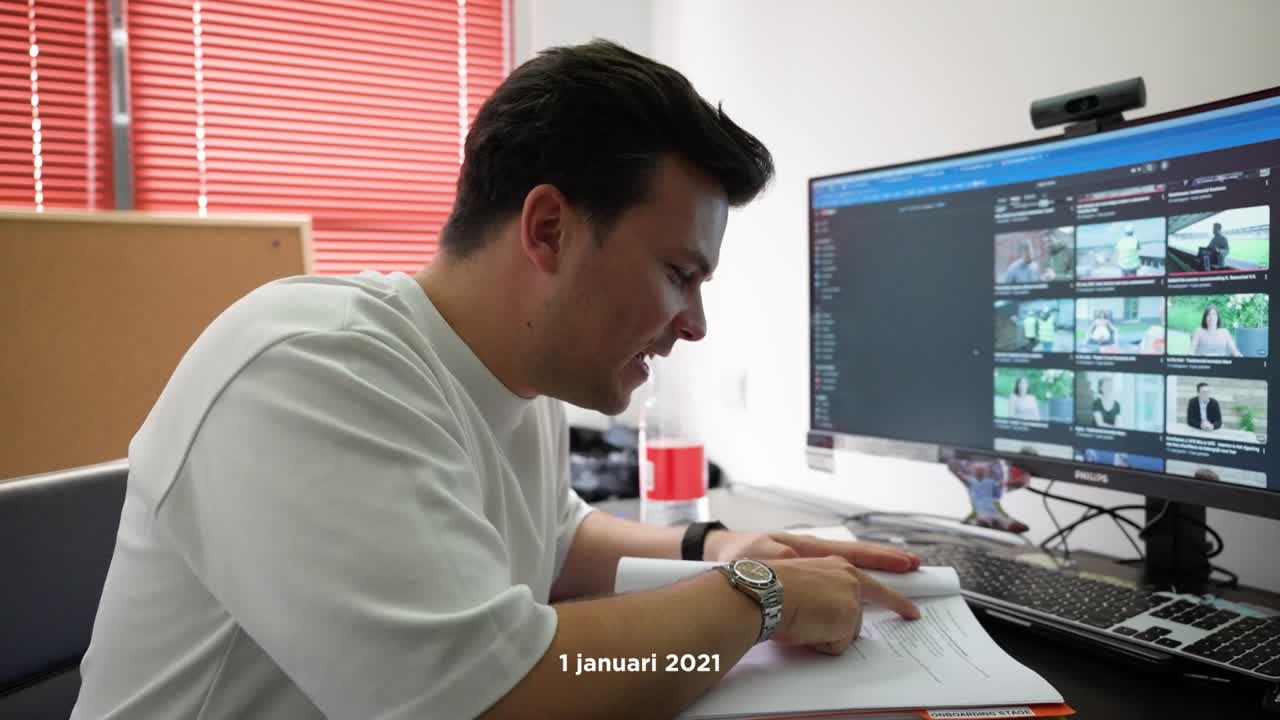
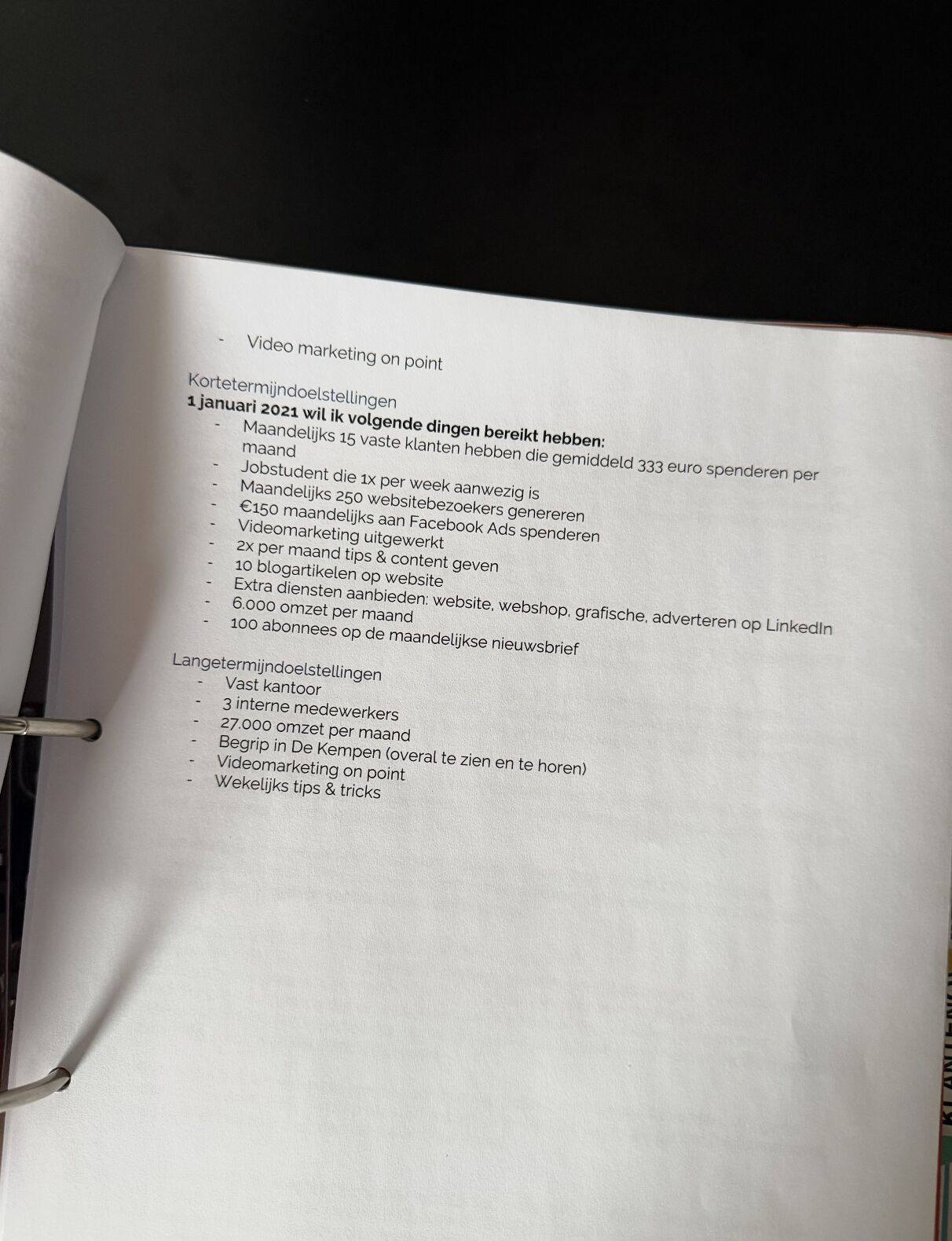
- Mijn doelstellingen van 2021 be like... ✨ Na een paar jaar haalde ik mijn oude kaft nog eens boven voor een video (volgende week live) en dan besef je pas echt van waar je komt. Ondertussen in 2026: ✨ 1.1M omzet (50% groei jaar op jaar) ✨ 10 collega's (en onze eerste Waalse collega!) ✨ Ons eigen kantoor aan 't MAS ✨ +1.000 mensen ingeschreven op onze wekelijkse nieuwsbrief (open rate 60%) ✨ Jaarlijks investeren we 30K in onze datarapporten ✨ Mijn 6de schooljaar als docent op KdG ✨ 3 extra ondernemingen opgezet het laatste jaar
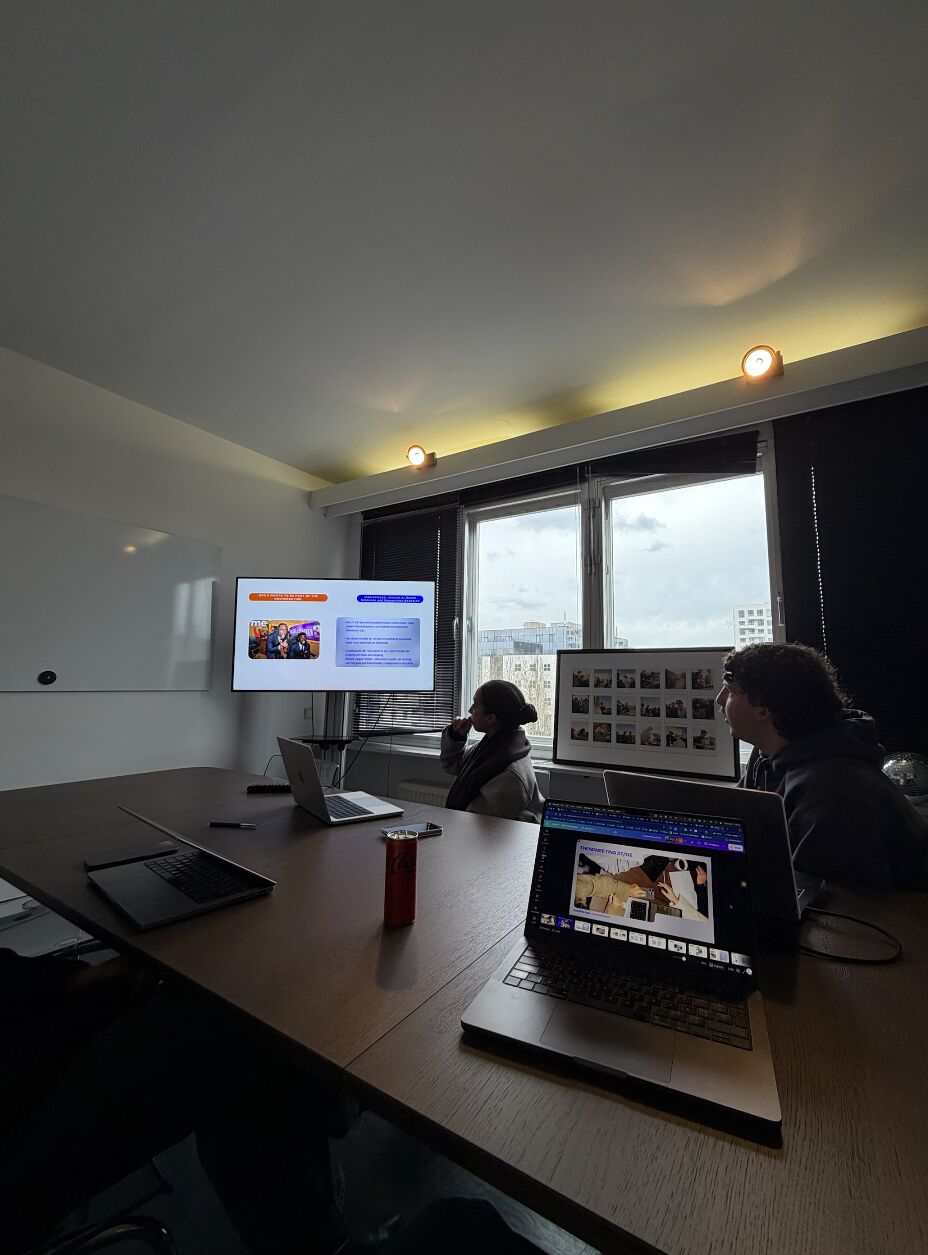
- Ons volgende datarapport gaat een hoop door elkaar schudden... 🤯 En niet omdat wij het zeggen, maar omdat 2.000 Belgische jongeren (18 - 30 jaar) het zeggen. ➡️ Werkt spontane content beter dan professioneel geproduceerde content? ➡️ Hoe trouw zijn jongeren aan het merk dat ze vandaag kiezen? ➡️ Wat brengt een jongere na een post op social naar de fysieke winkel? ➡️ Haken jongeren af op betaalde samenwerkingen? Begin oktober gooien we deze live. Helemaal gratis, speciaal voor jullie! 💙

- Morgen zijn we terug met Unwind Afterwork voor de tweede keer in Wolf Sharing Food Market (Felix Pakhuis). 💙 ✨ gratis toegang ✨ van 17 tot 23 uur ✨ in het historisch Felix Pakhuis Dus kom zeker af met je collega's & vrienden! :-))
- De vraag die de meeste marketingteams liever niet stellen: zou iemand je account volgen zonder ooit iets te kopen? Doe eens de test bij je eigen merk: ➡️ Open je Instagram of TikTok ➡️ Scroll door je feed alsof je 22 bent, zonder koopintentie Wat zie je? Alles voelt als een campagne, want elke post pusht iets: een lancering, een promo, een reminder om te kopen. Dat is exact het probleem waarom veel merken vandaag onzichtbaar zijn voor jongeren. Niet omdat ze niet aanwezig zijn, wel omdat hun aanwezigheid gewoon niet relevant is.
Related profiles

This page shows public professional information only, each fact cited. Is this you? send a correction, or ask for removal within 24 hours, no questions asked.