
Overview
Johannes Charlier is the managing director of Kreavet, based in Kruibeke. He took up that role in May 2022, having joined Kreavet in August 2017 as an animal health consultant.
Before that, Charlier was chief technology officer at Avia-GIS from June 2015 to July 2017. From 2002 to 2015 he was a senior researcher at Ghent University, where he also completed his studies: a degree in veterinary medicine and a doctorate in veterinary parasitology.
Career history

In the news
- Learn how you can get the most out of SPARC content.
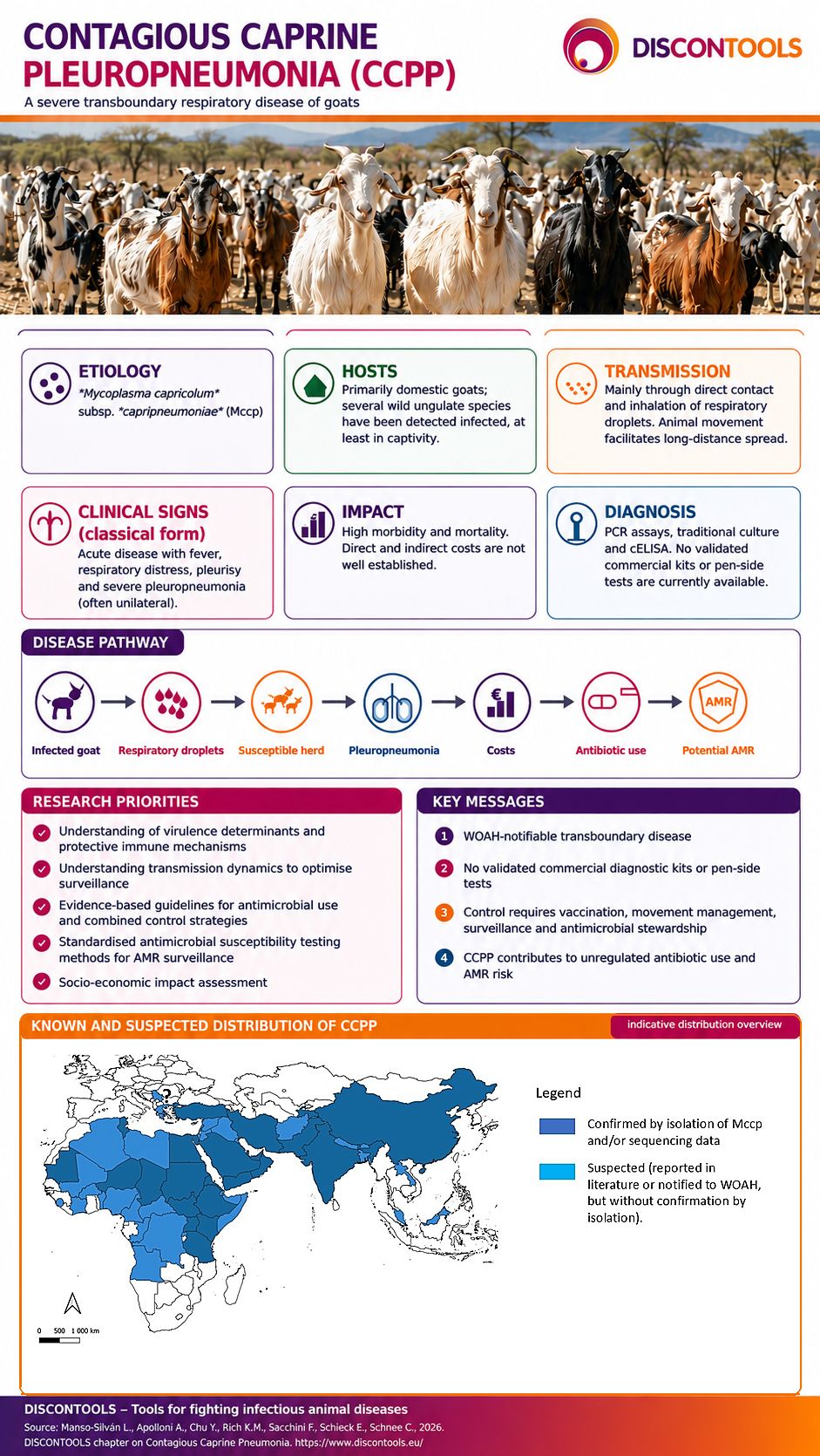
- DISCONTOOLS added a new chapter to its database: Contagious Caprine Pleuropneumonia, a World Organisation for Animal Health-notifiable high mortality disease of goats and wild ruminants at risk of introduction to the EU. 🧖♂️ Developed by Lucía Manso-Silván, Andrea Apolloni, Yuefeng Chu, Karl M. Rich, Sacchini Flavio, Elise Schieck and Christiane Schnee, international leaders in the field from CIRAD, LVRI China, Virginia Tech, Istituto Zooprofilattico Sperimentale Abruzzo e Molise "G. Caporale", International Livestock
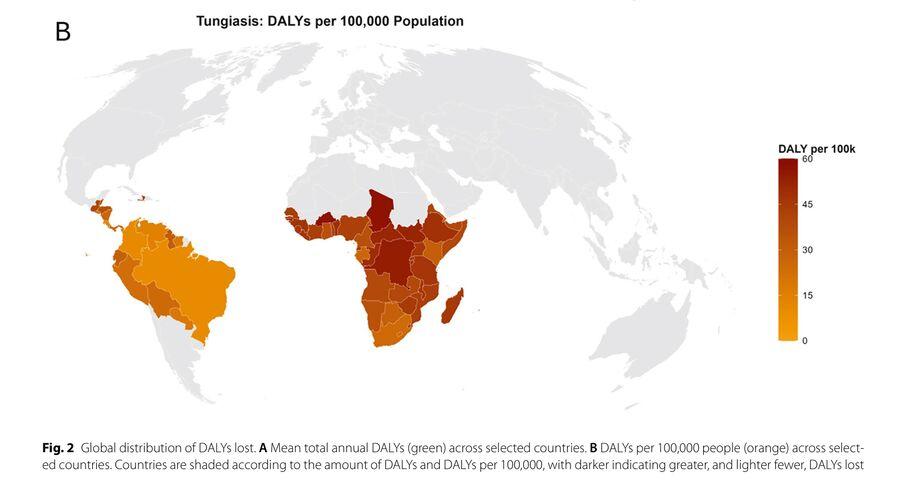
- Sand fleas, an overlooked #onehealth issue?
- New publication out! How significant is the global burden of #tungiasis? Until now, it had never been estimated globally. #Tungiasis is a neglected tropical skin disease caused by sand fleas and disproportionately affects vulnerable communities in Sub-Saharan Africa and Latin America. Despite its inclusion in the WHO Neglected Tropical Diseases Roadmap since 2021, its global health burden had remained unquantified. Our newly published study provides the first preliminary global estimate of the burden of tungiasis. It estimates
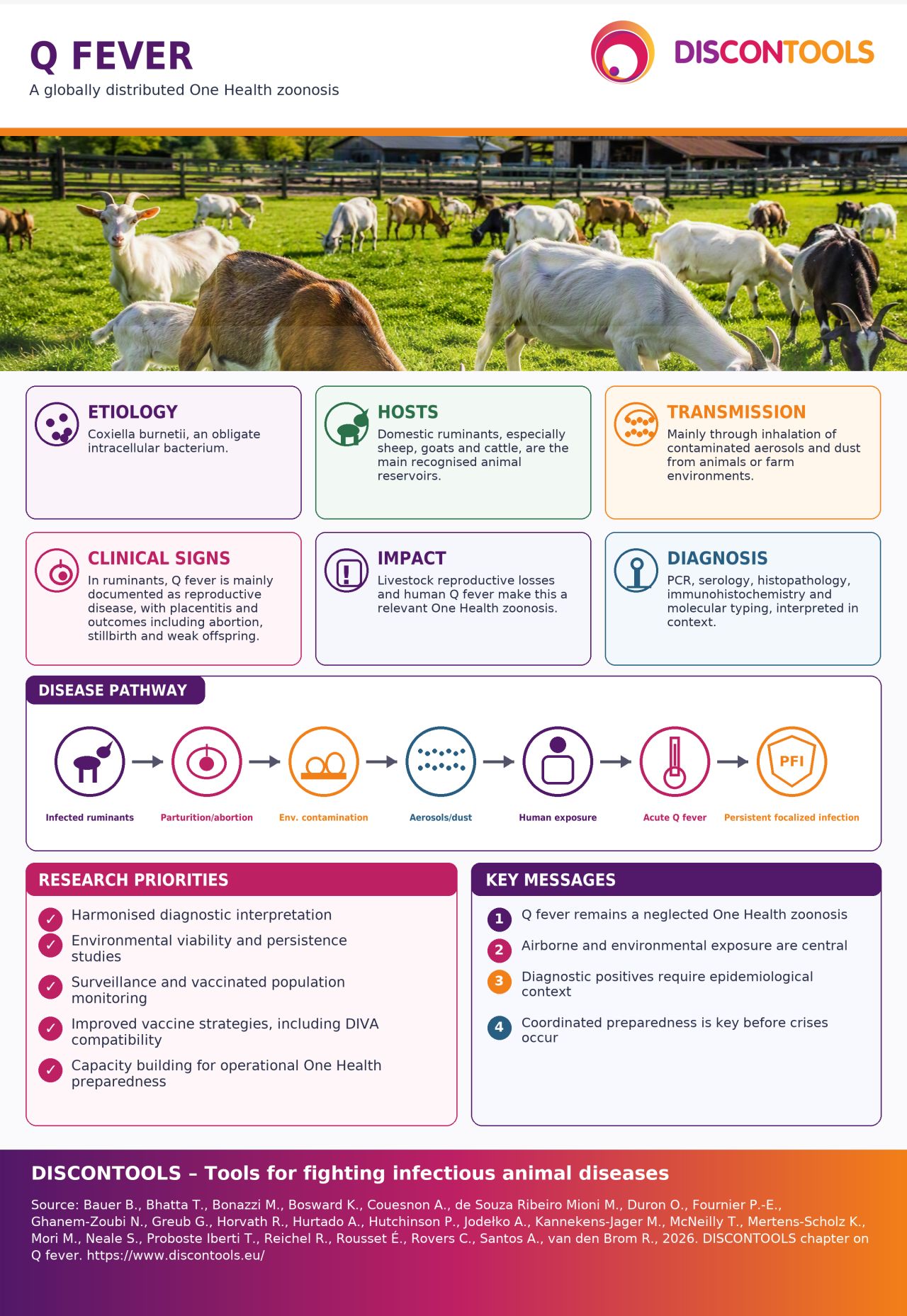
- New #DISCONTOOLS chapter out on Q-fever, led by Elodie Rousset and Aurélie Couesnon French Agency for Food, Environmental and Occupational Health & Safety (ANSES) and contributions of a international expert group. Q-fever remains a neglected #OneHealth zoonosis where animal infection and environment determine human exposure. Coordinated preparedness between sectors is key to achieve results. Epidemiological context is essential to interpret diagnostic results. 🐑 Take a deep dive at: https://lnkd.in/em-yKWyW Katrina Bosward Gilbert
- Grateful to have contributed to this paper with key opinion leaders in the field. It is hoped it may help the new generations of researchers to crack the code for effective #cattle #tick #vaccines, something that has proven to be very difficult to date. Major credits to Isabel de Miranda Santos who really drove this work forward. Output from STAR IDAZ International Research Consortium on Animal Health.
- Help us to raise the voice on the importance of parasite control and register for this not to miss event. We aim to bring together all people passionate about sustainable livestock sector and parasite control: farmers, veterinarians, researchers, diagnostics and medicine industry and decision makers. Be there and let's grow our Community of Practice together! Watch the website for further development of the programme.
- New work out by Natalia Elguezabal et al. in the DISCONTOOLS & STAR IDAZ International Research Consortium on Animal Health Special collection in BMC Vet Research by Springer Nature
This page shows public professional information only, each fact cited. Is this you? send a correction, or ask for removal within 24 hours, no questions asked.