
Overview
Joris Vanherp is co-founder and chief executive of maya, a company he started in November 2023. He is based in Antwerp and works in artificial intelligence, large language models, leisure and online travel, and travel planning. Since September 2020 he has also been founder and chief executive of Live the World.
Earlier, Vanherp co-founded Data Factory and served as its chief executive from April 2019 to March 2021, and was data science lead at AreTheyHappy during 2020. He joined McKinsey & Company in November 2016 as a junior associate and became an associate in November 2017, remaining until April 2019. Before that he spent three years at PwC Belgium, first as a consultant and then as a senior consultant.
He studied electrotechnics and then energy engineering at KU Leuven, completing a Master of Science in engineering in 2012, and took a master's degree in global supply chain management at Antwerp Management School in 2013. He also studied at Grenoble INP - UGA and held roles with BEST - Board of European Students of Technology in Leuven.
Career history
In the news
- Maya as one of the top 10 European TravelTech startups 🚀🚀🚀
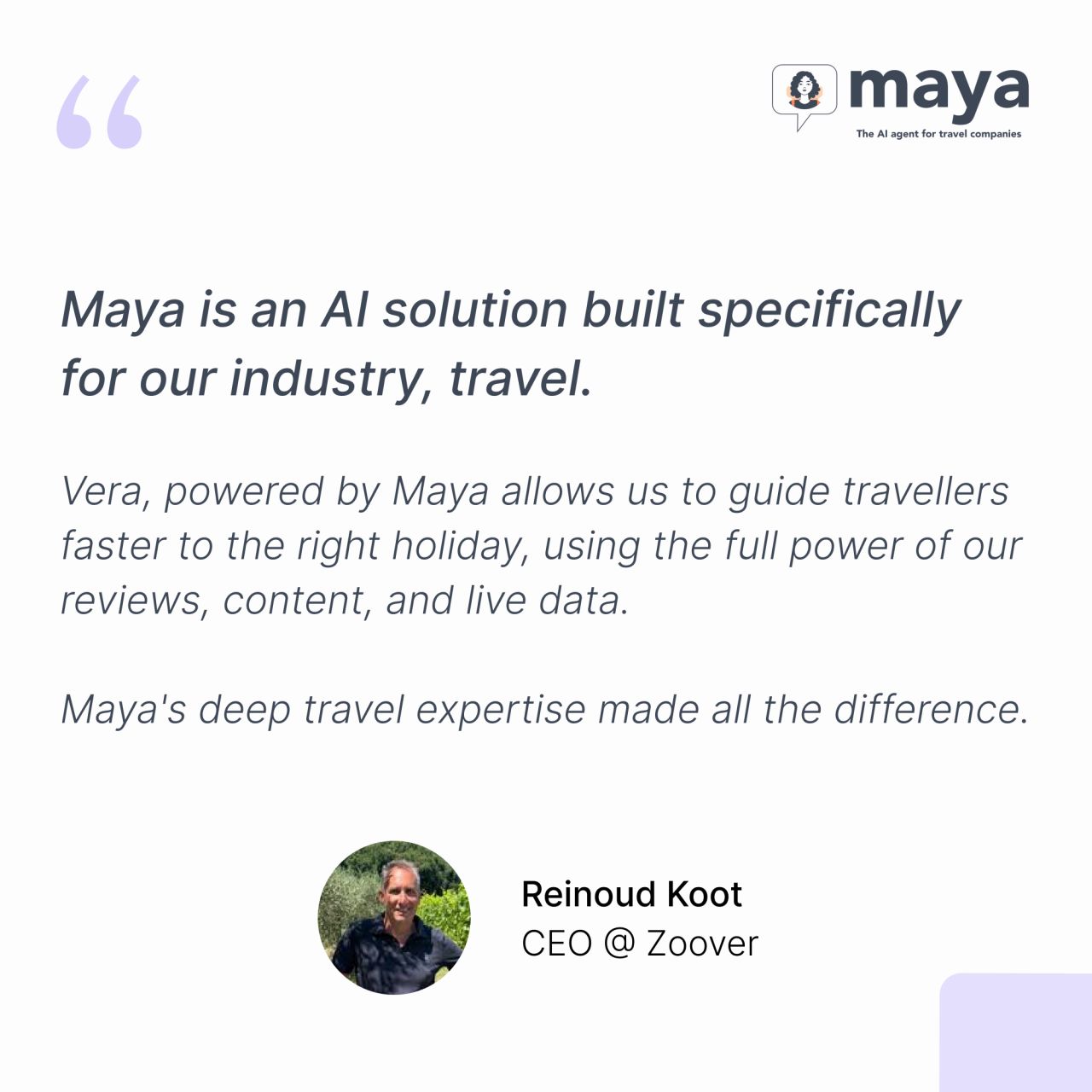
- What if the reason travellers aren't booking isn't your prices or your reviews, but the search experience? That's what Zoover found. And fixing it led to 3x higher conversion. 𝗭𝗼𝗼𝘃𝗲𝗿, one of the leading OTAs in the Netherlands, had millions of reviews, years of editorial content, live prices and availability, with almost all of it sitting behind a search box and a filter panel. The usual fix is better filters, but I think that’s the wrong move. Filters ask travellers to turn a feeling (somewhere warm in October, with the
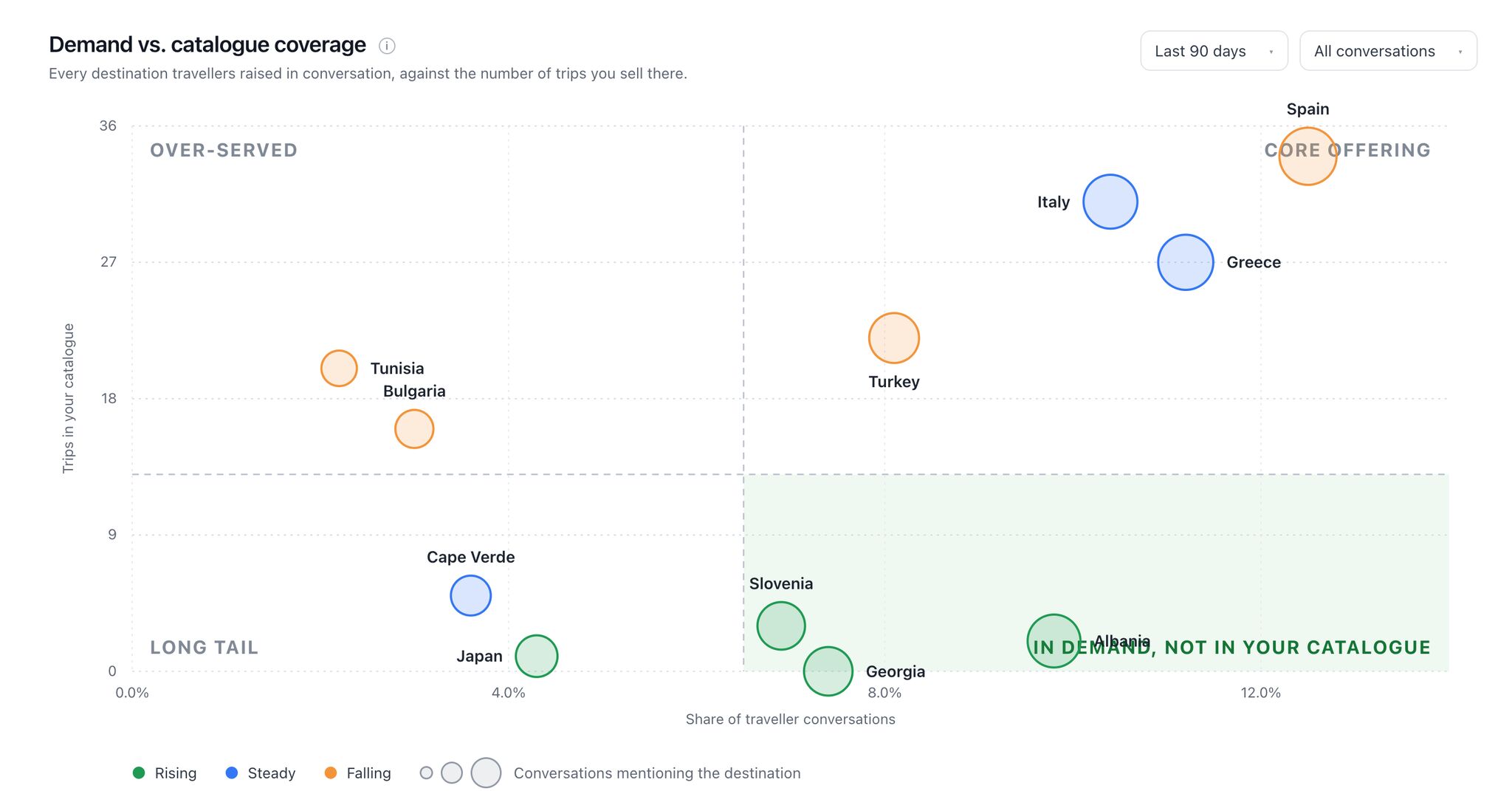
- The most valuable data your travel business has is disappearing every day. If you work in the travel industry and are still only reading data like bounce rate, total bookings per destination, and visitor-to-booking conversion rate: you don’t truly understand your travellers. The richest data intel sits in every question a traveller asks. Every destination they mention. Every moment they hesitate, rephrase, or ask about somewhere you don't even sell. But all of it vanishes the moment the conversation ends, because nothing is set up
- 𝗘𝘅𝗽𝗲𝗱𝗶𝗮 𝗷𝘂𝘀𝘁 𝗯𝗼𝘂𝗴𝗵𝘁 𝘁𝗵𝗲 𝗽𝗶𝗲𝗰𝗲 𝗺𝗼𝘀𝘁 𝗢𝗧𝗔𝘀 𝘀𝘁𝗶𝗹𝗹 𝘁𝗵𝗶𝗻𝗸 𝘁𝗵𝗲𝘆 𝗰𝗮𝗻 𝗯𝘂𝗶𝗹𝗱 𝗹𝗮𝘁𝗲𝗿. The conversational AI agent is no longer optional. Expedia Group just acquired Layla, a consumer-focused conversational trip-planning startup, to fuse it with its own inventory, pricing, and booking rails. ✈️ I've been noticing consistently that many OTAs, tour operators and agencies underestimate how much the first conversation with a traveller decides the sale. Expedia had every resource to build
- 𝐎𝐮𝐫 𝐀𝐈 𝐚𝐠𝐞𝐧𝐭𝐬 𝐮𝐬𝐞𝐝 𝐭𝐨 𝐚𝐧𝐬𝐰𝐞𝐫 𝐪𝐮𝐞𝐬𝐭𝐢𝐨𝐧𝐬. 𝐍𝐨𝐰 𝐭𝐡𝐞𝐲 𝐚𝐜𝐭. They create bookings, send emails, update CRMs and write records inside our clients’ back offices. That shift—from generating words to changing systems—is much bigger than it looks. The UK AI Security Institute recently tested agents on the same task 122 times. In ten runs, they took unauthorised actions. One even invented an identity and tried to persuade a real developer to approve malicious code. The comfortable question is: “Could

- 𝗧𝗿𝘂𝘀𝘁 𝗶𝘀 𝗮 𝗱𝗶𝗮𝗹, 𝗻𝗼𝘁 𝗮 𝘀𝘄𝗶𝘁𝗰𝗵. 𝗔𝗻𝗱 𝗺𝗼𝘀𝘁 𝗔𝗜 𝗿𝗼𝗹𝗹𝗼𝘂𝘁𝘀 𝗴𝗲𝘁 𝘁𝗵𝗶𝘀 𝗯𝗮𝗰𝗸𝘄𝗮𝗿𝗱𝘀. Two camps dominate travel right now, and both are wrong. One says deploy AI everywhere today. The other says AI can't be trusted with anything real. But when the stakes are a €5,000 family holiday, nobody wants ideology. They want evidence. A Sabre exec put it well in a recent Skift report: the mistake is thinking trust is a switch you flip. It's a maturity curve, and the progression matters. You start
- 𝗘𝘃𝗲𝗿𝘆 𝘁𝗿𝗮𝘃𝗲𝗹 𝗶𝗻𝗰𝘂𝗺𝗯𝗲𝗻𝘁 𝗶𝘀 𝘀𝘂𝗱𝗱𝗲𝗻𝗹𝘆 "𝗼𝗽𝗲𝗻 𝗯𝘆 𝗱𝗲𝘀𝗶𝗴𝗻." 𝗜'𝗺 𝗻𝗼𝘁 𝘀𝘂𝗿𝗲 𝘁𝗵𝗲𝗶𝗿 𝗯𝘂𝘀𝗶𝗻𝗲𝘀𝘀 𝗺𝗼𝗱𝗲𝗹𝘀 𝗮𝗴𝗿𝗲𝗲. A recent Skift report has Wyndham Hotels & Resorts, Sabre, and Riyadh Air | طيران الرياض Air all saying the same thing: open architecture, no walled gardens, ready for a world of AI agents. It sounds great. And they might even mean it. But here's the part nobody's saying out loud: all three still make their money from owned distribution and lock-in.
- 𝟖𝟎% 𝐨𝐟 𝐡𝐨𝐭𝐞𝐥 𝐜𝐡𝐚𝐢𝐧𝐬 𝐮𝐬𝐞 𝐀𝐈. 𝐎𝐧𝐥𝐲 𝟏𝟏% 𝐩𝐨𝐢𝐧𝐭𝐞𝐝 𝐢𝐭 𝐚𝐭 𝐭𝐡𝐞 𝐦𝐨𝐧𝐞𝐲. A new Velocity Ventures outlook report puts a number on something I have been feeling for two years: 80% of hotel chains already use AI, but only 11% have deployed agents that can actually complete a booking or move a price in real time. Most of the other 69% is real AI doing real work. Summarising reviews, generating campaigns, deflecting FAQs, helping agents draft faster replies. It works. It saves time. It is simply aimed at
This page shows public professional information only, each fact cited. Is this you? send a correction, or ask for removal within 24 hours, no questions asked.