Overview
Karel co-founded Luzmo with Haroen Vermylen and Thomas De Clerck. He brought over 18 years of BI and data visualization experience from senior consultant and manager roles at CSC and the Belgian Ministry of Economics. The company was originally called Cumul.io before rebranding to Luzmo.
Luzmo's platform enables SaaS companies to embed customer-facing analytics directly into their products without building custom visualization tooling. In 2024, the company launched Luzmo IQ, bringing hyper-personalized AI-driven analytics to embedded use cases. Luzmo has a partnership with Lansweeper (also Belgian) as a reference for the strength of the Flemish B2B SaaS ecosystem.
Career Highlights
- Co-founded Cumul.io/Luzmo, now a leading embedded analytics platform for SaaS companies globally
- 18+ years of BI and data visualization experience before founding Luzmo
- Regular speakerglobal SaaS events including SaaSOpen and SuperNovaAntwerp
Career history

In the news
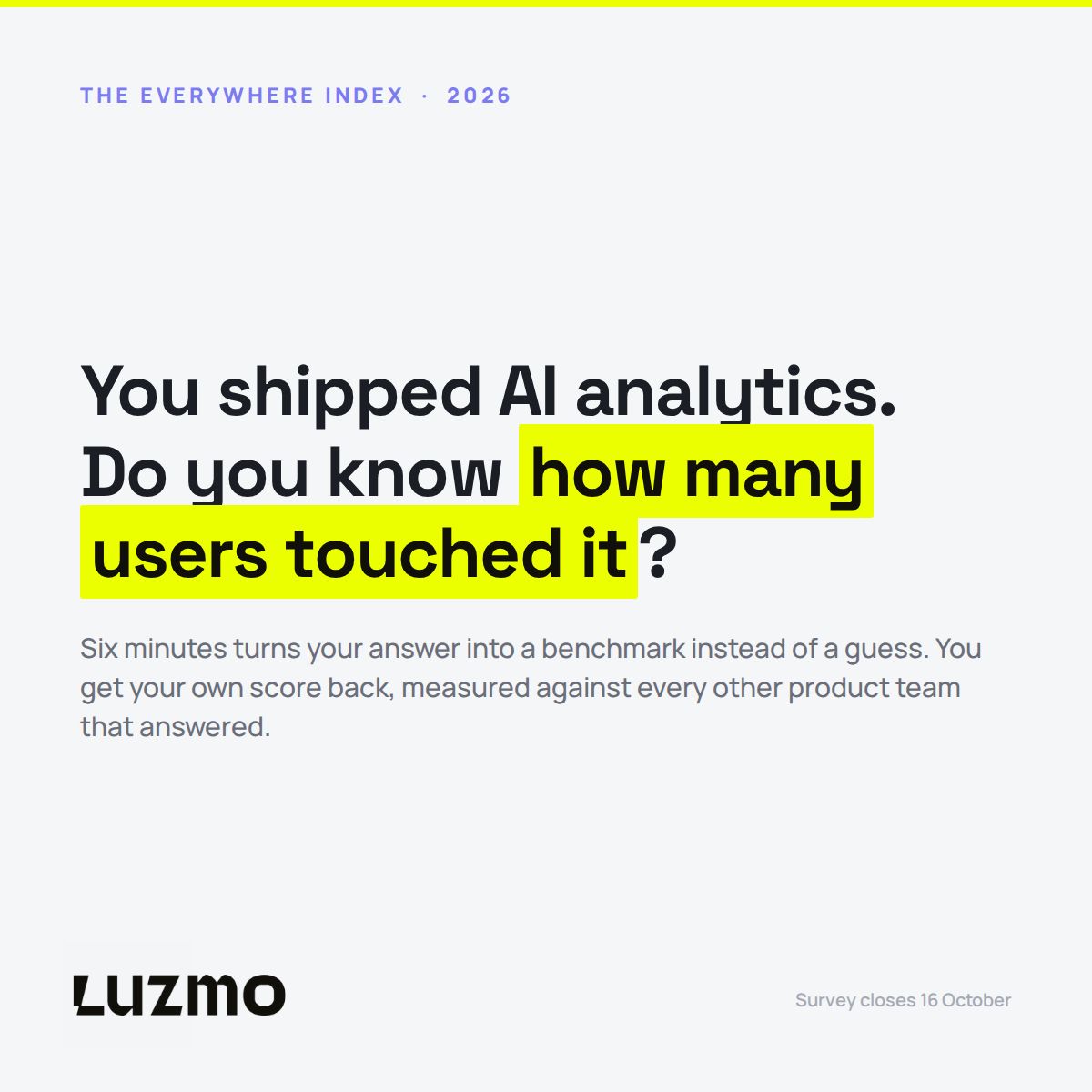
- At Luzmo, we’ve spent a lot of time asking whether AI can build analytics faster. I’m more interested in the next question: once you ship it, does anyone actually use it? That’s one of the things we’re looking at in this year’s Everywhere Index. Where are users getting answers from product data now, and how much have AI features really changed the way analytics gets used? It takes about six minutes, and once the results are in, you’ll get your own benchmark back against the other product teams that answered. Survey closes October
- Always really happy to be back at the Belgian coast! 😍 Looking forward to my talk tomorrow morning at the AI Summer School by Agoria Scaleup Flanders Sirris | Innovation forward, on how at Luzmo we rewrote our internal operations around AI: - What worked - What it cost us - What we got wrong - And a few findings that are counterintuitive, and maybe a little controversial I am not going to pretend we nailed it. Nobody has. Tonight first: Anita Schjøll Abildgaard's opening keynote, on what founders should rethink before AI


- I DON'T WANT every useful analytical answer to look like a Luzmo dashboard. Strange thing to say as Luzmo's CEO. But sometimes the right answer is a custom visualization, a generated report, a table in Slack, or a format nobody designed in advance. Forcing every answer into a pre-existing chart library limits what the user can even ask. So the chart is not the product. The chart is the easy part. The hard part is everything the answer depends on. That the number means what your company says it means. That the user only sees the
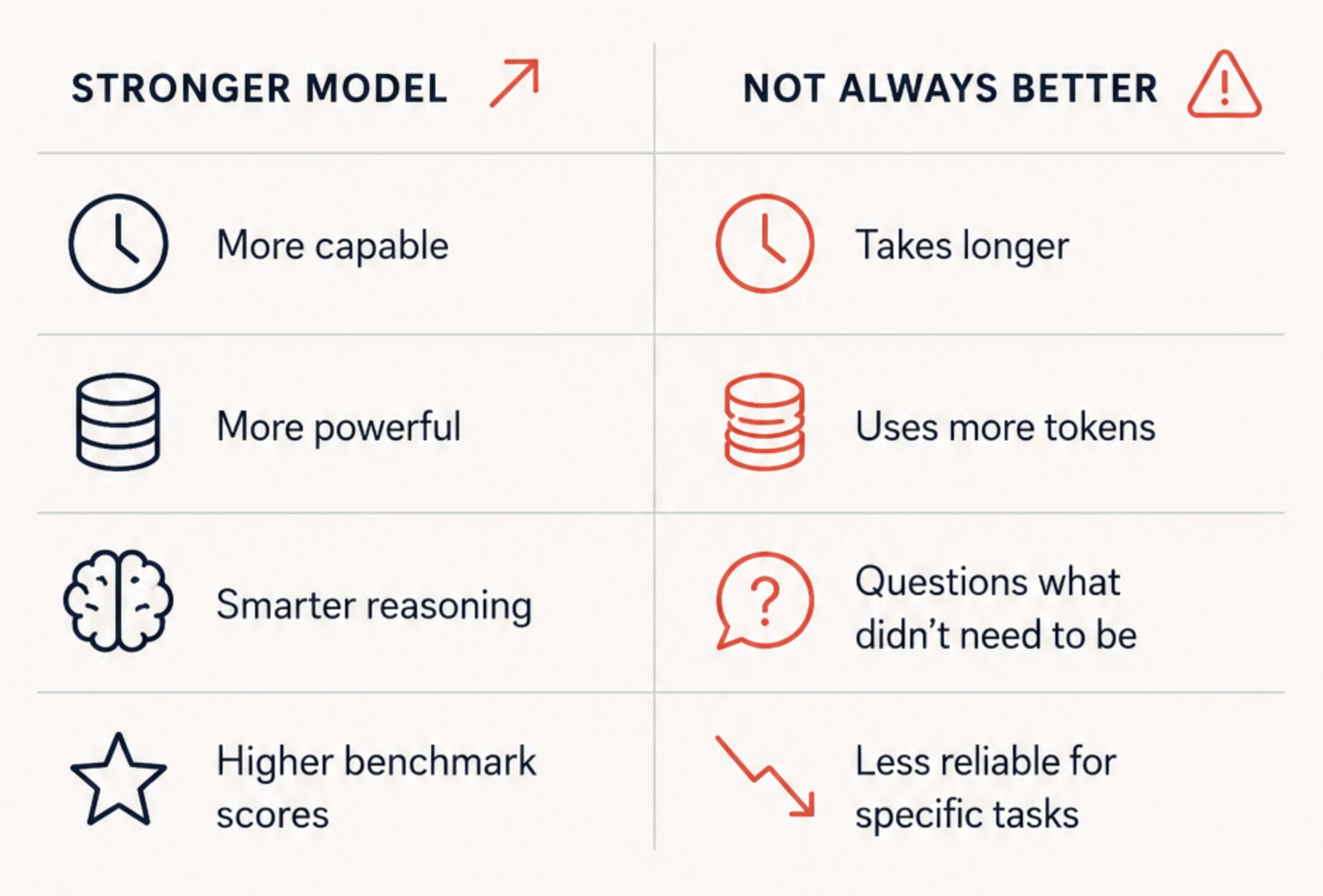
- Hot take: a stronger AI model doesn’t automatically produce better analytics. We have seen stronger models: > take longer to answer > use more tokens > question decisions that didn’t need to be questioned > produce less reliable results for a specific task The best model on a benchmark may not be the best model inside your product. For many workflows, a more deliberate setup works better: use an expensive model where planning or difficult reasoning matters, then use faster, cheaper models for well-defined execution. More
- We use BrightAnalytics to follow our financial numbers. It's the authoritative source, and it's good at what it does. But I don't want to hand everyone a login and tell them to go find the KPI they need. Not because the numbers are secret. I want the team to know how we're doing on our main KPIs. That's the point of having them. But financial data is where access matters most, and "everyone gets everything" is not a permission model. Same story with HubSpot, Google Analytics 4, Google Search Console and every other specialist
- We're hiring a Business Developer for our telecom vertical. Telecom operators sit on anonymized network location signals that are valuable and hard to productize. The analytics is the easy bit. Privacy sign-off, packaging, access tiers and billing are what keep operators stuck in pilot. So we built the product that handles all of it. One end-to-end system they license and run the data business on. A first operator is already on board. Telecom is one of the verticals we're pushing hard on this year, and it's the one where we need
- You: Can we build this ourselves? AI: Done. First dashboard is ready. A month later: You: Can we connect it to live data? AI: Connected. You: Can users edit it? AI: How do you want editing to work? Do you have a wireframe? Which parts can they change, and does it save per user or for everyone? You: Can we show what produced every number? AI: I can add that. Do you want me to log the query, the prompt, or both? And for how long? You: Can it use the same permissions in the product, Slack and ChatGPT? AI: Yes, I can start building
- In 2019, I expected voice interfaces to change analytics MUCH faster than they did. There were plenty of voice startups and the tooling kept getting better. I built an Amazon Alexa skill with the Luzmo API behind it, so I could ask things like: "𝘏𝘰𝘸 𝘮𝘶𝘤𝘩 𝘤𝘰𝘮𝘮𝘪𝘵𝘵𝘦𝘥 𝘈𝘙𝘙 𝘥𝘰 𝘸𝘦 𝘩𝘢𝘷𝘦?" or "𝘚𝘦𝘯𝘥 𝘮𝘦 𝘰𝘶𝘳 𝘶𝘴𝘢𝘨𝘦 𝘳𝘦𝘱𝘰𝘳𝘵" The assistant answered in one line, then emailed the full report with a link to the dashboard in our platform so I could slice and dice from there. That future did not arrive
Related profiles
This page shows public professional information only, each fact cited. Is this you? send a correction, or ask for removal within 24 hours, no questions asked.