
Overview
Lander Degrève is co-founder and CEO of Spott, an AI-native applicant tracking system and CRM for recruiting firms. The company was founded in 2024 with Manu Vanderveeren, who is COO, and Samuel Smeys, who is CTO. At Bain, Degrève built an AI job match tool, and he built a GenAI consulting-case interviewer as a side project. His background is in financial statistics, with an internship in investment banking at JPMorgan and a master's degree from Bocconi. Spott went through Y Combinator's Winter 2025 batch, which invested $500,000, and pivoted mid-programme from a candidate report writer to a full AI-native ATS. In May 2025 the company raised a $3.2 million seed round led by Base10 Partners, with Y Combinator, Fortino Capital, True Equity and angel investors participating. The platform unifies applicant tracking, CRM, multi-channel outreach and AI agents in one system, and covers permanent, temporary, contracting and executive search work. Spott is headquartered in Leuven and San Francisco, with offices in New York City and Sydney, and has 40 team members. It serves more than 400 agencies. Named customers include Stanton Chase, Pauwels Solutions Group, H.W. Anderson, United Consulting, CGP Group, Kennedy Fitch and ntiative.
Degrève studied business engineering at KU Leuven, where he met Manu Vanderveeren and Samuel Smeys, and holds a master's degree from Bocconi. He interned in investment banking at JPMorgan before moving into consulting at Bain, where he built an AI job match tool and, separately, a GenAI consulting-case interviewer. The founders first tried layering AI onto existing platforms including Bullhorn and Salesforce, concluded the relational database architecture underneath could not support contextual understanding, and decided to build from scratch. They left consulting, built a prototype and were accepted into Y Combinator's Winter 2025 batch, which put in $500,000. Halfway through the programme they pivoted from a candidate report writer to a complete AI-native ATS. They based engineering in Leuven for access to KU Leuven graduates. The $3.2 million seed round led by Base10 Partners followed in May 2025, and Spott has since opened offices in New York City and Sydney.
As CEO of Spott, Degrève leads the Company Building an AI-Native applicant tracking system for staffing and recruitment agencies. Spott went through Y Combinator's W25 batch and raised a $3.2M seed round led by Fortino Ventures in May 2025.
Career history

Media & appearances
- Recruitment TechYouTubeInterview: Lander Degrève (Spott) over AI-first ATS én Y Combinator-programma in San FranciscoLander Degrève discusses how he and his co-founders transitioned from consulting work in Brussels to founding Spott, an AI-first recruitment platform, after observing inefficiencies in existing ATS systems that had not innovated significantly in years. He explains that their key differentiator is building AI capabilities from the ground up into their platform rather than adding it as an afterthought, which they believe will create competitive advantages for recruiters and allow them to demonstrate the potential of AI in recruitment over the coming years.
- Recruitment TVYouTubeThe Automated Agency What AI Native Recruitment Actually Looks Like
In the news
- One of the nicest things customers tell us has nothing to do with placements or revenue. It’s that they got their evening back. Recruitment has always had a ridiculous amount of work around the actual work. Updating records, writing notes, moving data around, following up, preparing shortlists. None of it is particularly difficult. There’s just a lot of it. And for years, being a great recruiter often meant accepting that all of this happened after the calls, meetings and candidate conversations were done. AI is starting to eat away
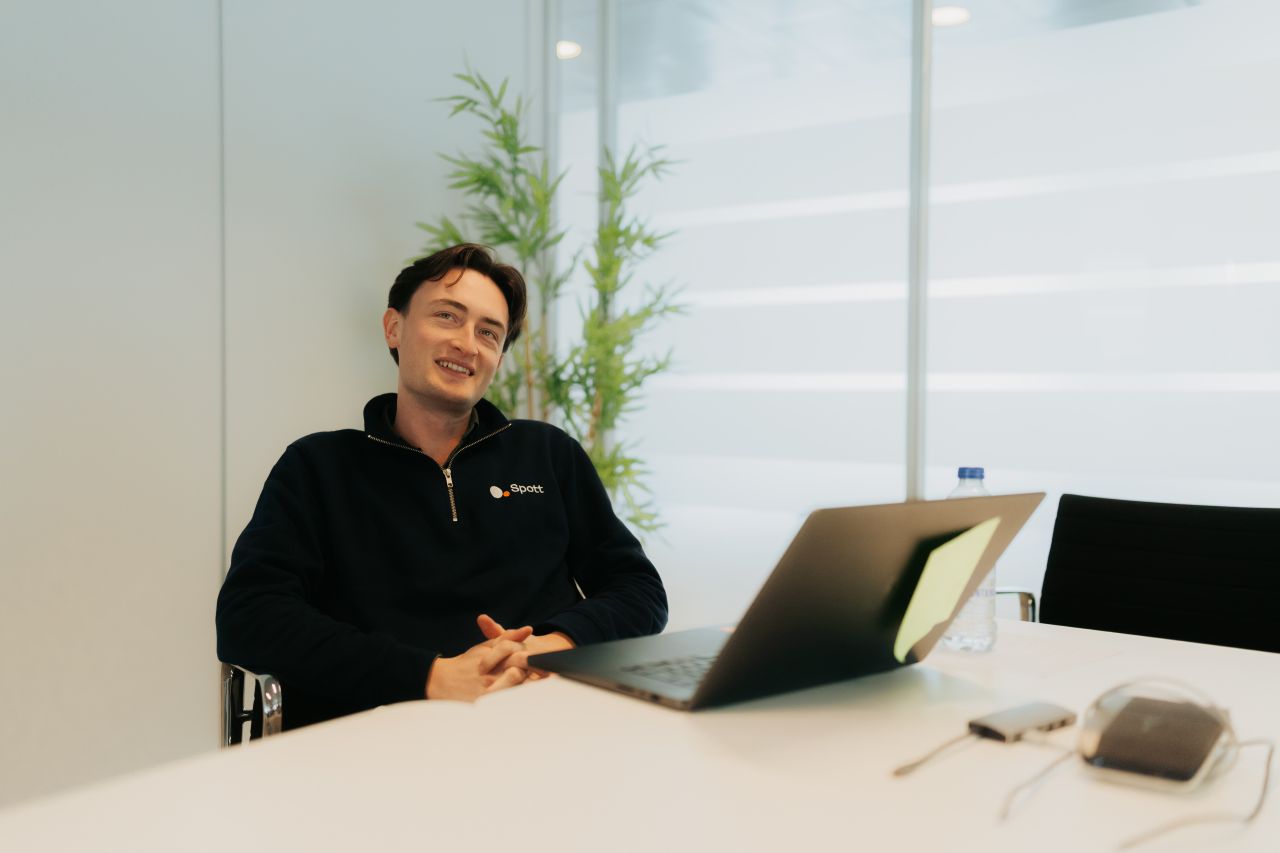
- Spott started in San Francisco with Y Combinator. Now we're opening an office in New York. 🇺🇸 We spent our first months in San Francisco figuring out what Spott should become. Then we moved back to Belgium, built the team, built the product, and grew from there. Two years later, we're crossing the Atlantic again. This time around we are here to stay. Now with a product, customers, and a team ready to take on the US market. Feels a bit like coming full circle. NYC, let's goo 🗽

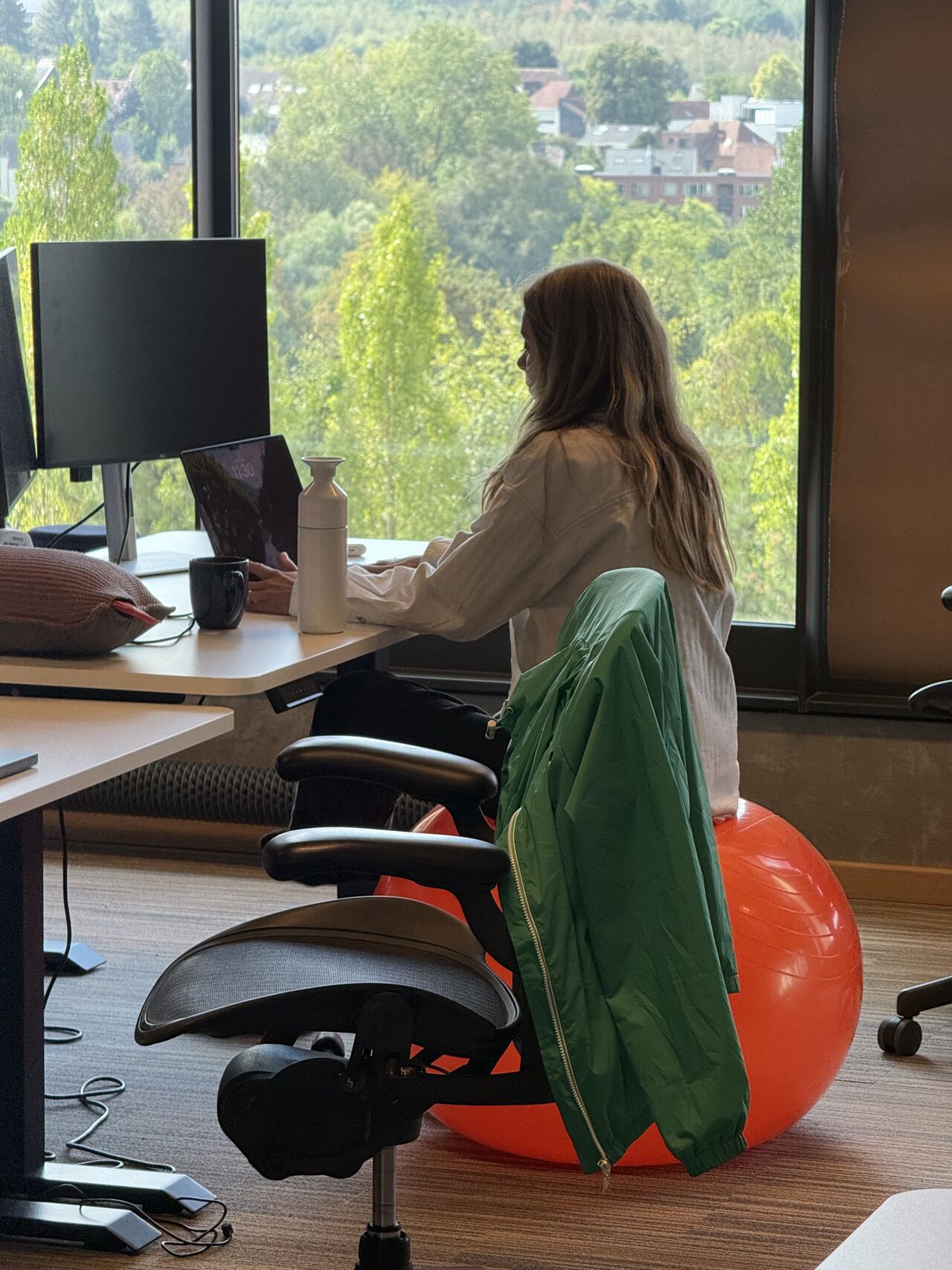
- I built everyone a standing desk, got them a $1k ergonomic Herman Miller chair and I still see stuff like this?!
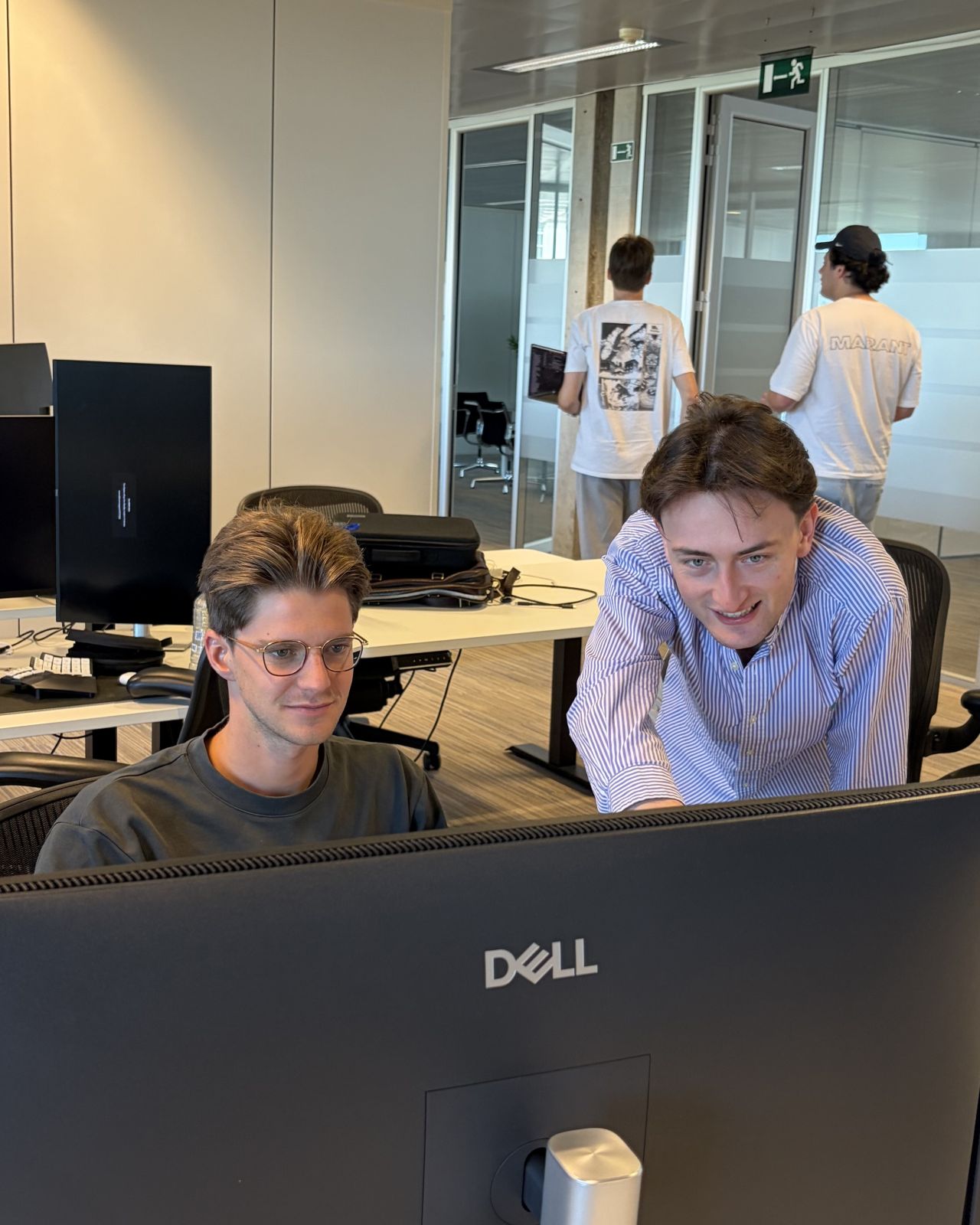
- At 50 users, shipping fast is a strategy. At 5000, it can also be a liability. We built Spott on speed. Idea over the weekend, start Monday, live by Friday. With a handful of customers, a rough edge meant one message and we'd fix it the same day. Today, thousands of recruiters open Spott every morning. A half-finished feature isn't one Slack message anymore. It's a hundred. People look for ways to work around the issue, and some even start trusting the rest of the product a little less. So the bar moved: just as fast, but
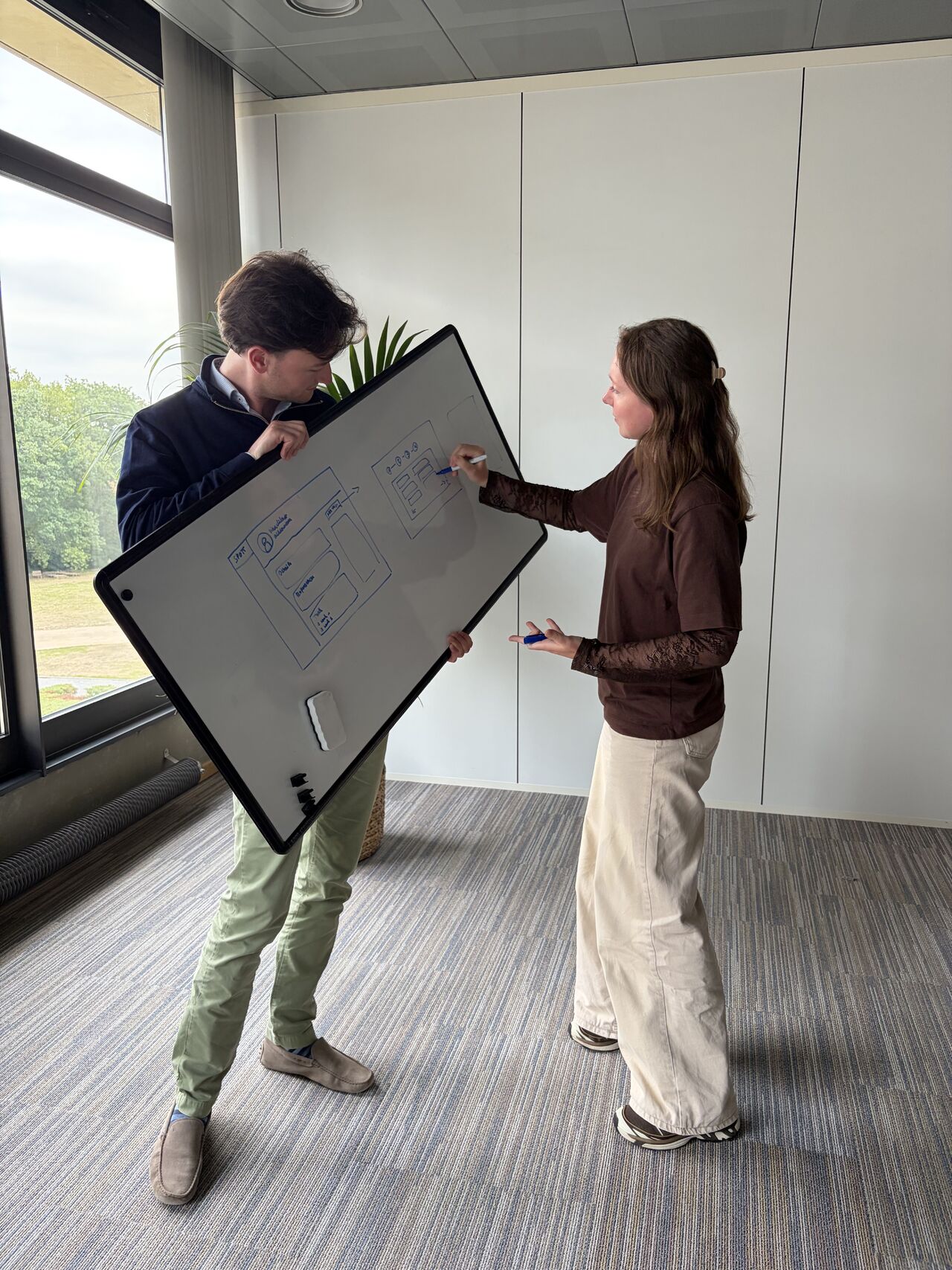
- For bigger deals, the product isn't the demo. It's the product running inside their own architecture, data and habits... That last mile is where AI either becomes a coworker or becomes functionality that nobody touches. Brecht closes that last mile as our first forward deployed engineer. Bigger recruitment agencies have their own rules, tech landscape and workflows nobody ever wrote down. For those customers, the hard part starts after they sign. Getting Spott to run exactly the way they do is a job on its own. So we made it one.
- The org chart drastically changed post AI... Most of middle management is information routing: collecting status updates, summarising progress upward, translating strategy downward. An AI company brain solves this: all context flows in from note takers, emails, Slack etc. AI summarises work, answers "where are we on X" instantly, and gives leadership visibility without humans compiling reports. So the layer whose main job was information routing loses its reason to exist. What AI doesn't replace: the people actually building,
- Next 6-month strategy meeting at Spott before heading to Tomorrowland It's easy to get lost in the trenches. Sometimes you need to zoom out and remind everyone where we're going. Top 4 takeaways: 1. 𝗗𝗼𝘂𝗯𝗹𝗶𝗻𝗴 𝗱𝗼𝘄𝗻 𝗼𝗻 𝗰𝘂𝘀𝘁𝗼𝗺𝗲𝗿 𝘀𝘂𝗰𝗰𝗲𝘀𝘀: Focus on maximizing customer ROI and introducing the concept of forward deployed engineers 2. 𝗥𝗲𝘃𝗲𝗮𝗹 𝘁𝗵𝗲 𝗘𝗢𝗬 𝗼𝗿𝗴 𝗰𝗵𝗮𝗿𝘁: Grow to 60 FTEs and explain how the global offices will work together 3. 𝗔𝗺𝗯𝗶𝘁𝗶𝗼𝘂𝘀 𝗽𝗿𝗼𝗱𝘂𝗰𝘁 𝗿𝗼𝗮𝗱𝗺𝗮𝗽: Ship more
- SaaS fought for your time. Many clicks meant engagement and stickiness. AI completely flipped that: → The process moves to the background. You show up to review the output. → You stop navigating the interface. You start delegating to it. → Pricing starts to follow outcomes, not just seats. Going forward, every click is one too many. The less time recruiters spend clicking around in our product, the better we're doing our job.
Related profiles

This page shows public professional information only, each fact cited. Is this you? send a correction, or ask for removal within 24 hours, no questions asked.