
Overview
Manu Vanderveeren is co-founder and COO of Spott, an AI-native applicant tracking system and CRM built for recruiting and staffing firms. The company was founded in 2024, is headquartered in Leuven, and went through Y Combinator's Winter 2025 batch. Vanderveeren founded it with Lander Degrève, who is CEO, and Samuel Smeys, who is CTO. The three studied commercial engineering at KU Leuven. Before Spott, Vanderveeren worked at McKinsey on strategy, technology due diligence, and HR initiatives, after internships at Morgan Stanley in investment banking and private equity and at CVC. He holds a Master's degree in Financial Analysis from London Business School. By mid 2026 the company reported €3 million in annual revenue, with 75 percent coming from outside Belgium, and around 300 clients including United Consulting, CGP Group, and H.W. Anderson. The team stood at 30 people, with plans to reach 60 by the end of 2026, and Spott opened offices in New York and Sydney alongside its Leuven headquarters, which is relocating to a larger facility at the Philipssite. The platform combines applicant tracking and CRM in one workspace, with AI applied to candidate matching, outreach campaigns, and call summarization.
Vanderveeren studied commercial engineering at KU Leuven, where he met co-founders Lander Degrève and Samuel Smeys, and completed a Master's degree in Financial Analysis at London Business School. He interned at Morgan Stanley in investment banking and private equity and at CVC, then worked at McKinsey on strategy, technology due diligence, and HR initiatives. In 2024 he co-founded Spott in Leuven with Degreve and Smeys, and the company joined Y Combinator's Winter 2025 batch.
As COO of Spott, Vanderveeren runs operations for the AI-Native ATS and CRM serving recruitment and staffing firms. The platform combines applicant tracking and CRM in one product, applying AI across sourcing, screening, and candidate management.
Career history

Insights & ideas
The through-line
Across every post, Manu Vanderveeren treats hiring and team-building as the core mechanic of building Spott, and he insists on doing it personally for as long as possible before handing it off. He sat in on all 30 of Spott's hires himself [6][11], closed the company's first $1M ARR himself as co-founder before ever asking a salesperson to hit a number [11], and only in the most recent posts starts opening founding roles like head of infrastructure, partnerships, BDR, and the company's first designer to other people [1][14]. The preoccupation shifts visibly over the sources: early posts describe a scrappy, founder-does-everything company that forgets to eat [2] and buys 24 Tomorrowland tickets for 8 people "just in case" [5]; later posts show a company scaling from 30 to 60 people, opening a new office in a month [7][15], and hiring a founding recruiter specifically so the founders no longer have to make every hire themselves [14].
On hiring
Vanderveeren treats hiring as a game that can be de-scripted with specificity. He describes it as "a beautiful game of trust as people are good at lying" [4], and his fix for both sides is to demand concrete detail: "Ask for examples" [4], because "specific answers build trust. Vague ones reveal the script" [4]. His three hiring principles distilled from sitting in on all 30 hires are "𝗣𝗼𝘁𝗲𝗻𝘁𝗶𝗮𝗹 𝗼𝘃𝗲𝗿 𝗰𝘂𝗿𝗿𝗲𝗻𝘁 𝗾𝘂𝗮𝗹𝗶𝗳𝗶𝗰𝗮𝘁𝗶𝗼𝗻," "𝗬𝗼𝘂 𝗰𝗮𝗻'𝘁 𝘀𝗽𝗼𝘁 𝗴𝗿𝗲𝗮𝘁 𝘄𝗶𝘁𝗵𝗼𝘂𝘁 𝗰𝗼𝗺𝗽𝗮𝗿𝗶𝘀𝗼𝗻 𝗽𝗼𝗶𝗻𝘁𝘀," and "𝗦𝘁𝗮𝗿𝘁 𝘄𝗶𝘁𝗵 𝗽𝗲𝗼𝗽𝗹𝗲 𝘄𝗵𝗼 𝗲𝘅𝗰𝗲𝗹 𝗮𝘁 𝗺𝘂𝗹𝘁𝗶𝗽𝗹𝗲 𝘁𝗵𝗶𝗻𝗴𝘀, 𝘁𝗵𝗲𝗻 𝗮𝗱𝗱 𝘀𝗽𝗲𝗰𝗶𝗮𝗹𝗶𝘀𝘁𝘀" [6]. He specifically prizes founders-turned-hires, noting "Some of our best hires founded their own start-ups before Spott. And we want more of them" [10], pointing to Nicolas, who "doesn't stop at just building it" and takes "full ownership of customer feedback" [10] as the differentiator.
On early mistakes that paid off
He frames several early, seemingly costly calls as the source of Spott's later speed. Closing the first $1M ARR himself mattered because "If you haven't closed this number yourself, how will you confidently tell a salesperson their target is $2M per year?" [11]. Skipping marketing in year one was deliberate: "Marketing costs the same for one viewer or a million... All focus on product" [11]. On engineering, he says "No shortcuts on the base... we never did, so we didn't have to rebuild everything and kept our speed" [11]. He summarizes the pattern plainly: "Most of what slowed us down early is exactly what's paying off now" [11].
On team culture and small gestures
Vanderveeren repeatedly uses small, quantifiable gestures to describe how he thinks about the team. On his mother cooking lunch for the growing company: "It's one of the few things that has survived every stage of this company, and it quietly carries the team more than we think" [2]. On buying bikes after an office move added walking time to dinner, he ran the numbers into a spreadsheet and concluded "ROI = €6000 / €300 per month = 20x" [3]. He treats headcount growth as something to plan for even when it looks absurd in the moment, as with the Tomorrowland tickets bought "back when we were just 8 people" that "turned out to be exactly the right number" [5].
On growth and scale
He narrates Spott's scale-up in blunt metrics. Halfway through 2026: "Our customer base grew 447% in the first six months of 2026" including having "8x'ed our ARR including our first ever $1M month" and moving APAC "from 3 customers to 20% of our ARR" [9]. He tracks migrations as a proof point of product maturity, noting agencies moved off "30+ different ATS/CRM systems" and that "The 'switching is painful' narrative is dying" now that "one click" handles most data migration [13]. Office and team growth follow the same fast, blunt cadence: expanding from a 20-person office to one built for 60 "in 1 month" [15], and doubling "the team from 30 to 60 across Belgium, New York and Sydney" [14].
From the stage
On the Recruiter Startup Podcast panels, Vanderveeren goes beyond the hiring and growth mechanics of the written posts to talk about where AI fits into the business model itself: he discusses how AI tools embedded in platforms like Spott will enable businesses "to predict funding needs and explore financial solutions within their existing operations" [16]. He also positions himself as an industry moderator rather than just a founder, introducing other panelists and steering discussion toward recruitment market trends, talent teams, and industry recovery, before handing off to a co-panelist's financial and operational-productivity perspective [17], a framing of himself as connector across the recruitment ecosystem that does not appear in his written posts.
Takeaways
- When interviewing candidates, ask for specifics like "Walk me through your highest pressure moments" instead of accepting rehearsed answers [4].
- Favor candidates who show potential and eagerness even if they interview worse than others, and interview enough people per role to build real comparison points before deciding [6].
- Consider hiring people who have founded their own companies before, since ownership behavior tends to transfer directly to product ownership [10].
- Close your own first major revenue milestone as a founder before setting that target for a salesperson [11].
- Delay marketing spend and outside agencies in year one if it means keeping full focus on the product foundation [11].
- Small recurring team rituals, like a home-cooked lunch or ROI-justified bikes, can carry more cultural weight over time than big one-off gestures [2][3].
Media & appearances
- Recruiter Startup PodcastYouTubeBuild Back Better: Live in Melbourne - Panel 1 with Manu Vanderveeren, John Bourke & Victoria KirwinManu Vanderveeren discusses launching Spott, an AI native ATS and CRM platform that started 18 months ago in Belgium and is expanding globally, with Australia launch occurring that month. He also discusses how AI tools embedded in platforms like Spott will enable businesses to predict funding needs and explore financial solutions within their existing operations.
- Recruiter Startup PodcastYouTubeBuild Back Better: Live in Sydney - Panel 1 with Manu Vanderveeren, John Bourke & Victoria KirwinManu Vanderveeren introduces himself as one of the founders of Spot, describing it as an AI native ATS and CRM that started a year and a half ago and has reached close to a thousand users. He moderates the panel discussion, introducing the other panelists and setting up topics about recruitment market trends, talent teams, and how the industry can improve during recovery, before handing off to discuss Paul Masters' financial perspective and operational productivity.
In the news
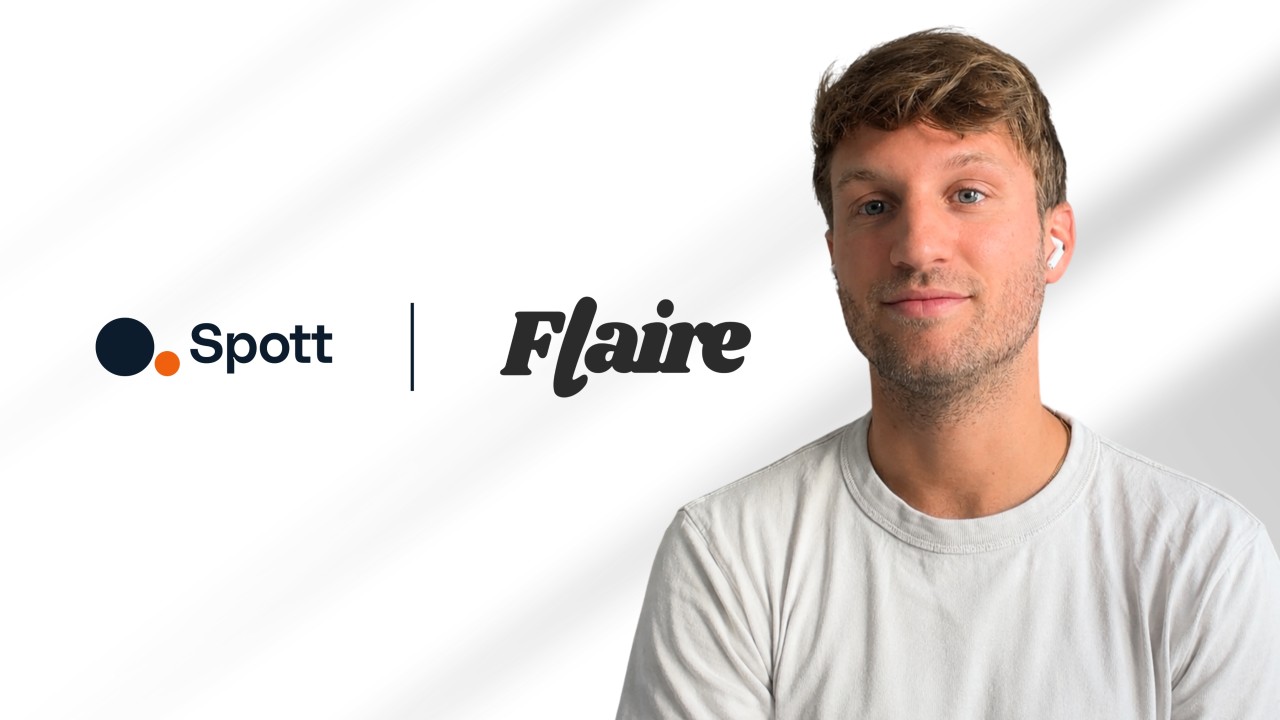
- With the same number of conversations, I think we can do twice as many placements." That's Adrien Moulias, co-founder of Flaire. 15 recruiters in Paris, 400+ engineers placed at frontier AI companies like Mistral. Adrien built and sold an ATS himself before this, so he judges ours by the details. Key points after migrating to Spott: • One workspace replaced four tools: CRM, ATS, Notion and a notetaker • They built their own agent on Spott's API and MCP server. Every morning it matches every active candidate against every open
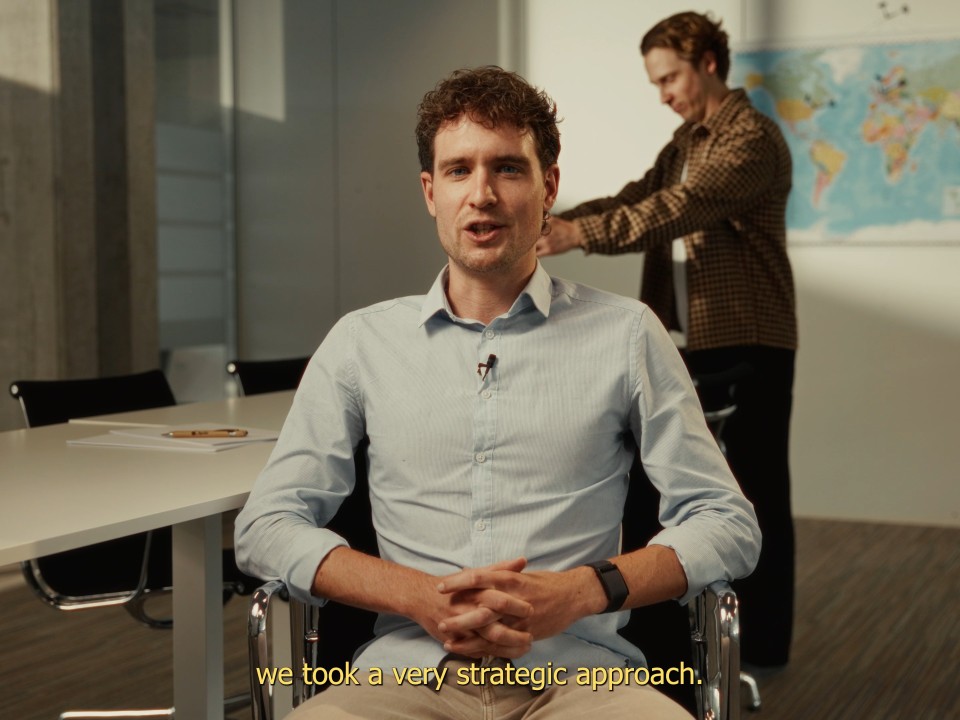
- Spott Sydney is live 🇦🇺 20% of our customers already sit in APAC. Time we joined them. We built a global product from a single office in Belgium. Now the team is going where our customers are. Last week we announced New York, where Tycho is building out the team. Today, Arnoud & Sander are heading down under to do the same. Three offices on three continents means someone at Spott is awake at every hour of the day. 😎
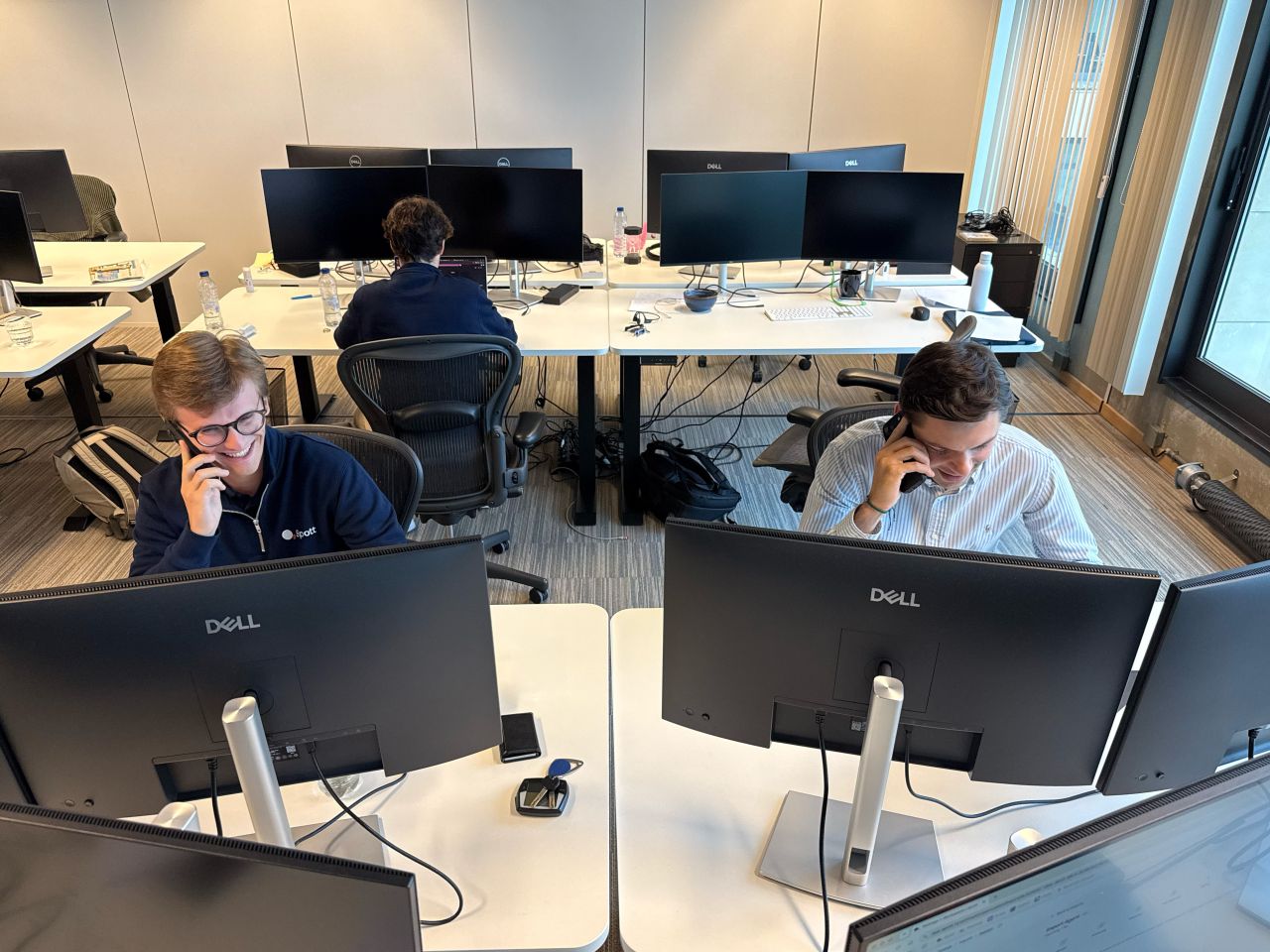
- We're opening our first US office in New York! 🗽 Nearly a third of all our demo requests came from the US before we had anyone on the ground. When customers move faster than your plan, you change the plan. No market has more agencies making more placements than the US. Yet the recruitment software there is nowhere near what you'd expect. A market this big deserves better, and that's why we went. Very excited about this one 🚀

- Outbound time at Spott. 90%+ of our customers came inbound. But same as with recruiting, not everyone is actively looking, even though a better fit exists... So we're doubling down on outbound. Focusing exclusively on product and inbound is a great strategy early on for obvious reasons, but a few things make an inbound/outbound mix healthier: 𝟭. 𝗧𝗵𝗲 𝗯𝗲𝘀𝘁 𝗱𝗲𝗮𝗹𝘀 𝗮𝗿𝗲𝗻'𝘁 𝗶𝗻-𝗺𝗮𝗿𝗸𝗲𝘁 𝘆𝗲𝘁 The customers you want most aren't buying today. They'll buy when their contract expires. Outbound gets there first. 𝟮.
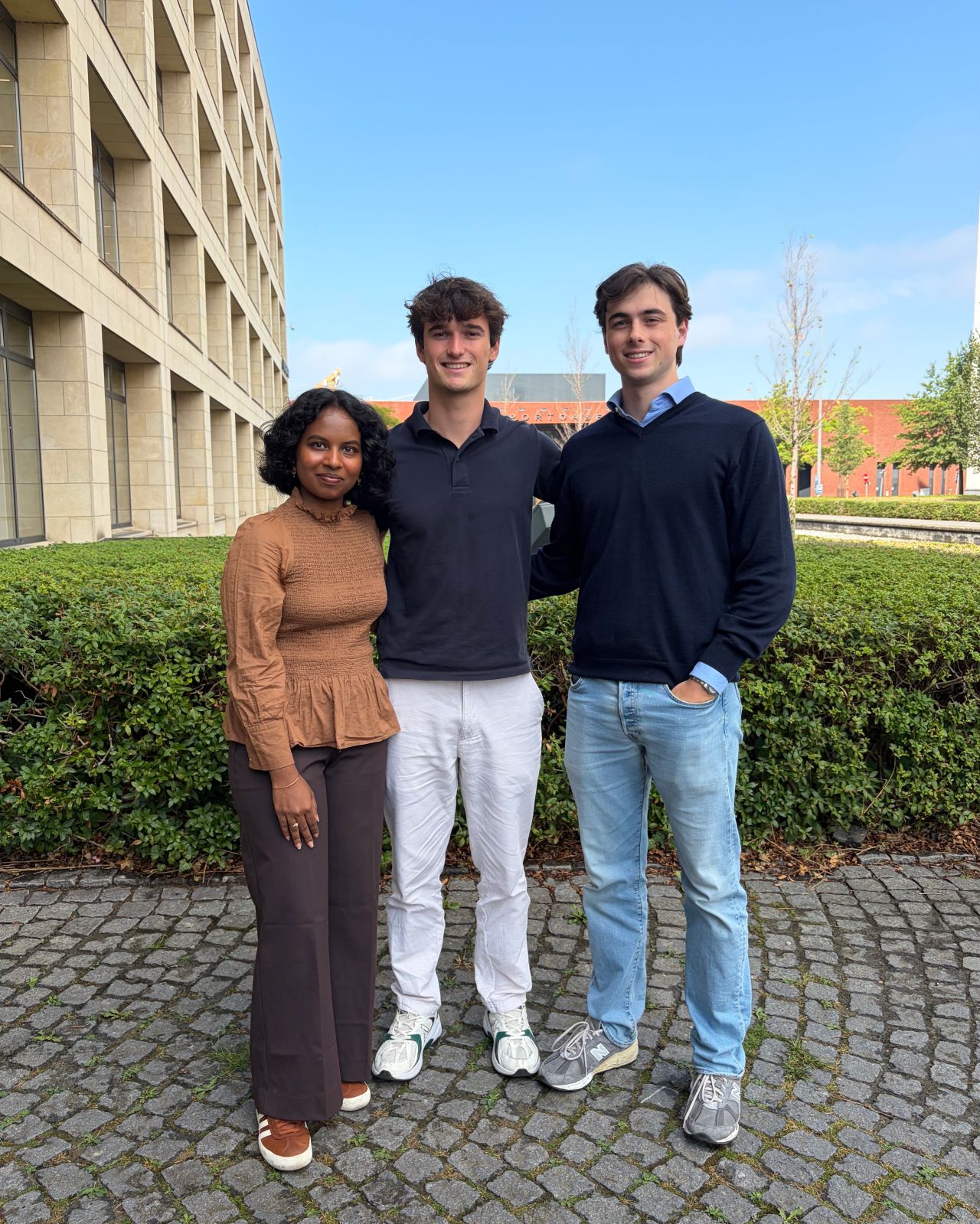
- Thank you Debora, Michel, and Daniel for joining us this summer and for all the great work ☀️📈 Our interns are held to the same standard as every other Spott hire: real work from day one. They built a dashboard for our migrations team to organize the close to 100 migrations we run every month, significantly improved our support center with live videos, and upgraded our internal finance system. Was great having you 🙏
- Spott turns 2! 🥳 Year 2 was very different from the first. Year 1 was about building. Trying and breaking things. A lot of firsts, a small team, and a lot of hard work to turn nothing into something. Year 2 was a different game. We already have a v1 of most things, and nobody has to wear 10 hats anymore. We're 44 people and soon offices globally. The biggest reward used to come from building a great product. Now the kick sits in the impact that comes out of it. Thousands of people using it every day. And we're lucky that our product
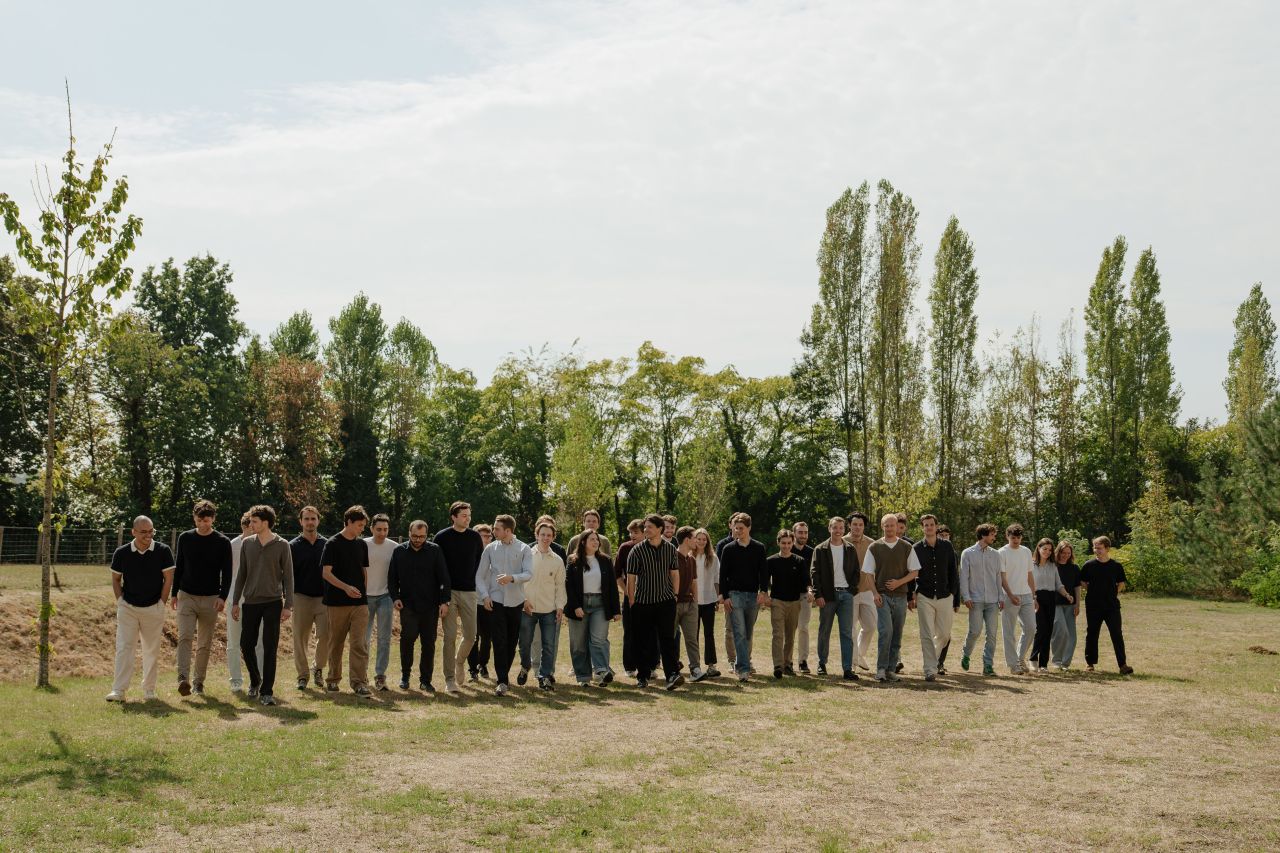
- Say hello to the 6 new faces who joined us this week! Our first time onboarding a whole batch of new colleagues 📈 Days like this are when the vision for Spott's growth actually becomes real. Especially because some of them are the very first in their respective roles! Opening new roles: • Benjamin starts as head of infrastructure • Felix will build out partnerships • Wout opens up the BDR role • Karen is our first designer Strengthening the existing team: • Naomi joins our customer success team • Richard starts as backend software
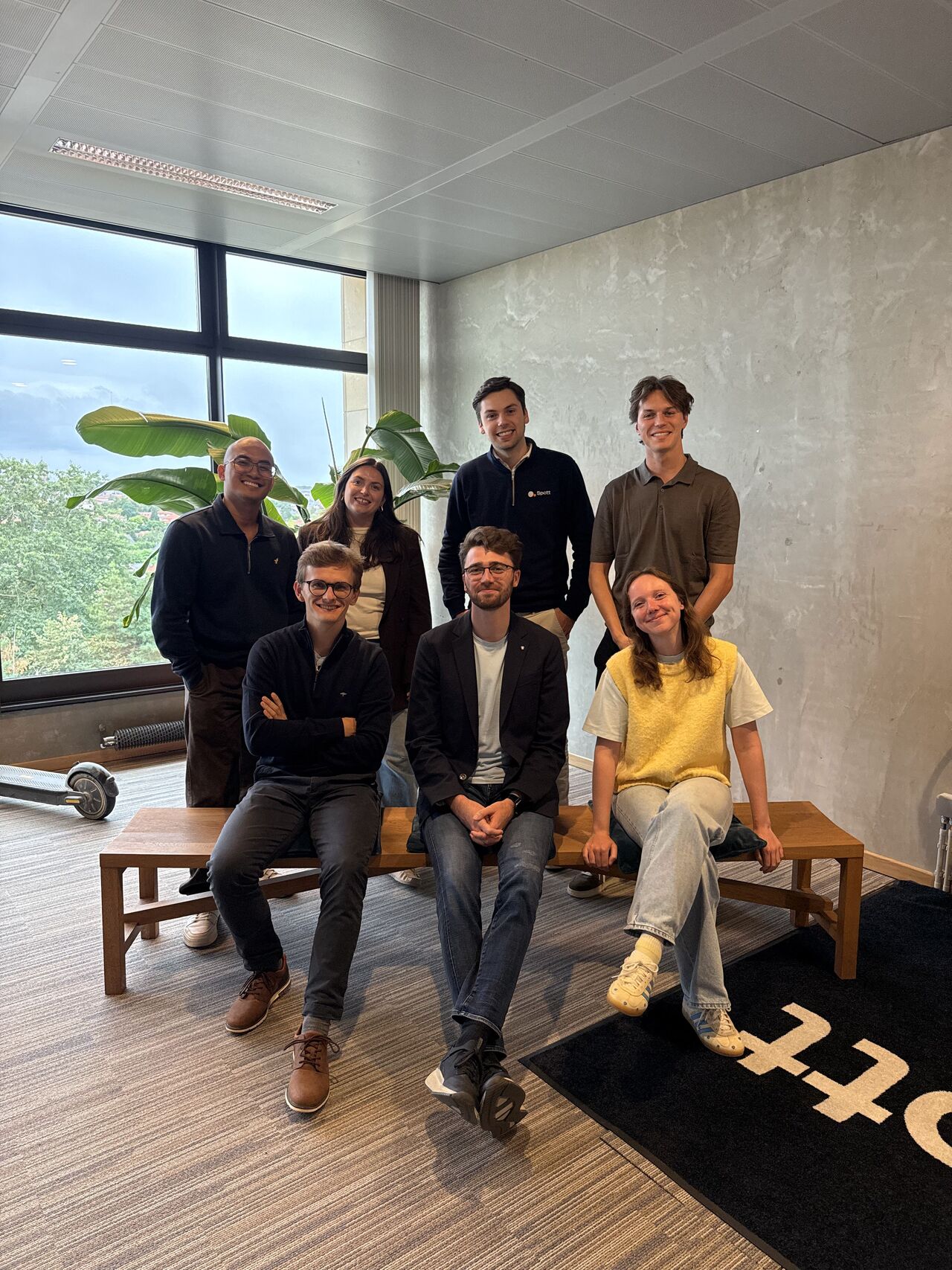
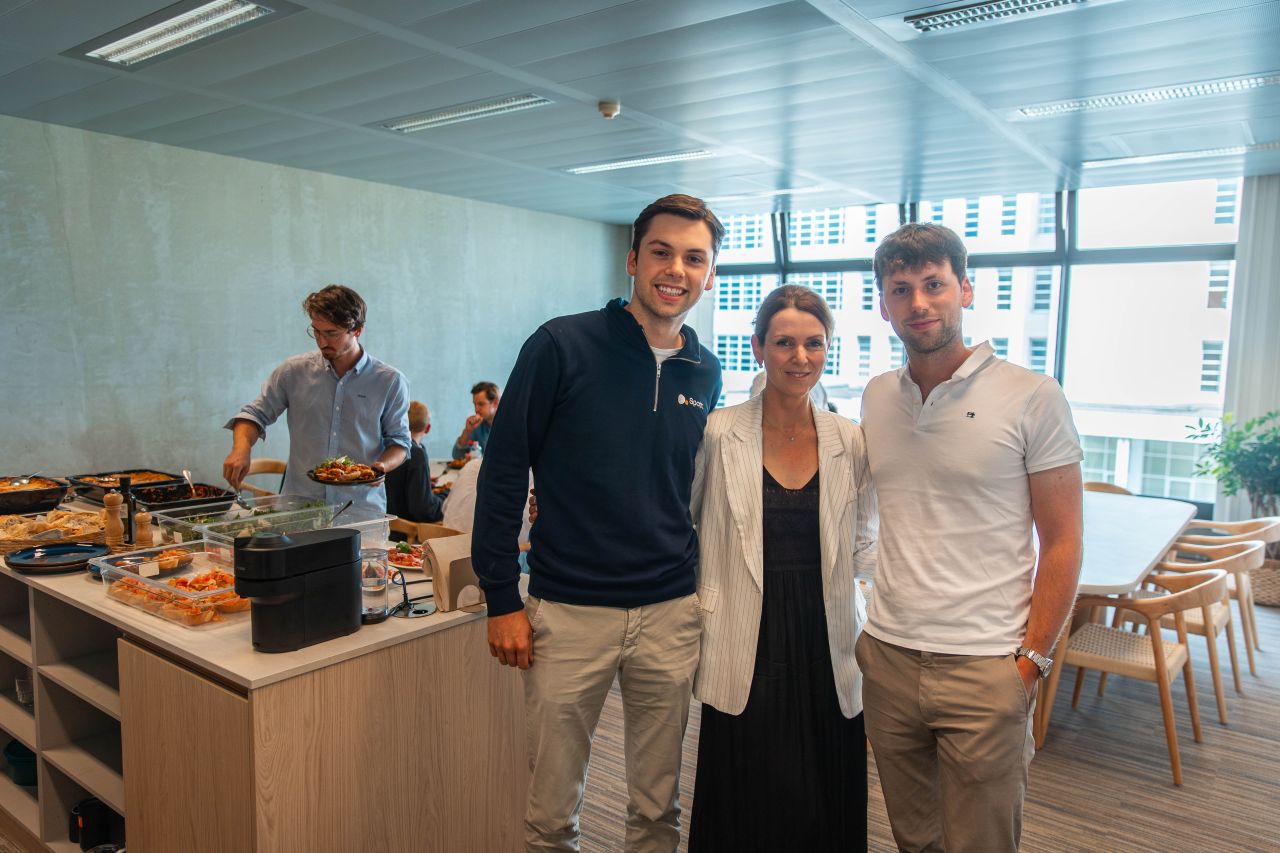
- When we were just 3 people, we often forgot to eat. So my mother started cooking us lunch. We're 40 people now and she still does it. Not sure how, but every Tuesday and Wednesday the food is there. It's the best food we eat all week. On those days, nobody works from home. You can see the mood shift when a home-cooked meal is served. The room gets loud in a good way. It's one of the few things that has survived every stage of this company, and it quietly carries the team more than we think. Mothers are amazing. So many sacrifices,
Related profiles

This page shows public professional information only, each fact cited. Is this you? send a correction, or ask for removal within 24 hours, no questions asked.