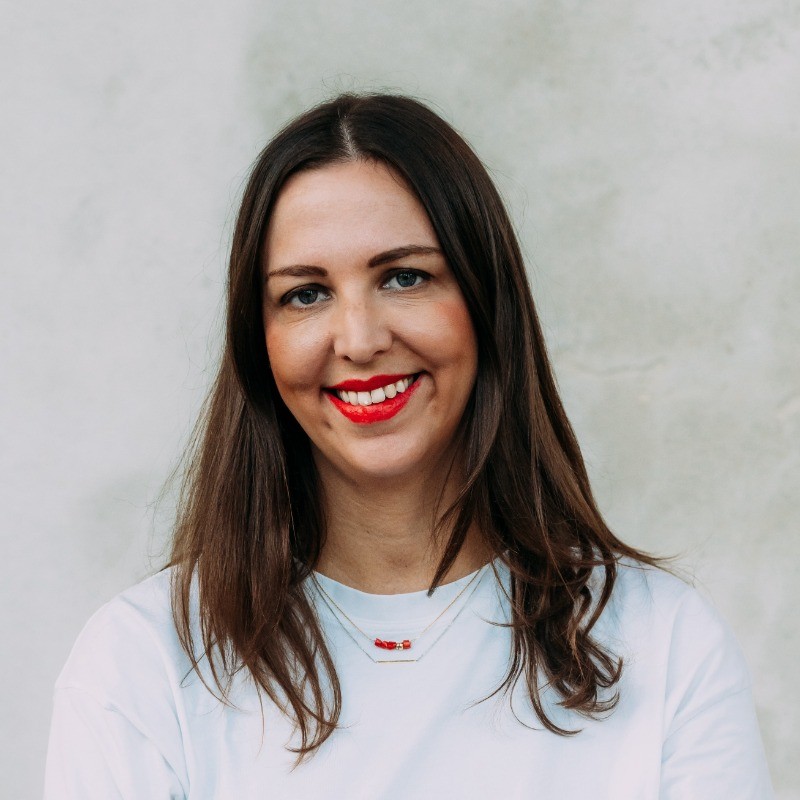
Overview
Based in Ghent, Marie co-founded Tally with Filip Minev to build a simpler, more flexible alternative to existing form tools. Tally lets anyone create forms quickly without design or coding skills, with a generous free tier and a clean product experience.
Tally reached $4M ARR bootstrapped, making it one of the most notable capital-efficient SaaS success stories in the Belgian ecosystem. Her partner Filip Minev previously co-founded Delta, a crypto portfolio tracker that was acquired by eToro.
LinkedIn Voice
Posting style: Transparent and data-forward. Shares product metrics openly, from user counts to NPS scores. Personal tone with genuine enthusiasm for community and bootstrapping. High engagement relative to follower base. Key themes: Tally product growth and milestones, AI/LLM discovery as a growth channel, bootstrapping and saying no to investors, community meetups worldwide, office hours with users Avg engagement: 152 likes, 15 comments Notable post: Tally reached 100K new users in one month with AI as the top acquisition channel, and Claude mentions grew 6x in 7 weeks (706 likes, 90 comments)
Talks about
Career history

Insights & ideas
The through-line
Marie Martens has one governing idea and has spent six years pushing it further than most people would find comfortable: give away as much as you possibly can, keep the thing simple enough that it sells itself, and stay independent enough that you are allowed to do both. Tally was built by two people who did not want to sell. "Onze redenering was: we willen een product bouwen dat zichzelf verkoopt. Want wij zijn allebei heel slechte verkopers." [14] Forms were chosen precisely because they travel: every form exists to be shared, so the product does the distribution [14][12]. The rest follows from there. Free is not a customer acquisition tactic bolted onto the plan, it is the plan. "Wij waren er gewoon van overtuigd dat dat gratis gegeven eigenlijk het meest krachtige was van ons volledig verhaal." [14]
What has moved over time is how far she is willing to take the logic. The early years were about doing unscalable things and shipping almost only free features [14]. More recently the company dropped revenue targets altogether, measuring itself on product quality instead [14], and stopped planning to hire, on the theory that a team of ten with AI in the workflow can reach 10 million [14]. The direction of travel is consistent: fewer commercial guardrails, fewer people, less friction, more given away. Alongside that, a countermovement toward the physical world, meetups, offices, meeting the users who have been around since sign-up #688 [4][3][14].
On free as the growth strategy
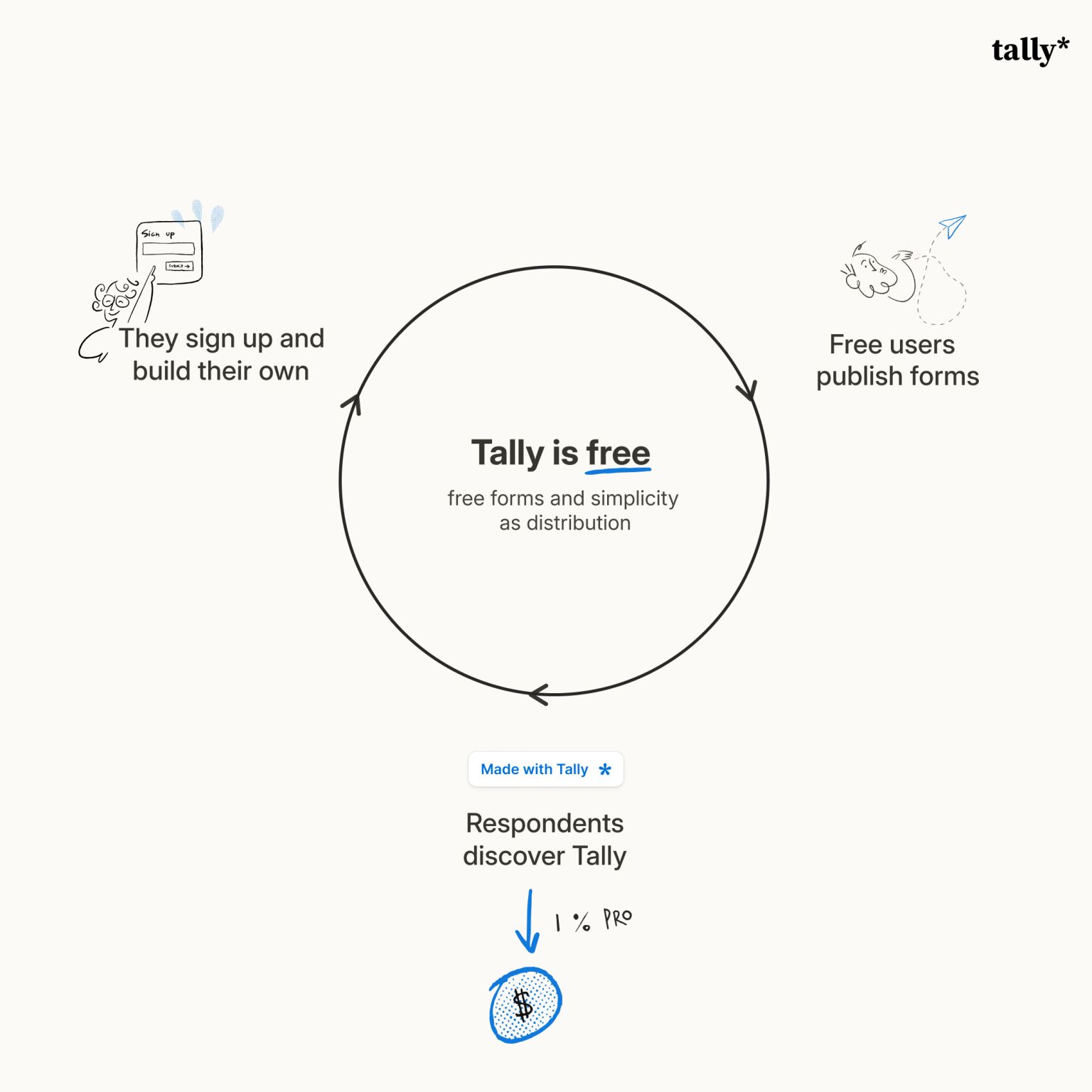
The reasoning is compounding, not charitable: "Hoe meer we gratis geven, hoe meer mensen het product gaan gebruiken, hoe sneller we gaan groeien." [14] Roughly 2% of nearly two million free users convert to paid, and the flywheel is the "powered by Tally" badge carried on every shared form [14]. For the first three years Tally shipped almost only free features, and every new feature is still put through three questions: can we keep it simple, can we offer it free, and will it grow Tally [14]. Things go behind the paywall only when they carry a genuine marginal cost, email notifications at scale or custom domains being the examples, which leaves the free plan richer than what competitors charge for [14].
That positioning was deliberate from the start. Tally was built as a simpler and more affordable alternative to Google Forms and Typeform, aimed at solopreneurs and indie hackers rather than at head-on competition with the established players [11]. The specific frustrations were Typeform charging on submission volume and Google Forms offering no customization [13], so Tally answered with unlimited free forms and submissions wrapped in a Notion-inspired interface [12], and relies on product-led growth through viral sharing rather than a marketing budget [12].
On simplicity and friction
"Alle frictie dat je kan wegnemen, neem je weg." [14] Applied literally, that meant launching with no homepage at all, so visitors landed directly in the form builder, and today it means no account, no email and no credit card until the moment you save or share a form [14]. Simplicity is also an operating cost decision: a radically simple product generates fewer support questions, which is how Tally reached €1M ARR with two or three people [14]. Ease of use and affordability were the two axes chosen at the outset, and everything else was subordinated to them [11].
The complementary discipline is documentation. Every support answer gets written down so that no question is ever answered twice, producing an exhaustive help center and, at two million users, only 100 to 150 tickets a week [14]. And nothing is ever considered finished: "Software is nooit af." [14]
On breaking the bootstrapping rules
Tally did essentially everything conventional bootstrapping advice warns against. It entered a crowded market, built a premium product, and hired in Western countries [12]. It also emerged from failure: the previous startup she and her co-founder ran collapsed during COVID, and Tally launched in 2020 out of that wreckage [13].
She is blunt that bootstrapping is not the gentler route people imagine. There is no salary, no starting capital and no next funding round to aim at, which means you have to ship and sell extremely fast and give it everything [14]. It also requires a financial cushion beforehand: she had ten to twelve years of savings and Philip had an exit behind him, and without that her advice is to run it as a side project and keep your cost of living minimal before jumping [14]. Nor does she sell entrepreneurship as liberation. "Ik denk niet dat je moet ondernemen om vrijheid te zoeken. Uiteindelijk word je slaaf van uw eigen bedrijf, denk ik." [14] The advice she does give is deliberately unglamorous: "Doe vooral wat je graag doet en probeer het simpel te houden. Niet teveel overdenken en gewoon doen." [14]
On independence and dropping revenue targets
Independence is what makes the strategy legal. Building in public with open revenue numbers is only possible because there is no board and there are no investors, and they leaned into it as a differentiator on the principle that everything they can do differently, they double down on [14]. The most radical expression of this came last year, when Tally abandoned revenue targets entirely. "We hebben vorig jaar beslist om geen revenue targets meer te hebben. Dus eigenlijk kijken wij niet meer naar de omzet." [14] The team's single goal is product quality, tracked through feedback scores, on the trust that revenue follows [14]. Her forecast under those conditions is not modest: "Ik denk als wij doordoen zoals we nu bezig zijn, dat wij met 10 mensen aan 10 miljoen kunnen geraken tegen eind volgend jaar." [14]
On AI changing what a ten-person team can do
Her account of AI inside Tally is matter of fact rather than triumphal. "Ik denk de engineers die coderen bijna niet meer hè. Dus dat is allemaal cloud code." [14] The engineering job has shifted to reviewing, and marketing processes have been codified into Claude skills with access to Slack, Notion, Figma and Canva, which is why the ten-person team no longer plans to hire [14]. The leverage is what strikes her most: "Het is crazy wat je kan doen met één of twee personen. Zaken die mij vroeger weken zouden nemen gaan nu plots vrij snel." [14]
The external effect ran opposite to the fear. Vibe-coding tools increased form usage, because people building apps with Lovable plug Tally in rather than writing a custom form backend, on the same grounds as everyone else: it is simple and free [14]. Distribution shifted too. Tally's strong presence in ChatGPT and Claude answers arrived by accident, built out of years of helpful Reddit replies that LLMs cite heavily, large volumes of brand mentions, high domain authority from embedded form links, and the exhaustive help center [14]. Users have followed the same path, building Tally forms through the MCP with Claude [4].
On team, place and doing unscalable things
The 0→1 phase was manual by design: two years of hands-on support and a hand-maintained Notion database of user requests with upvotes, and she says she would do it exactly the same way again [14]. The scale that grew out of it still surprises her. "2,000,000 of you, 10 of us. Wild. When we launched Tally in 2020 I never thought we'd reach so many people, yet here we are." [9]
One experiment she is willing to call a failure is full remote. Moving to a shared office in Ghent with local hires materially improved communication and changed the company's trajectory [14]. The domestic arrangement is handled with the same bias toward removing recurring decisions: as a co-founder couple with children, a strict morning and evening shift system for childcare ended the constant renegotiation and protects deep work time for both of them [14].
On community and meeting users in person
Tally was partly inspired by admiration for how Notion built an engaging product around a passionate community [13], and Martens treats that community as something to be met face to face rather than measured. "IRL > URL" [5]. The London meetup drew over 100 people, a mix of new faces and long-time users [8], hosted at Ramen Space, a co-working space for bootstrappers and indie hackers run by long-time Tally user Charlie Ward [3][6], with a keepsake made specially to thank the people in the room [7].
The relationships are long. Kieran DM'd her four years ago about featuring Tally in his newsletter, was user #688 before Tally properly launched, and they finally met at Create With in Brighton with his laptop open building conference forms [4]. Others were interviewers, or OGs from the Tally Slack community [4]. Her conclusion: "Meeting the people who've been supporting us for years in real life makes you remember why you're building what you're building." [4] It is also the antidote to her own working habits, with thanks to the hosts "for reminding me to leave the office once in a while" [4]. The same openness runs through how the product is shown, including demoing the most requested Tally feature ever, totally unprepared, during office hours and shipping it to beta [10].
Takeaways
- Test every feature against three questions before building it: can we keep it simple, can we offer it free, will it grow Tally [14].
- Charge only for what carries real marginal cost, such as email notifications at scale or custom domains, and ship everything else free so the free plan beats competitors' paid tiers [14].
- Pick a product category with sharing built into it. Forms exist to be distributed, which lets the product sell itself when the founders dislike selling [14][12].
- Strip the trial to nothing: no homepage in the early days, and no account, email or credit card until a user saves or shares [14].
- Document every support answer once so it is never answered twice. Two million users generate only 100 to 150 tickets a week [14].
- Dropping revenue targets and measuring only tracked product-quality feedback is available to you only if you have no board or investors [14].
- Have a personal financial buffer before bootstrapping full time, or run it as a side project with minimal living costs until you do [14].
- Full remote did not work for Tally. A shared office in Ghent with local hires changed the company's trajectory [14].
Media & appearances
- Matt ByromYouTubeEP27: Marie Martens – TallyMarie Martens discusses how she and her co-founder created Tally, a free form-building tool launched in 2020, after their previous startup failed during COVID. She explains that Tally was inspired by frustrations with existing form builders like Typeform (which charges based on submission volume) and Google Forms (which lacks customization), combined with admiration for how Notion built an engaging product around a passionate community.
- Syndicate OneYouTubeA chat with Marie Martens, co-founder at TallyMarie Martens discusses her background in B2B marketing at major Belgian media companies before co-founding Tally with her husband five years ago as a bootstrapped company. She explains that Tally offers a simpler and more affordable alternative to existing form builders like Google Forms and Typeform, targeting solopreneurs and indie hackers by focusing on ease of use and affordability rather than competing directly with established players.
- Ryan WardellYouTubeThe 3 Golden Rules of Bootstrapping a SaaS - Marie Martens, Tally.soMarie Martens discusses how Tally, a form and survey builder she created, deliberately broke conventional bootstrapping rules by entering a crowded market, building a premium product, and hiring in Western countries. She explains Tally's differentiation strategy of combining a Notion-inspired interface with unlimited free forms and submissions, relying on product-led growth through viral sharing rather than marketing budgets to compete against free options like Google Forms and expensive alternatives like Typeform.
In the news
- When users discover Tally via AI tools we ask for their prompts. Here are some of the finest 🫶
- New toy at the Tally office 🟥 🟧 🟨 🟩 60 rows of split-flap tiles, just what we needed.

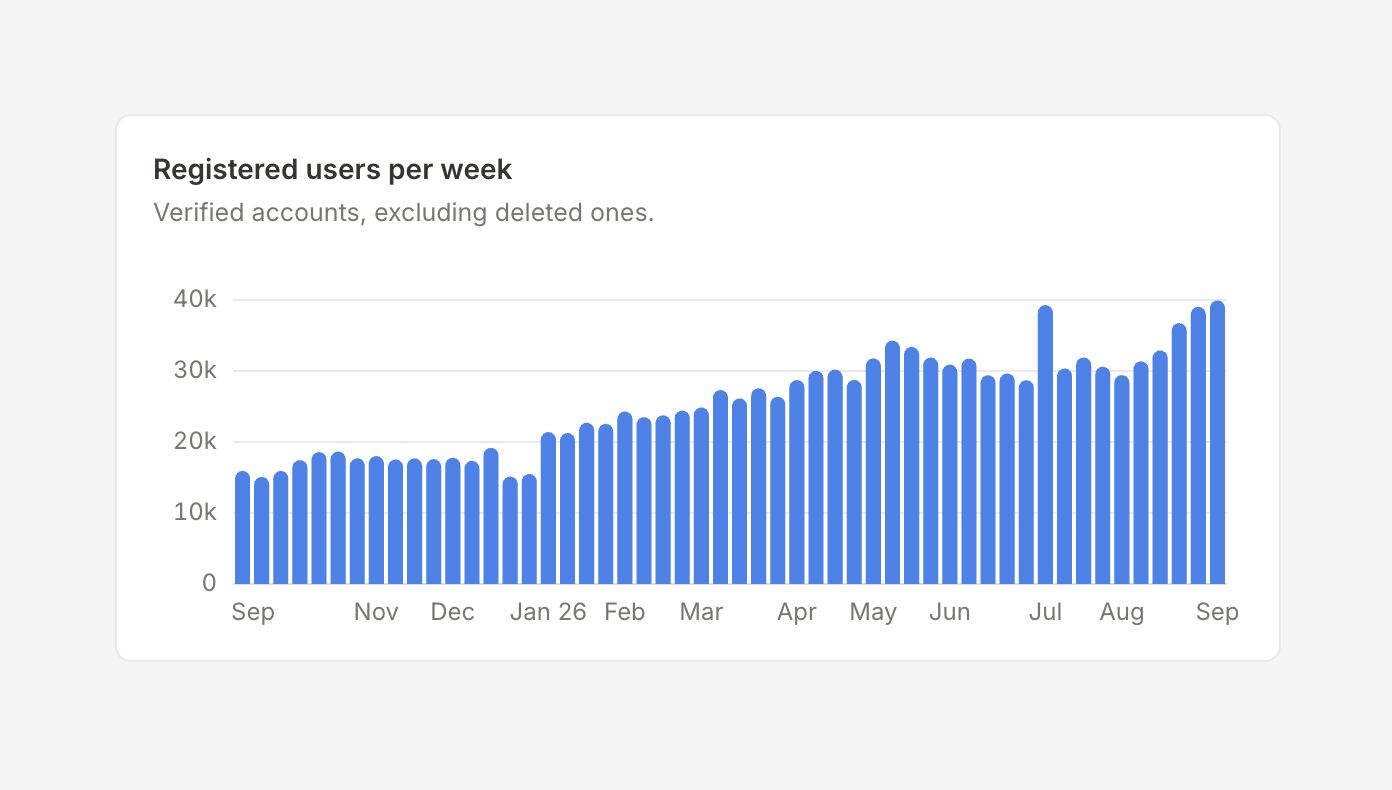
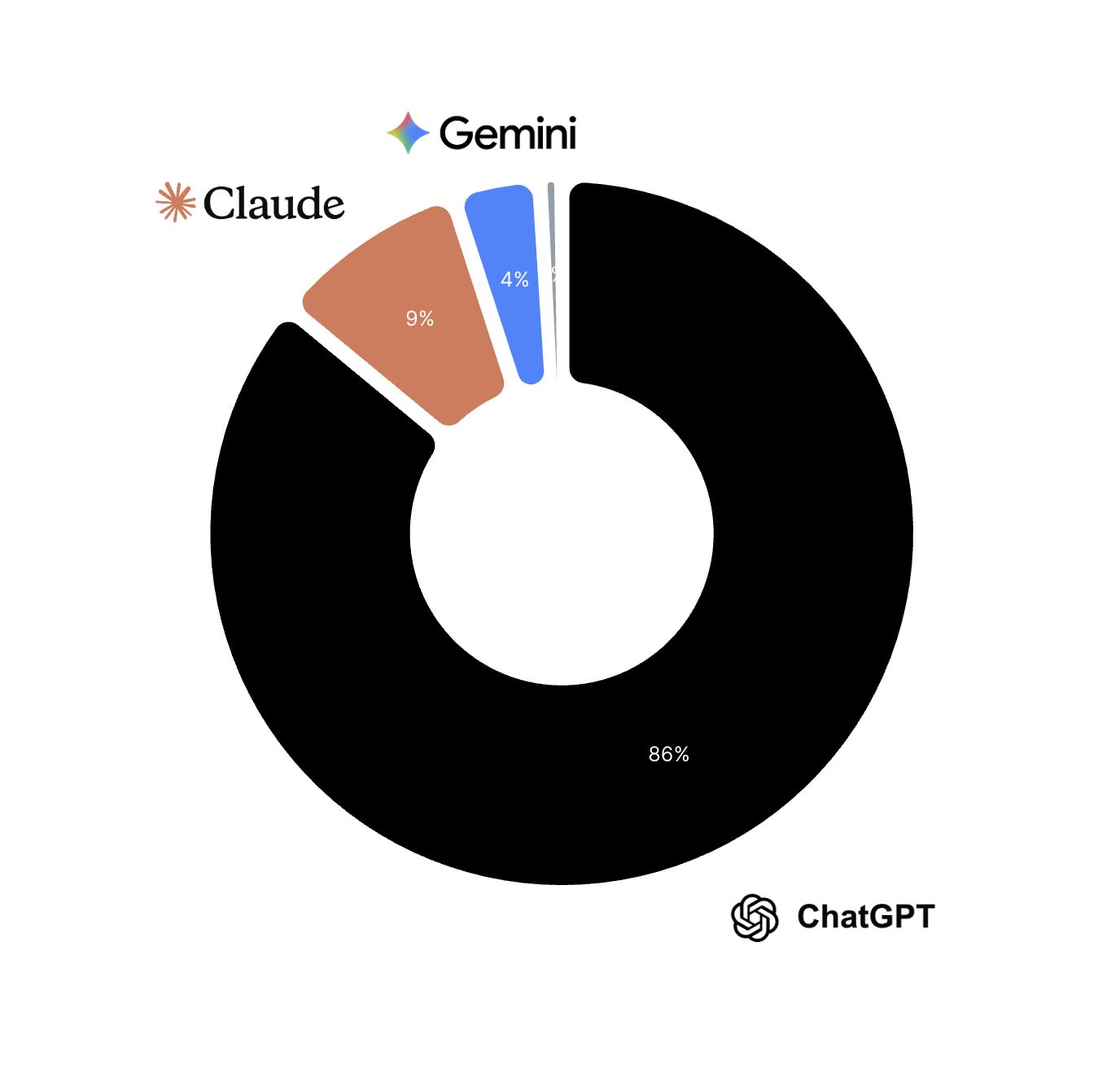
- After a slower summer in terms of signups, we’re back. Last week close to 40.000 users (all-time record) signed up for Tally. 44% of them came via AI assistants: ChatGPT Claude Gemini Other (perplexity, co-pilot, and others)
- Marie Martens en Filip Minev bouwen als koppel aan Tally: ‘Je kan niet tegelijk de perfecte partner, collega, ouder en vriend zijn’Nadat de vonk was overgeslagen in een nachtclub, vonden Marie Martens en Filip Minev elkaar ook als ondernemers. Samen creëerden ze het formulierenplatform Tally. 'Onze vrienden kregen baby’s en kochten huizen, wij gingen vanuit Bali een start-up uitbouwen.'
De Tijd Ondernemen · 12 Sept 2026
- Berlin friends: our Tally meetup on sept 23 is down to the last spots (115 people signed up, wild). Drinks + form yapping + zero sales pitches, at futura house in kreuzberg 🇩🇪 luma.com/5hss5llw

- Tally's connector for Claude ranks #252. With a total of 2.5k connectors, that's not bad at all.

- Since day one, our whole strategy has been giving Tally away for free. We're a bootstrapped PLG company. Free forms and the "Made with Tally" badge are our biggest growth loop: Someone builds a form and publishes it. Respondents fill it out and see the "Made with Tally" badge. Some of them sign up and build their own form, which gets its own respondents, who see the badge again. Today, we have over 2 million users, with 17k of them funding our growth. We don't see that as revenue left on the table. We see it as acquisition
- I check where and how Tally forms pop up every day and I'm never not surprised. - A podcast that collects listener questions through a Tally form in the show notes - A researcher in the UK studying pregnancy and postnatal support - A UX designer running a survey to redesign the menus of their favorite zombie game - A founder's "$0 marketing stack" with Tally as the forms layer - A soccer fan who polls the subreddit after every match and publishes player ratings Looking forward to seeing what you'll build tomorrow 🫡



Related profiles


This page shows public professional information only, each fact cited. Is this you? send a correction, or ask for removal within 24 hours, no questions asked.