Overview
Mathias Celis is co-founder of Alkmist, a Ghent-based Belgian SaaS startup that streamlines audits with behavioral design, gamification, and intuitive team engagement tools.
Mathias Celis is a co-founder of alkmist, a company he started in July 2024. He is based in Ghent.
From September 2019 to November 2024 he was a co-founder of Ad Astra Industries, and from April 2021 to March 2022 he took part in the acceleration programme at Start it @KBC. Between September 2020 and April 2025 he worked as a doctoral researcher at Universiteit Gent, completing a PhD in Business Economics at Ghent University over the period from September 2019 to April 2025. A PhD in Psychology at Ghent University also appears on his record.
Earlier, in 2019, he was part of the winning team of the Expedition DO! acceleration programme at DO! UGent. He studied industrial and organisational psychology at Ghent University, graduating summa cum laude, and spent an exchange period at Uppsala University in 2018 and 2019 studying behavioural psychology and behavioural economics. From June 2012 to December 2016 he was an elite gymnast on the Belgium national gymnastics team.
Insights & ideas
The through-line
Across nearly every post, Mathias Celis returns to one preoccupation: the human cost of unmanaged email and the decision fatigue it creates. He frames the inbox not as a productivity nuisance but as something closer to a cognitive hazard, quoting a criminal lawyer's line that "Mails zijn een beetje de dood van de geest van de mens" [1] and building a whole product, Pidgy, around the idea that speed is the wrong fix for the problem [13][6][5]. Over time the framing shifts from diagnosis to prescription: early posts describe the psychological mechanics of why inboxes trap people [1][10], later posts argue that most AI tools attack the wrong symptom [13], and the most recent posts show him testing and defending an actual product built on that theory [5][6][9][11].
On email as unresolved decisions
Celis's core claim is that every email is an open decision disguised as a message. "Elke mail die binnenkomt [is] een openstaande beslissing met een aanhef en een afsluitzin errond," he writes, and the real question buried in it is always "Verdient dit iets van mij, ja of nee" [1]. He ties this to research suggesting unresolved items are cognitively sticky: "De mails die je leest zonder te beslissen, blijven plakken" [1]. Returning from time off makes the pattern visible: "400 emails, and the first three hours of your week gone... None of that is work. That's finding out what the work is, and it's a miserable way to spend the first morning back" [6]. Even holiday recovery gets colonized by this dread, since "Holiday wellbeing peaks around day eight" and then slides as the imagined pile grows [6].
On treating the disease, not the symptom
Celis is explicit that faster email tools solve the wrong problem. "Most AI email tools just help you answer email faster. That is a faster belt on the same treadmill. You are still running. You have just been handed nicer shoes" [13]. His alternative framing: "The goal is to spend less of your life in there at all, so your real work gets the good hours instead of the leftovers" [13]. He applies the same logic to why people resist switching tools even when they know their current system is broken, invoking "the sunk cost fallacy" to explain why "professionals stick with imperfect tools" and why "the cost of changing is paid today, while the benefit lives somewhere in a vague potential future" [5].
On lists versus plans
A related theme is his insistence that intention without a time and place doesn't produce action. "My to-do list used to be a wish list... The task never got easier. It just got older," he writes, before drawing the operating principle: "A to-do list makes you decide what to do every time you open it. A calendar already decided. You just show up" [10]. This becomes a design principle for Pidgy: "turning the emails that pile up into tasks that actually have a time next to them" [10].
On heat and cognition
In two posts he extends the same cognitive-load lens to physical environment. Heatwaves, he argues, turn "kenniswerkers... in heethoofden," and he traces this to the brain: "Aanhoudende hitte tast namelijk de werking van onze prefrontale cortex aan, het deel waarmee we zouden merken dat we slechter beslissen" [2][3]. He also notes an aging-related detail behind the claim, that older people's internal warning systems are blunted, "Zijn waarschuwingssysteem gaat simpelweg niet meer af" [3], reinforcing his broader interest in how the brain's decision-making machinery degrades under strain.
From the stage
On the "Gele Auto's Tellen" interview, Celis describes something the written posts never touch: his personal coping mechanism for cognitive overload while juggling a PhD and multiple startups, which he calls "cleanup rage," paired with self-care rituals, and he stresses deliberately surrounding himself with people who challenge his ideas and hold him accountable [16]. On the audit-profession podcast, he frames the invisibility of the auditor's work as an aspiration problem: "you can't aspire to something you never see," calling audit "the kiwi of professions" [14], a comparison not developed elsewhere in his written output.
Takeaways
- Treat every incoming email as a pending yes/no decision rather than something to merely read, since unread-but-undecided items stay cognitively "stuck" [1].
- Don't judge an email tool by how fast it lets you reply; judge it by how much of your life it removes from the inbox entirely [13].
- Expect resistance to new systems to come from sunk cost, not from the new tool's quality; the switching cost is felt today, the benefit only later [5].
- Replace to-do lists with scheduled commitments: deciding "when and where" in advance predicts follow-through better than intention alone [10].
- Plan for the real cost of time off to be the return, not the trip: wellbeing peaks around day eight and the first morning back is spent sorting urgency, not doing work [6].
- Recognize that heat degrades prefrontal-cortex-driven decision-making, so treat heatwave workdays as higher-risk for bad judgment calls [2][3].
Media & appearances
- Vol PotentieelYouTubeGele Auto’s Tellen: Opportuniteiten Pakken Met Serie-Ondernemer Mathias Celis // JP02Mathias Celis discusses managing multiple demanding projects simultaneously, including completing his PhD, running and selling startups in the software space, and applying his background in experimental psychology and applied economics to streamline collaboration between financial auditors and their clients. He reflects on maintaining well-being while juggling these ventures, describing how he copes with cognitive overload through periodic "cleanup rage" and self-care rituals, and emphasizes the importance of surrounding himself with people who challenge his ideas and keep him accountable.
In the news
- Episode 4 of "This fl*cking week" was all about feelings. And with that we have a hunch that you need help with feeling better about your mailbox. The solution is in the link in bio.
- Who in my network has bought a Plaud or a Pocket (YC W26) device to record meetings and phonecalls? I have some questions!
- Wanna try it yourself? No credit card needed ! Link below
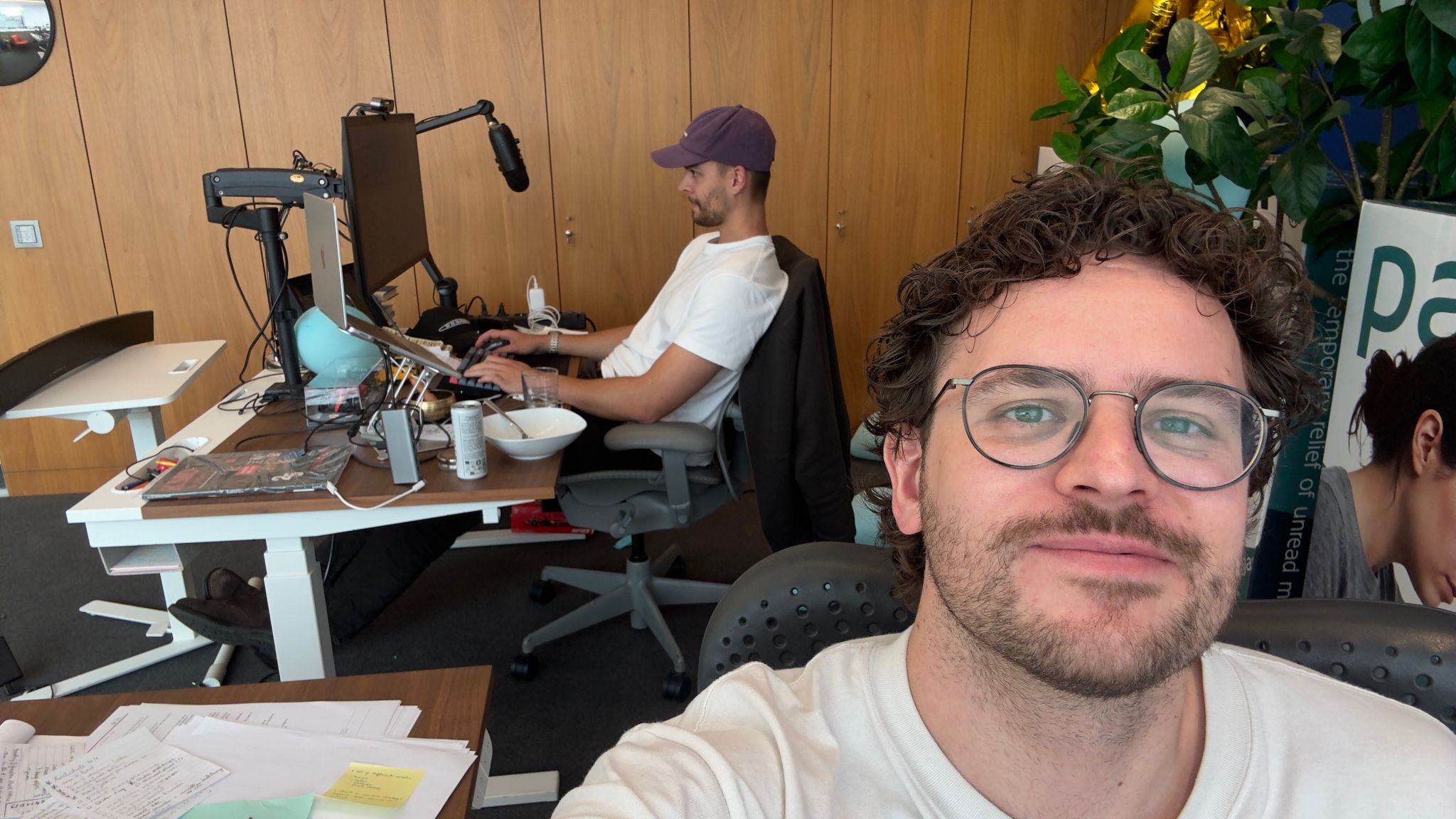
- Vandaag wordt Toto De Brant 28. Hij zit met mij op kantoor. Op een zaterdag. Op zijn verjaardag. Niemand dwingt hem om hier te zitten. We WILLEN hier zijn. Het is een soort oerinstinct dat we de laatste maanden allebei voelen. Alsof er een kantelpunt om de hoek ligt. Beta gebruikers die elke dag terug inloggen op Pidgy, hun oude mailbox voor goed acherlaten, spontaan mensen uit hun omgeving beginnen uit te nodigen. We voelen het in de lucht. Er is iéts aan het veranderen na maanden fine-tuning. Dat doet iets met een mens.. Op 22
- Another week in the books. Overwhelmed by your inbox or curious what we're building? Request private access NOW. You can try it for free, no credit card needed! https://lnkd.in/euEZ5jDc
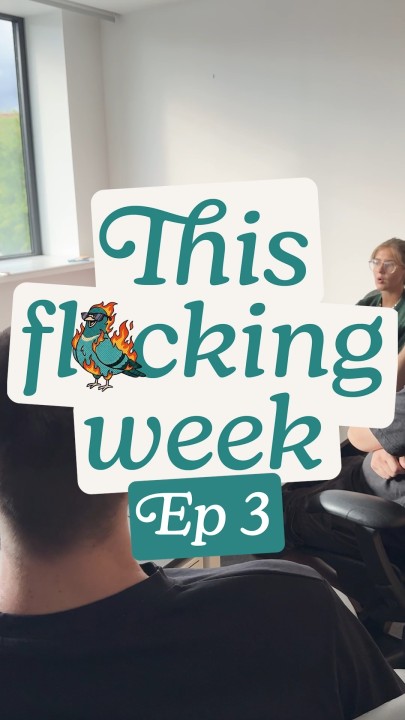
- Episode three of This Flocking Week!! Private access is open. Everyone already on the waitlist has a secured spot, and joining now gets you in too 😜
- I’m up at 4:30, open my laptop at 5:00 and start copiying tasks out of mail into our project management tool” That's the morning routine of a fractional CMO I had a call with. He is copying tasks out of sixteen mailboxes by hand, every morning, before anyone else is awake. 😅 I have spent the last few weeks asking people to open their mailbox and walk me through how they actually work, when onboarding new Pidgy BETA users. I expected a few common patterns but instead I found a different system every time. - One consultant keeps a
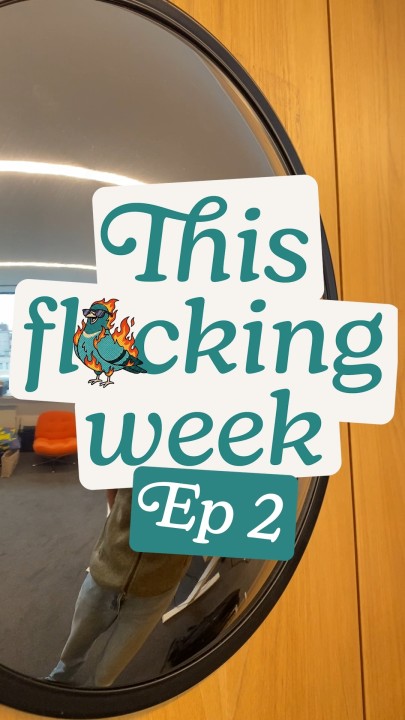
- Letsgooo, our second episode of "This Flocking Week" is out!
This page shows public professional information only, each fact cited. Is this you? send a correction, or ask for removal within 24 hours, no questions asked.