Insights & ideas
The through-line
The consistent conviction is that software for HR and back-office work only gets built properly by standing in front of the people who do that work. Officient was validated before there was a company at all: a clickable prototype in Adobe XD and visits to businesses to ask how they actually handled HR processes, rather than six months of building in isolation. "We hadden nog geen vennootschap, we hadden nog geen code geschreven, we hadden eigenlijk niks, maar we zijn gewoon bij bedrijven gaan kijken" [7]. Years later the same instinct shows up almost unchanged: "De beste HR-software bouw je niet vanachter een bureau. Dus zetten we er gisteren tien experts rond" [5], and a trip to the Netherlands whose purpose was explicitly "we zijn vooral gaan luisteren. Naar hun processen, hun markt, hun cijfers" [2].
What has shifted is the relationship to risk and money. Building Officient meant subsistence salaries, invoicing a year ahead and squeezing advances out of partners [7]. After selling to Exact, the calculus inverted: "Vroeger had ik niks, dus kon ik ook niet veel verliezen, maar nu wilt daar als een goede huisvader mee overweg gaan" [7]. The result is a founder who is more cautious with his own capital than with his own direction, willing to kill a product and pivot the whole company [4] but unwilling to bankroll the next one out of his own pocket.
On validating before you build
The starting point is never code. For Officient the sequence was prototype, conversations, then a company, with the deliberate aim of avoiding the trap of disappearing for six months to build something nobody had asked for [7]. The same approach carried into selling: an early customer bought on the strength of the idea alone. "Ik heb die gebeld: ja, ik heb een nieuw idee, mag ik het komen tonen? En die zei ja, sure. En dan gewoon gaan doen, en die heeft het gekocht op basis van het idee" [7]. The evening with ten HR experts around a table follows the same logic at a later stage of maturity, working through what the agent should be able to do and what it should pick up by itself, from payroll to practical fleet matters to the moments that matter, from how performance reviews get done to where dashboards and reporting should go [5]. His summary of that room, "Zoveel goede ideeën en concrete use cases op één avond. This is why we do it" [5], is the same bet as the Adobe XD prototype: the roadmap is out there, not in the office.
On cofounders and equity
Picking people is a matter of going after the best you know and asking them directly. "Ik heb gewoon nagedacht: ja, wie is de beste developer die ik ken? Dat was de Willem. Dus met Willem een pintje gaan drinken en het idee gaan uitleggen" [7]. The equity split among the four Officient cofounders was negotiated upfront, before incorporation, and weighted by actual contribution in effort, network and market knowledge rather than a reflexive 25/25/25/25. The negotiation itself is part of the value: it shows you early how your cofounders behave when something is at stake [7]. That expectation of commitment runs to money too. For Vendorvue he expected cofounders to put external capital at risk alongside him rather than leaning on his exit proceeds [7].
On cash discipline and how you get funded
Officient was engineered to generate cash before it had any: annual licences invoiced a year in advance, and social secretariat partners asked for advances on future licences, an indirect model in which partners bought licences for their own clients [7]. That in turn created an accounting problem, because revenue booked upfront made the books look worse than the underlying business, so the signed partnership contracts with the sociaal secretariaten became the leverage that convinced banks [7]. Funding came from that mix of prepayments, partnerships, angels, bank loans and subsidies [7]. Founder pay was held at subsistence level on purpose: "Wij kozen er gewoon voor om iemand aan te nemen in plaats van ons loon te verhogen" [7], on the reasoning that the equity was always the bigger stake.
Tight cash also demands a hierarchy of who gets paid. His is explicit and non-negotiable at the top: "Medewerkers zijn ook nooit één dag te laat betaald" [7]. Small startup suppliers were always paid as well. Only large suppliers who could absorb it were asked to wait, and only with proactive communication [7].
On selling the company
Two lessons dominate. The first is that you can benchmark a valuation yourself with a phone: they looked at comparable deals, the Intuo acquisition having happened around the same time, and simply called founders they knew to ask about multiples [7]. The second is that the headline price is the least of it. Earn-outs, signing and closing structures and the rest of the deal mechanics are where the value actually moves, which is why, at Willem's insistence, they hired specialised M&A lawyers: "We moeten hier een goede advocaat, geen Jupiler Pro League maar Champions League lawyers" [7].
On what wealth does to your appetite for risk
The post-exit period is described as unfocused and speculative before it settled: "De ene week voelt je u cryptobelegger, de volgende week belegger, de volgende week zit ge op het internet te kijken hoe dat je in de vastgoedwereld iets moet gaan doen" [7]. The durable conclusion is that money made him more careful, not bolder, because there was suddenly something to lose [7]. The specific discipline he draws from it is to keep his own capital out of his own venture: "Ge zijt altijd verliefd op uw eigen kind, hè. Het risico zou nu ook zijn dat ik zelf heel veel middelen in dat idee steek" [7]. Raising external capital is the deliberate check on that affection.
On crossing borders
Internationalising payroll software is the hard case, because every neighbouring country regulates differently, and that difficulty is what pushed Officient toward selling to Exact rather than raising money to expand [7]. The Netherlands is his standing example, and the contrast has stayed with him almost as a slogan: "Wij hebben ziektebriefjes 🇧🇪. Zij hebben Poortwachter 🇳🇱" [2][7]. Revisiting the market later, the differences run deeper than a single rule: no social secretariats but salariskantoren on every corner, payslips considerably cheaper, no sick notes but a Wet Poortwachter "waar bij ons niemand van gehoord heeft", and HR tools in abundance [2]. His method for entering it is the same as his method for building anything, listening first to processes, market and numbers, and treating "Zoiets hebben we op de Nederlandse markt nog niet gezien" as encouragement rather than proof: "Mooi om te horen. Nu waarmaken" [2].
On what HR software should actually be
The problem statement is blunt: HR is "de afdeling die verondersteld wordt met mensen bezig te zijn, maar in de praktijk verzuipt in payroll, onboarding en 100 admin taken" [3]. The answer is AI that takes that work over so HR is finally rid of it [3]. The product principles are equally definite: "Geen vijf apps met vijf agents, maar alles op één plek voor de medewerker", forms and manual input that disappear, and team managers pulled into the HR story rather than left outside it [5]. Around that sits a refusal to wall the product off: "We geloven bij Peepel keihard in een open ecosysteem. Geen muren rond onze software, wel slimme connecties met de beste spelers in de markt om kmo's écht vooruit te helpen" [6]. The Attentia partnership is framed as a shared mission to end administrative drag and let HR processes flow seamlessly into one another [6], a continuation of the partner-led logic that funded and distributed Officient through the sociaal secretariaten [7].
On pivots and the people who survive them
The clearest statement of what he values in a colleague comes from killing a product. A few months after Diederik joined, they had to tell him Vendorvue was being stopped: "Wel, we gaan iets anders doen." Asked what they would do instead, the honest answer was that they did not know yet and would work it out together [4]. It was Diederik's first job ever and the company had just been turned upside down, which was reason enough to walk, and he stayed and kept building. He now takes customers through go-live, "het moment waarop alles écht moet werken", which Bearelle rates above credentials: "First job, meteen een pivot overleefd, en blijven staan. Zegt meer dan veel CVs" [4].
On awards, and what you actually learn from other founders
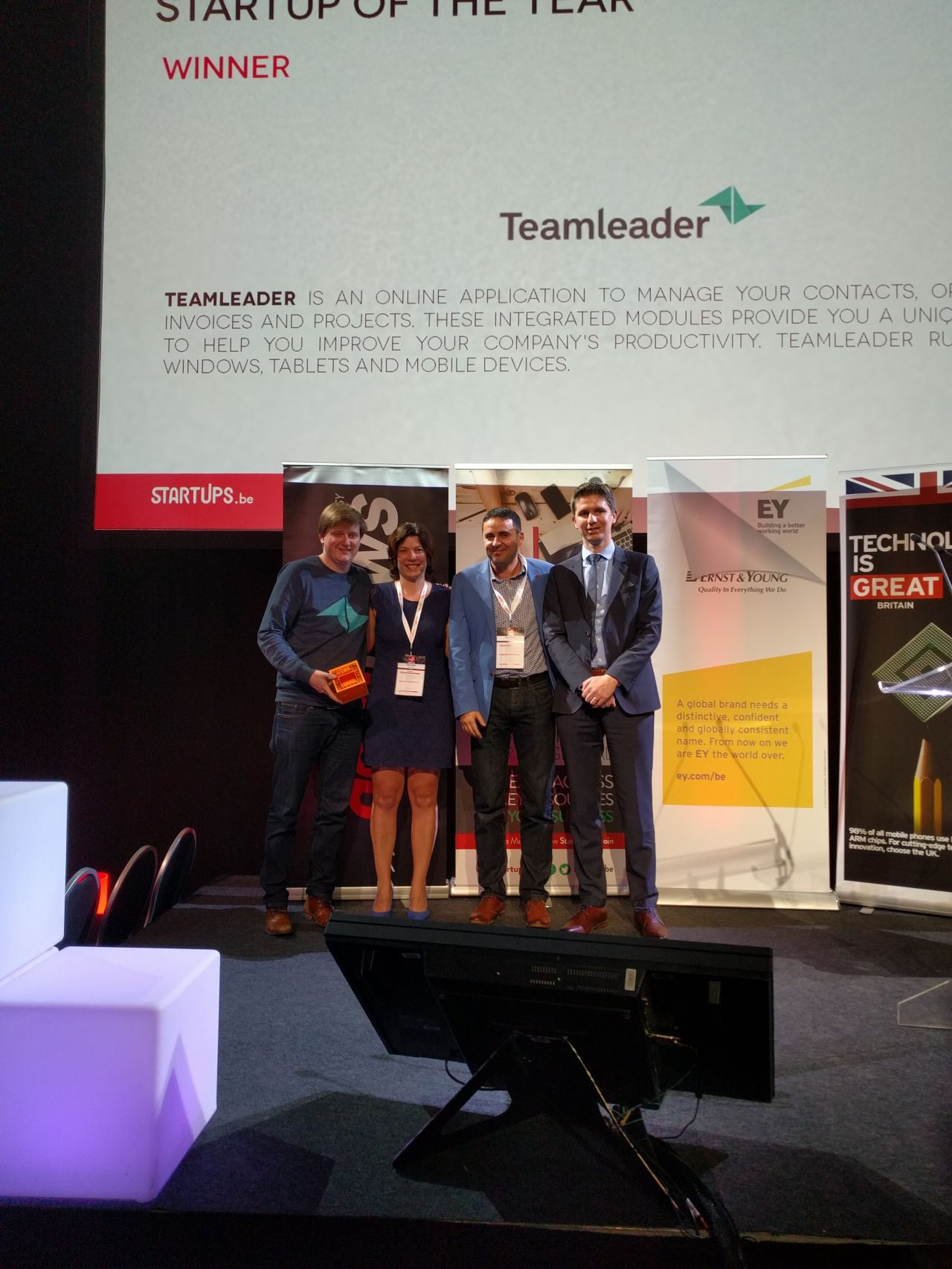
He is deliberately two-minded about recognition. Being nominated means "officieel op een lijst gezet met de mededeling 'goed bezig, maar nog niks gewonnen'", producing a mix of pride and ambition, and he campaigns for the public vote without pretending it is more than it is [3]. The scepticism is direct: awards are just awards, there have been years in Flanders when you could pick up a trophy on every street corner, and "een bedrijf draait op klanten die blijven, niet op beeldjes" [1]. What redeems them is the people who put in the evenings, and the signal that a whole sector is saying watch these guys [1]. The more valuable thing he took from the Teamleader years was watching Jeroen De Wit closely, how he approached things, where he wanted to go, how he handled people when things were not going well: "Daar heb ik meer aan overgehouden dan aan gelijk welke opleiding" [1]. That period is also where the itch to build something himself started [1].
Takeaways
- Validate with a clickable prototype and customer visits before you incorporate or write code; Officient's founders had "nog geen vennootschap, nog geen code" and were already sitting with companies [7].
- Negotiate the cofounder equity split before incorporation and weight it by effort, network and market knowledge rather than splitting evenly; the negotiation also reveals how your cofounders behave under pressure [7].
- Manufacture cash without dilution by invoicing annual licences a year ahead and asking channel partners for advances on future licences, then use the signed partner contracts to reassure banks that the books understate the business [7].
- When cash is short, pay employees first and never late, pay small startup suppliers, and only ask large suppliers who can absorb it to wait, communicating proactively [7].
- Benchmark an acquisition price by studying comparable deals and calling founders you know about multiples, and hire specialised M&A lawyers because earn-outs and signing/closing mechanics matter more than the headline number [7].
- Do not fund your next company mainly with your own exit money: "Ge zijt altijd verliefd op uw eigen kind" [7].
- Treat payroll internationalisation as a regulatory problem first, since sick notes in Belgium correspond to a Wet Poortwachter in the Netherlands and the surrounding market structure differs too [2][7].
- Build for one place, not five apps with five agents, kill the forms and manual input, and keep the ecosystem open with connections to the strongest players rather than walls around the product [5][6].
In the news
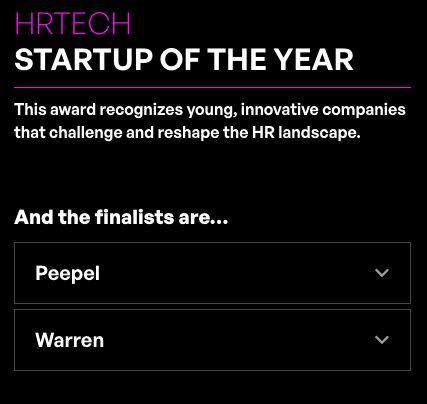
- Geselecteerd ✅ Gestemd ✅ Gepitcht ✅ Finalist ⬜ Gewonnen Merci aan iedereen die gestemd heeft. Next up: 7 oktober. 🚀 Best of luck WARREN, het is al zeker Gents 😉 Peepel 💛 Met Anthony Ringoet en Gert-Jan Vermote
- Ik heb maar een vlieg nodig om naar de maan te gaan." 🌝 Kwam er gisteren zomaar uit, in de auto met Gert-Jan Vermote op weg naar meetings met payroll providers in Nederland. Zo'n ritten zijn ons moment om alles te overlopen. Typisch ik. Ik zie overal business en kan zelden wachten. Ik kom uit een meeting en alles staat op groen, in mijn hoofd heb ik de supermarkt om de hoek al 7 keer overgenomen. Soms naïef, ja. Ik kom al eens van een kale reis terug. Gert-Jan is de andere kant. Hij stelt de moeilijke vragen en doet het diepe

- Ik verkoop de oplossing en ben zelf het probleem. Toen Diederik Bogaert begon had ik geen laptop besteld. Zijn first job ever. We zijn dan samen naar de MediaMarkt gereden, dat is een leuk verhaal geworden, maar het was gewoon slecht geregeld. Ken Depelchin heeft dagen op een antwoord gewacht over zijn hospitalisatieverzekering. Niet omdat het niet belangrijk was. Omdat het moest wachten op mij. De aanmelding bij onze preventiedienst nadat Thomas D'heer was gestart heb ik eindeloos uitgesteld. De payroll stuur ik door in de
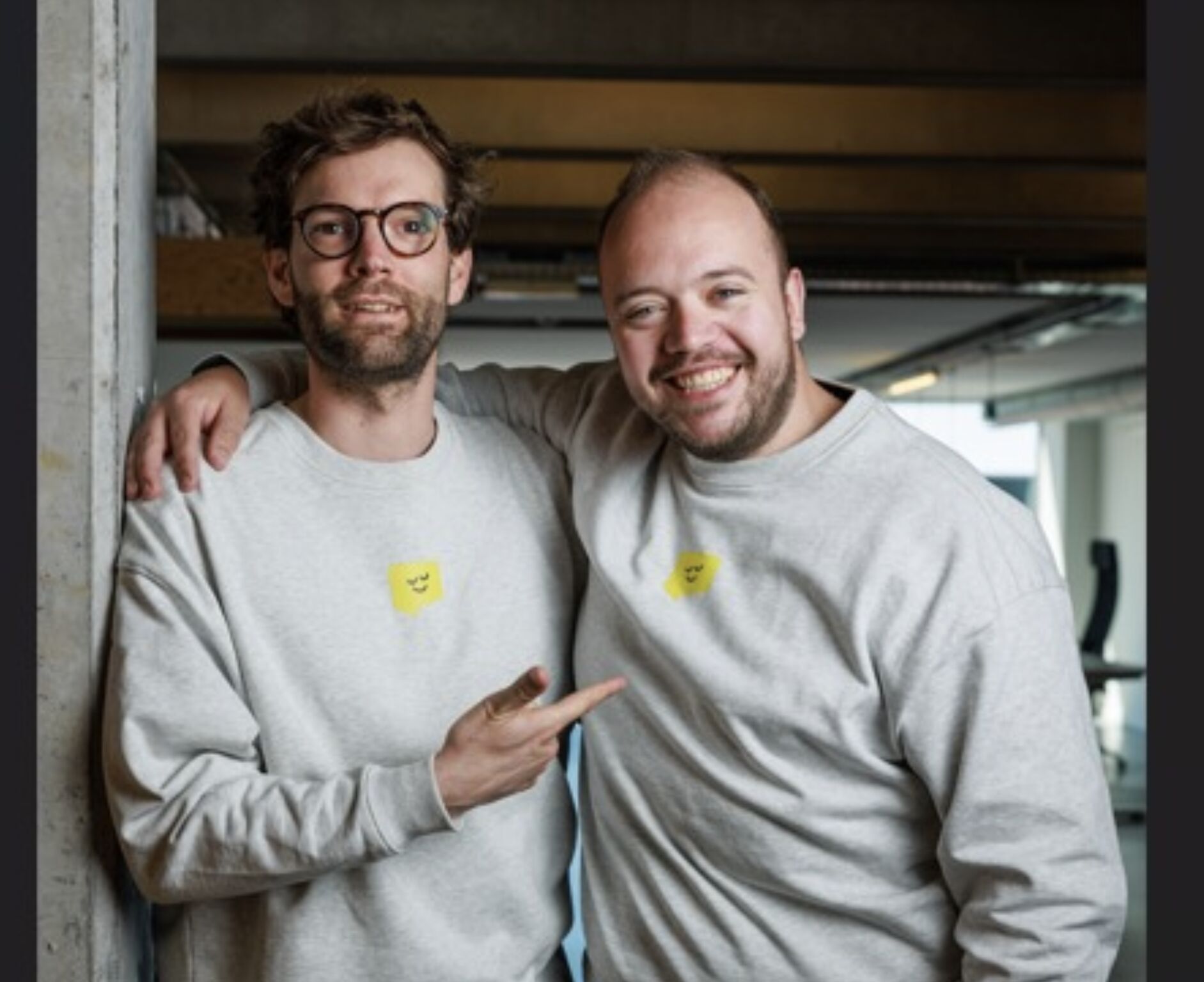
- Deze foto is van 2016. Teamleader wint Startup of the Year. Ik werkte daar toen als sales, niet de man met de trofee, wel iemand die ergens in die zaal stond te roepen. Ik vond dat zaliger dan ik had verwacht. Het was mijn bedrijf niet, maar er stond wel een hele sector te zeggen: watch these guys. En dat waren wij dan. Wat ik toen niet goed besefte: ik stond vooral naar Jeroen De Wit te kijken. Hoe hij het aanpakte, waar hij naartoe wilde, hoe hij met mensen omging als het even niet liep. Daar heb ik meer aan overgehouden dan aan
- Wij hebben ziektebriefjes 🇧🇪 . Zij hebben Poortwachter 🇳🇱 . Ik kom net terug uit Nederland. Twee jaar in Amsterdam gewoond, dus die rit doe ik nog altijd graag: 100%NL op, kaas op een rozijnenkoek, meezingen met liedjes waar ik hier niet voor uitkom. Deze keer voor onze eerste gesprekken met payroll providers. Zakelijk is het daar een andere planeet. Geen sociaal secretariaten, wel salariskantoren op elke hoek. Payslips een pak goedkoper dan bij ons. Geen ziektebriefjes, wel een Wet Poortwachter waar bij ons niemand van gehoord

- Even een paar begrippen uit de doeken doen, want vandaag komen ze samen. Genomineerd (bijv. naamw.) — officieel op een lijst gezet met de mededeling "goed bezig, maar nog niks gewonnen." Zorgt voor een mix van trots en ambitie. HR (afk.) — de afdeling die verondersteld wordt met mensen bezig te zijn, maar in de praktijk verzuipt in payroll, onboarding en 100 admin taken. Wij bouwen AI die dat werk overneemt, zodat HR er eindelijk eens van verlost is. Startup of the Year (znw.) — de titel die wij blijkbaar mogen ambiëren. winnen?
- Wel, we gaan iets anders doen." Een paar maanden nadat Diederik bij ons startte, moesten we hem dat vertellen: Vendorvue zetten we niet verder, we pivoten. Hij vroeg: wat gaan we dan wel doen? Weten we nog niet, gaan we samen uitvinden... Zijn first job ever - en wij gooien net de hele company om. Genoeg redenen om af te haken. Hij is gewoon blijven bouwen. Vandaag trekt hij onze klanten door hun go-live: het moment waarop alles écht moet werken. Geen kleine verantwoordelijkheid voor iemand die een jaar geleden zijn allereerste
- De beste HR-software bouw je niet vanachter een bureau. Dus zetten we er gisteren tien experts rond. 🚀 Het ging over skills en routines, wat onze agent moet kunnen en wat die uit zichzelf moet oppakken. Van payroll naar praktische fleetzaken tot de moments that matter. Van hoe je performance reviews doet tot waar dashboards en rapportering heen moeten. Geen vijf apps met vijf agents, maar alles op één plek voor de medewerker. Formulieren en manuele input die verdwijnen. De teammanagers die je mee in het HR-verhaal trekt. De
Related profiles
This page shows public professional information only, each fact cited. Is this you? send a correction, or ask for removal within 24 hours, no questions asked.