
Overview
Peter De Ranter is the founder and chief executive of Tilroy, a company he started in March 2014 and continues to lead from Antwerp. His stated areas of expertise are retail technology, point of sale and SaaS.
Before Tilroy, he was managing director of prosteps from July 1999 to March 2016. Earlier in his career he worked at Colruyt, first as an electronic and system engineer with Dolmen / Colruyt from June 1990 to January 1993, and then as an application manager from 1993 to 1997.
He studied industrial engineering with a focus on computer systems at De Nayer, and completed his secondary education in Wetenschappelijke A at Sint Norbertus between 1980 and 1986.
Career history

In the news
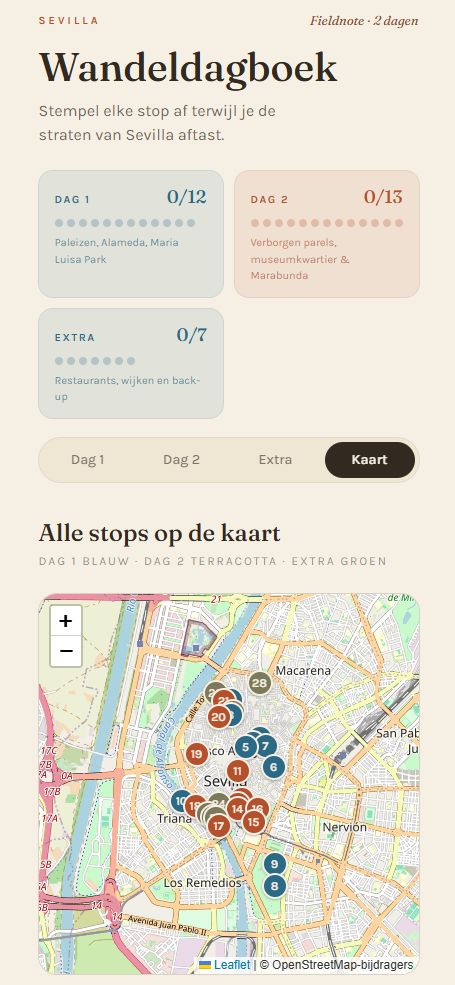
- One prompt, one app. That is the story everyone believes right now. Sevilla, this summer. On a bench, in the morning, I built a city app. No laptop, just my phone. My to-do list as the input. It turned that list into a two-day plan. 32 stops on a clickable map, tick them off as you walk. Even when you go off route on impulse. Half an hour of work. And it worked. That is how simple it looks. And that is how clients arrive at the table today. But that little app was not scalable, not secure, and almost everything sat in the frontend.
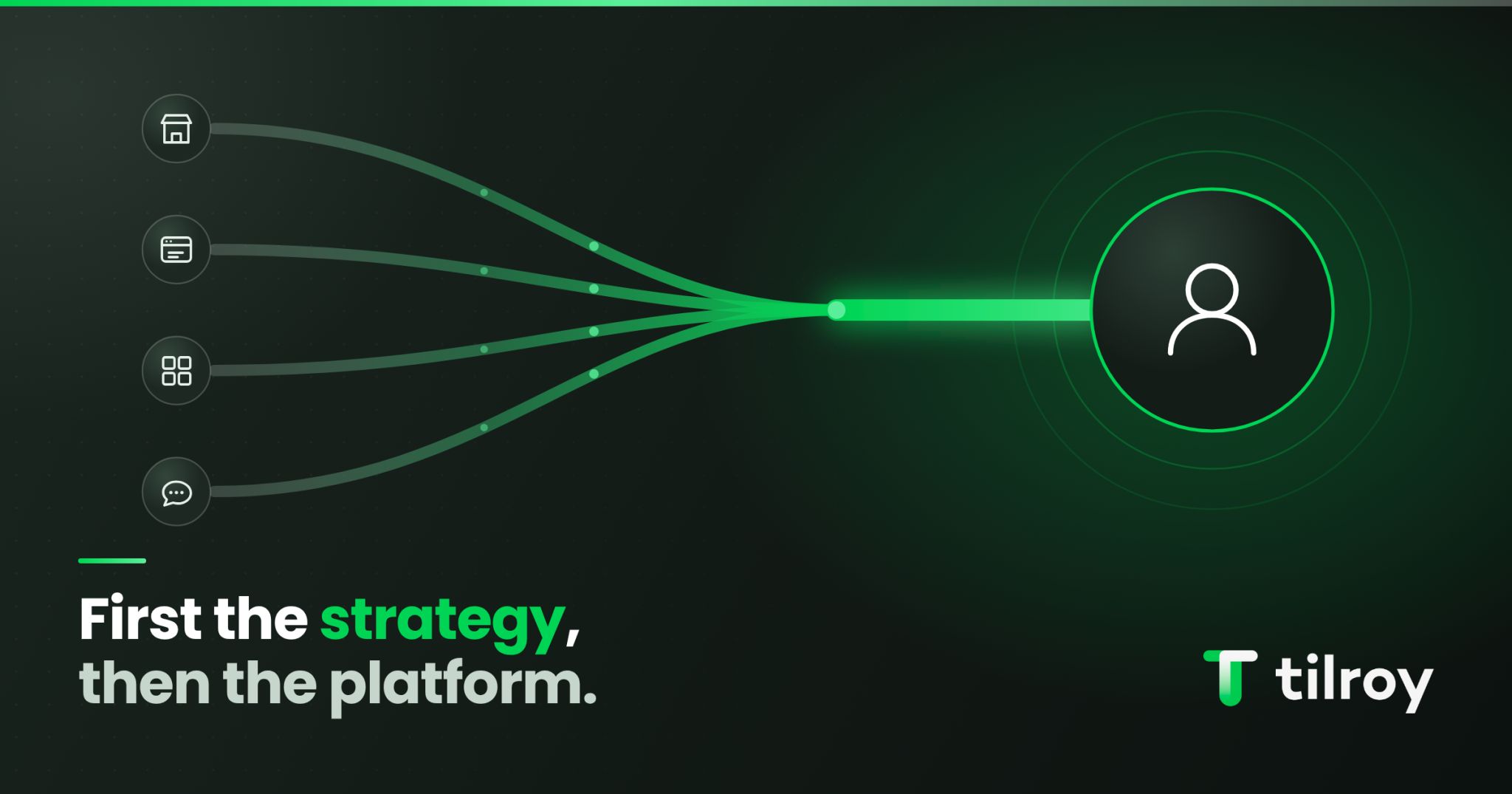
- Just another e-commerce platform won’t fix the online revenue. I see this constantly: • For example two fashion retailers both on Tilroy native e-commerce, one booms online, the other barely moves. • Another migrates webshop to another platform, using our integrations, chasing growth, but numbers stay flat. The platform rarely holds the key. The retail concept and strategy does. E-commerce for store-based retailers breaks down into two distinct strategies: 1. Targeting your existing buyers: Your webshop isn't a standalone store.
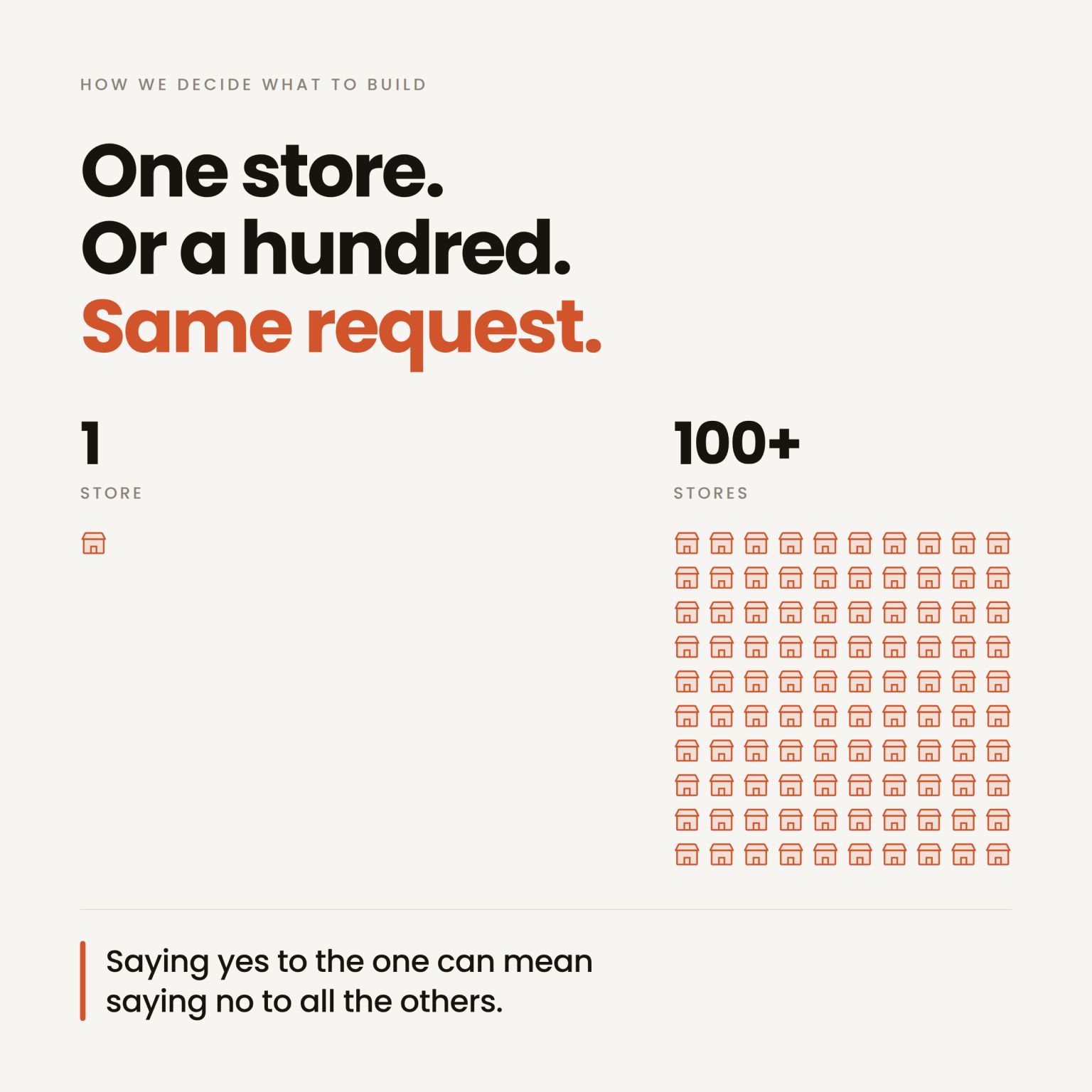
- Nobody sends an angry email to Microsoft. They send it to us. We build retail software for stores of every size. Some of our customers run one store. Others run 100 or more. Same product, very different worlds. Last month a retailer with two stores asked for a feature. Very specific. Built for how they work. No other customer would ever use it. Their argument: "this benefits everyone." Their expectation: we build it for free, roadmap material. We said no. You know what it can cost. Not a number on a churn report, a relationship you
- Almost six months ago, Ken Hughes handed me a bracelet and said, "You'll understand after the presentation." It was the morning of Retail Reconnect. It the afternoon Ken crushed his keynote on connecting with customers. After the event, my bracelet went into a drawer. Today, I found it again while cleaning my desk. And it finally clicked. Ken didn't just preach connection. He built it, every single person he met, from booking him to landing in Belgium. That bracelet was more than a souvenir. It was proof. Retail's the same. The
- But we just invested in our current system. I hear this sentence when I talk to retailers. The money is already spent, whether you keep the system or switch to a new one. The real question is different: "If you had to decide today, would you make the same choice?" Usually, the answer is no. To prove it, we made a quick video with AI. No branding, just a simple story, a test to see if AI can make a boring topic like "sunk costs in retail IT" interesting. Turns out, it did. Better than I expected. Let's post it because it's good, not
Related profiles
This page shows public professional information only, each fact cited. Is this you? send a correction, or ask for removal within 24 hours, no questions asked.