
Overview
Pieter Boon is a co-founder of ImpactPilot, a role he has held since May 2023. He is based in Antwerp, and his stated areas of expertise are customer success, HubSpot, account management and software as a service.
Between January and November 2023 he worked as a strategy consultant at Altura. He joined 24sessions, a MessageBird company, in July 2016 as head of customer success, and from February 2021 to January 2023 led customer success for video solutions there. Before that he spent five years at Google, starting as an account strategist in September 2011 and moving through the roles of agency strategist, senior agency strategist and agency development manager, before leading a team of agency development managers from July 2015 to July 2016. Earlier he was a press office assistant at Maastricht University and an intern at one small seed pty.
Boon studied European studies at Maastricht University, followed by a master's in communication and media studies there, and a master's in European studies at the Vrije Universiteit Brussel. He also attended Sint Gummarus.
Career history

Insights & ideas
The through-line
Across every source, Pieter Boon returns to one core problem: customer success teams mistake surface-level signals for real value, and by the time the gap becomes visible it's too late to act on it. Early posts frame this as a data and metrics problem (proxies, dashboards, health scores), while later posts push it into people and culture territory (psychological safety, management, hiring). The shift over time is from "how do we measure this correctly" toward "how do we build a system and a team culture that surfaces the truth early enough to do something about it" [1][4][7][12].
On proxies and surface signals
Boon repeatedly warns against trusting the numbers that are easiest to pull. "All our metrics are proxies. Emails sent, features used, active users. None of them actually tell me if the customer is succeeding" [12]. He describes how identical dashboard numbers can hide opposite realities: "Usage looks fine on the dashboard; but is anyone getting real value, or just logging in out of habit?" [1]. The fix, in his view, is not more dashboards but instinct: "The best CSMs I know are a little paranoid. They don't take the surface signals at face value" [1].
On playing offence, not just defence
He splits CS work into two motions. Defence is catching risk early: "that's what defensive is all about: tracking the signals that flag risk early on before it's too late" [7], and he traces a typical account loss where "the signal was there in month 2" but the team only reacts in month 11 [7]. Offence is different and, he argues, neglected: "defence alone doesn't grow accounts. For that, you need offence... working backwards from the outcome to the activity that drives it" [2]. To founders he condensed this into three steps: unify the data, "defend your base," then "play offence. Don't just react; set milestones and chase them relentlessly for every account" [13].
On psychological safety for flagging risk
A recurring conviction is that CS teams fail not because CSMs miss things, but because they're afraid to say what they see. "A flagged risk is a win... An unflagged risk is the actual failure. Not because the CSM missed the renewal, but because the system didn't let them speak up in time" [4]. He connects this directly to team behavior: "If CSMs think raising a concern gets them blamed for it, they'll stop probing. They'll wait for someone else to notice" [1], and diagnoses the fear underneath so-called proactive initiatives: "CS people are scared they'll get blamed for churn they had no power to prevent" [5].
On managing the team, not the metric
Boon is explicit that retention numbers alone punish the wrong people. His best CSM "had the worst NRR on the team" but delivered outcomes and saves on the hardest accounts, leading him to conclude: "Manage your CS team on retention numbers alone and you'll reward the easy book and punish the people doing the real work" [11]. He extends this to management itself, noting that promoting a top CSM into a leadership role without support is a common failure: "Your best CSM can become your worst people manager... Being a good manager is a completely different skill set than being a good customer success manager" [6].
From the stage
In interview and podcast appearances, Boon draws a sharper line between customer support and customer success than his written posts do: support is "reactive responses to customer questions" while success is "proactive outreach to help customers achieve goals," requiring the CSM to be "on the front foot to lead customers toward value realization" [15]. He also states directly that not every SaaS company needs a dedicated CS function, arguing that the need depends on "product complexity and pricing tier," with simpler, lower-ticket products able to rely on tech-touch solutions instead [15]. Separately, he traces the origin of ImpactPilot to his own experience at 24sessions, where adopting a CSP too early "created organizational strain due to lack of resources and data flow into the platform," which shaped his emphasis on ecosystem integration from day one [14].
Takeaways
- Don't treat login counts or feature usage as proof of value; ask what's happening underneath the number before calling an account healthy [1][12].
- Build a "flagged risk is a win" culture: reward CSMs for raising concerns early rather than penalizing them for the churn that follows [4].
- Split CS activity into defence (early signal tracking) and offence (specific, coachable activities tied to outcomes), since defence alone doesn't grow accounts [2][7].
- Evaluate CSMs on the difficulty of their book and the outcomes they drive, not NRR alone, or you'll punish people working the hardest accounts [11].
- When promoting a top CSM into management, give them a mentor and leadership training; the skills for executing and for enabling others don't transfer automatically [6].
- Before a CSM team can be genuinely proactive, define what "successful" actually looks like for an account; otherwise "be more proactive" is just a slogan [5].
Media & appearances
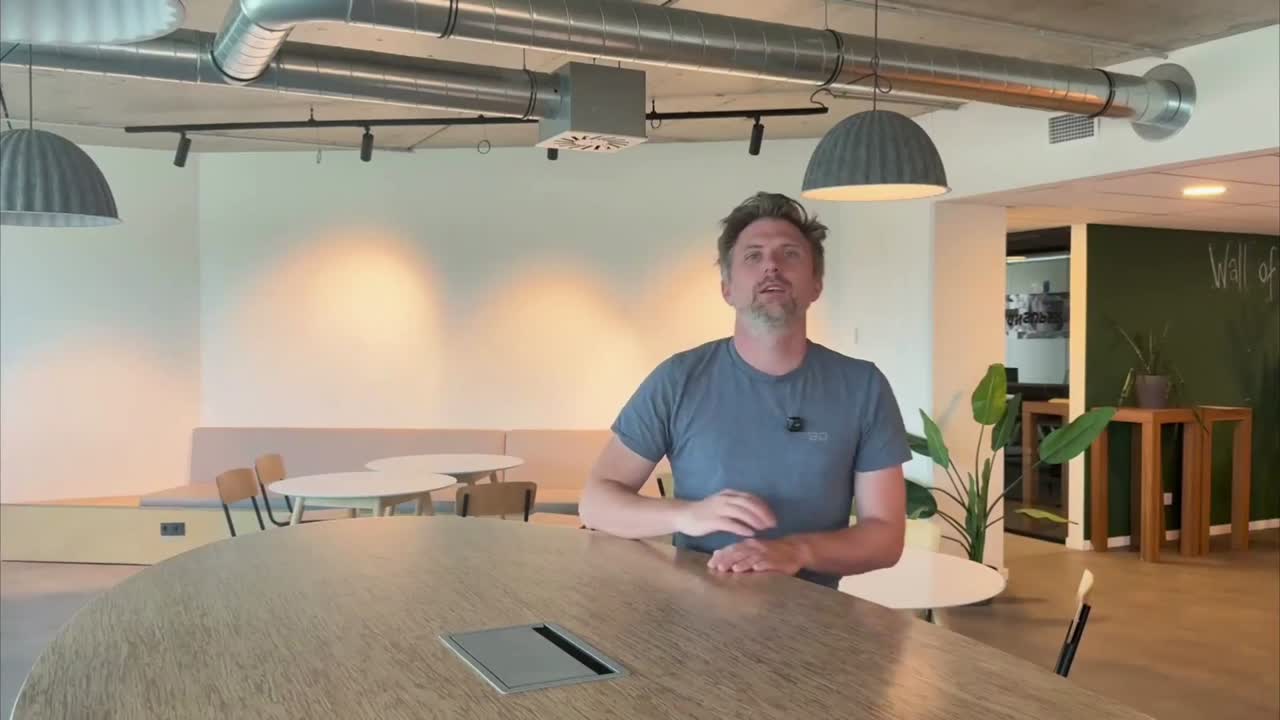
- Winning with InsightsYouTubePro-Active Customer Success - Pieter Boon | Co-Founder ImpactPilotPieter Boon discusses how he co-founded ImpactPilot after observing challenges in the customer success space, particularly that many businesses adopted customer success platforms too early without proper data infrastructure or readiness, leading to poor results. He explains that ImpactPilot was built with ecosystem integration in mind, learning from his experience at 24sessions where adopting a CSP prematurely created organizational strain due to lack of resources and data flow into the platform.
- saas groupYouTubeWhy building inside your competitor is a better strategy | Pieter Boon @ImpactPilotPieter Boon discusses the difference between customer support (reactive responses to customer questions) and customer success (proactive outreach to help customers achieve goals), arguing that customer success requires being on the front foot to lead customers toward value realization. He explains that not all SaaS companies need a dedicated customer success team, noting that necessity depends on product complexity and pricing tier, with simpler, lower-ticket products potentially relying on tech-touch solutions instead.
In the news
- ImpactPilot is hiring a founding account executive! When customers install ImpactPilot the value is instant - users see trends & signals that were previously buried in a big pile of messy data. We are heavily investing in a marketing and leads are knocking on our doors. More and more customer who use a CSP are shopping to move to HubSpot. So now we're looking for someone who can help us give this aha moment to more customers. Check out the vacancy here: https://lnkd.in/ePagWDEk
- LinkedIn is full of high-level, abstract frameworks on how to run CS. Guilty as charged myself. That's why we launched the Save: a video series where CS professionals share their most memorable customer save story, and the lesson behind it. We've got an incredible lineup of guests. First up: Seán Reid. 🎥 Have your own save story worth sharing? Reach out; I'd love to get you on. Link to full episode in the comments

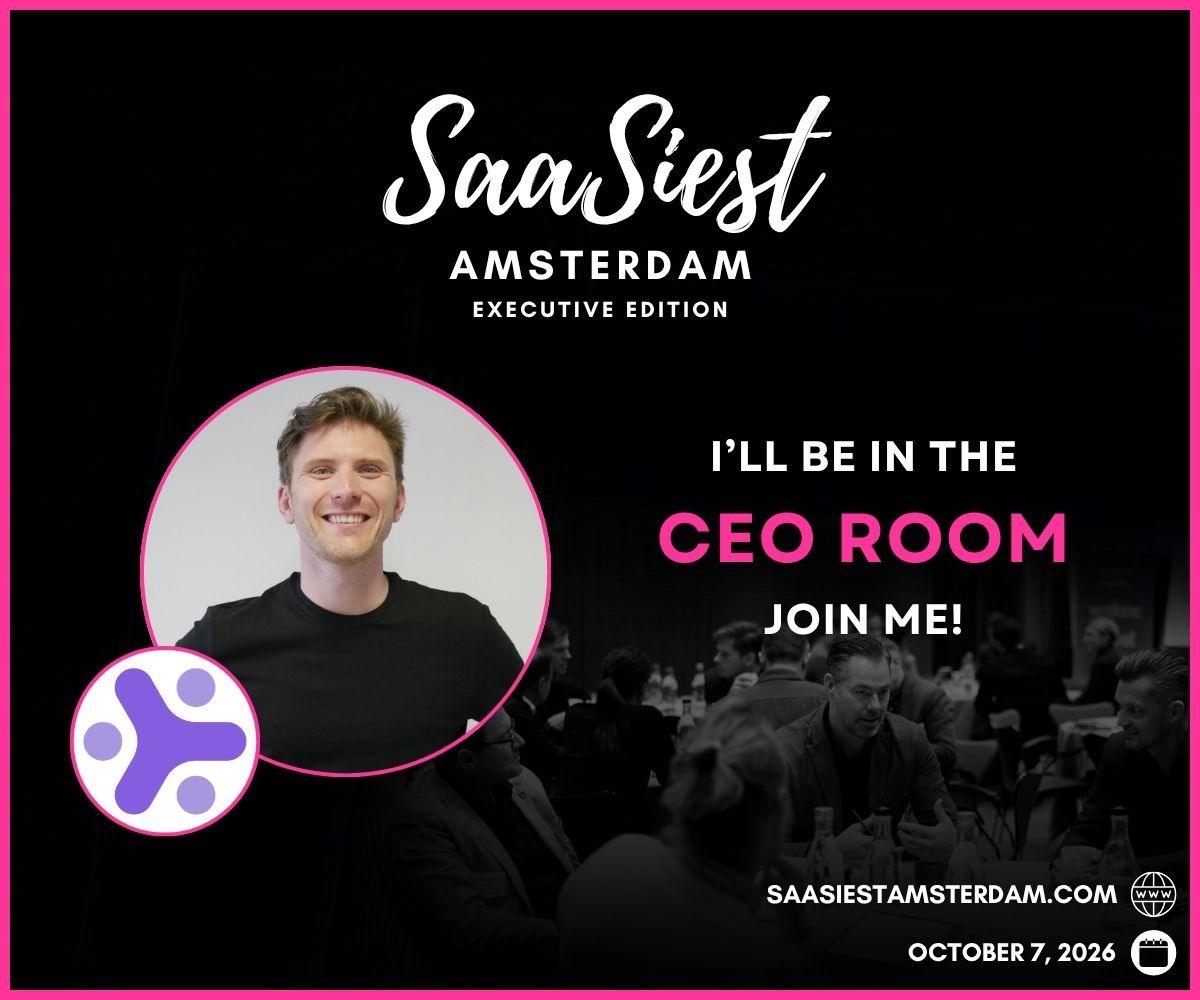
- Can't wait to join the SaaSiest Amsterdam event on October 8th! Was always one of my favorite events to go to and now there's a new format where everyone is divided into discussion groups to encourage networking and value sharing. Looking forward to it Thomas Sjöberg & Daniel Nackovski
- CS leaders think their team is being strategic on calls. Most of the time, they're not. They're being operational. -> Walking through open tickets. -> Confirming a renewal date. -> Answering "how do I export this." -> Reacting to whatever the customer brings up. Real strategic calls look different: → Tying the conversation back to the customer's actual business goals → Surfacing risk before the customer has to say it out loud → Bringing data into the room, not just updates → Leaving with a plan, not just a recap The problem is most
- You don't need another tool to build a proactive CS team. You need a system simple enough that your team actually uses it, plugged into the data you already have (yes, the HubSpot data that's currently just sitting there). Excited to talk about how to use HubSpot to drive NRR by building a proactive CS team; because "we'll just check in with them before renewal" is not a strategy. Thanks to Willem Van Maele and Jonas De Mets for organising. And looking forward to hear from the other speakers Elias M., Ann Braeckmans and Jan Bogaert.
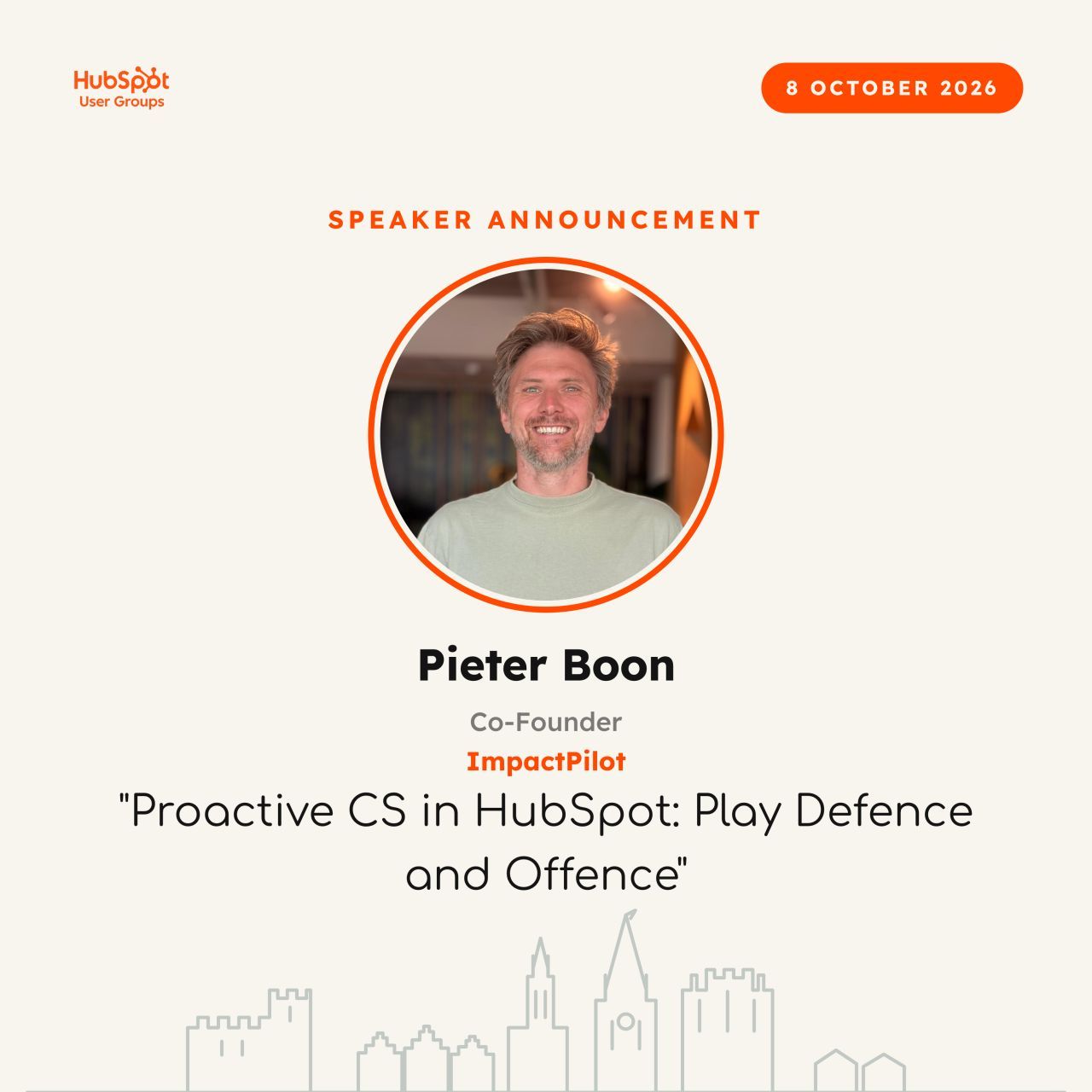
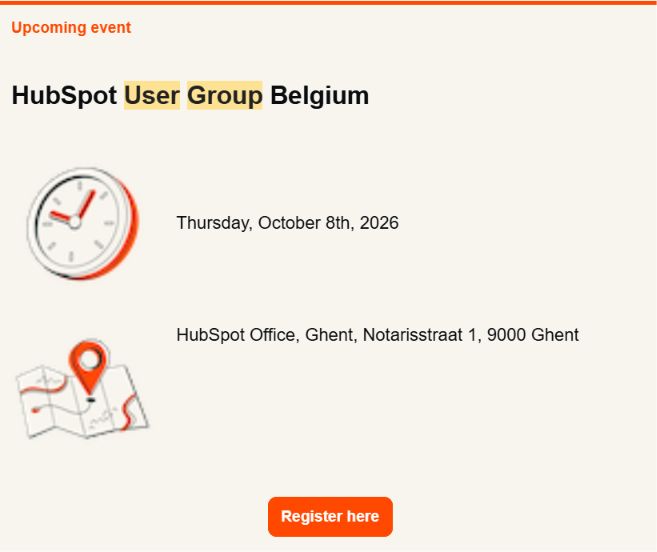
- Belgium HUG is back for edition 3 and the line-up is complete! 🎤 Thursday 8 October, we're returning to the HubSpot office in Ghent for an evening with fellow HubSpot admins, RevOps folks, freelancers and partners. Three sessions, three angles: → Proactive CS in HubSpot. Pieter Boon (ImpactPilot) on turning conversations, tickets and product usage into early risk signals and tracked milestones. Live examples, not theory. → Your Data Model Is Your Roadmap. Elias M. & Ann Braeckmans (Waer Waters) on bringing a complex wellness resort
- We just launched the ImpactPilot MCP and it has increased accuracy of answers on 90% of customer prompts. It lets you ask questions about your customers in plain language, straight in Claude (or any other chatbot). No dashboards, no filters, no exports. If you've already tried HubSpot's native MCP, you know how powerful it is and you know where it breaks. It works fine for narrow questions. One customer, one week, no problem. But ask it something that spans your whole portfolio over a longer period, and it falls apart. You hit the
- Proactive customer success is still a buzzword 15 years after it was coined first. When talking to CS leaders, it is always one of the core priorities to make their team more proactive. But approaches vary differently and are often not effective. At ImpactPilot we've been building a framework that's simple and directly applicable. Read all about it in this article
Related profiles

This page shows public professional information only, each fact cited. Is this you? send a correction, or ask for removal within 24 hours, no questions asked.