Overview
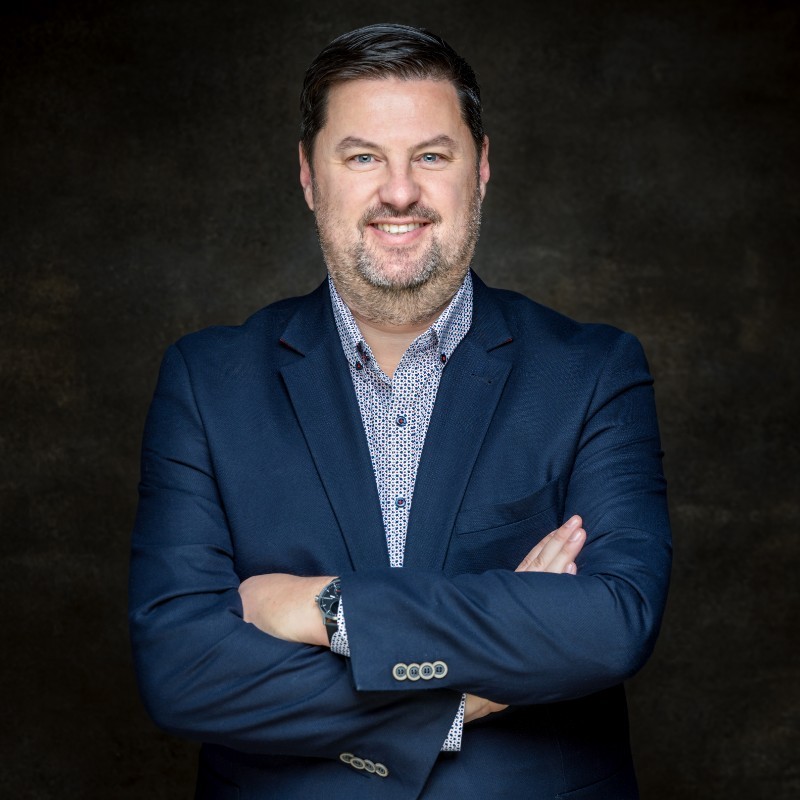
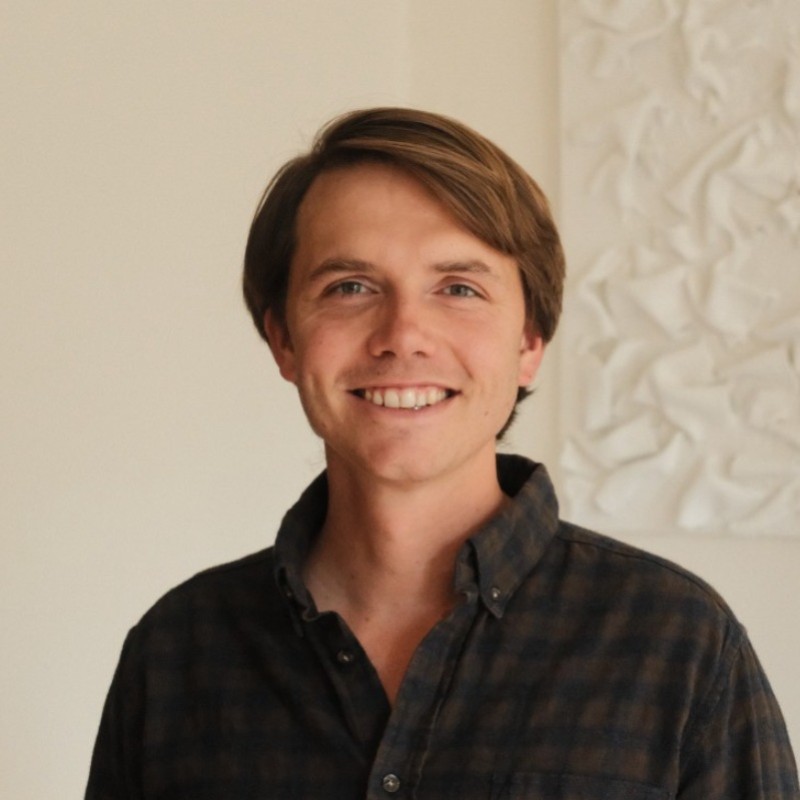
Robin is Editor-in-Chief of Tech.eu, the leading European tech journalism outlet covering startup funding, exits, and ecosystem news. He co-founded the platform and has used it to bring visibility to Belgian and European tech companies that would otherwise fly under the radar.
Beyond media, Robin co-founded BeCentral, the Brussels digital campus and talent hub. He also serves on the board of the European Startup Network, giving him reach across national ecosystems.
As a founding member of Syndicate One, Robin participates in deal flow and capital alongside Belgian founders and operators. His combination of media platform, institution building, and investor access makes him a central connector across the Brussels and pan-European tech scene.
Career history
- COO + Board MemberJan 2025 - PresentEuropean Startup Network
- Scale-up ExpertAug 2025 - PresentSirris
- Founding member, Head of EcosystemJan 2022 - PresentSyndicate One
- Comms & marketing supportJul 2025 - PresentEU-INC
- Venture ScoutApr 2025 - PresentEWOR
- BeCentralCurrent


Education
- KHBachelor, Communication & Marketing2000 - 2003Katholieke Hogeschool Mechelen
LinkedIn Voice
Posting style: Curator more than creator. Amplifies ecosystem voices through reposts. Short, contextual commentary. Connector role. Active but primarily reposts. Key themes: European tech policy and AI regulation, European startup ecosystem news, Syndicate One angel network activity Avg engagement: 78 likes, 5 comments Notable post: Matt Clifford on AI regulation in Europe, 78 likes -- "How AI can and probably should be regulated in Europe."
Talks about
- European Tech
- Product-market fit
- Belgian tech ecosystem
- Venture Capital
- Peer learning & communities
- Scaling
Insights & ideas
The through-line
Robin Wauters keeps returning to a single argument in different registers: Europe has the talent, the science and the capital, and keeps losing anyway because it thinks too small, moves too slowly and organises itself badly. "De cijfers tonen aan dat we slecht bezig zijn. We hebben eigenlijk als je kijkt 25 jaar lang de boot gemist. Switch to mobile, switch to cloud, software as a service, AI" [19]. The diagnosis is not primarily about money. It is about mindset, structure and the absence of shared plumbing, which is why his prescriptions run from the personal ("Wees meer ambitieus in heel België, maar ook in heel Europa. Denk gewoon groter. Denk sneller. Denk groter. Denk gewoon meer impact" [19]) to the institutional: a standard European company entity, a federal startup commissioner, pooled angel capital, pension fund reform.
What has sharpened over time is the urgency. He describes arriving only lately at the full scale of the problem, "Ik besefte pas heel recent in how much [ __ ] we are" [19], and the work that follows from that has moved from observing the ecosystem to building parts of it: a fund group, a campus, a lobbying coalition, a deep tech newsletter [3][5][9][14].
On Europe's lost 25 years
The failure he describes is not one of invention but of capture. Europe contributes talent, science and intellectual property, and the value creation on European-developed technology happens in the United States [19]. Cloud dominance in particular compounds, spilling into dominance in other sectors through power laws, which means each missed platform shift makes the next one harder to win [19]. He is blunt that superiority on the merits is no defence: "Het is niet noodzakelijk omdat je een beter product hebt dat je gaat winnen" [19].
The one genuinely open field he names is quantum. Because it is greenfield, fifty to sixty years of American IT dominance does not guarantee leadership there, and Europe can still compete in both hardware and software, with machines of 100+ qubits expected around 2030 to 2031 [19]. The stakes are framed generationally: "Startups zijn de bedrijven van morgen. Future large companies noemen wij dat dan. Dat zijn de ASML's en de OpenAI van morgen, zijn vandaag twee drie man groot" [19].
On mindset and ambition
The transatlantic gap starts on day one with identical equipment and identical capital. "They think a lot bigger, they go a lot faster, they don't mind breaking things and you just go sell things that aren't even there yet to develop them later. Europeans are typically more prudent" [20]. Europeans, in his telling, do the right things, only slower, and the fix has to reach children through project-based learning rather than being bolted on later [20]. "Curiosity is what got us to the moon" [20].
His most practical argument for ambition is that timidity is not even cheaper: "De hoeveelheid effort en tijd en sacrifice dat je gaat moeten insteken in het bouwen van een bedrijf met een klein doel is bijna even groot dan echt van die big goals te gaan najagen" [19]. The same logic applies to geography. "Imagine that Spotify said let's start with Sweden and then expand country per country — it would never have had the impact on the local ecosystem that it's had today. Same goes for Belgium: we have to think beyond borders, let alone language borders" [20]. And it applies to failure: in Silicon Valley failed serial entrepreneurs still get funded, while in Europe failure remains a taboo and a negative signal, a mindset he actively works to counter [19]. Honest talk about ambition, scale and failure from founders who built global companies out of Brussels is exactly the kind of evening he says BeCentral was conceived for [13].
On EU Inc and the rules of the game
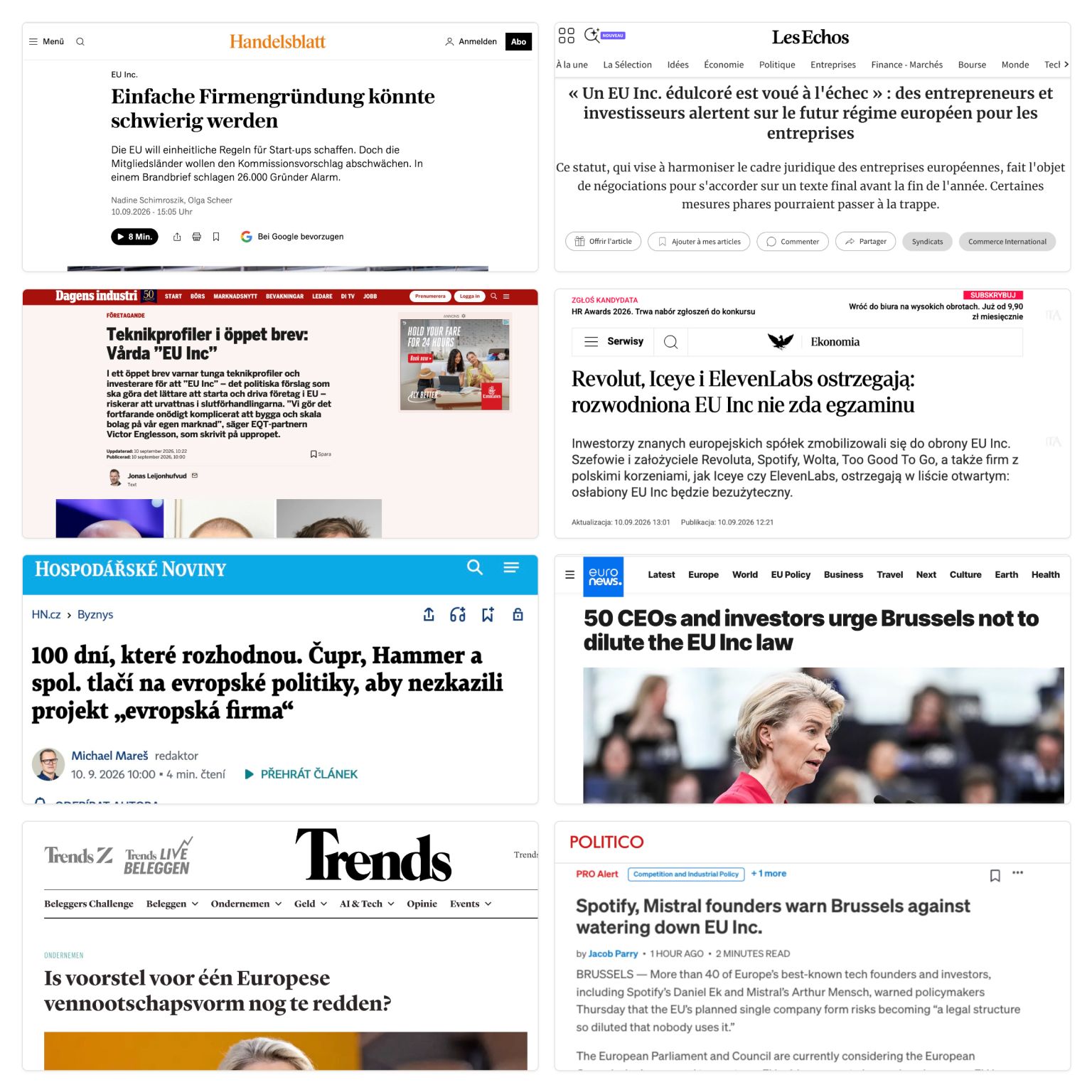
European founders are effectively forced into Delaware incorporations because that is the global standard investors understand, and that choice pre-decides later decisions about US capital, exits and IPOs [19]. A standard European entity is the fix. He is uncompromising about the form it takes: there is a genuine risk of the European Commission's EU Inc proposal being watered down, including calls to turn it into a Directive rather than a regulation, which "would completely undermine the goal of creating a truly European company framework" [9]. What startups need is an EU Inc that is "simple, fast, and works seamlessly across the Single Market", because "a fragmented approach will NEVER deliver the impact Europe so desperately needs" [9]. He treats this as a campaign rather than a consultation, urging people to share, comment and tag policymakers, alongside Allied For Startups, the European Startup Network and member associations [9], and frames the wider policy fight the same way: "Let's make this one work for startups. For Europe." [6]
On Belgium's structural problem
His account of Belgium is that the money is largely there at the entry point and the organisation is not. There is no shortage of early-stage capital; the real gaps are growth capital for scale-ups, commercialising university research into spin-offs, and political attention for the next generation of founders [19]. On top of that sits fragmentation: innovation budgets and support structures dispersed across Flemish and Walloon organisations that do not coordinate. His proposed remedy is a federal commissioner for startups with power over the autonomous regions, instead of local ministers of innovation [20]. "Belgium on a world scale is tiny, right? So why not combine these efforts, why not build more bridges between those organizations to really operate on a pan-Belgian level?" [20]
Two further blockages recur. Belgian tax debates are almost never about the entrepreneurs who will create the wealth of the next five to twenty years and almost always about existing wealth holders; entrepreneurs need to be in the room even though they do not agree among themselves on how they should be taxed [20]. And tech transfer cannot be imported wholesale: you cannot copy the Stanford spin-off model to Europe, local constraints matter, and a good starting point would be addressing the fact that European university endowments spend more money investing in US funds than in European ones [20]. On the institutional capital side, European pension funds allocate just 0.07% to venture capital; Italy's mandate to move to 0.1% in Italian funds spooked local funds worried about market distortion, which he reads as evidence that unlocking capital has to be phased, with the Capital Markets Union discussion carrying this at EU level [20].
Above all of it he places liquidity. "The biggest catalyst for an ecosystem isn't necessarily capital or people, it's exits, right?" [20] Exits generate a new generation of entrepreneurs, operators and angel investors that accelerates the flywheel, which he sees happening in Ghent [20]. But the base layer stays human: "At the heart of any ecosystem though is entrepreneurs. You think about taking the startups and the actual people who are building those companies out of the equation and everything implodes" [20].
On reading the funding market
He resists the celebratory reading of headline numbers. Belgian tech companies raised just south of €500 million across 74 rounds in the first half of 2026, 40% more capital than a year earlier while the number of rounds barely moved, and his conclusion is that this "says less about a booming market than a changing one" [7]. Capital is available and increasingly flowing to companies that have already proven they can execute, with Aikido Security, Keyrock, eyeo and VerticalCompute as examples; investors are writing bigger cheques for fewer businesses, and founders raising at the earliest stages will still feel a market that has not fully recovered [7]. The analysis was produced with Scaleup Flanders and Agoria [7]. He works the same comparative instinct at global scale through contributions to Startup Genome's Global Startup Ecosystem Report 2026, which he values for offering perspective and actionable recommendations to entrepreneurs, investors and policymakers alike [10].
On how to invest at the earliest stage
His investing philosophy starts from an admission of how bad the odds are alone. Angel investing on your own almost guarantees losing your money, and "Ge moet 30 tot 50 investeringen doen voordat je het begint te leren", which is the argument for pooling both capital and decision-making in a group [19]. Because you cannot predict which of ten investments becomes the outlier that returns the fund, and may not know until six or seven years after pre-seed, every portfolio company has to be supported equally [19].
Two signals decide it early: whether the founder can genuinely sustain the grind in this market for ten to fifteen years, and whether the market is big enough to return a fund [19]. That first test reflects his description of the job itself: "Je wordt bijna elke dag op uw gezicht geklopt, met wijze van spreken. Dus je moet het maar lang genoeg volhouden" [19]. It is a view he has probed with others too, including the common investor error of focusing too much on the idea rather than on the qualities, motivation and drive of the founder [16].
On what kills companies, and what saves them
The number one startup killer, in his ranking, is failing to reach product-market fit fast enough to become financially self-sustaining; the number two is co-founder misalignment on vision and strategy that stays hidden until stress or scale exposes it [19]. The corresponding discipline is simple: "Never assume. Bouw niet iets zonder dat je weet dat er een markt voor is" [19].
He pushes founders to broaden what they count as innovation. It is not only product; the business model, the pricing or the go-to-market can be the innovation that creates the difference [19]. Storytelling belongs in the same category of underrated capability. It is not about getting in the paper, it is about attracting talent, convincing investors and winning customers and partners, and a worse product with better marketing frequently beats a better product with none, which is why founders should learn it themselves rather than outsource it early [19]. On people, he is equally sceptical of surface fixes: culture is baked into the founders' personality and cannot be bought with ping-pong tables, and for key hires the test is who someone is as a human being outside a work setting [19].
On AI as an organisational question, not a tools question
He has little patience for the tooling genre of AI event. "Most AI events (and there are admittedly many) focus on tools. This one focuses on what happens to your company when AI becomes the default" [12]. The questions he says founders and executives keep raising with him are structural: what happens when software becomes dramatically easier and cheaper to build, how you defend a competitive advantage when barriers to entry are falling, which roles, processes and organisational structures need to change, what to automate and what to protect, and "what will still be left of your company in two to four years" [12]. He curates these conversations deliberately small, as with the AI Summer School run with Scaleup Flanders, Agoria and Sirris | Innovation forward for a selected group of thirty [12], the same design logic he applies to a VC-readiness session for female founders where "the audience is kept limited to allow for maximum interactive and peer-to-peer learning" [1]. His shorthand for where this is heading is unsentimental: "The robots are coming" [19].
On building the institutions rather than commentating on them
The organisations he works on are described as means to an end, never as assets. Of the search for Syndicate One's next Head of Finance & Operations, covering three funds, a 250+ LP base, close to 40 portfolio companies and every filing and capital call behind them: "We didn't build S1 to run a fund. We built it because Belgian founders deserved an ecosystem that could back them all the way. The finance and operations seat is what makes that promise real rather than rhetorical" [5]. He screens explicitly against status seeking, warning that "anyone taking it for the title or the assets under management would be taking it for the wrong reason", and offers to bend the role around the right person, remote, part-time to start, whatever it takes [5][2]. The same ecosystem-first framing carries his return to BeCentral, described as co-writing the next chapter for Brussels and the wider Belgian tech ecosystem [14], his visible cheerleading for individual companies such as Polysense on food waste and Timefold [8][11], and his backing of a new initiative on whether VC funding is right for aspiring female founders in tech, when it starts to make sense and what comes after the decision [1].
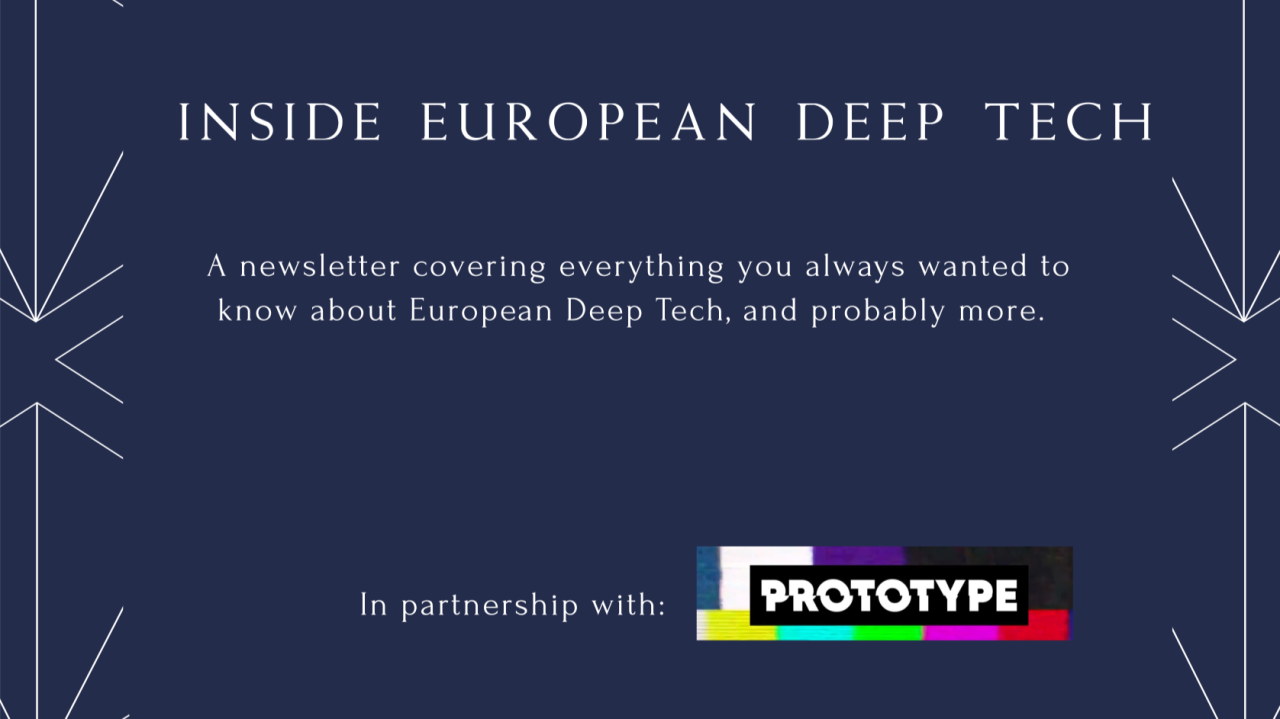
His media work is handled with the same candour. Having sent no edition of the Inside European Deep Tech newsletter since 11 May, he declines to apologise: "I would say I'm sorry, but I'd be lying. Things just got too busy; it happens" [3]. Instead of curating a million links he looked for patterns and wrote a summer briefing, and then asked readers to help him decide what the newsletter should become next [3]. Underneath all of it sits the softest and broadest of his ambitions: "My dream would be that we start talking to each other again, and I mean that as society as a whole" [20].
Takeaways
- Read funding headlines for shape, not size: 40% more Belgian capital across a flat number of rounds means bigger cheques for proven executors, and no real recovery yet at pre-seed [7].
- Do not accept a Directive where a regulation is needed; EU Inc only works if it is "simple, fast, and works seamlessly across the Single Market" [9].
- Angel investing solo is close to a guaranteed loss, since "ge moet 30 tot 50 investeringen doen voordat je het begint te leren", pool capital and decisions instead [19].
- Since the fund-returner is unknowable for six or seven years after pre-seed, support every portfolio company equally rather than picking favourites early [19].
- Screen founders on two things: whether they can sustain the grind for ten to fifteen years, and whether the market is large enough to return a fund [19].
- Treat storytelling as a founder skill, not an agency line item; a worse product with better marketing routinely beats a better product with none [19].
- Chase exits, not just capital: "the biggest catalyst for an ecosystem isn't necessarily capital or people, it's exits" [20].
- Ask what AI does to your company's structure and defensibility, not which tools to buy, starting with "what will still be left of your company in two to four years" [12].
- Fix the plumbing behind Belgian innovation: a federal startup commissioner with authority over the regions, entrepreneurs inside tax debates, and endowments that stop favouring US funds [20].
Media & appearances
- SlushYouTubeFireside Chat with Yossi Vardi and Robin Wauters | Slush 2015Robin Wauters serves as an interviewer in this fireside chat and facilitates a discussion with Yossi Vardi about startup investing and entrepreneurship. The conversation covers topics including common mistakes investors make (focusing too much on ideas rather than founder qualities), the importance of assessing entrepreneurs' motivation and drive, and Vardi's perspective on what makes Israeli entrepreneurs successful.
- 4YFNYouTubeFireside chat | Niklas Zennström (Atomico) interviewed by Robin Wauters (Tech.eu) [4YFN 2016]
- 4YFNYouTubeFireside chat | Marcus Weldon (Nokia) interviewed by Robin Wauters (Tech.eu) [4YFN 2016]
In the news
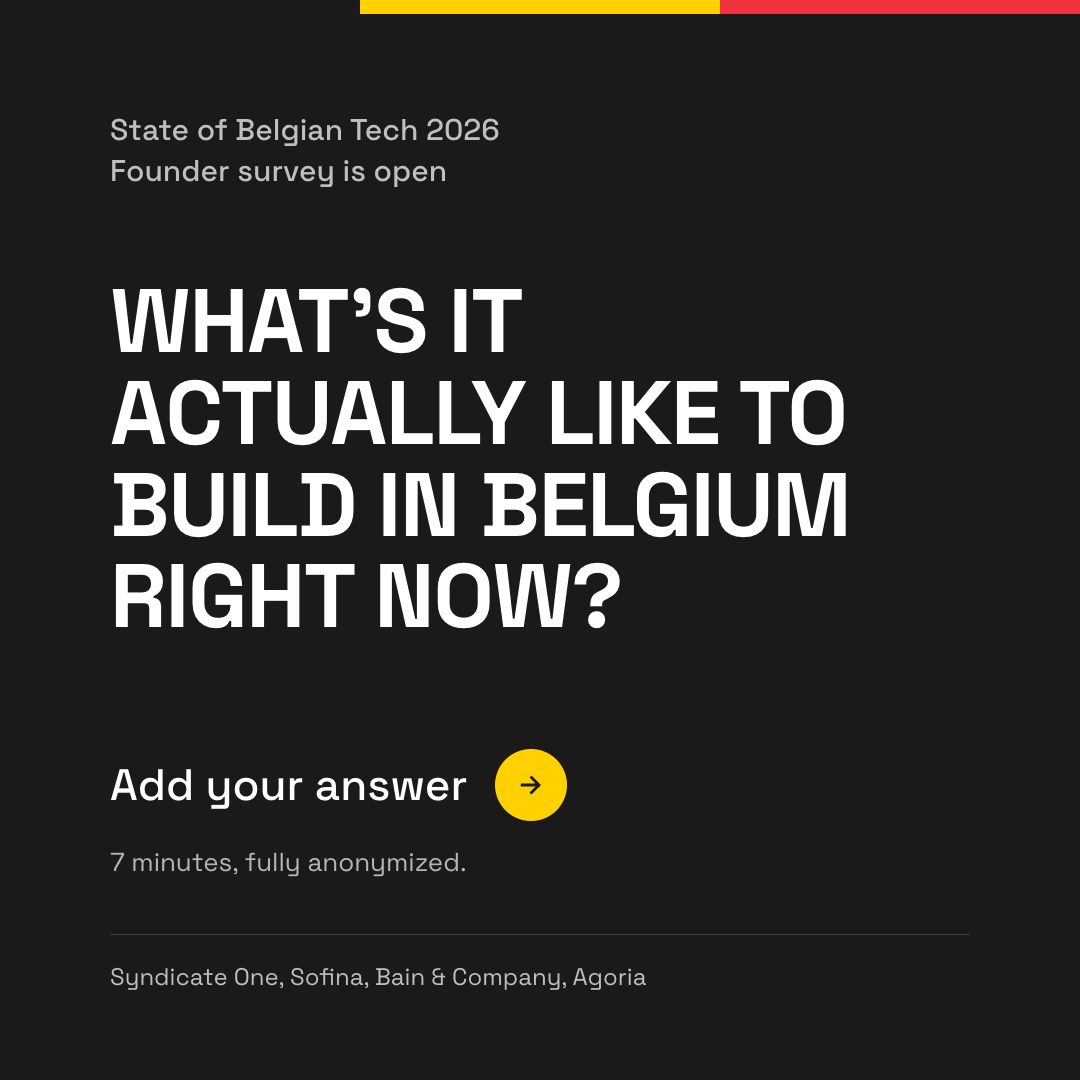
- The 🇧🇪 tech ecosystem is moving fast: second- or third-generation founders are now building the next big thing and raising the floor for every entrepreneur-to-be. 🚀 Syndicate One, together with Bain & Company, Sofina, and Agoria, want to tell the world this story, and we are sourcing it from the ones who are writing it: 🇧🇪 founders! Hence this Founder Survey: only around 7 minutes to complete, with all the questions that we long to see founders answer. 👉 If you’re a founder yourself: fill it in, and share it with fellow
- Europe’s deep-tech money problem just flipped:
- LFG
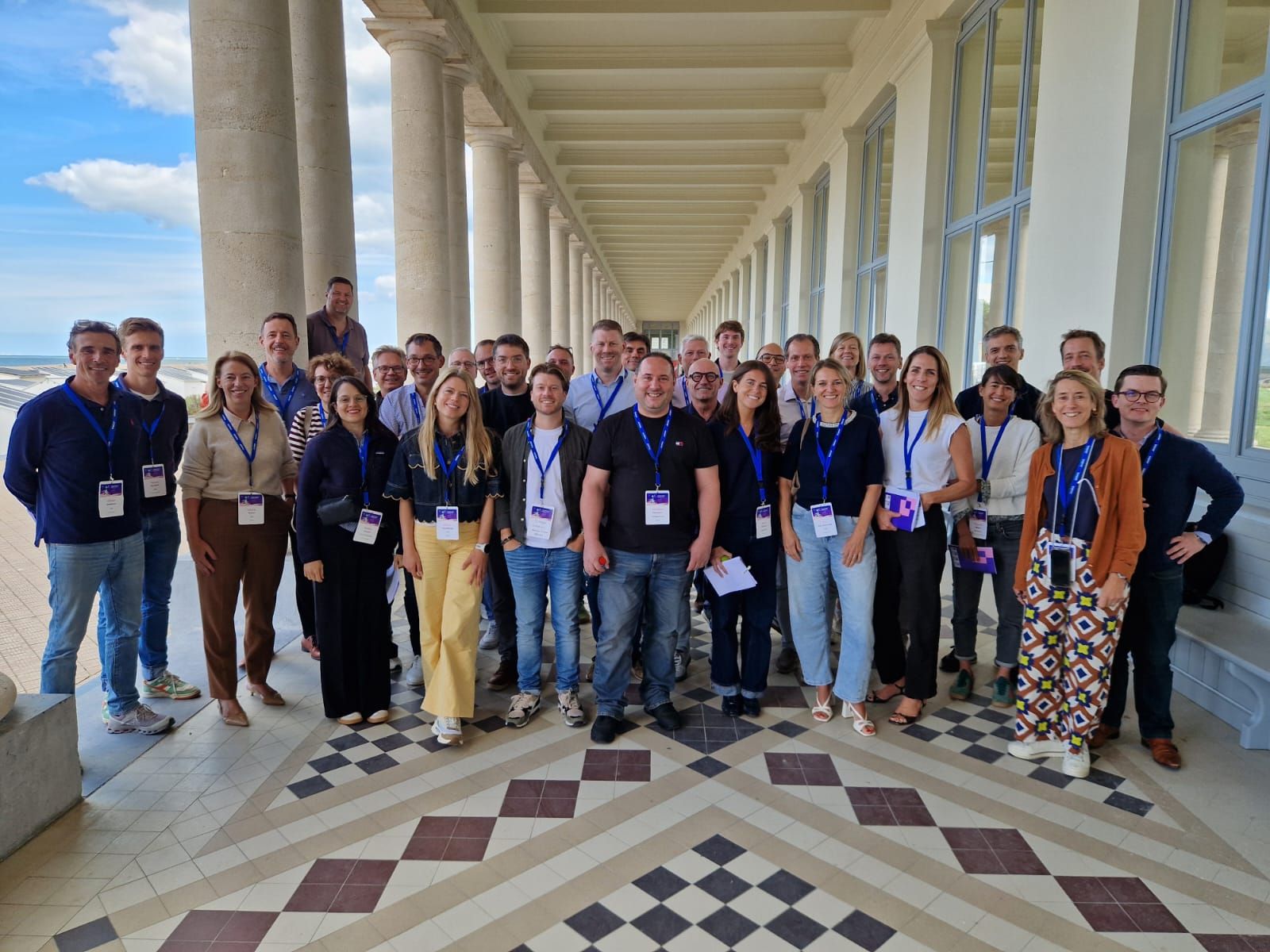
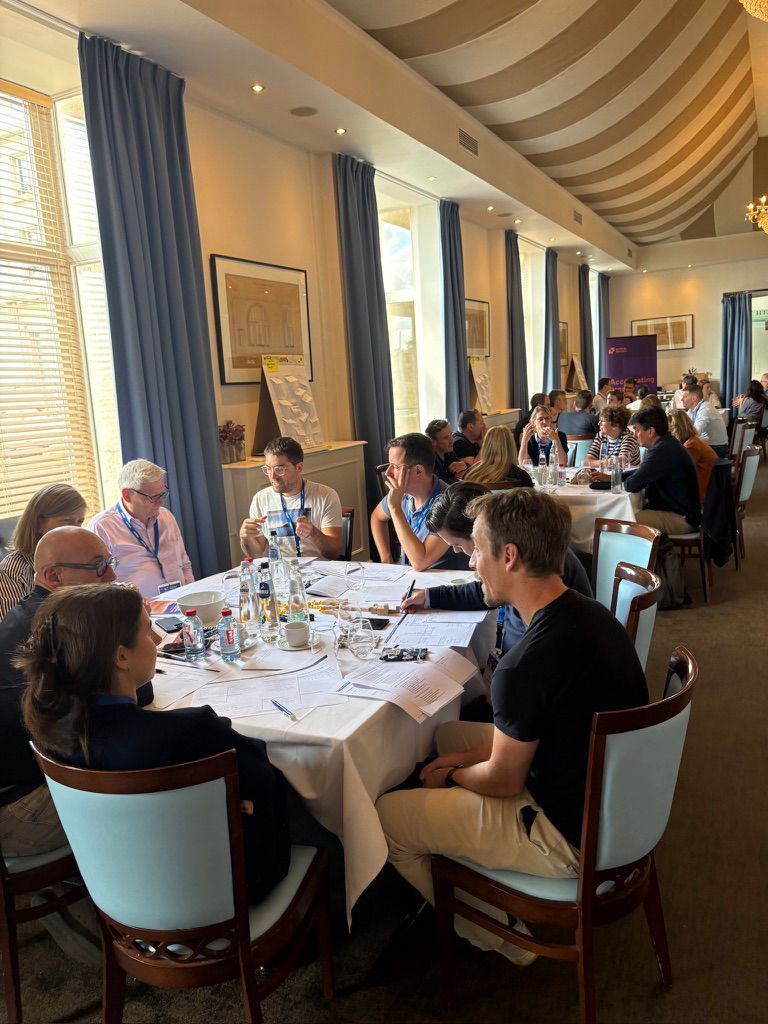
- We spent months asking ourselves whether founders would make time for 2.5 days in Ostend to rethink their companies around AI. Thirty of them did. And they didn't come for a list of tools (even though I personally caught wind of some interesting new toys to play with). They questioned what they sell, how they price it, what their teams should look like, and whether they would build the same company if they were starting today. Some of the best conversations happened in the workshops and carried on over lunches, dinners and walks
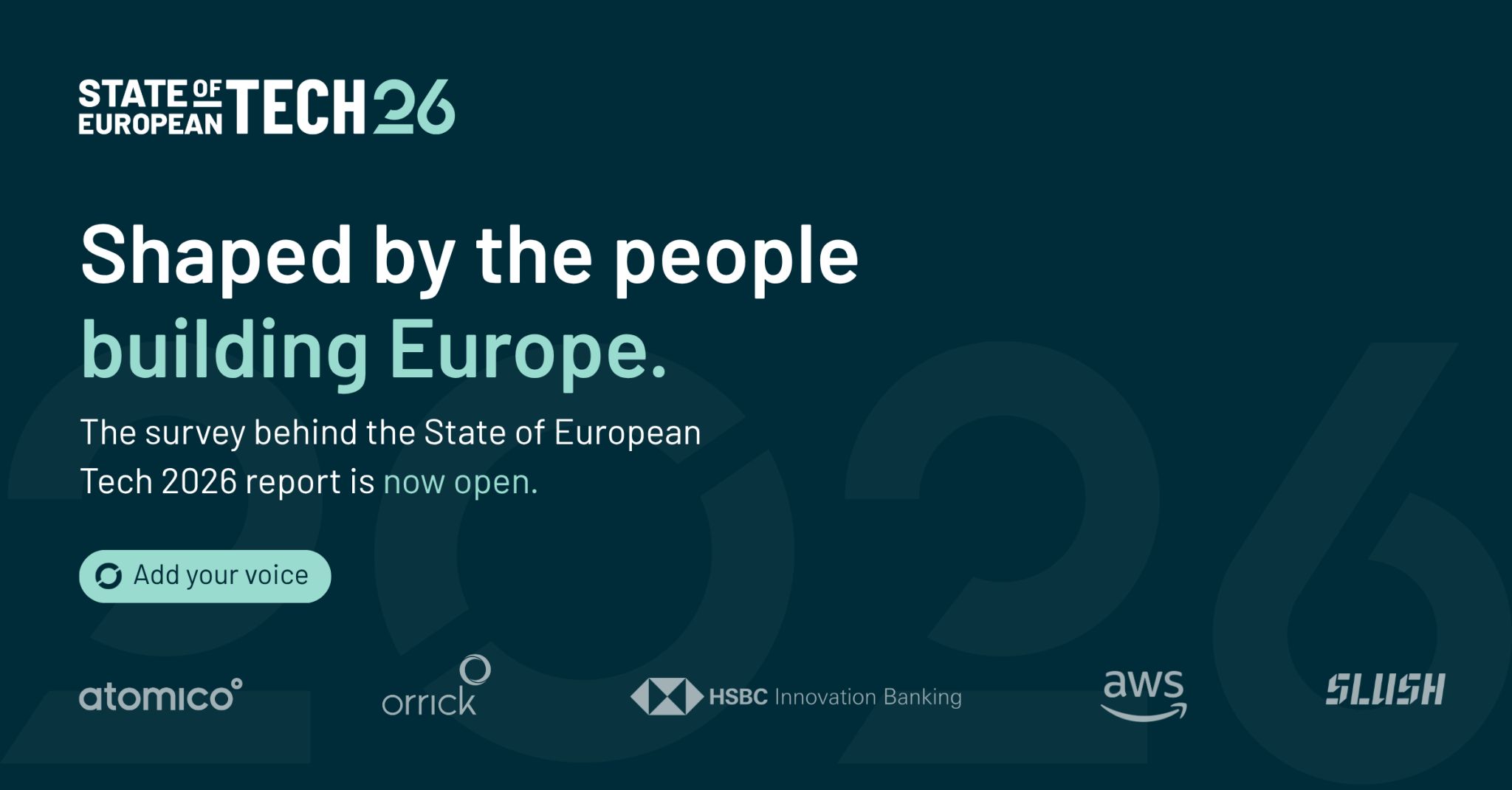
- What does it actually feel like to build a tech company in Europe in 2026? Is raising capital getting harder? Are we attracting the best talent or losing it? And does anyone actually trust AI? The State of European Tech survey is open, and this is one of the few opportunities to get real founder, operator and investor experiences in front of the European Commission and national governments. It takes 5 to 15 minutes. It’s anonymous. And four Slush tickets are being given away, with winners picked weekly. Make your experience count:
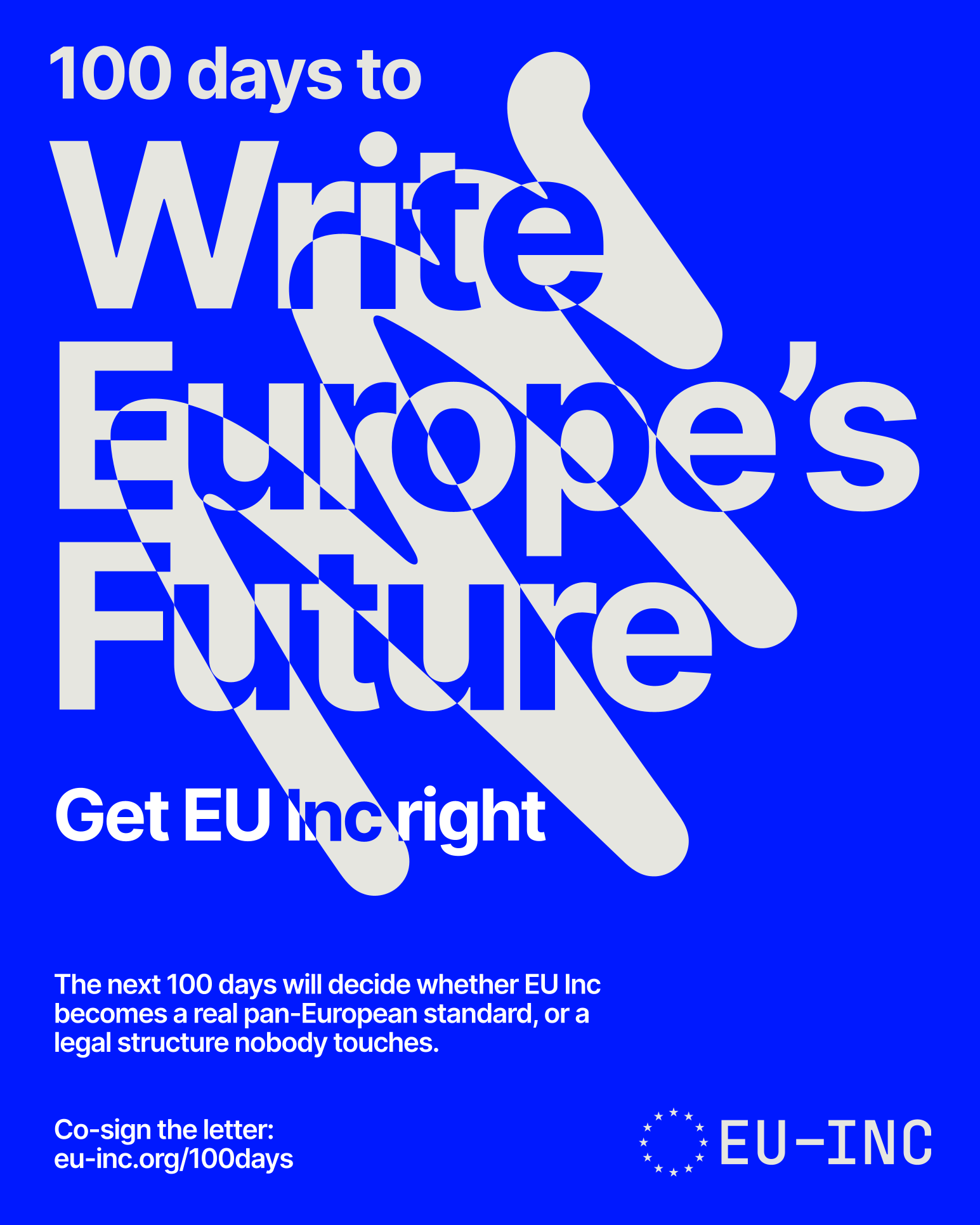
- This is the part where Europe usually screws it up. Everyone agrees on the problem. A European founder trying to build across Europe still runs into 27 different company systems, registries and rulebooks. Everyone agrees on the solution, too. EU–INC: one European company standard that lets startups incorporate once and operate across the Single Market. And then comes the dangerous bit: the political compromise. Because an EU–INC without one central registry, free choice of registered office and automatic recognition across all 27
- Looking forward to the AI Summer School organized by Scaleup Flanders / Agoria / Sirris | Innovation forward and the fireside chat with Robin Wauters to go a bit deeper into what the AI Transformation meant for ML6. More info: https://lnkd.in/eYshJUVG

- Lately I've been working on something just a liiiittle bit different. It's called Frames for Nothing. The idea is stupidly simple (potentially just stupid): frames designed to hold absolutely nothing. No art. No photos. No mirror. The frame is the object. Over the past few weeks I've registered the name, bought the domain, claimed the socials, AI-generated a frankly embarrassing amount of concepts, narrowed those down to a handful I actually like, and started talking to product designers about turning them into real

Related profiles
This page shows public professional information only, each fact cited. Is this you? send a correction, or ask for removal within 24 hours, no questions asked.