Overview
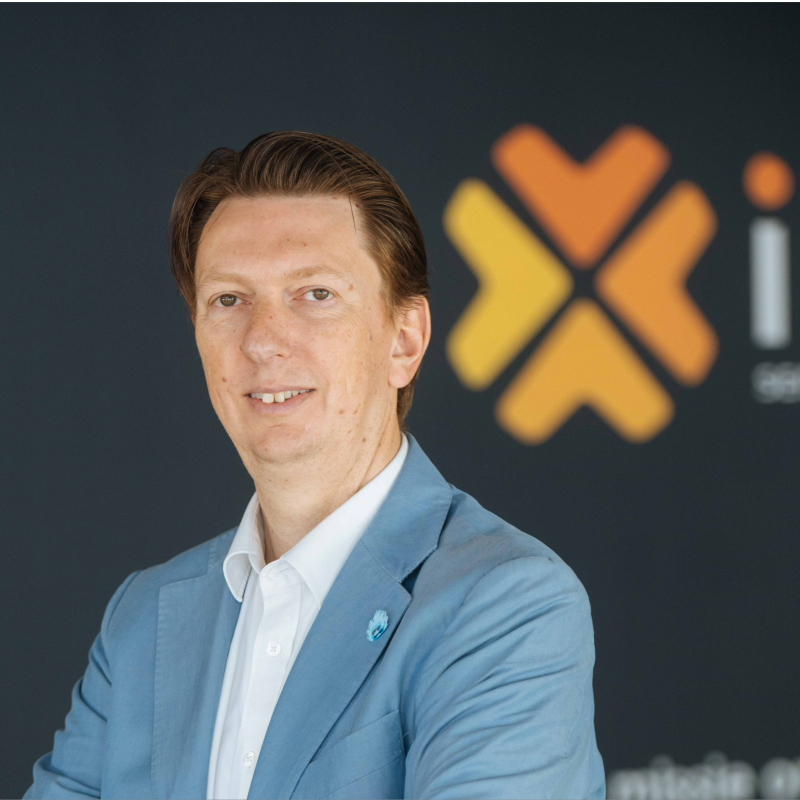
Toreno Noreilde is the founder and a director of ittes, a company he founded in July 2020 and continues to own. He is based in Kortrijk.
Since September 2025 he has been a director and co-owner of Velopro-EGS Group-Alpha Motorhomes, and in October 2025 he took up a chief executive role at Menber. He has also owned Elinun bvba since August 2015 and Bvba investimento since January 2010.
From August 2015 to May 2020 he was CEO and co-owner of Elindus, and from September 2017 until his departure in 2020 he chaired its board of directors. He was a co-owner of smart@energy from July 2018 to May 2020. Earlier, from September 2006 to August 2015, he was an account manager at Mobistar, now Orange.
He studied legal studies at KU Leuven from 2013 to 2014 and obtained a board certificate as an independent director from Board Company in March 2026.
Career history

In the news
- Somewhere right now, a computer is applying for a job with another computer. A browser extension read the vacancy, rewrote a CV to match it, filled in the form fields and pressed submit. On the other side, a screening tool read the result, scored it and sent a rejection. Nobody wrote anything. Nobody read anything. Two machines exchanged information, and a person did not get a job. The real value of AI in HR is not to remove human judgement from hiring, it's to give recruiters and HR teams back the time to use that judgement

- 𝐀𝐈-𝐥𝐚𝐛𝐬 𝐳𝐢𝐣𝐧 𝐞𝐞𝐧 𝐬𝐭𝐫𝐚𝐭𝐞𝐠𝐢𝐬𝐜𝐡𝐞 𝐟𝐨𝐮𝐭. Vanuit een bestuurdersbril zie ik te veel organisaties een "AI-lab" optuigen dat compleet losstaat van de kernbusiness. Leuke demo's, mooie presentaties, maar geen structurele impact op omzet, marge of risico. 🤖 AI creëert pas echte waarde wanneer het in de ruggengraat van je bedrijf zit: CRM, ERP, M365, Salesforce. Daar zitten je klanten, processen en cashflows. Als AI daar niet meedraait, bouw je decorstukken in plaats van infrastructuur. Wat betekent dat voor
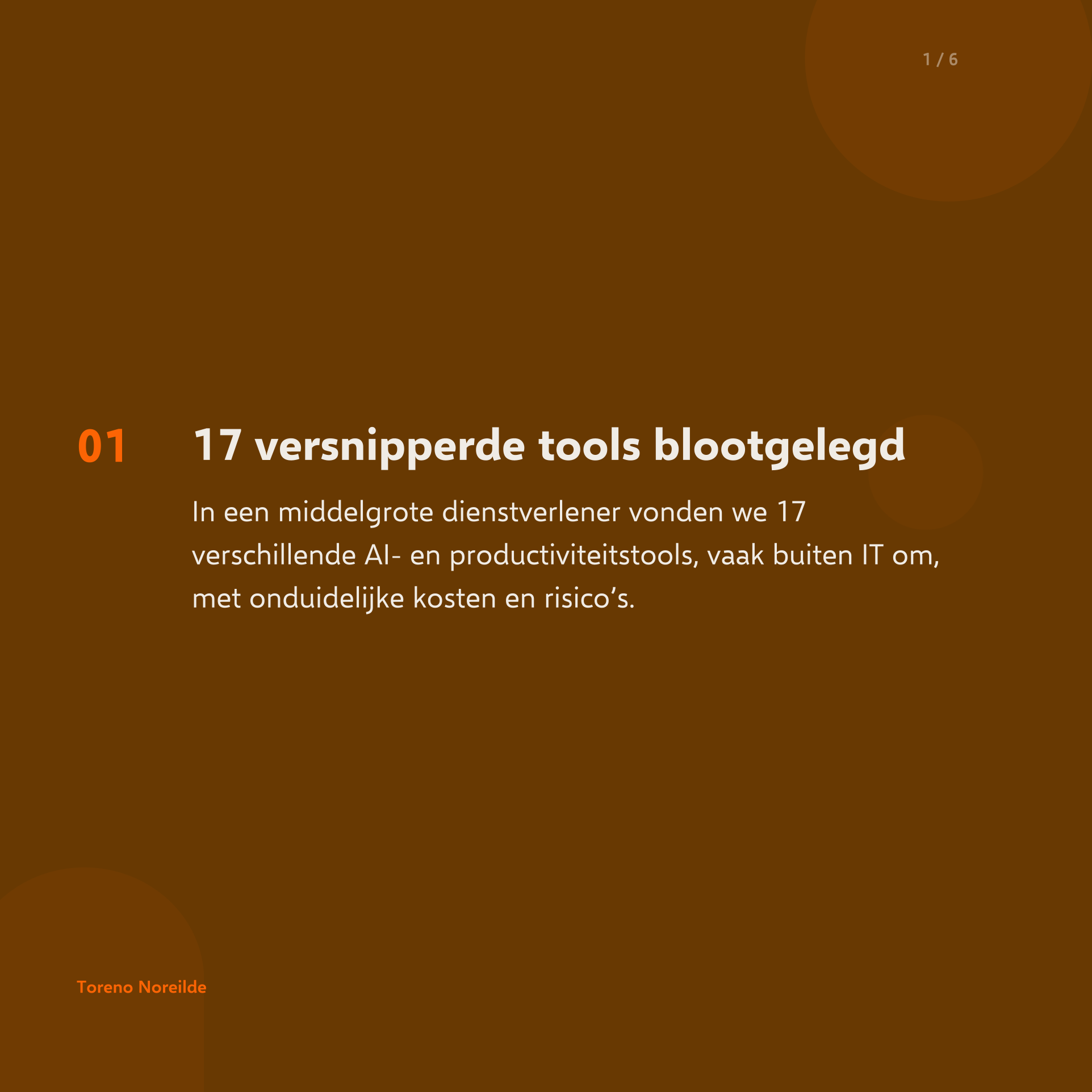
- Van 17 losse tools naar één geïntegreerd AI-platform 📊 Een middelgrote organisatie uit de dienstensector vroeg ons om hun AI-experimenten onder controle te krijgen. Over de afdelingen heen bleken 17 verschillende AI- en productiviteitstools actief, vaak buiten IT om. Kosten waren diffuus en risico's onduidelijk. Samen met CEO en CIO hebben we eerst één kader vastgelegd: welke processen komen in aanmerking voor automatisatie, welke data mag gebruikt worden en welke grenzen gelden rond compliance en risk appetite. Daarna brachten we
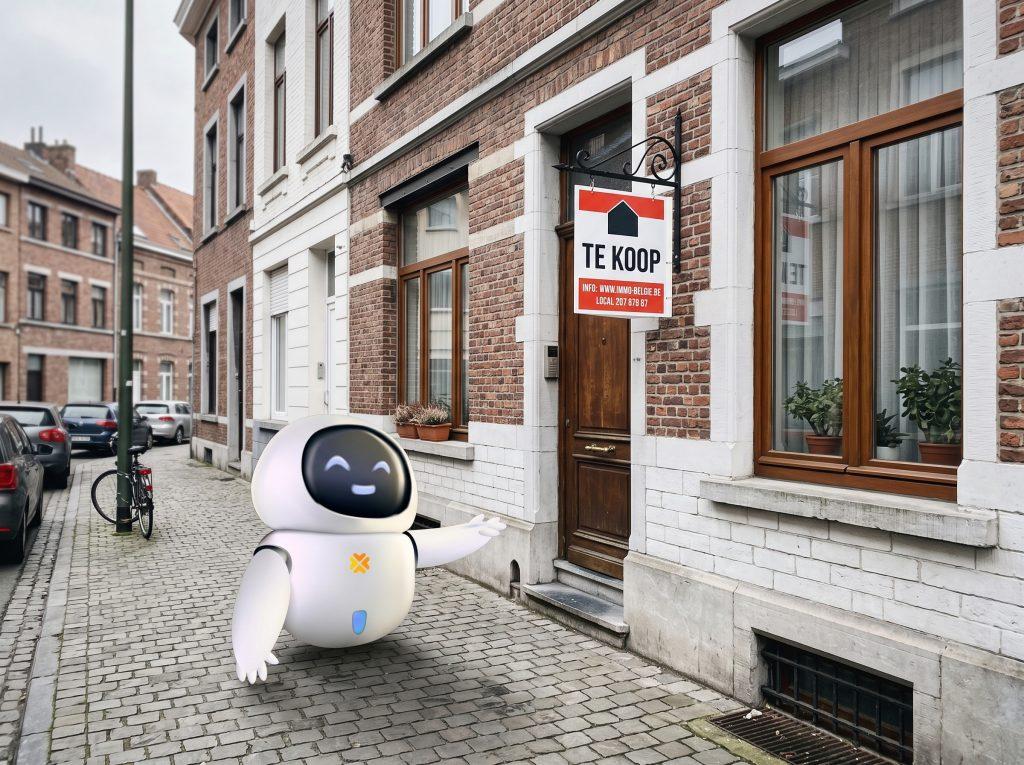
- Nobody gets into real estate because they love admin work. The real work happens elsewhere: at the kitchen table with a seller, during the phone call that turns interest into a viewing, or in the meeting where a difficult property decision finally gets made. That work needs human judgement. It should stay human. But the work around it, like certificates, portal inquiries, notary requests, etc... It boils down to hunting for and then rewriting the same information in five different places. That's not where estate agents, property
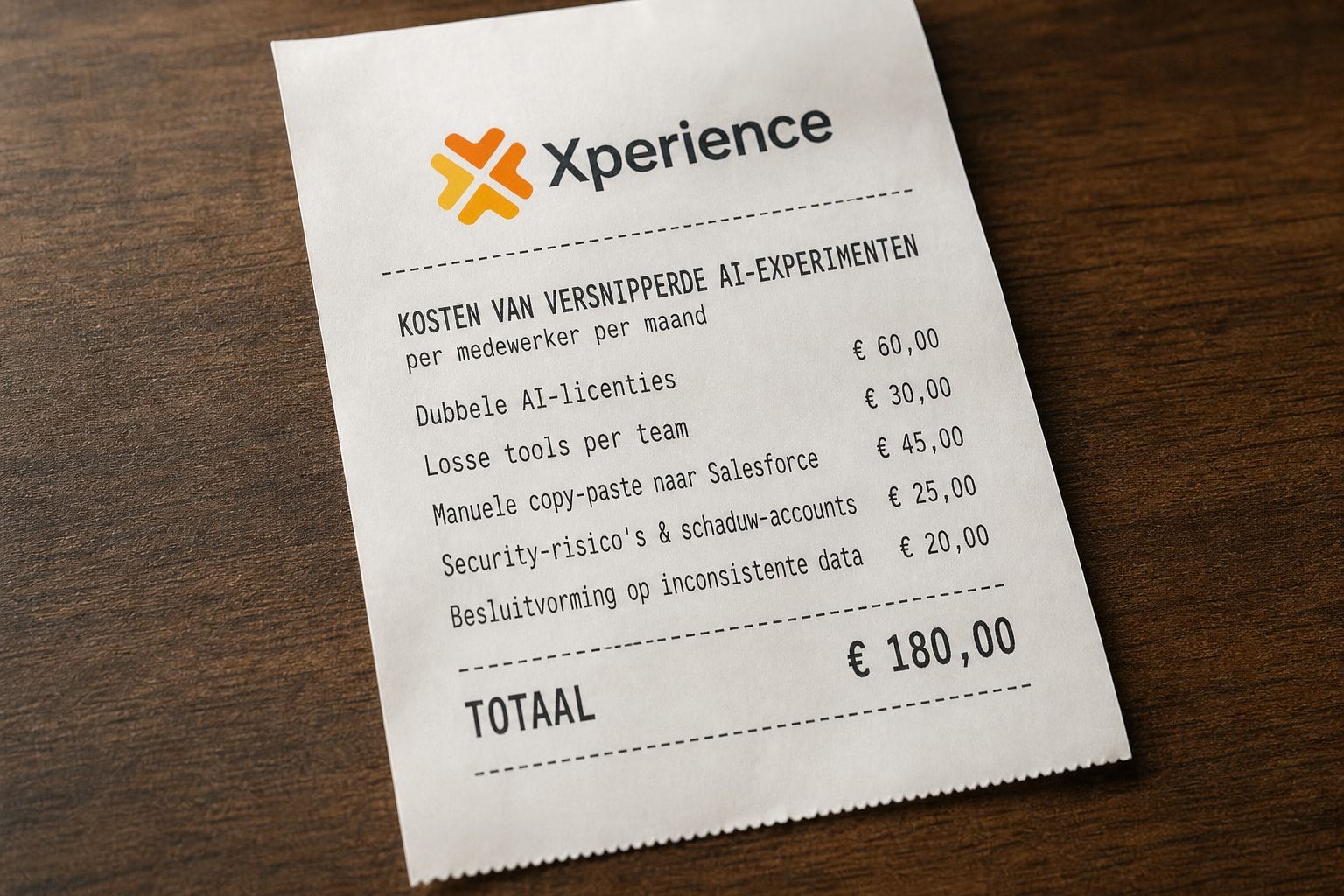
- 180 per medewerker per maand aan verborgen AI-kosten. Dat is wat ik gemiddeld zie bij organisaties waar AI-experimenten overal in de organisatie ontstaan, maar nergens worden gestuurd. 💸 Het begint bij dubbele licenties en losse tools die per team worden aangeschaft. Daarna volgen uren manuele copy-paste van AI-output naar Salesforce en andere kernsystemen. Dan komen de security-risico's, doordat data via schaduw-accounts en onbeheerde integraties buiten de governance valt. Uiteindelijk wordt er beslist op inconsistente data
- Most conversations about AI in recruitment start with speed. “How much time can it save?” is a valid question, but I think the bigger value is consistency. In a traditional first screening round, not every candidate gets the same conversation. Different interviewers ask different questions, notes are written in different formats, some answers are explored deeply, others are not. By the time the shortlist is created, HR is often comparing impressions instead of comparable information. That is where AI video agents become interesting.

- Elke CEO wil iets met AI. Te weinig nemen eerst de 5 bestuursbeslissingen die schaalbare waarde mogelijk maken. Vanuit de boardroom begint AI niet bij tools, maar bij kaders. Dit bestuurskader gebruik ik bij organisaties die AI en automatisatie op Salesforce willen uitrollen 👇 1) Welke processen eerst Kies 1 of 2 kernprocessen met grote waarde en duidelijke eigenaar (bijv. leadkwalificatie, forecast, service-cases). Leg vast: doel, scope, risico en besluitvormer. Geen losse experimenten meer. 2) Bron van waarheid voor data Bepaal
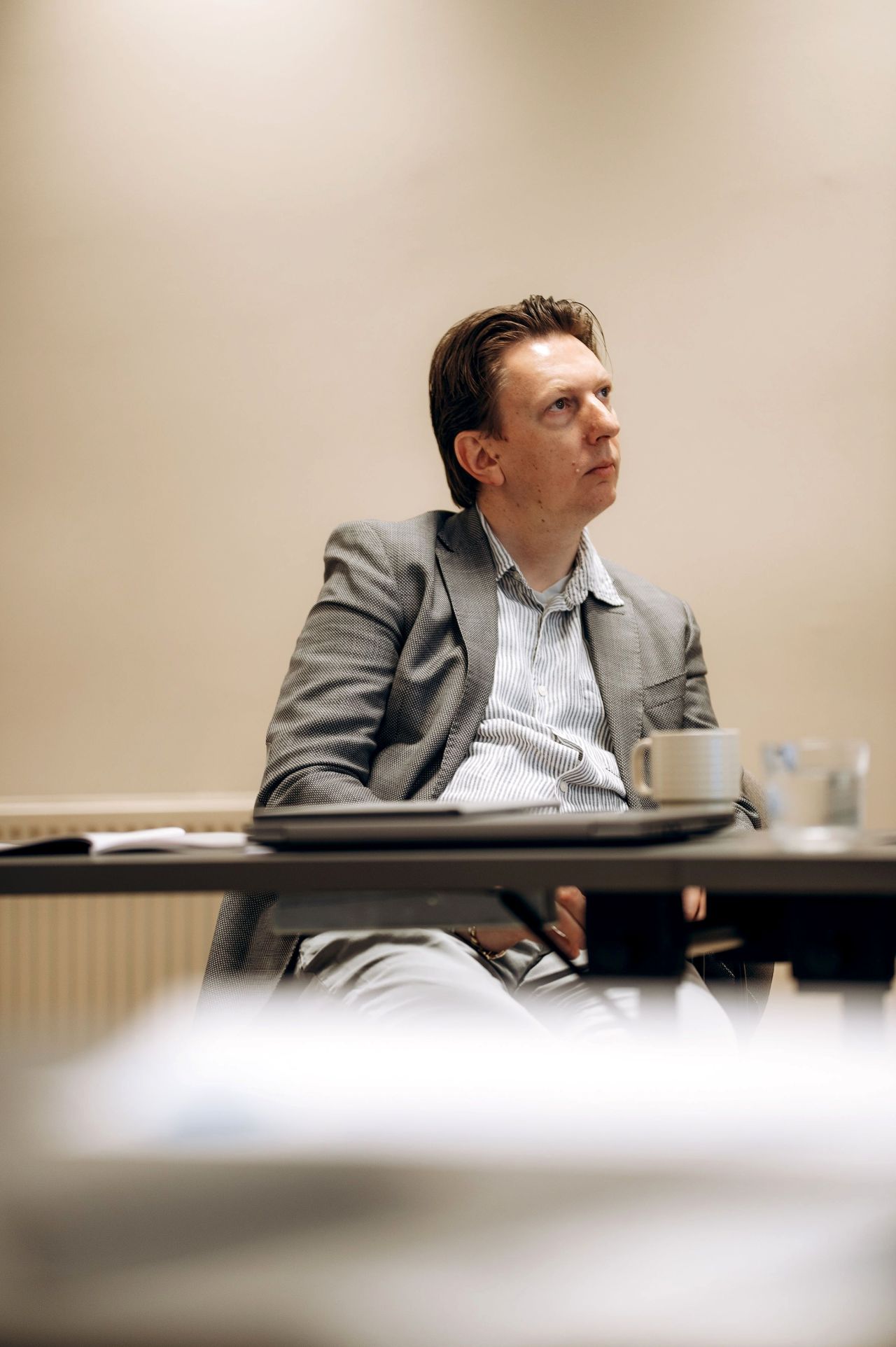
- Tientallen gesprekken met CEO's over AI in de boardroom. Daaruit zie ik drie terugkerende patronen: 1) Angst voor wildgroei aan AI-tools en verlies van controle. 2) Frustratie over pilots die niets doen voor de P&L. 3) De duidelijke wens om AI te organiseren rond bestaande platforms zoals Salesforce. De rustige momenten aan tafel, zoals op de foto, gaan allang niet meer over welke AI-tool het nieuwste is. Het gaat over besturing: hoe houd je regie, hoe voorkom je versnippering, hoe vertaal je AI naar harde resultaten in sales,
This page shows public professional information only, each fact cited. Is this you? send a correction, or ask for removal within 24 hours, no questions asked.