Overview
Founded in 2017 in Ghent by Jacob Bossaer and Pieter Derboven, BOSAQ develops off-grid water purification technology for remote and resource-constrained environments. The company's systems are designed to operate without connection to centralized infrastructure, making them applicable in developing markets, disaster response, and industrial off-grid settings.
CEO Jacob Bossaer has an unusual background that informs the company's mission: he worked as a water engineer in Antarctica, where the challenge of producing clean water in extreme, infrastructure-free conditions shaped his approach to decentralized purification.
BOSAQ sits within the broader Belgian water technology cluster, alongside companies like Shayp and Waterleau, which together form a notable concentration of water innovation in the country.
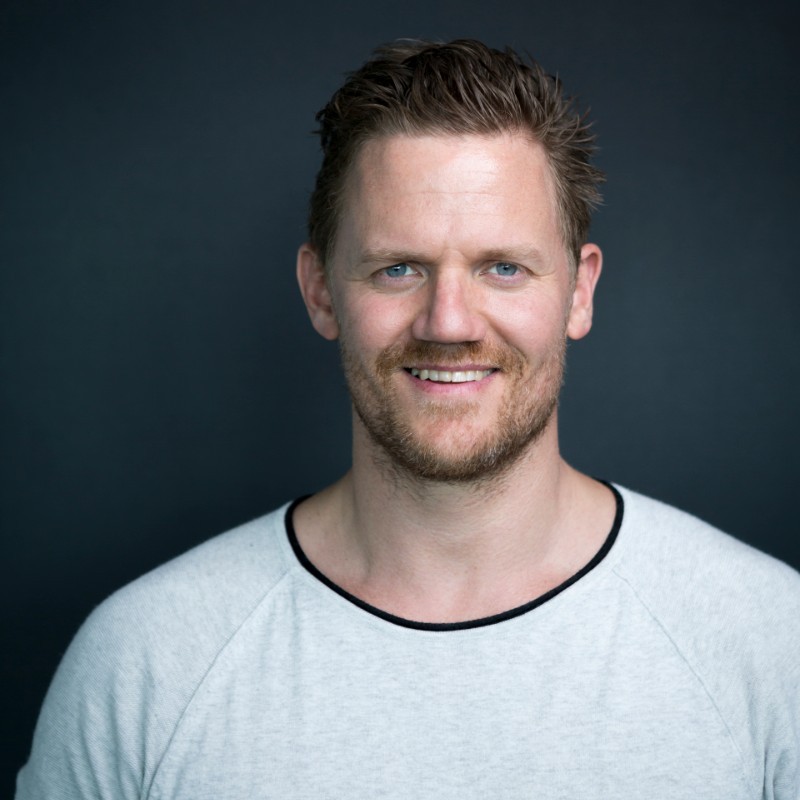
Key people
In the news
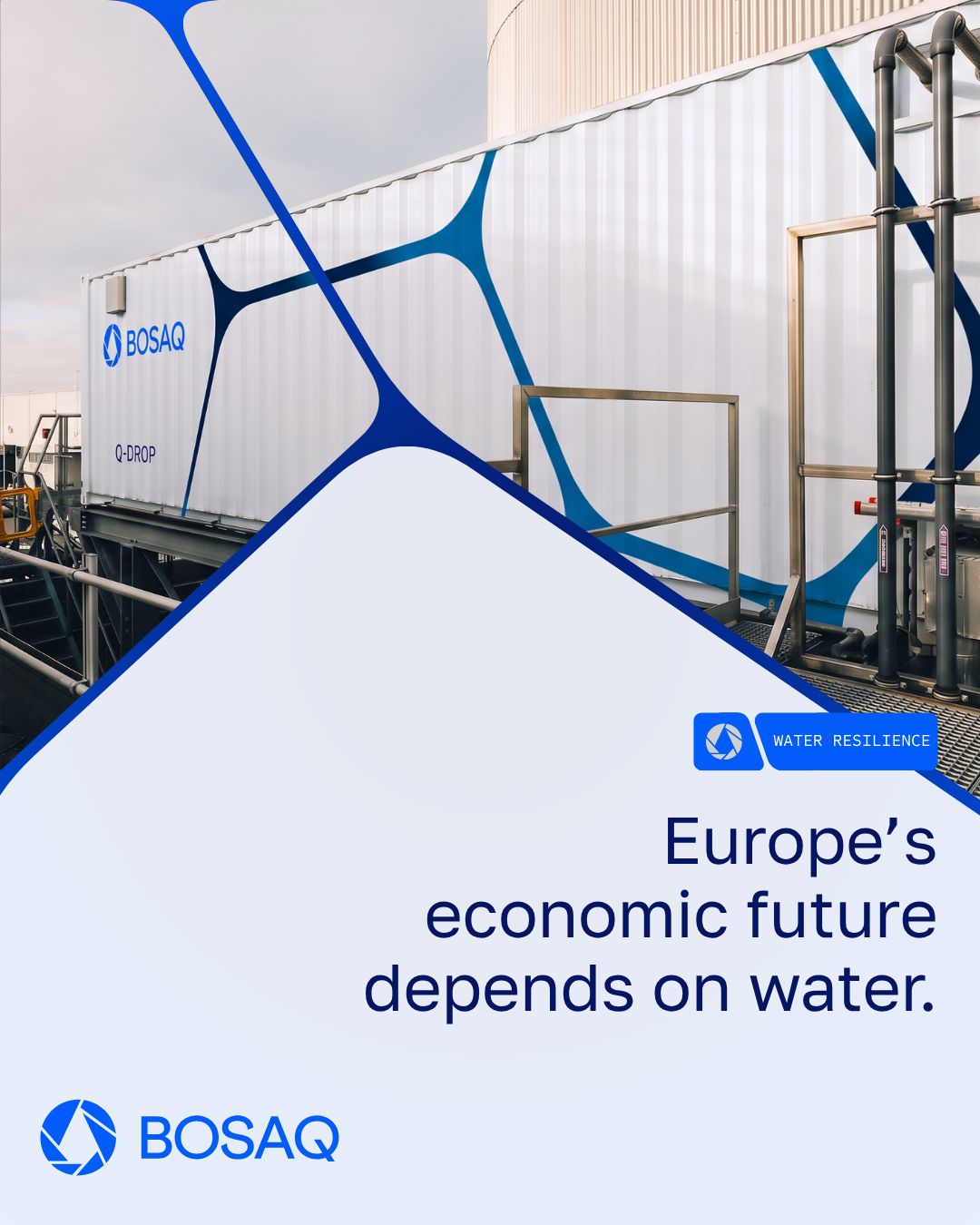
- Almost 1 in every 4 litres of water in Europe's pipes is lost, mostly through leakage. That was one of the figures European Commission President Ursula von der Leyen highlighted in this week's State of the Union, a speech built around one idea: a stronger, more independent Europe. Less dependent on imported fossil fuels. Less exposed to fragile supply chains. Better prepared for a hotter, more volatile world. Water belongs on that list. After a summer in which 660,000 hectares burned, around 12 million tonnes of crops were lost
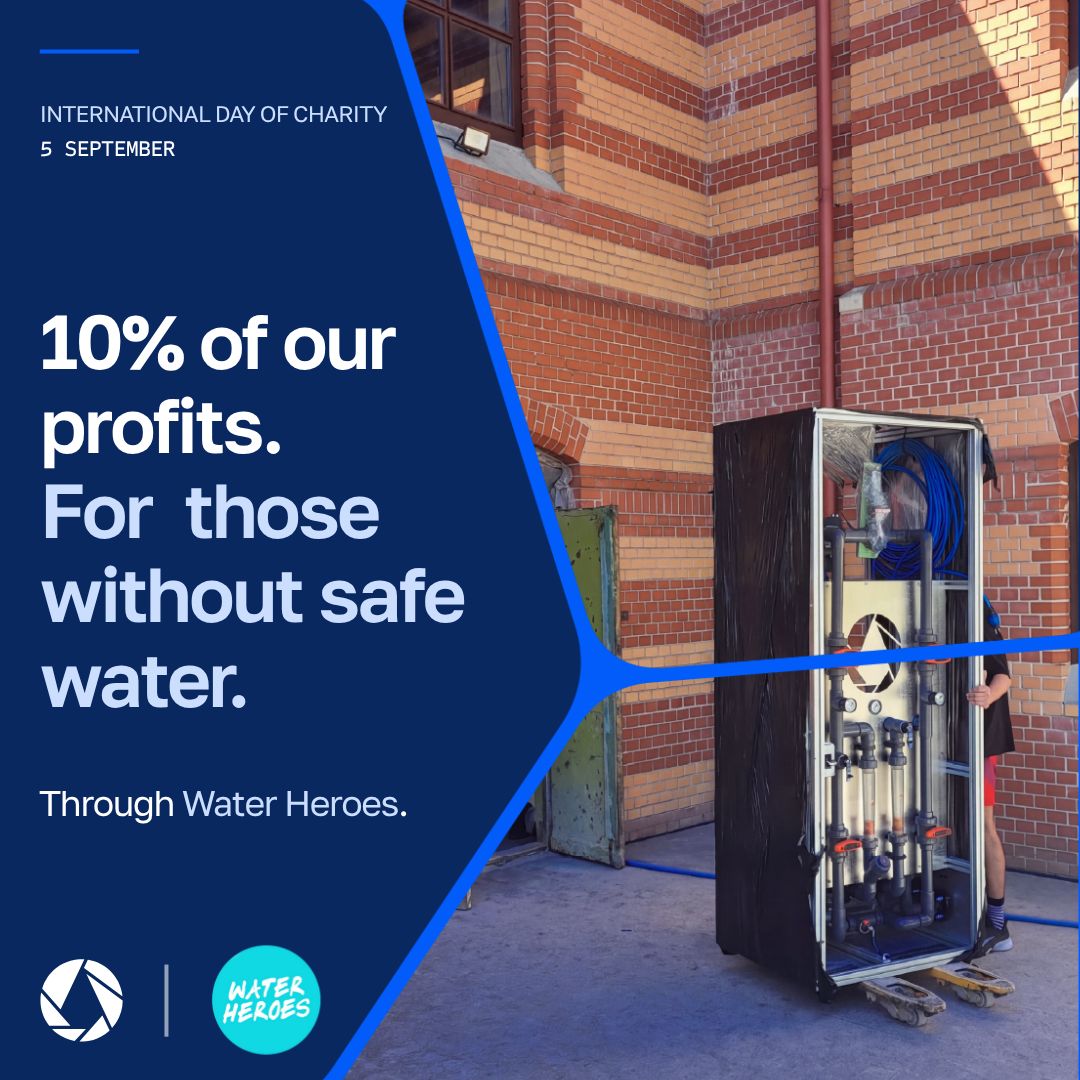
- Charity is easy to measure in euros. The real impact lies in what those euros continue to do long after they're given. Water Heroes is an independent NGO founded by BOSAQ that works to provide safe and clean drinking water to vulnerable communities that cannot afford these solutions themselves. It raises funds through donations, partnerships and contributions from supporting companies. BOSAQ contributes by donating 10% of its profit to Water Heroes. On 5 September, the United Nations marks the International Day of Charity and for
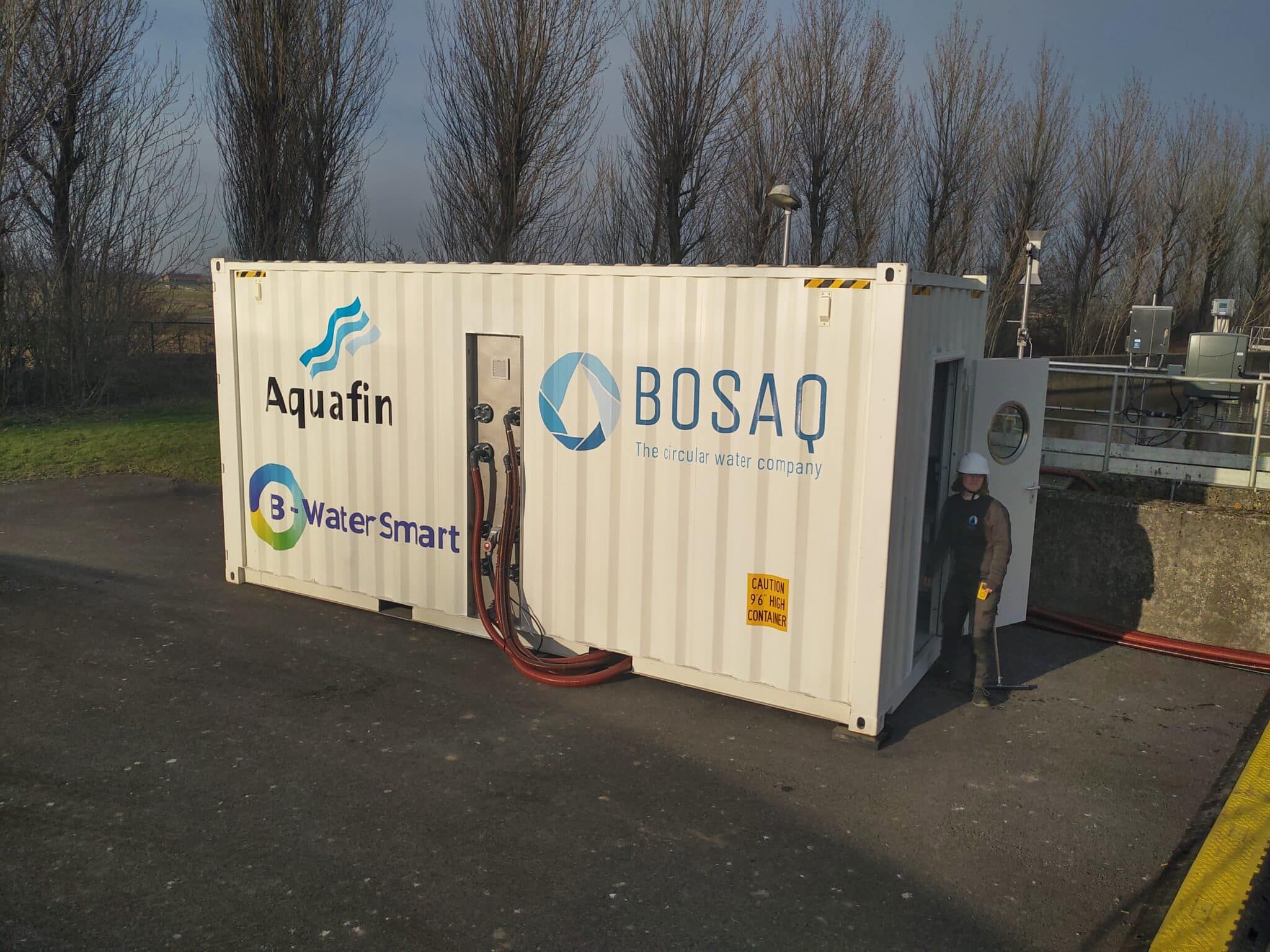
- A pilot doesn’t only produce water. It produces answers. It is where assumptions get replaced by operating data. Scale off a spec sheet, and you find out on commissioning day that your influent doesn’t behave as the datasheet assumed. At that point, the fix is expensive. Together with Aquafin, we designed and built two pilot units for two very different water streams, as part of the B-WaterSmart Project living lab in Flanders. Q-Drop Vikos – 1,000 litres per hour. Membrane filtration and polishing. Pretreats domestic wastewater
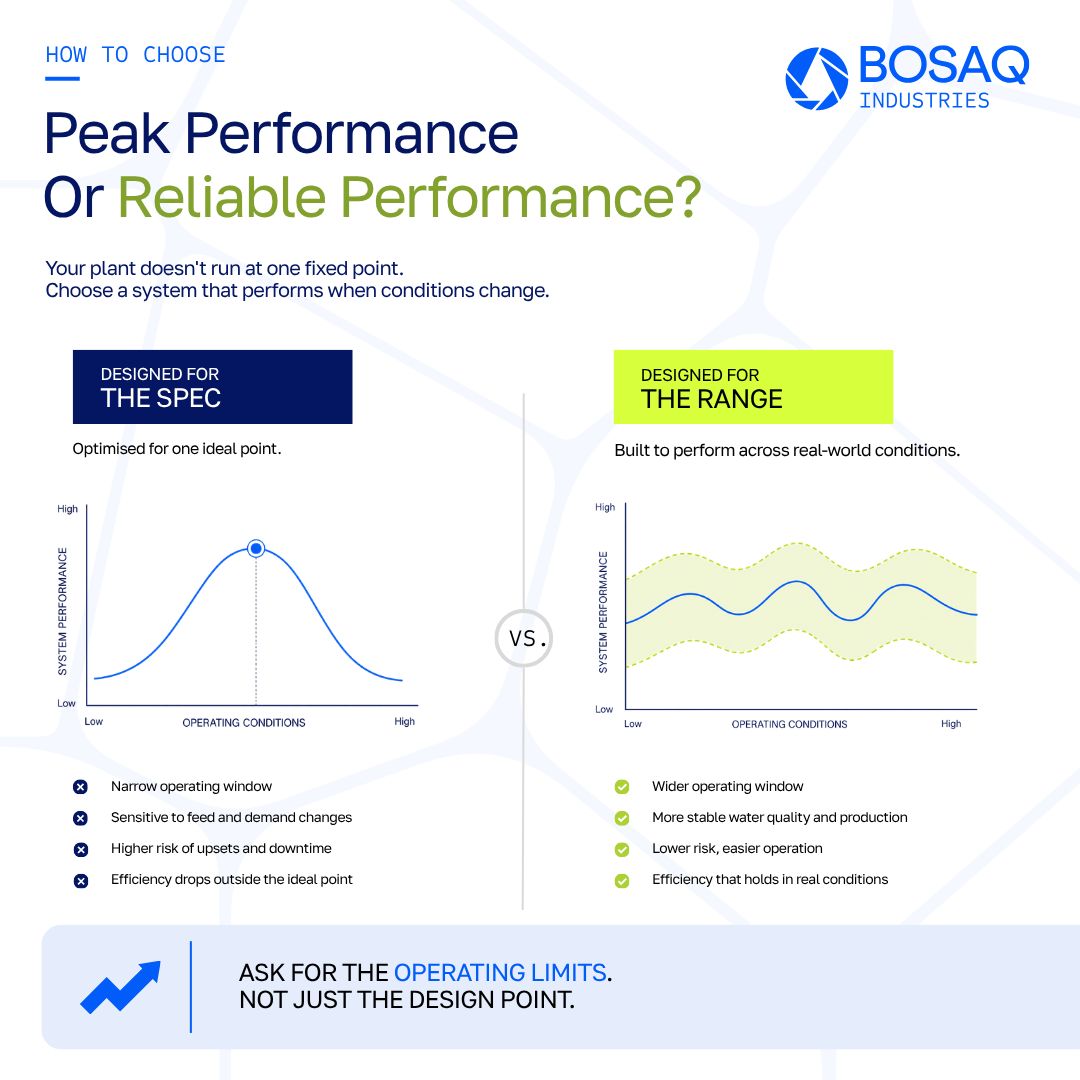
- Under what conditions were those numbers achieved? It's the question that most efficiency claims aren't built to survive. When you compare industrial water treatment systems, the numbers look impressive: → Higher recovery → Lower energy consumption → Lower chemical use → Smaller equipment All relevant. All achieved at one design point. Your plant doesn't operate at one design point. Feedwater quality changes. Temperatures fluctuate. Production demand varies. Membranes foul. Equipment ages. And pushing one parameter harder affects
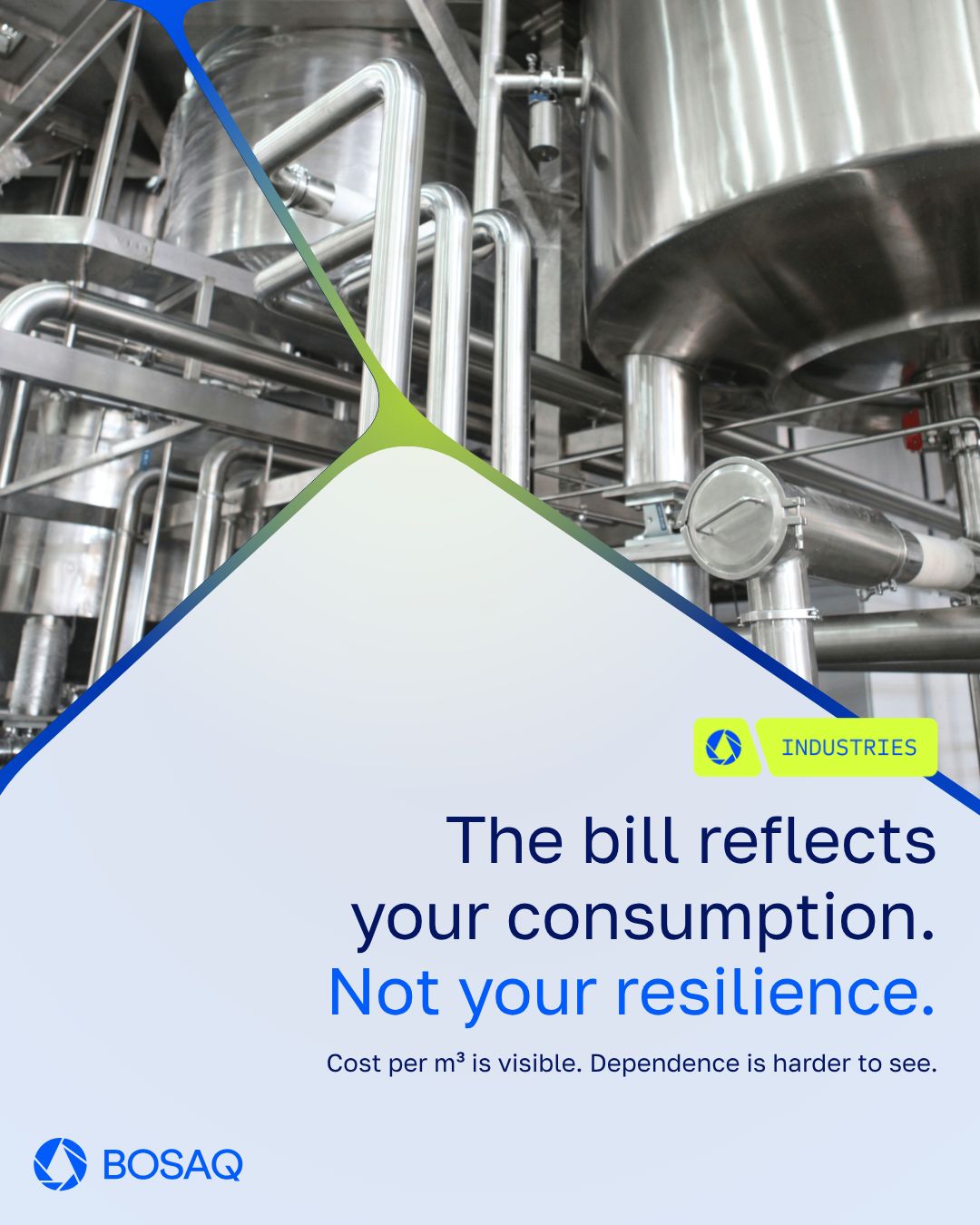
- Your water bill is probably not your biggest water risk. Cost is easy to see. €/m³. Treatment cost. Discharge fees. Chemicals. Energy. They all fit neatly into a spreadsheet. Operational dependency does not. How much production relies on one water source? How quickly could you switch if that source became constrained? And what would one day of limited supply actually cost the operation? That is where the conversation changes. Because saving cost and reducing dependence on an external water source solve two very different problems.
- Built where it has to work. Some work only makes sense on site. You can review a drawing for weeks. You learn more in the first hour standing next to the container. That's where the small decisions are validated. Where a valve was placed. How a control cabinet was wired. How quickly a filter can be reached. Whether an operator can look at the system and immediately know what it's doing. None of those show up in treatment performance. All of them help determine how smoothly the system will run for years to come. So our
- Nine years ago, our founder and CEO, Jacob Bossaer, was building a fully circular water system on Princess Elizabeth Research Station in Antarctica. That's where it started. That experience inspired him to help address a much bigger problem: 2 billion+ people without safe drinking water, most of them far from any grid or supply chain. That's the problem BOSAQ was built to help solve. He sat down with Bolero's Crowdfunding Connect to talk about what came after our 2021 campaign: the technology, the international projects, and what
- Food production runs on water. Not just in the product. In the cleaning. The rinsing. The cooling. The CIP. The steam. The line changeovers. When water is available, it disappears into the process. When it isn’t, everything stops noticing anything else. Most F&B plants track energy down to the kWh. Water often gets attention when the invoice lands, the permit tightens, or the buffer tank runs dry. That gap is closing. For food and beverage producers, water is becoming an uptime question. A compliance question. A
Related profiles
Something wrong or missing? Send an update. Fixed within 24 hours.