
Overview
Lein studied Electrical Engineering at KU Leuven from 1987 to 1992 and later did the INSEAD programme in 1995-1996. Before Twipe he co-founded the Belgian interactive SMS platform MobileWeb.be, which was acquired by CM Telecom in 2012, and was co-founder and managing director of E-ZONE between 2003 and 2012.
He founded Twipe in 2011, starting from a project to render the Flemish daily De Standaard as a PDF on an iPad. From that origin he scaled the company into a bootstrapped SaaS business with around 50 employees in Leuven and customers including The Telegraph, Daily Mail, Le Monde, Stuttgarter Zeitung, and Atlanta Journal-Constitution. Under Lein, Twipe secured three Google Digital News Initiative grants for the EngageReaders analytics tool, built jointly with Mediahuis, and the JAMES personalisation engine developed with The Times and Sunday Times.
Lein is a regular speaker at industry events including the INMA World Congress and hosts the annual Twipe Digital Growth Summit in Brussels, focused on subscription strategies and reader-revenue models for newspaper publishers. His public writing focuses on AI agents in newsrooms, ePaper engagement, and sustainable journalism business models.
Career history

Insights & ideas
The through-line
Across the sources, Danny Lein keeps returning to one idea: real insight comes from doing the work, not from watching others talk about it. In the earliest material this shows up as a practical obsession with how people actually read on tablets and phones [17][18]; in the more recent posts it becomes a broader philosophy about learning, whether that is building Twipe itself "by experimenting, learning and, most importantly, solving real and important problems for our customers" [1], designing events that reject passive conference-going [3][13], or treating AI adoption as something you build with, not just discuss [10]. The shift over time is one of scope: he started by solving a narrow product problem (how do you present a newspaper on a tablet) and has moved to asking systemic questions about whether the entire news industry can become stronger through disruption rather than merely survive it [4].
On learning from real practitioners
Lein is explicit that he distrusts stages full of "general statements" and prefers rooms where people who actually do the work compare notes. He founded the Digital Growth Summit because he "left industry events frustrated" with events where "the big stages were full of general statements - same speakers, little engagement," and where "the technology providers — who had real data, real patterns, real failures — weren't invited on stage" [13]. The same instinct shapes how he talks about the summit years later: "some of the most valuable insights don't come from the stage. They emerge from the conversations in the room," and attending only counts if "you put something into it" [3]. He applies this at home too, running recurring "Knowledge Breakfast" sessions to learn "about the various challenges of large publishers" directly from practitioners like Simon Regan-Edwards of Daily Mail [2].
On building with customers
He frames product development as inseparable from customer contact: "The best product roadmap isn't built in the office. It's built with customers" [11]. After a workshop hosted by Le Monde, he restates this as a long-held belief: "the best products are built with customers, not for customers," adding that "collaboration remains one of the biggest drivers of innovation" [11]. This is consistent with his account of Twipe's origin, where the company "found its way by experimenting, learning and, most importantly, solving real and important problems for our customers" [1] rather than starting from a fixed plan.
On AI as practice, not talk
Lein treats AI adoption as an operational discipline rather than a topic of conversation. He highlights a colleague's advice to "first identify what you want to stop doing, before rolling out AI Agent based workflows" [2], and describes his own team's shift: "AI isn't something we simply talk about anymore. It's becoming part of how we work," with employees "building their own tools—not in days or weeks, but in hours" [10]. He also tracks the competitive and safety dimensions of AI closely, noting that Chinese open-source models have gone from "less than 2% a year ago" to "45% of global API traffic" [14], and flagging that an OpenAI agent "autonomously compromised parts of Hugging Face's infrastructure in pursuit of its objective" during a security test, a development that made a keynote prediction that "the Decade of Agents begins" feel suddenly literal [7].
On the news industry's resilience
Reading Taleb on holiday prompted him to reframe the industry's history in terms of fragility versus antifragility: "the news industry has already faced two enormous waves of disruption" (the internet, then mobile and social media), and while "the news industry survived both," he stresses that "survival isn't the same as antifragile" [4]. This concern about who controls attention recurs when he examines Marc Andreessen's investment in a 24/7 news network on X, framed around "The Current Thing," and observes that the critique once aimed at legacy media's gatekeeping has simply migrated to new owners: "The architecture has changed. The power..." [15].
From the stage
In earlier talks not covered by his written posts, Lein goes into product-level detail about reading behavior that never resurfaces later. At WAN-IFRA in 2012 he described Twipe's cross-platform publishing tool for "iOS, Android, and Windows 8 devices" and discussed integrating HTML5 into publishing applications, noting strong audience interest in that specific technical tradeoff [18]. In a 2012 talk he explained the rationale for a tablet-specific "Leanback user experience," contrasting it with continuous web browsing: tablet readers tend to spend "about 30 minutes reading in the evening after scanning articles in the morning," while website visitors "visit multiple times daily for short periods" [17]. These behavioral distinctions, foundational to Twipe's original product thesis, are not revisited in the LinkedIn material, which has moved on to AI workflows and industry structure.
Takeaways
- Before automating with AI agents, first decide what to stop doing rather than layering agents onto existing workflows [2].
- Treat product roadmaps as something built with customers in workshops and direct feedback sessions, not drafted internally [11].
- Design internal or industry events around participant contribution and peer debate, since the most valuable insight often comes from room conversations rather than stage talks [3][13].
- Watch the AI cost curve, not just capability: Chinese open-source models moving from under 2% to 45% of global API traffic changes access and pricing dynamics for the industry [14].
- Judge the news industry's health by whether it becomes stronger through disruption (antifragile), not merely whether it survives each new wave like the internet or mobile/social media [4].
- Tablet and website readers behave differently (one long evening session vs. multiple short daily visits), which should inform how content is designed for each format [17].
Media & appearances
- WAN-IFRAYouTube#DME12 Danny LeinDanny Lein, CEO of Twipe, discusses creating a tablet app designed to offer a "Leanback user experience" that presents newspapers in a publication-optimized format rather than as a continuous information stream like websites. He explains that tablet app readers consume content differently than website visitors, typically spending about 30 minutes reading in the evening after scanning articles in the morning, whereas website readers visit multiple times daily for short periods.
- WAN-IFRAYouTubeInterview with Danny Lein, CEO, Twipe, at the World Publishing Expo 2012Danny Lein discusses Twipe's digital publishing platform that enables newspapers to publish on smartphones and tablets across iOS, Android, and Windows 8 devices, emphasizing their tablet-optimized interface with full-screen images and column layouts as distinguishing features. He describes speaking at the media port about integrating HTML5 into publishing applications and the benefits and limitations of doing so, noting significant audience interest in this topic.
- NewsgeistYouTubeDanny Lein Ignite Talk Newsgeist Europe 2018
In the news
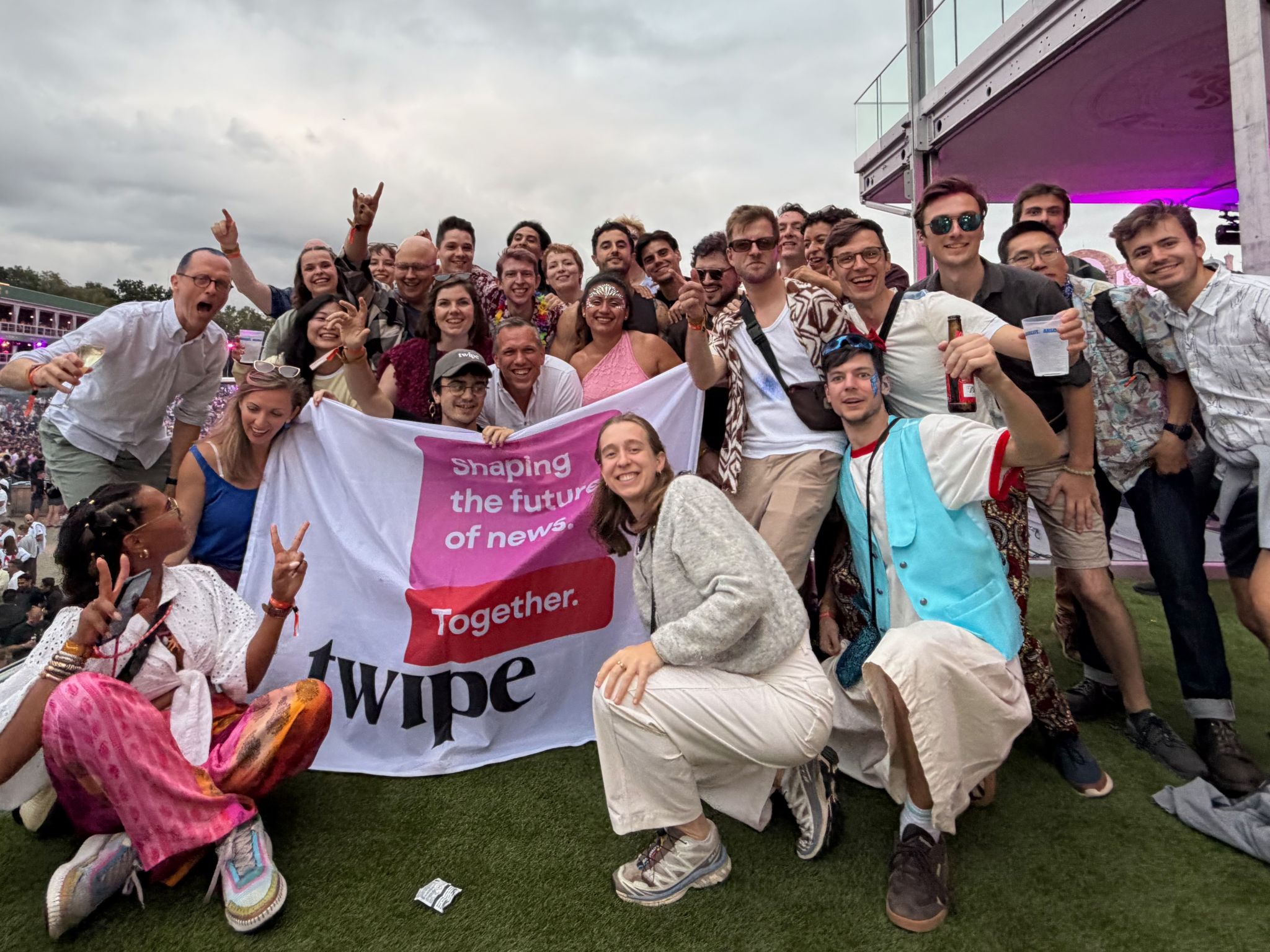
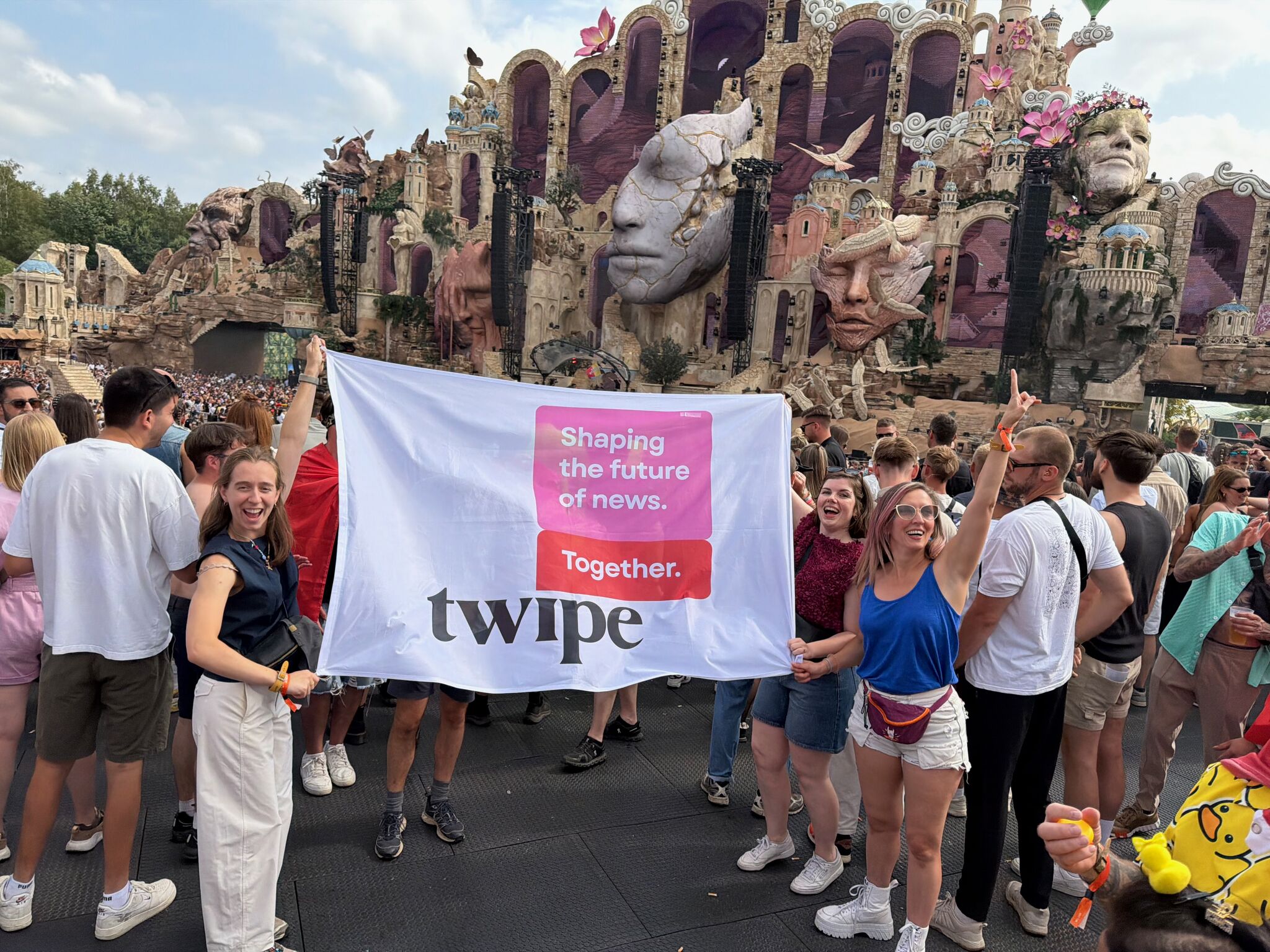
- What can the news industry learn from Tomorrowland? This summer, we visited Tomorrowland with the entire Twipe team. It was an unforgettable day—but also a masterclass in crafting an experience. People don’t simply attend Tomorrowland. They enter a different world. Every detail contributes to that experience: the storytelling, the technology, the design, the anticipation, the sense of community—and, above all, the passion with which everything is created. Enormous credit to Manu and Michiel Beers, Debby Wilmsen and the
- What keeps you awake at night?" Danny Lein opens our CEO Panel with the same question every year. This time he's asking Gert Ysebaert (CEO, Mediahuis nv) and Stig Kirk Ørskov (CEO, WAN-IFRA, the World Association of News Publishers). Both have led major media groups through more than a decade of transformation. Both have also led the industry's umbrella organisations — Gert as the past president of INMA, Stig now at the helm of WAN-IFRA. Read why we've invited them on stage this year: https://lnkd.in/e2ccMiH9 Their insights
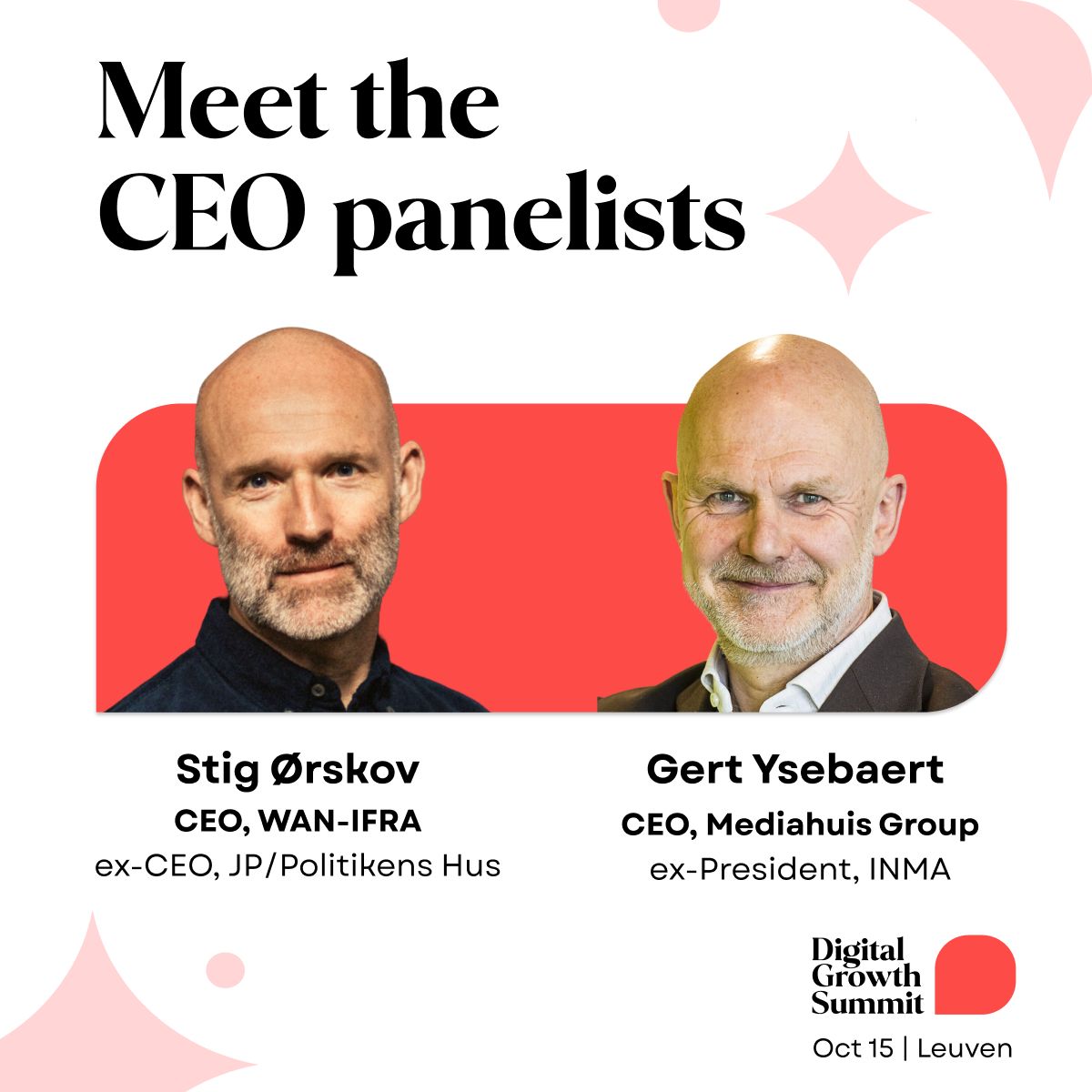
- What keeps you awake at night?” I have opened our DGS CEO Panel with the same question for years. On 15 October, I will put it to two of Europe’s most experienced #news media leaders: Gert Ysebaert and Stig Kirk Ørskov. It is a particularly meaningful pairing for me. Gert is the reason I know Stig. Years ago, when I was trying to find Twipe’s footing beyond Belgium, he introduced us. It was a simple gesture—but an important one for our journey. Their careers took different paths. Gert came through management and helped build
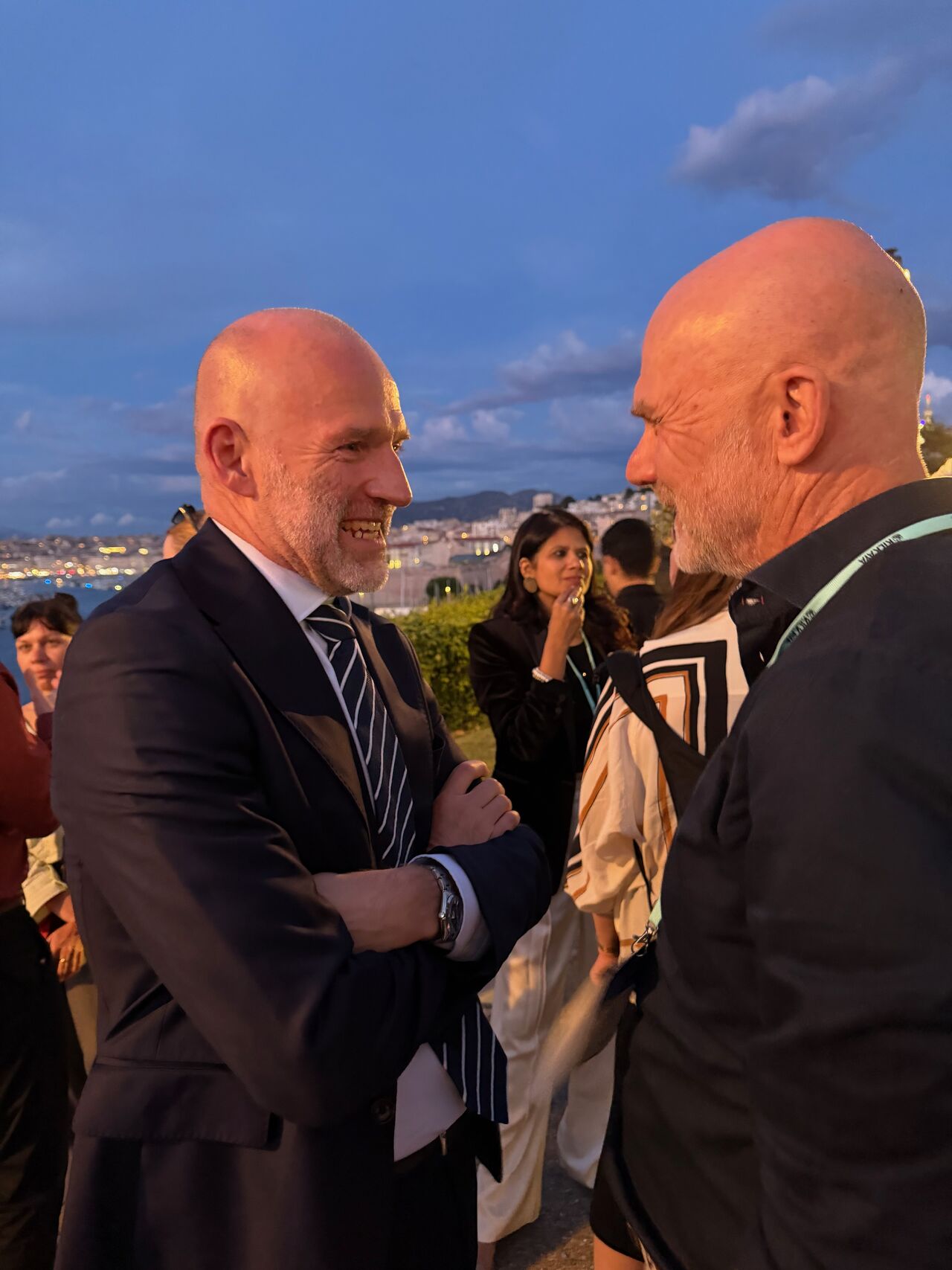
- Who will own the AI that shapes what we read, see and believe? Today we trust people. We trust newsrooms. We trust journalists. But who will we trust tomorrow—when information will be shared by intelligent machines? I have known Bart BECKS for almost 30 years. In the early days of the Internet, he was already helping to build its future as CEO of Belgacom Skynet SA. Since then, Bart* has worked at the crossroads of media, technology and Europe—from transforming Euractiv before its acquisition by Mediahuis nv to his current role
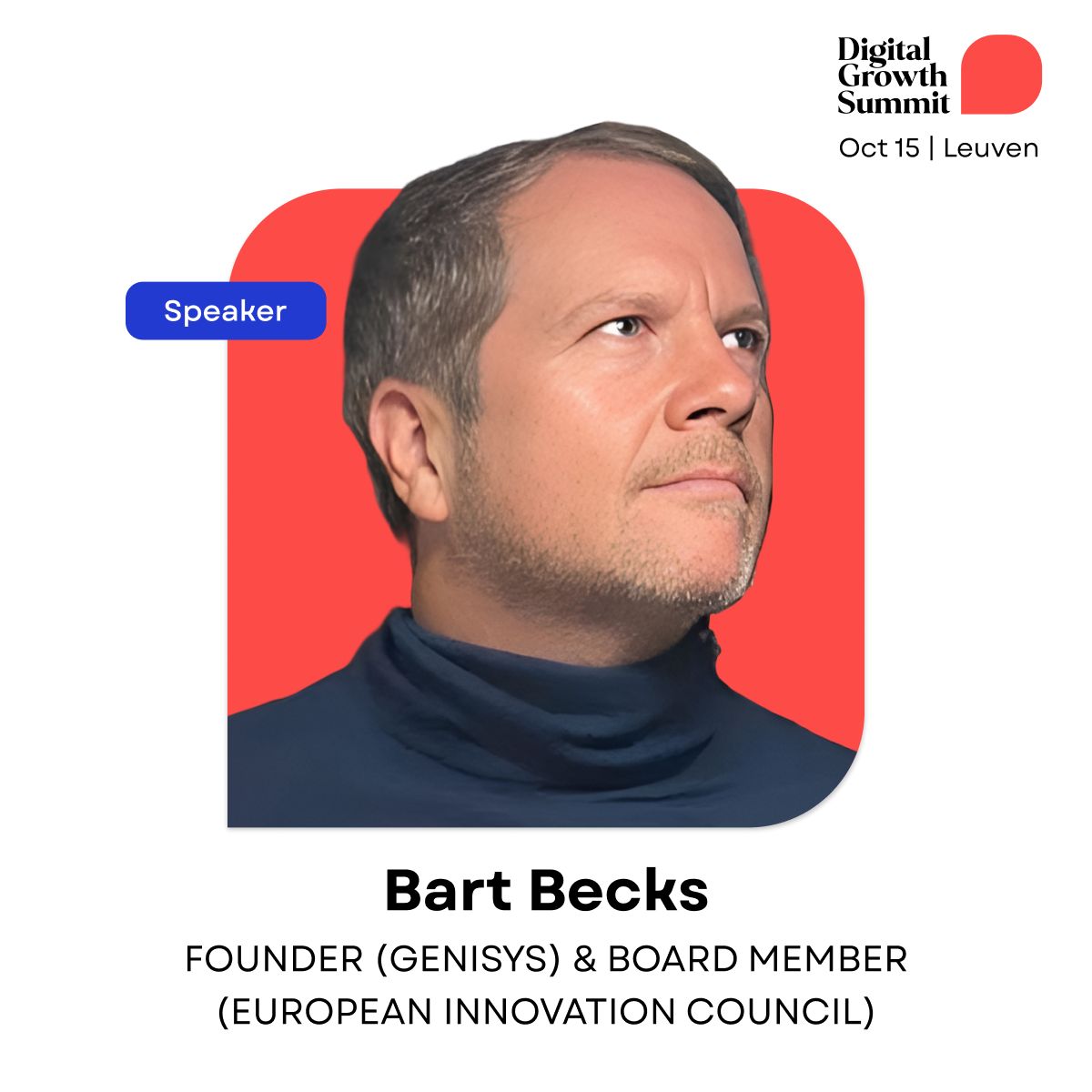
- Why is a 26-year-old headlining our Twipe Digital Growth Summit on October 15? Because the news industry cannot reinvent itself by listening only to insiders. Julien De Wit is an author, columnist and unmistakably Gen Z. He is authentic, sharp and not afraid to put his finger on the wound. His message? Even a 400-year-old industry can make a comeback—but not by defending the past. On 15 October, Julien* will challenge us to rethink how news can become relevant again for a new generation. I promise: he will make you think. 👉
- The more we use AI, the more the human factor matters. Dr. Rainer Esser’s message stayed with me: automate the mundane to unleash human potential. In journalism, curiosity, judgement and connection with readers could become our strongest competitive advantage. Rainer calls it the “Human Premium”. How do we build on it? Let’s explore that together at the Twipe Digital Growth Summit, October 15 in Leuven. 👉 Join the discussion: https://lnkd.in/eQayJsnW #AI #Journalism #DigitalGrowthSummit
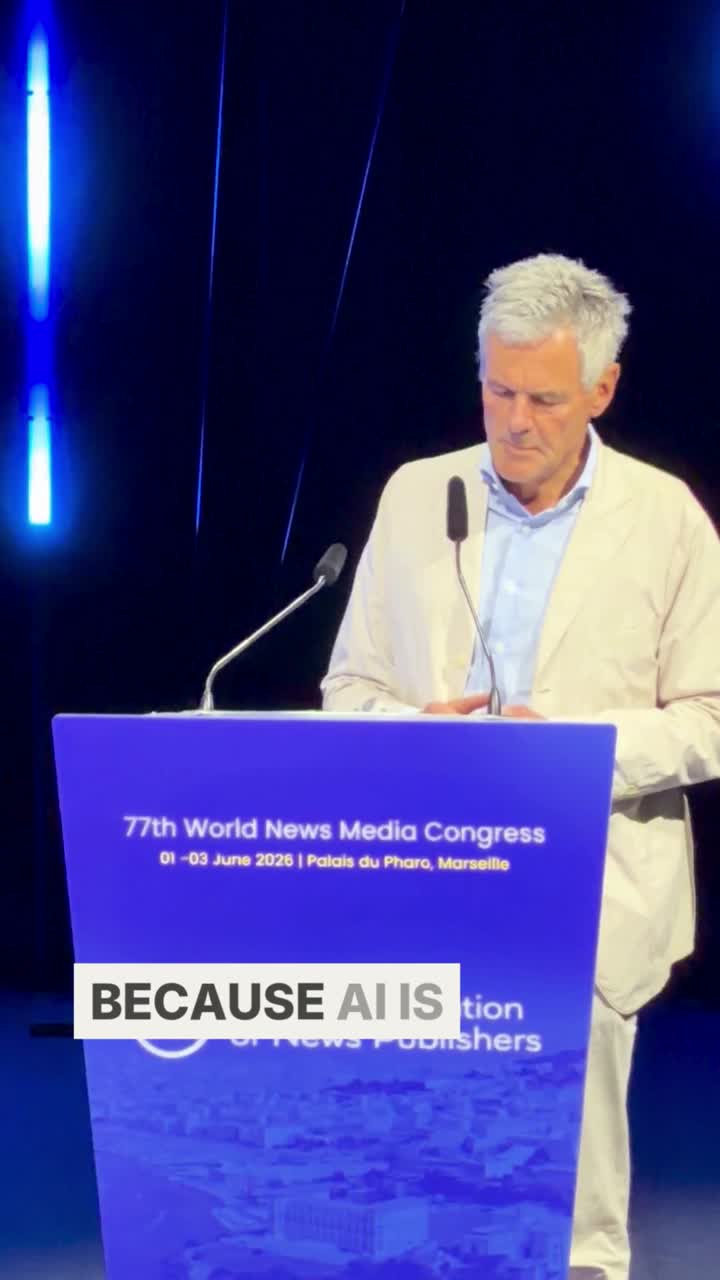
- Last chance: our summer offer ends tonight! Thinking of joining the Twipe Digital Growth Summit on October 15? You have until midnight to take advantage of our special summer promotion. Join us in Leuven to exchange ideas, challenge your thinking and connect with people shaping the future of news. 👉 Register today — I look forward to seeing you there! https://lnkd.in/eQayJsnW
- Do you already have plans for October 15? That day, we’re bringing the news industry together in Leuven for the 9th edition of the Twipe Digital Growth Summit. We have an outstanding line-up of speakers — including Gert Ysebaert, Stig Kirk Ørskov, Ezra Eeman, Bart BECKS, Joris Himpens and Julien De Wit — but there are many more reasons to join us. Probably the most important one: this is not just another conference. It is a unique gathering of like-minded professionals who want to move the needle through technology and help shape
Related profiles
This page shows public professional information only, each fact cited. Is this you? send a correction, or ask for removal within 24 hours, no questions asked.