Overview
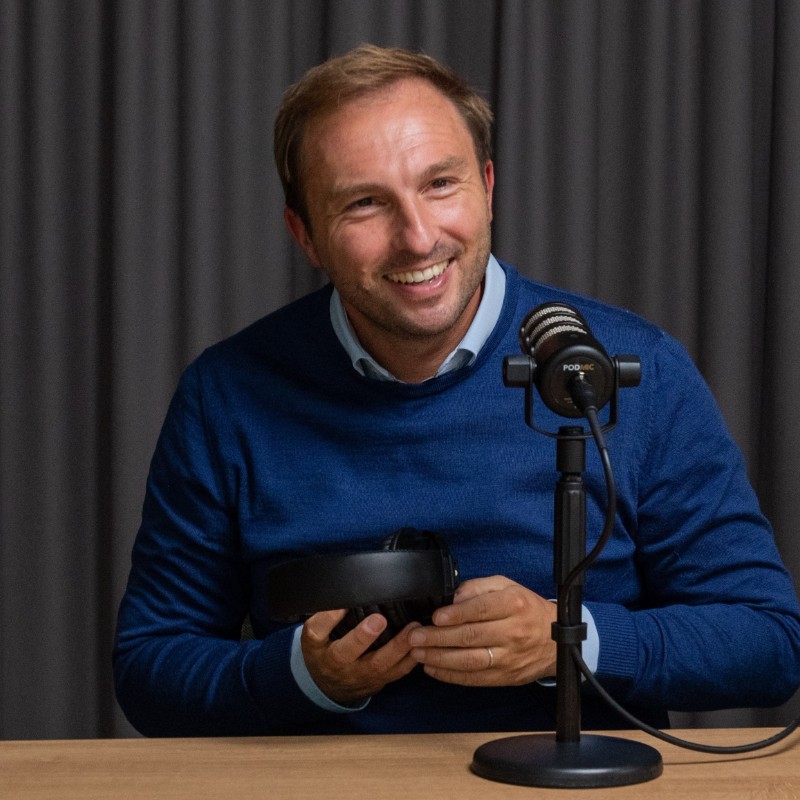
Guy co-founded MobieTrain in 2015 alongside Mireille van Hemert-Schelling and Willi Van Boven, drawing on over 15 years of experience in sales, marketing, and business development. The idea came from his time managing European business at BARE International, a mystery shopping firm, where he observed that frontline retail staff received almost no structured training despite being the primary customer-facing layer.
MobieTrain's app delivers daily, bite-sized training content (microlearning) that boosts employee knowledge retention and productivity. The platform has reached 10,000+ users across 13 countries. In 2018, MobieTrain won the Unleash startup competition, and in December 2019 was named Startup of the Year in Limburg. The company holds a University of Chicago Booth School of Business case study.
Career Highlights
- Founded MobieTrain in 2015 in Genk, Limburg; winner of Unleash 2018 startup competition
- Named Startup of the Year in Limburg2019HR tech Company of the Year (awarded)
- Built the platform to 10,000+ users in 13 countries with clients including BMW, Vans, and Zara
Career history

Insights & ideas
The through-line
Guy Van Neck keeps returning to one problem: the gap between having information and knowing what to do with it, especially at the level of the frontline manager. Early posts frame this as a training problem that training can't actually fix, since "a lot of what makes a great manager great isn't something you can hand over in a workshop" [1]. Over time this hardens into a more specific diagnosis: managers aren't short on data, they're short on translation, and that gap "compounds" the more locations a brand runs [10]. His own product history tracks the same arc. He first tried to solve it by removing the manager from the loop entirely with Nudgr, sending instructions straight to employees, and pulled it within months because "an algorithm doesn't know that the walk-in fridge died an hour before service" [11]. What replaced it, and what now underlies Khova.ai, is a bet that the fix isn't more automation but a system built around keeping a person, specifically the manager, in the loop [11][15].
On the translation problem
The recurring claim is that dashboards report the past, not the next move: "A dashboard tells you what happened. It does not tell a manager what to actually do about it, in this shift, with this team, right now" [7]. He frames the resulting struggle as structural rather than personal, arguing that even good managers "reach completely different conclusions from the exact same data," and that this, not a shortage of talent, is what shows up as Coresight's estimated "6.4% of gross sales" lost to operational inefficiency [10]. His conclusion is that the fix isn't teaching everyone to think like the best manager but "building a system that points every manager's attention at what matters" [1].
On keeping a person in the loop
This theme is most explicit in the Nudgr postmortem: cutting the manager out "made sense; on paper at least," but broke down because there was "no person in the loop who could say yes, no, or not today" [11]. The same skepticism shows up in how he talks about AI more generally. Pitching a pizza-chain CEO on queue-analysis technology, he pushes back on the excitement itself: "All of that is just another data layer," and warns that "it is much harder to ask what anyone is actually meant to do with it"
Media & appearances
- MobieTrain LearningYouTubeMobieTrain in 3 minutes by CEO Guy Van NeckGuy Van Neck describes MobieTrain as a mobile learning platform for the retail industry that uses bite-sized learning, gamification, and knowledge retention algorithms to train workforce employees. He explains the platform consists of three components: a content management system for creating learning tracks, a web application with gamification for employees, and a dashboard for companies to track engagement and knowledge gaps.
- StartupbootcampYouTubeWHAT'S NEXT Podcast: MobieTrain with Guy Van Neck and Giovanni VaccariGuy Van Neck discusses how he identified the problem of inadequate frontline employee training while working in auditing and mystery shopping services, observing that retailers struggled to train store-level workers despite having good training systems for management. He explains how the rise of smartphones and digitalization prompted him to create MobieTrain, a mobile-first micro-learning platform, which he formalized through an MBA at Chicago Booth and officially launched in 2015 while maintaining another job.
- #ZigZagHR TVYouTubeDe toekomst van frontline learning
In the news
- Yesterday we tried to book a hotel in New York for November. Two families, six children, so we needed several rooms in the same place. Nothing exotic. Just slightly more than a booking form can handle. So we picked up the phone. Four luxury hotels, one after the other. Every call went the same way. First, getting the right person on the line takes forever. Then, once you finally reach reservations, nobody can give you an answer on the spot. One of them could. We asked for four nights. Halfway through the stay the room was
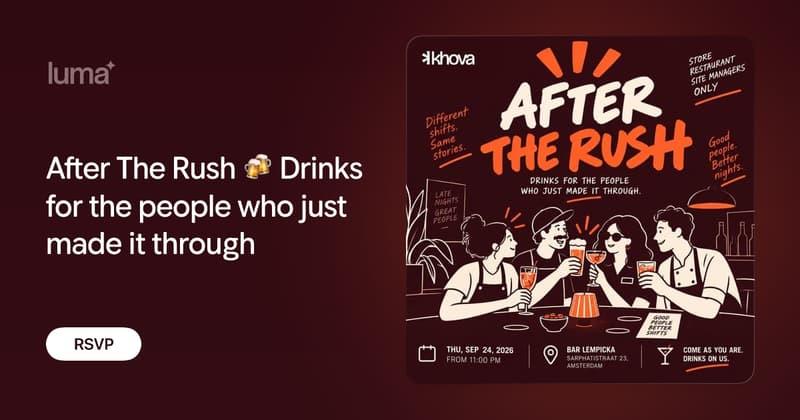
- Most networking events start at exactly the wrong time for restaurant managers. 6 PM? You’re getting ready for service. 8 PM? Nice try. So we’re trying something different. On 24 September, we’re meeting in Amsterdam at 11 PM, because if we want to bring restaurant, store and site managers together, we should probably build something around their reality, not ours. These are the people keeping teams moving, solving problems before anyone else notices them and making sure the whole place keeps running. After the Rush is for them. No
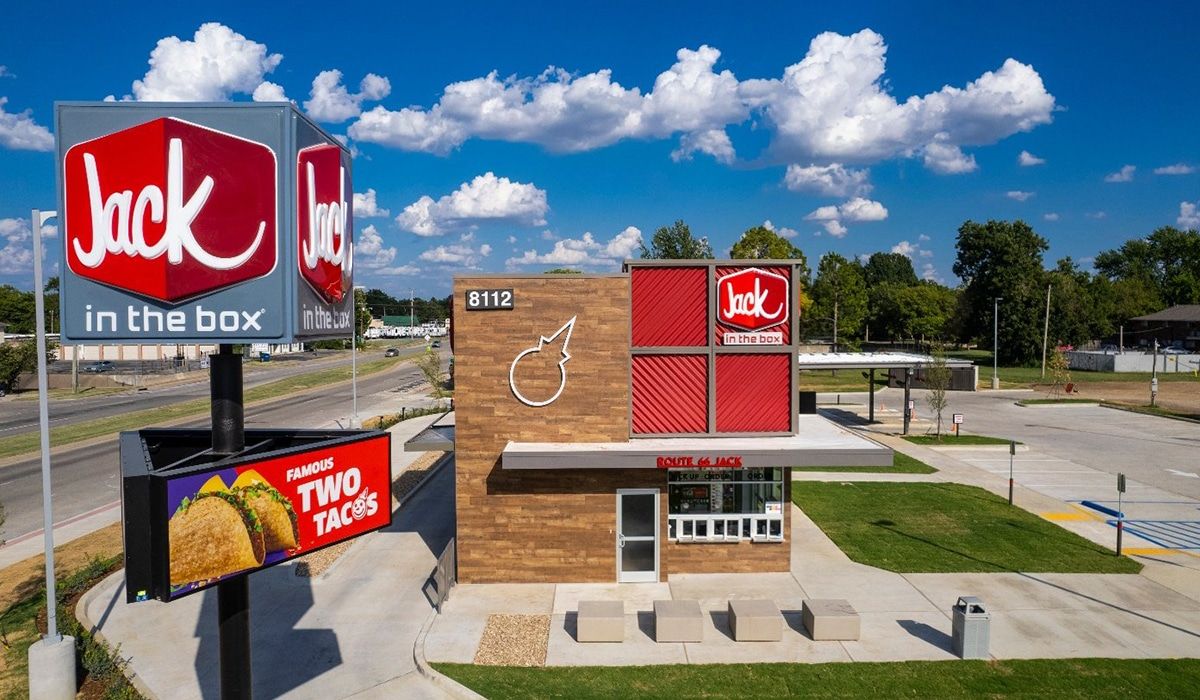
- Jack in the Box’s interim CEO Mark King spent his first two weeks of the job on the road. He went on roadshows with the leadership team, sitting down with the franchisees running his restaurants day-to-day. Listening. What he heard, over and over? Too many promotions, too many changes, too much landing on the same team in the same week. Staff were drowning in new initiatives. His response was simplification. He immediately cut the number of promotions per marketing window from three to two. Reducing the number of things pulling
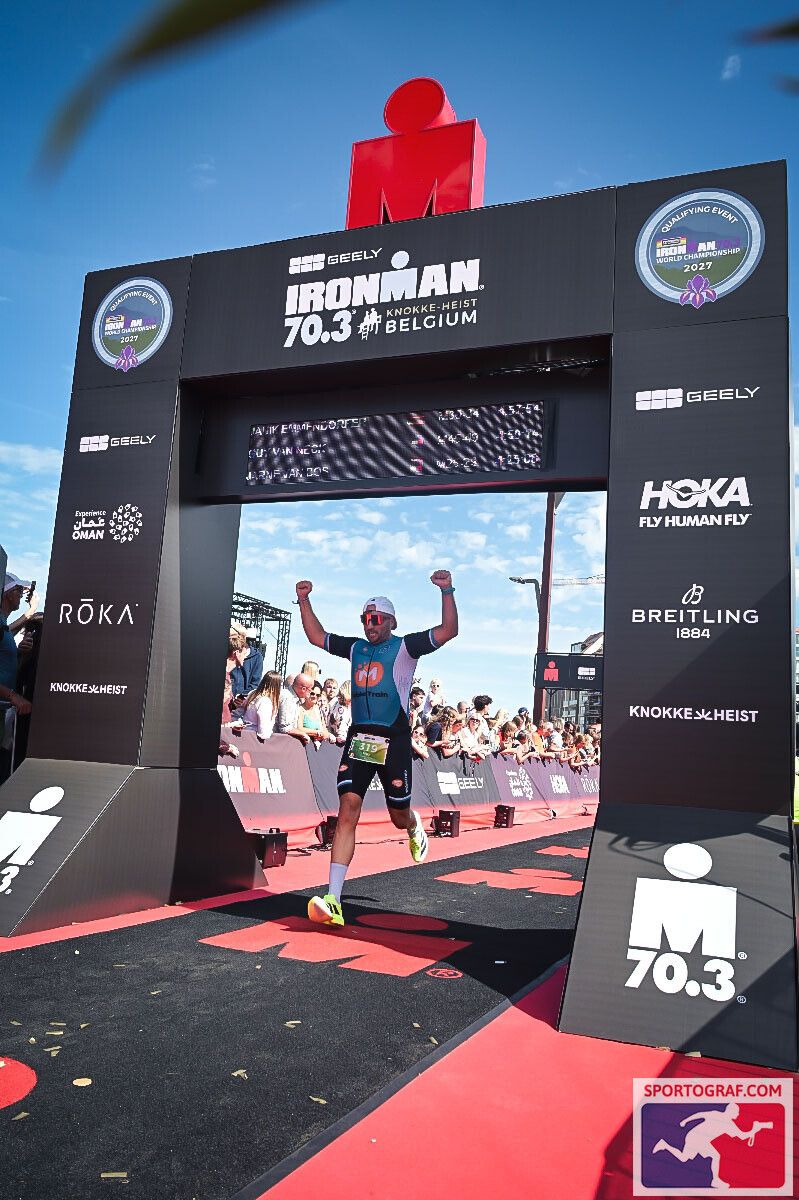
- 𝟰:𝟱𝟬:𝟭𝟲 𝗮𝘁 𝗜𝗥𝗢𝗡𝗠𝗔𝗡 𝟳𝟬.𝟯 𝗞𝗻𝗼𝗸𝗸𝗲-𝗛𝗲𝗶𝘀𝘁 𝗼𝗻 𝗦𝘂𝗻𝗱𝗮𝘆. The goal was sub 5. Two years ago I stood at the start of my first 70.3 not knowing if I would even finish. I am no expert. But looking back at those two years, a few things kept showing up, and they are the same things I see every week at MobieTrain and Khova. 𝗔 𝗰𝗹𝗲𝗮𝗿 𝗴𝗼𝗮𝗹 𝗯𝗲𝗮𝘁𝘀 𝗮 𝘃𝗮𝗴𝘂𝗲 𝗮𝗺𝗯𝗶𝘁𝗶𝗼𝗻. Sub 5 was not a wish. It was a number I could plan backwards from. Every training block had to serve it. Same in business.
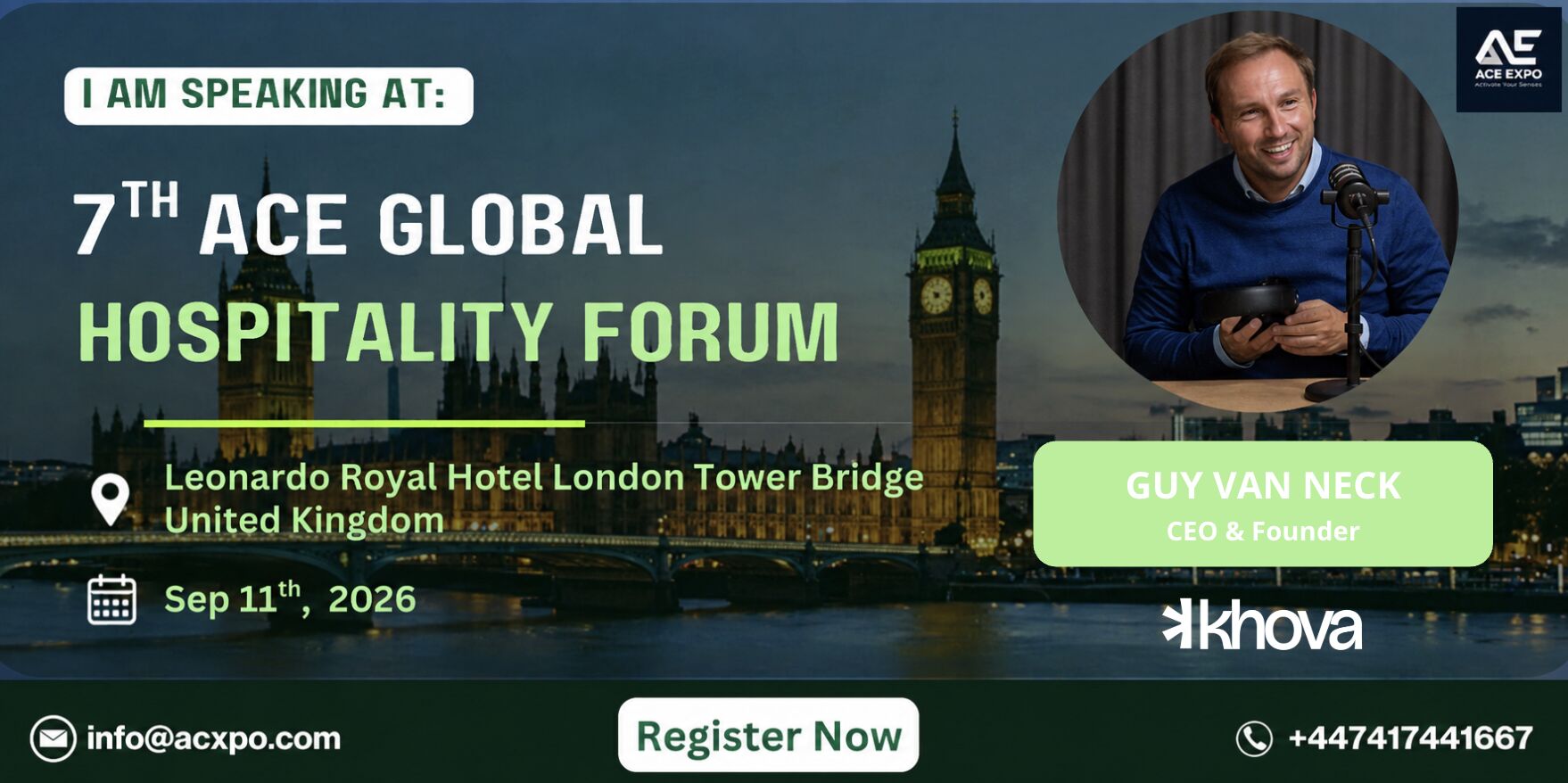
- Nobody ever welcomed a guest with a dashboard, yet most AI in hospitality goes to head office, another report from last month, not the person who could change today. I'm speaking at the 7th ACE Global Hospitality Forum in London on September 11, on Unsung Heroes not the brand, not the strategy, but the manager standing in your restaurant or hotel, deciding what your business feels like today. Here's the question I'll put to the room: do you actually know who's running your business? Most of us would say yes, and most of us are
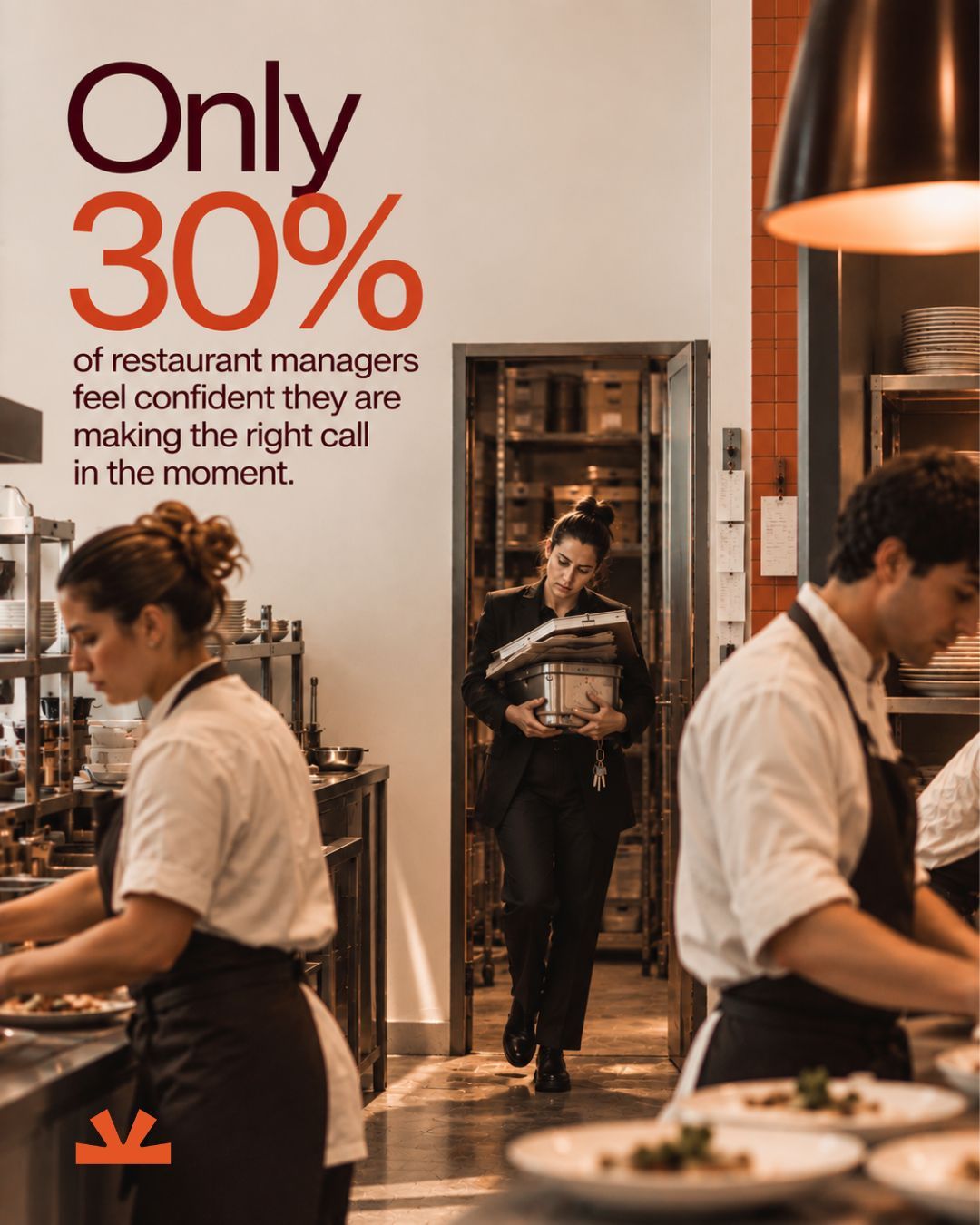
- Most hospitality leaders reach for staffing when performance dips. More hours, more people, more coverage. But every time I have actually spent time inside a restaurant network rather than looking at it through a head office dashboard, the pattern looks different. The frontline team is rarely the problem. What is missing is a way to see, before the shift starts, what actually needs attention that day. The average restaurant manager loses to manual admin, chasing information scattered across tools that were never built to talk to
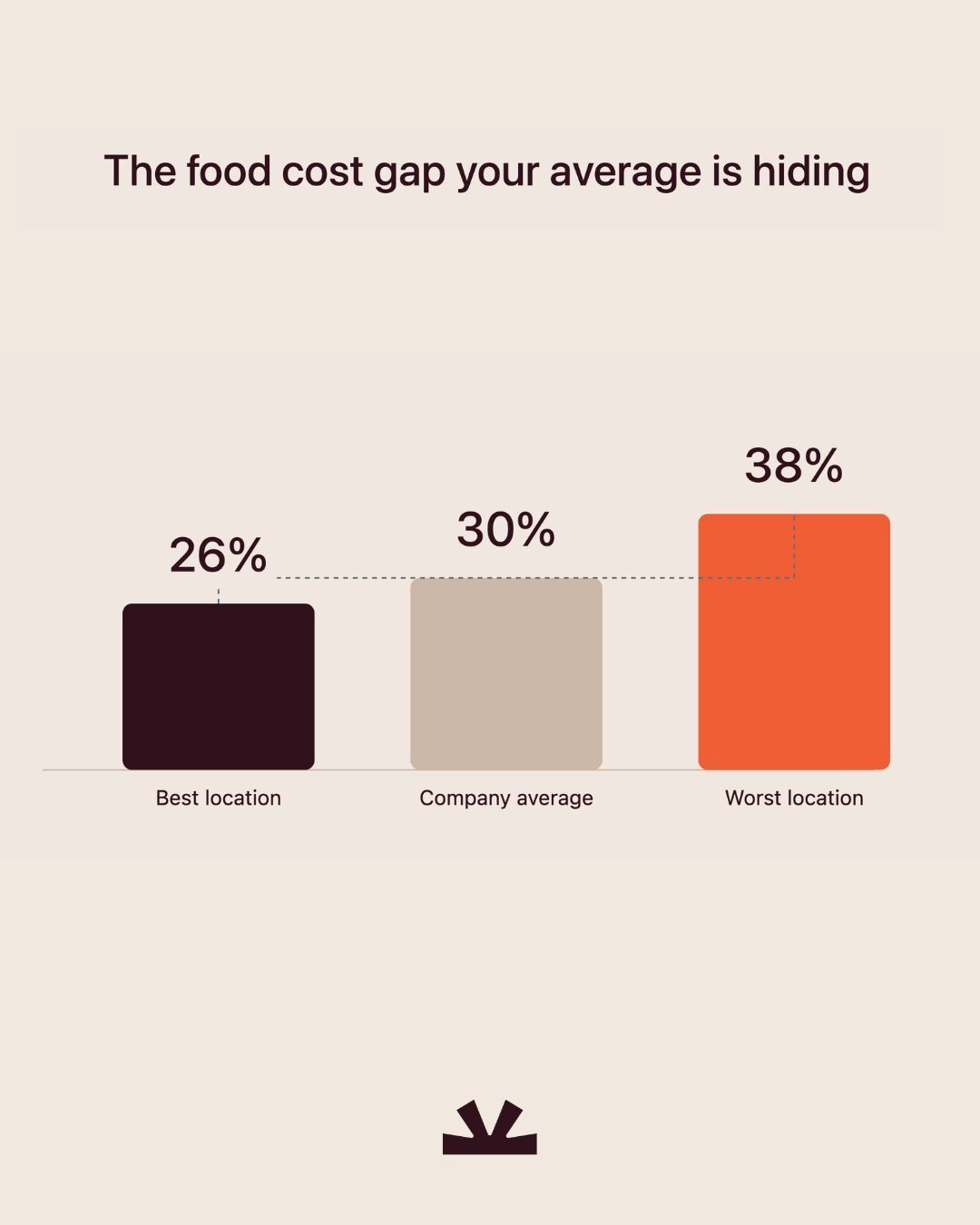
- Multi-location operators know their food cost percentage. Few can answer “what’s the gap between your best location and your worst?” That’s the number that tells you where execution is actually breaking down. It points to things that a single, company-wide average can’t tell you: where the money is leaking, whether it's a training or standards problem, and which location needs attention first. A company-wide food cost of 30% sounds fine, but if you delve deeper, you might find that one location running at 26% is compensating for
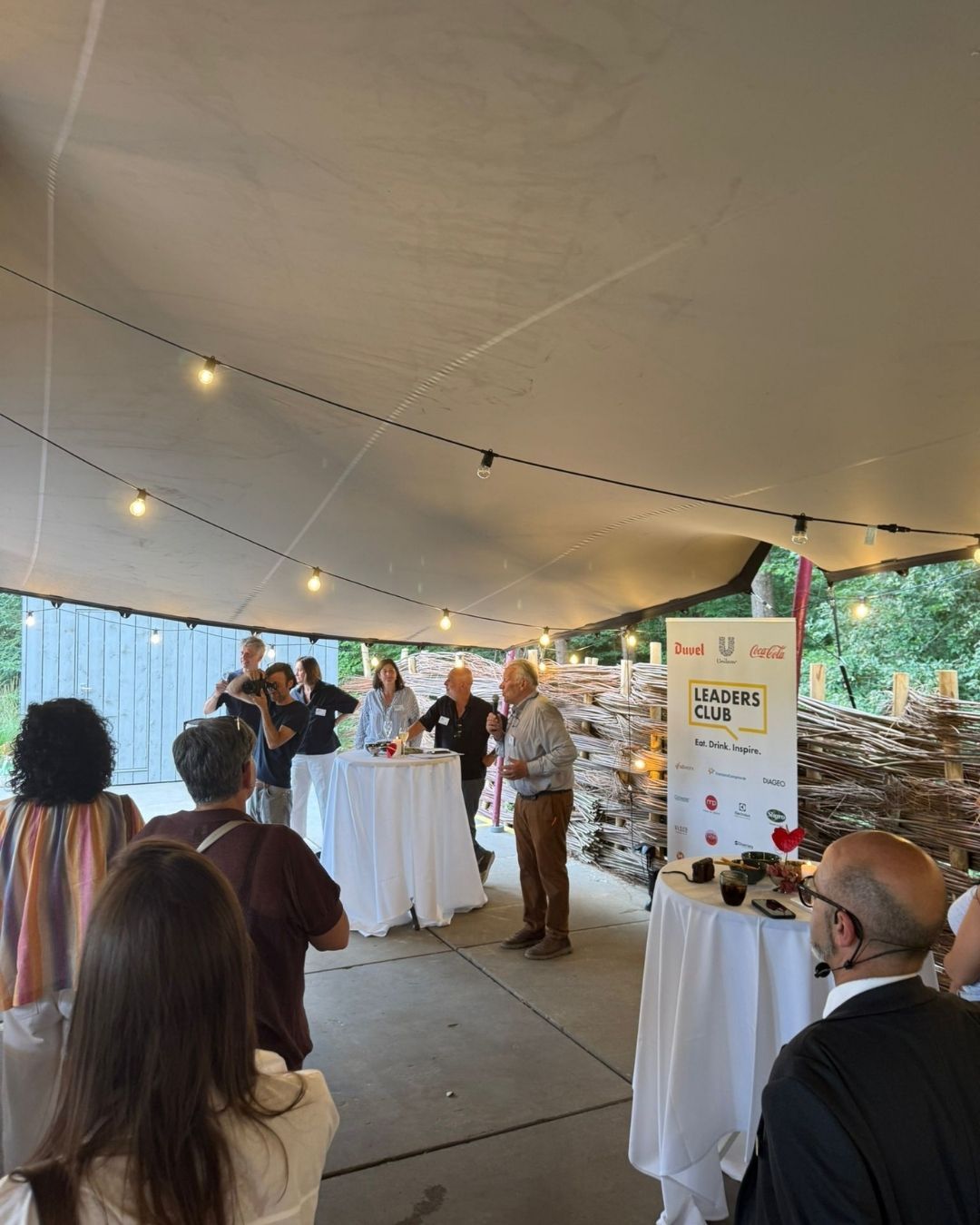
- Last week I sat around a very long table. Literally. Leaders Club Belgium organised De Langste Tafel, one long table, a room full of hospitality entrepreneurs, no stage, no agenda beyond good food and honest conversation. That format matters more than it sounds. No stage, no pitch, just people who have run kitchens and floors and teams for decades, sitting close enough to actually talk. What struck me again is how similar the conversation is, no matter who you're sitting next to. Someone scaling from three sites to fifteen.
Related profiles
This page shows public professional information only, each fact cited. Is this you? send a correction, or ask for removal within 24 hours, no questions asked.