
Overview
Koen co-founded Ambassify in 2017 alongside Bert Celis and Wim Mostmans. The platform helps companies activate employees as brand ambassadors, amplifying company visibility and social media reach through authentic employee voices. Ambassify is the category leader in Belgium and expanded its position in 2024 by acquiring Social Seeder, a direct competitor also founded in 2017.
He holds an IT bachelor's degree from Hogeschool PXL, a Software Engineering degree from Zuyd University of Applied Sciences, and a Master in e-Business from the University of Antwerp Management School. Before Ambassify, he served as Managing Director of E-KON.
Career Highlights
- Co-founded Ambassify in 2017; led acquisition of Social Seeder in 2024 to consolidate the Belgian employee advocacy category
- Raised EUR 2M in 2022 to reinvent employee engagement features
- Former Managing DirectorE-KON before founding Ambassify
- Master in e-BusinessUniversity of Antwerp Management School
Career history

Insights & ideas
The through-line
For nine years Koen Stevens built on the assumption that employee advocacy was a distribution problem: get the content out, get more people sharing, build the tools that make it easy [12]. The tooling worked. Sharing is one click now, with the admin prepping the post and a few ready-to-use variations sitting there waiting [12]. The number never moved. Around 10% of employees do almost all the sharing, and the other 90% are not stopped by effort, they are unsure it is theirs to post [11][12]. That realisation is the pivot in how he thinks and how Ambassify is built: "it was never distribution. It's permission and confidence" [12].
The same correction shows up everywhere else in his thinking. Features are not the differentiator, adoption is [3]. Tools do not kill programs, missing conditions do [2]. Word lists do not manage risk, meaning does [7]. A demo is not proof, survival under real use is [4]. He says the uncomfortable versions of these out loud on purpose, including that his own category is not a rocket ship: "Employee advocacy is not a hypergrowth market. Strange thing for the CEO of an advocacy company to say. But someone should" [3].
On the 10% problem
Every vendor in the industry knows the number, and most will not say it because it is awkward when you are selling company-wide engagement [11]. Stevens says it: in most programs 90% barely participate [11]. What makes it interesting to him is that it is not an effort problem. The post is already written and sitting there ready, and people still do not click, because the real barrier was never "how do I do this" but "is this mine to post? Am I allowed? Will it come back on me?" [11]. Above that sits a harder tier, posting in your own words, "where the blank box actually bites, and it's the part fewest people ever do, even though it's the most powerful" [11]. As he puts it elsewhere, "a blank box is scarier than a share button" [12].
He is blunt that the standard fix does not work. "You don't fix either with a leaderboard. A prize doesn't make someone feel it's theirs to say" [11]. What moves people is permission and confidence [11][12]. That also reframes who the program should target. Most programs kick off by picking the "top 10" people who should post, and that is usually the first mistake, because the standout advocate is almost never who you would guess: not the loudest person, not the biggest network, not the senior title, but "usually someone quiet who just needed to feel it was safe to start" [8]. You cannot spot that person on an org chart and follower count does not predict it, so hand-picking a squad is backwards betting [8]. Open the door wide, make it safe to post, and the right advocates surface on their own [8].
On adoption as the only thing that is actually hard
Most programs quietly die after launch: big kickoff, a wave of posts in month one, then silence, with even the initial 10% fading once the novelty wears off [6]. The number worth watching is therefore not launch-week reach but sustained participation [6]. Barco is the counter-example he keeps returning to: of the advocates they activated, 45% actively engaged with campaigns over the past year, reacting, commenting and taking part rather than passively viewing, and they have kept that up for nine years [6]. Securex is the other: 73% of their advocates are active every single month, with more than 76,000 shares and over €400,000 in earned media value since they started, against a typical program that sits at 10-15% monthly participation and quietly plateaus [9].
His explanation is deliberately unflattering to his own product. "That doesn't happen by pushing harder" [6], and "numbers like that don't come from the tool" [9]. They come from a program worth the employee's time, meaning content they are proud to share, recognition that feels real, and a reason to come back that isn't "the company asked" [6]. People stay active when it pays off for them as much as for the brand [6]. They also come from a person: at Securex that is Elise Favere, who is the reason 73% is a living number rather than a launch-week spike [9]. You get there by making people feel capable and safe enough to post and by having someone who keeps showing up [9].
On churn and whether it was the tool
A customer once left over ROI, saying the program wasn't worth the spend, and Stevens accepts that at face value while noting what an honest look revealed: the content wasn't structured, nobody clearly owned it, and internally people wanted different things [2]. "The program never had the conditions to stick, so of course, the numbers were thin" [2]. He used to treat that as terminal. Then they came back, not because of a killer feature but because they returned with what was missing the first time, clear goals, a real owner, an actual plan, same tool and a completely different setup [2]. The conclusion he draws is a diagnostic question worth asking before any renewal or replacement: "A lot of 'the tool didn't work' is really 'the program was never set up to work.' Fix that, and even a lost one can come back" [2].
On a commoditized, consolidating category
Anyone still pitching 300% year-on-year growth in employee advocacy is selling a story [3]. The category has matured and is consolidating, and Ambassify is part of that itself, having acquired Social Seeder last year [3]. Line up the platforms and they have converged: same features, same "AI-powered" homepage, same demo, to the point where buyers evaluate four vendors at once and say to their faces, "You all look the same" [3]. That used to scare him and now he reads it as good news, because when the tools are commoditized the feature race stops mattering and what is left is the only thing that was ever actually hard, getting people to use the thing month after month once the launch buzz is gone [3]. His stated preference is to compete there rather than pretend he is selling a rocket ship, which has meant stopping the overselling [3].
That position carries directly into how he thinks advocacy should be sold. The easy business case, "you'll spend less on ads," fits on a spreadsheet and finance nods along, but almost none of the companies that actually succeed with advocacy did it to save money [1]. They did it because they wanted their people to be credible, visible voices in their industry, "because a real person your buyer trusts beats an ad every time" [1]. The ad savings are real, they are just a side effect rather than the reason [1]. The trap is self-fulfilling: sell it as a cost-cutting tool and you attract buyers who treat it like one, minimal effort, minimal investment, first to go when budgets tighten, and you get exactly the half-hearted program the pitch implied [1]. Sell the ambition of your people becoming the most trusted voices in your market and you attract buyers who invest accordingly [1].
On compliance that reads meaning, not words
Most compliance checks on employee posts are just a banned-words list, catching the words nobody was going to use anyway while waving through the sentence that actually creates the risk [7]. Stevens pulled three posts Guardrails had flagged and none contained a bad word [7]. A word filter cannot spot an implied guarantee, an absolute promise, or a number dressed up as a joke, but a decent reviewer can, and that is what Guardrails was built to do: read what a post means the way your best reviewer would and hand back a fix in the moment instead of a hard no [7].
One of the three flagged posts was his own [7]. Writing a proud post about nine years of building the company, he typed "your brand is never at risk," believed it when he wrote it, and got a hard block [13]. No banned word, nothing a filter would catch. The product read the sentence the way a good compliance officer would and told him that an absolute promise is exactly what a regulated team can never let stand, "even from the founder" [13]. It was right, and it handed him a version that was honest and still safe [13]. He treats the episode as evidence for the same argument: the industry has spent years treating advocacy as a distribution problem, building more features, pushing more content and chasing more reach, while the data keeps pointing back at the 10% [13].
On the LinkedIn penalty myth
The belief that LinkedIn penalizes posts made through a tool is a myth, and Ambassify does not see it in the data [5]. He understands why it spreads, since it sounds plausible, is a tidy explanation for disappointing reach and is easy to pass on, and he once believed a version of it himself [5]. Across a lot of customers and a lot of posts the pattern is consistent: "LinkedIn rewards content that's personal, varied and steady. It doesn't seem to care whether you hit 'post' from the native app or through a platform" [5]. What actually kills reach is the same corporate message published from 200 accounts inside the same hour, identical text, identical link, all at once, which is not a tooling penalty but "the algorithm correctly noticing this isn't really 200 people, it's one press release copied across 200 accounts" [5]. The fix was never to ban the tool, it is to give people something worth reading and let them say it in their own way [5].
On things that demo beautifully and then meet reality
Stevens vibe-coded a scrappy tool over a few evenings and was proud of it: it worked, it looked clean, it did the job [4]. Then a security researcher poking at their stuff through the bug bounty program found a hole in it in roughly the time it had taken to build, something he should have closed and hadn't [4]. He is candid about the sequence of reactions, a sting to the ego first, then "relief and gratitude" that it was a researcher rather than someone with worse intentions, followed by a same-day fix and a proper thank-you [4]. The lesson generalises past code: "It's easy to build something that demos beautifully. It's hard to build something that holds up once real people, and the occasional stranger who knows exactly where to push, actually use it" [4]. Most software, and most advocacy programs, die in that gap [4].
On the team and the question worth hiring for
He is explicit that the results belong to the Ambassify - Employee Advocacy team rather than the software [10]. His marker for a good hire is the question a new colleague asked on day one, not "how does the feature work" but "why do people actually post," which he calls the whole thing [10]. The company is being built around a simple idea, that most people want to share and are just not sure how, and he uses that as the recruiting pitch for anyone who would enjoy working on that problem [10]. The same instinct to put other people forward shows in how he runs conversations with outside experts, where he sets up the format, asks the questions and hands the substance to the guest [16].
Takeaways
- Only about 10% of employees ever go active, and the barrier is permission rather than effort: sharing is one click and they still don't click, because they are unsure "is this mine to post? Am I allowed? Will it come back on me?" [11][12]
- Leaderboards and prizes do not fix it, because "a prize doesn't make someone feel it's theirs to say"; posting in your own words is the most powerful and least practised tier, since a blank box is scarier than a share button [11][12]
- Do not hand-pick a "top 10" of advocates; the standout is usually a quiet person who needed to feel safe starting, so open the door to the whole workforce and see who shows up [8]
- Watch sustained participation, not launch-week reach: Barco holds 45% active engagement among activated advocates across nine years, and Securex runs 73% monthly active with 76,000+ shares and over €400,000 in earned media value, driven by a program owner who keeps showing up [6][9]
- Before blaming the tool for a failed program, check whether it had structured content, a clear owner and aligned internal goals; a churned customer returned and succeeded with the same tool and a different setup [2]
- Pitch advocacy as ambition, not ad savings, because "sell it as a cost-cutting tool, and you attract buyers who treat it like one" and it is first to go when budgets tighten [1]
- The LinkedIn tool penalty is a myth; reach dies when one press release goes out from 200 accounts in the same hour, and the platform rewards content that is "personal, varied and steady" [5]
- Compliance by banned-words list misses the real risk, since a filter cannot catch an implied guarantee or an absolute promise like "never at risk", which Guardrails hard-blocked in Stevens's own post [7][13]
- The category is mature, consolidating and commoditized, with buyers saying "You all look the same", which makes adoption rather than features the only defensible place to compete [3]
Media & appearances
- AmbassifyYouTubeEmployer Branding Experts | A Chat with Koen Stevens & Yves PiletKoen Stevens introduces the webinar format and welcomes Yves Pilet, an employer branding specialist, to discuss real-world cases and companies. Stevens briefly acknowledges Pilet's introduction but does not himself discuss substantive topics about employer branding; instead, he facilitates the conversation by asking questions and thanking his guest at the conclusion.
- AmbassifyYouTubeKoen Stevens at The Fifth Conference 2020
- Michael HumbletYouTubeLeveraging your sales force as brand advocates with Koen Stevens I Ambassify I The Chaos Show Ep 14
In the news
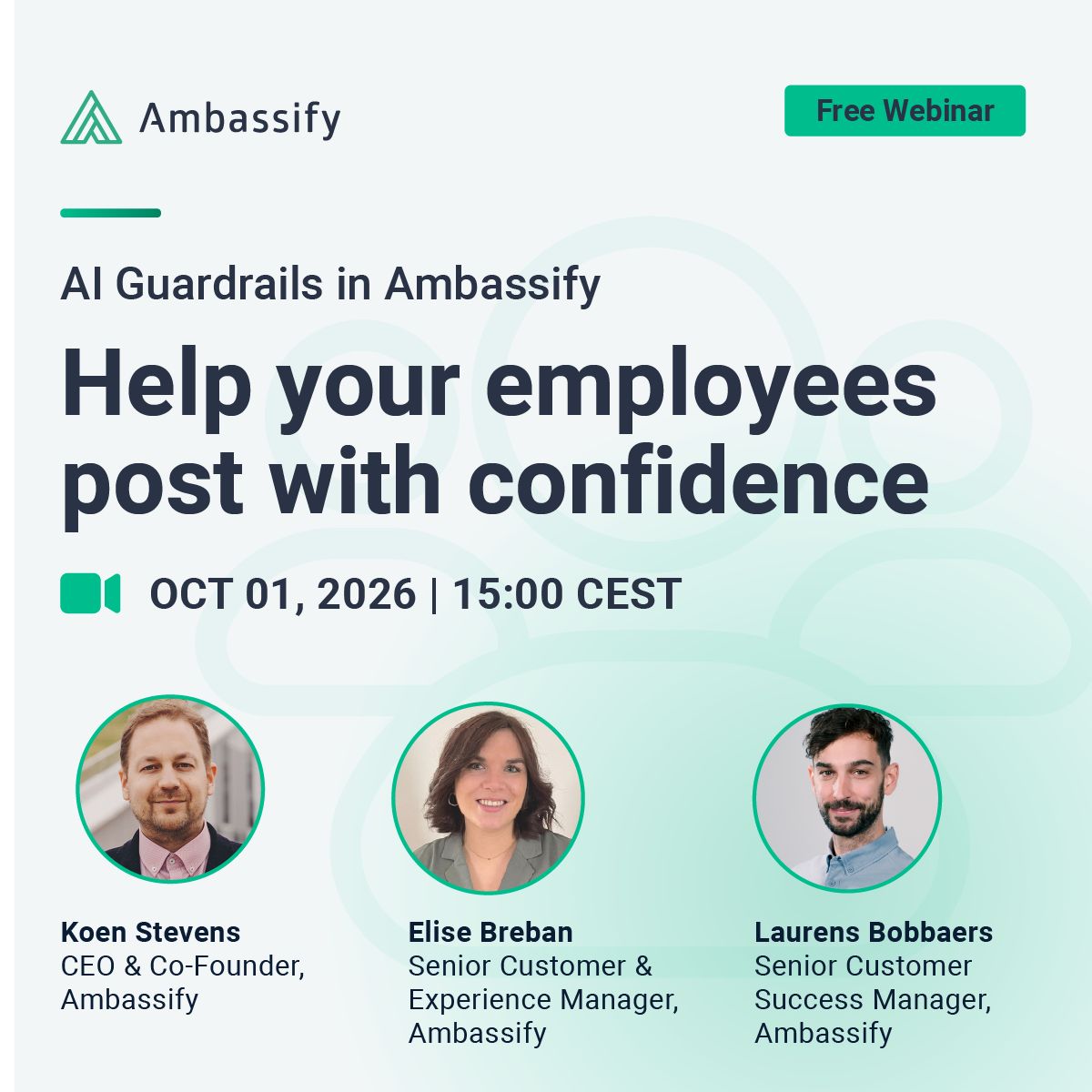
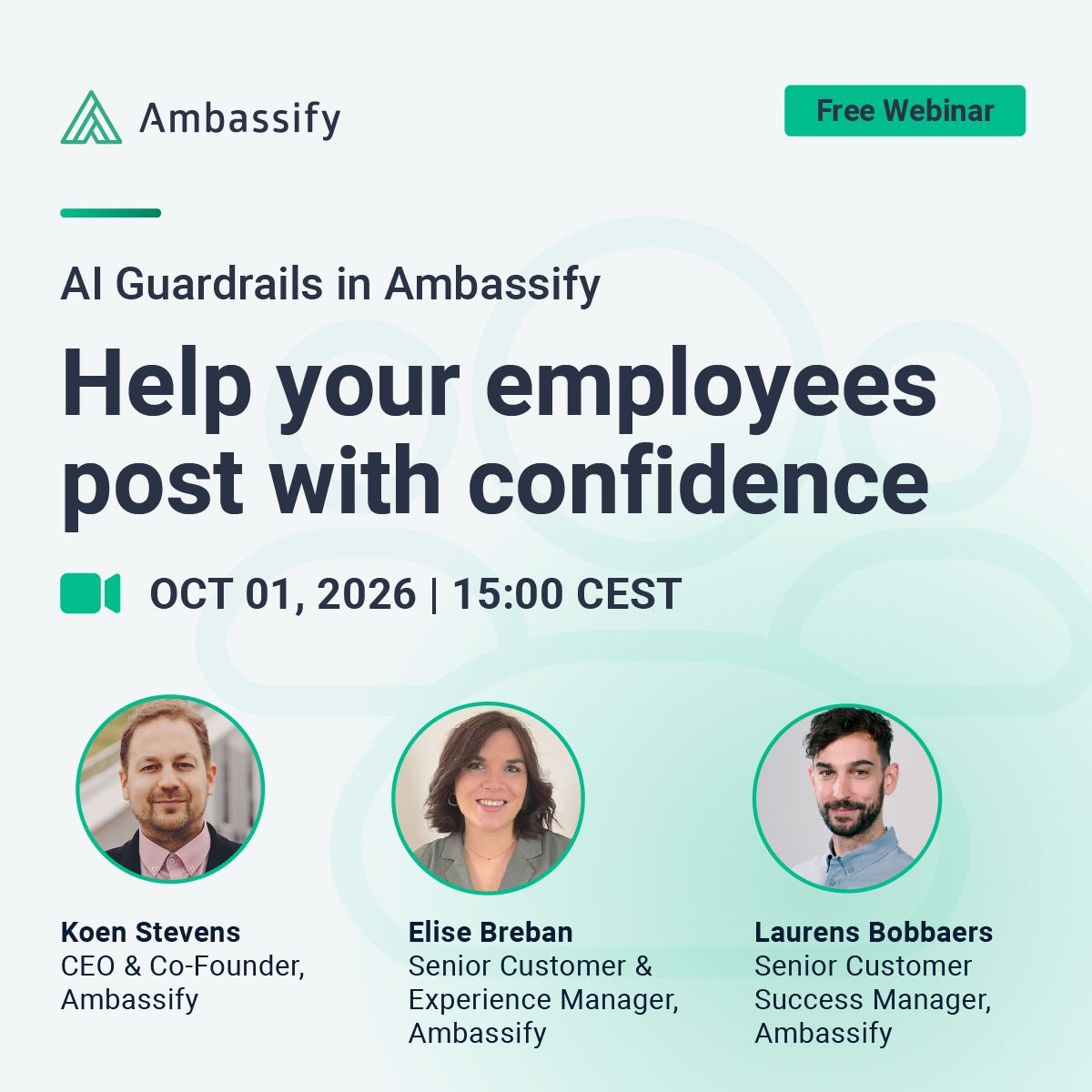
- A lot of people want to post something for work, then stop at "Am I even allowed to say this?" Most of the time, that hesitation is the whole thing holding them back. And it's fixable. On October 1, we're doing an hour on exactly that. Elise, Laurens, and I, showing the settings you can switch on in Ambassify today, a first look at the AI guardrails that help people while they write, and time for your actual questions. If getting your team to post is on your plate, come by. https://lnkd.in/eS7ufBA6
- A competitor's founder once told me why his customers stuck with him, and honestly, it stung a bit. It wasn't the product. His was weaker than ours. Once a year, he'd just show up at their office and run a little workshop. They'd talk through their problems and feel like someone had their back. His customers stayed with him for years. And that bugged me, because my first instinct is always to fix the product. Add the feature, close the gap. He wasn't winning on product at all. He was winning on showing up. I keep relearning this
- A customer of ours, a big manufacturer, told me something that stuck with me. Around sustainability, there are claims they're legally not allowed to make, and they actually train people on which words are off-limits. So their people don't stay quiet because they're lazy. They're scared of saying the wrong thing in public and landing the company in trouble. For me, that's the real blocker almost everywhere. It's not motivation, it's permission. People quietly wonder, "Am I even allowed to say this?" That's what I'm digging into on
- A customer told me her plan, proud as anything. Ten hand-picked people to start with, and every one of them would share every campaign. A 100% engagement rate. I didn't want to kill the mood, but I've seen this one before. Picking someone doesn't make them want to do it. Being on the list isn't the same as being in. And with ten people, the math is brutal. One person has a busy week, and you're at 90%, which already starts to feel like failure. In a bigger group, 90% would be a dream. So the number quietly becomes the goal. People

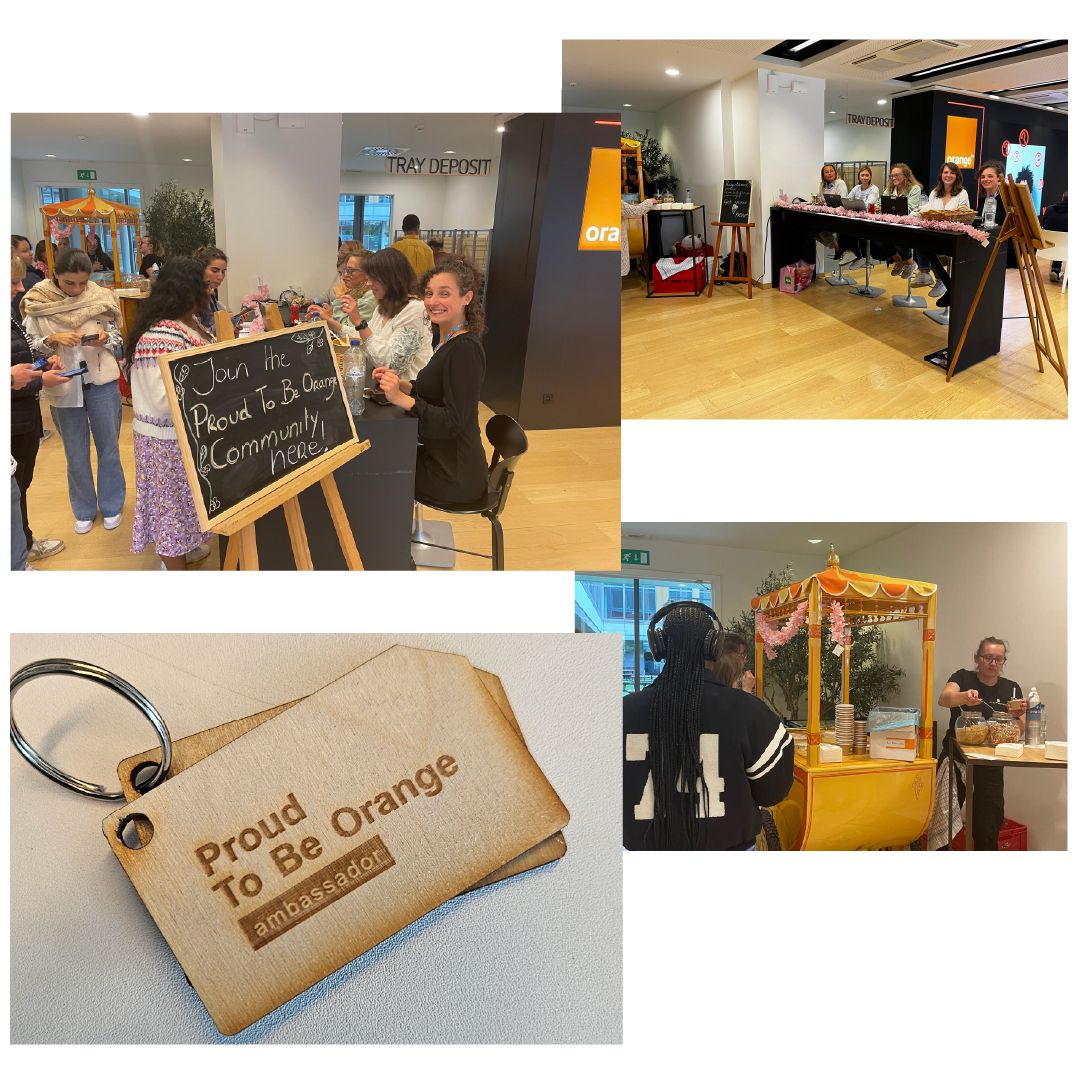
- Orange Belgium doubled its ambassador program in a single afternoon. With an ice cream truck. They didn't send another email. They parked an ice cream cart in the office, put up a sign-up stand, and if you joined, you got a branded keyring you traded for a scoop. By the end of the day, 128 new ambassadors. Roughly double what they had. I love this because it breaks the assumption that adoption is a software problem. Sometimes it's just a human one. People join things that feel good and happen where they are. We spend so long
- I keep having the same conversation. Someone shows me a number they're proud of. Signups doubled. Reach up 4x. A wall of new logos. Then I ask the question that tends to kill the mood: what did those look like twelve months later? Usually a pause. Sometimes an honest "we don't really track that yet." The loud metrics, signups, reach, followers, are easy to grow and easy to post about. They just don't tell you whether the business is healthy. The boring ones do. What a customer is actually worth, what it costs to win them, and how
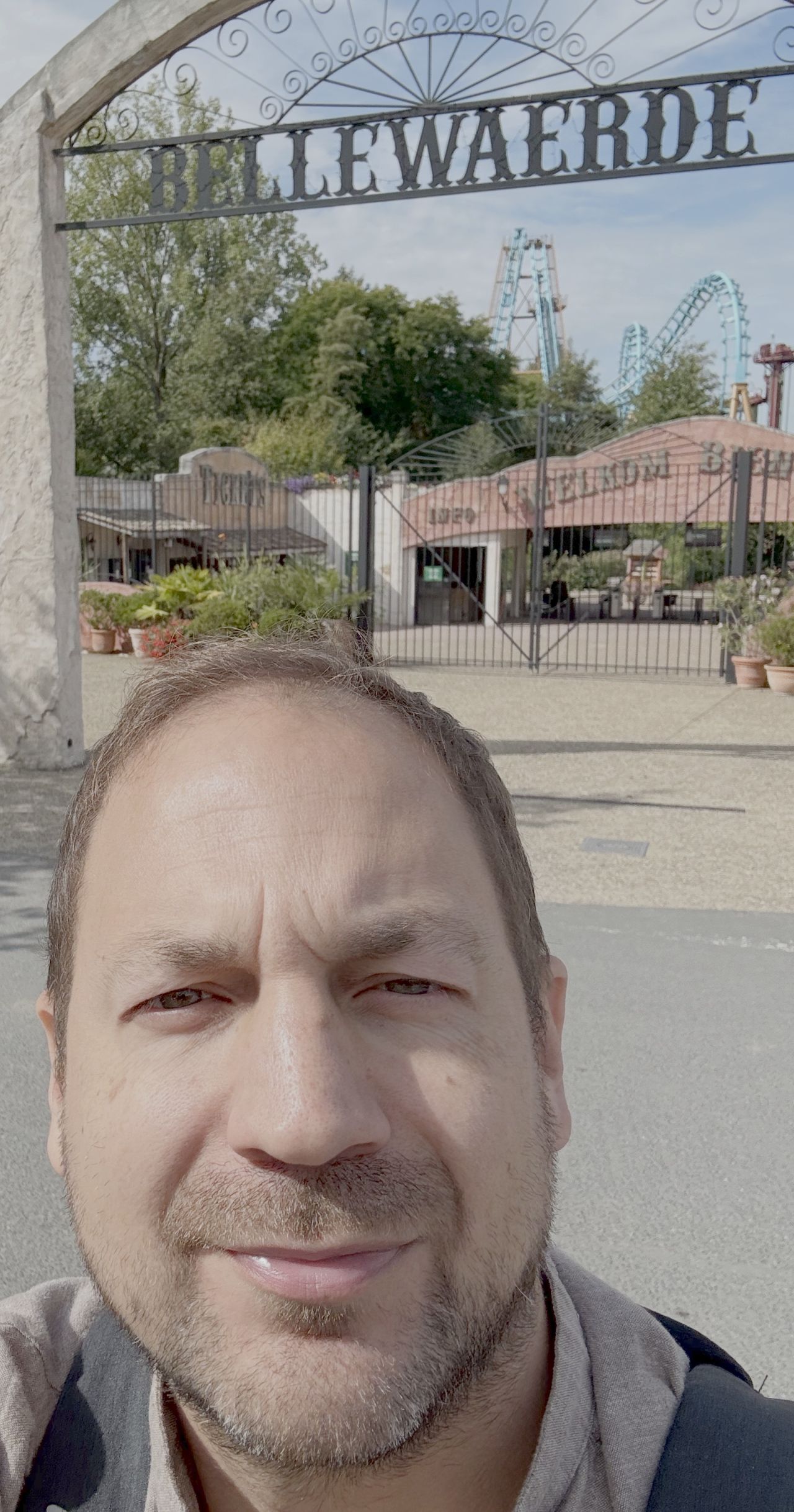
- Took the kids to Bellewaerde last week, or the other way around. Funny place for me to end up. Bellewaerde was one of our very first customers, and years ago, we built their community app, the Adventure Club. So there I was, using something my own company helped build. It got me thinking. You can't really fake a place like this. Either it's genuinely good, and people leave happy, or it isn't, and no app or clever campaign covers that up. I think advocacy works the same way. If people don't like where they work, no platform
- If your employee advocacy pitch is "you'll spend less on ads," you're selling it wrong. I get why people reach for it. It's the easy business case: reach without the media budget. It fits on a spreadsheet, and finance nods along. But look at the companies that actually succeed with advocacy. Almost none did it to save money. They did it because they wanted their people to be credible, visible voices in their industry, because a real person your buyer trusts beats an ad every time. The ad savings are real. They're just a side
Related profiles
This page shows public professional information only, each fact cited. Is this you? send a correction, or ask for removal within 24 hours, no questions asked.