
Overview
Lucas co-founded Polysense with Jarne Bogaert. He leads the technical development of the sensing platform, combining hardware engineering with software and data capabilities. Before Polysense, Lucas led autonomous driving at UGent Racing and studied AI at Ghent University.
As CTO, Lucas drives the product architecture and engineering at Polysense, developing the sensor systems and AI models underpinning the company's food quality solutions.
Career history
- CTOSep 2024 - PresentPolysense
- Project ManagerSep 2023 - Sep 2024Polysense
- Chief Autonomous DrivingJul 2021 - Sep 2023UGent Racing
- AI DeveloperJul 2022 - Aug 2022Polysense
- Data ScientistJul 2021Robovision
- FounderPolysense


Education
Master of Science, Computer Science Engineering (Major AI)2021 - 2023Ghent University
In the news
- We're hiring 0-1 builders for my team at Polysense: → Security & Infrastructure Engineer: run our IT systems and infrastructure end-to-end, automate away the manual busywork, and own the cyber security foundation that lets us work with serious enterprise customers. https://lnkd.in/e9WEV_mH → Product Manager: turn strategy into shippable roadmaps, sit between engineering and sales, own what we build next. https://lnkd.in/eQs5P_G9 We've got product-market fit, funding, and huge traction. What's missing is more people who want full
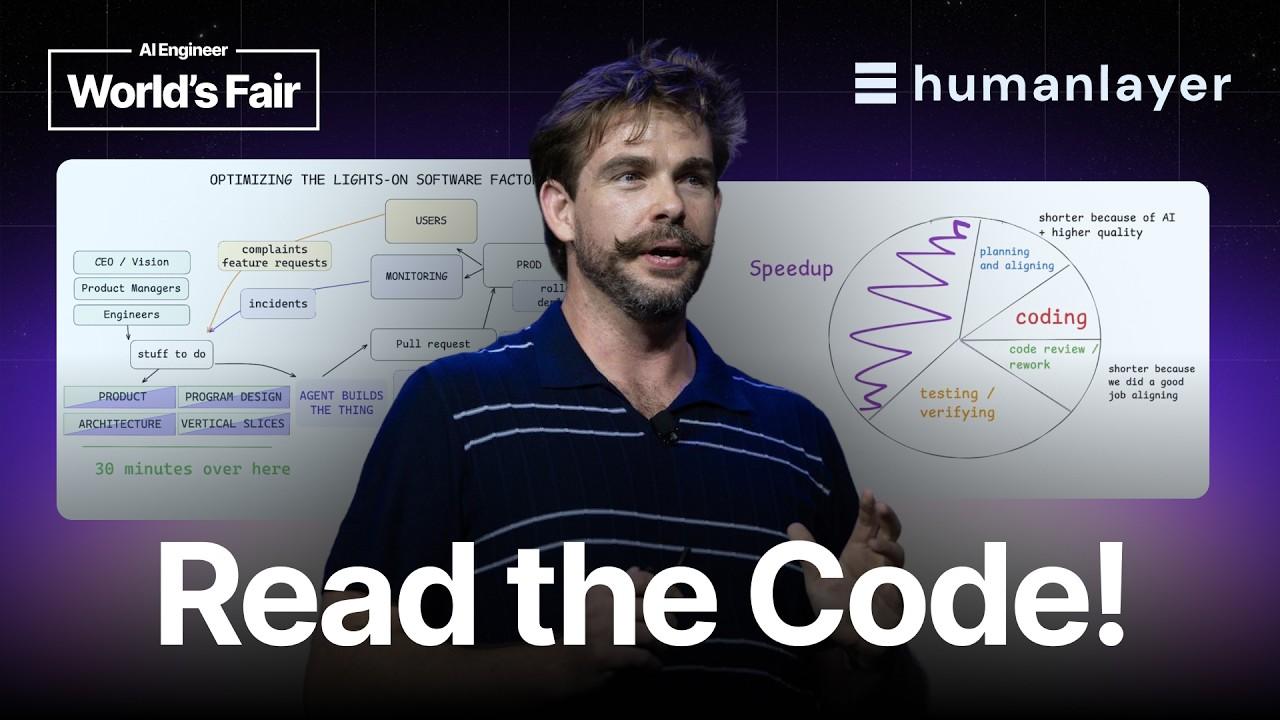
- The models writing our code are graded on correctness. Not on style, not on root cause analysis, not on scope creep. Which is how we were graded too. Every assignment at university came down to two questions. Does it run, and does it give the right answer. Then an engineering company hires you on exactly those two skills, and as every YG knows, the job turns out to be everything nobody graded (fortunately xp). But when we do single-shot agentic software development, it's like asking that young graduate to deploy a major feature to
- See you there 👀🚀
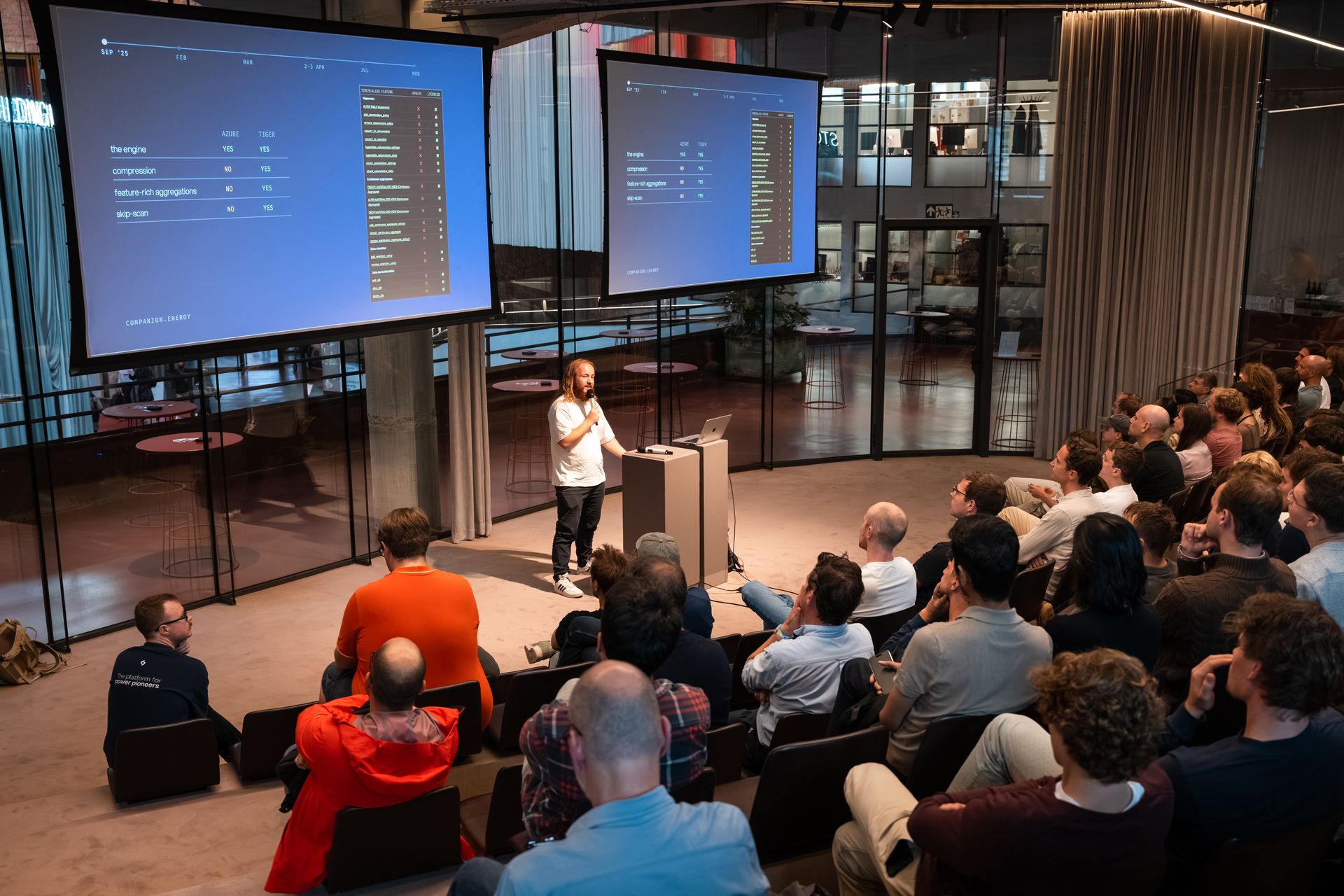
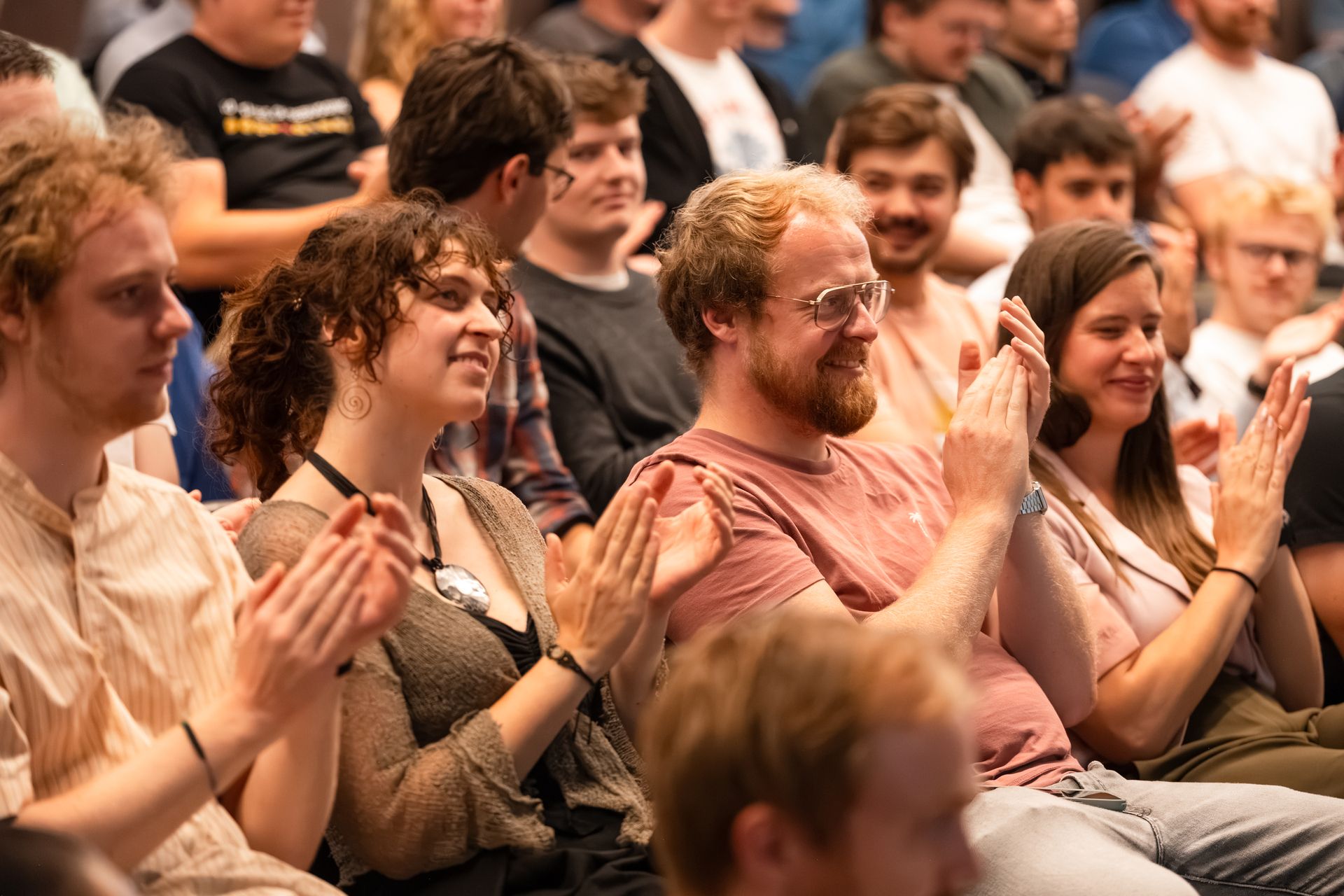
- What happens when AI leaves the demo environment? Well, consequences. 💁♂️ Last night, Tiebe Parmentier (Tekst), Lucas Van Dijck (Polysense), Jarno G. (Aikido Security) and our own Tristan Vermeesch had four pretty different takes on how to deal with these consequences. A huge thank you to everyone who joined, we had a full house despite the rain. Certainly not a bad start for our first Gent tech meetup. More from last evening's #AIwithConsequences to share soon... aaand there's already another meetup in the works. Watch
- TL;DR: The way I review code has changed more this past year than the way I write it. Writing barely feels like the job anymore. I describe what I want, an agent produces it, and most of the time it runs. What used to be an afternoon is twenty minutes. What grew is everything after: reading a diff I didn’t write, deciding whether it does what I actually asked, and working out whether the tests passing means anything at all. That gap, for me, is where vibecoding ends and agentic engineering starts. Vibecoding raises the floor, so
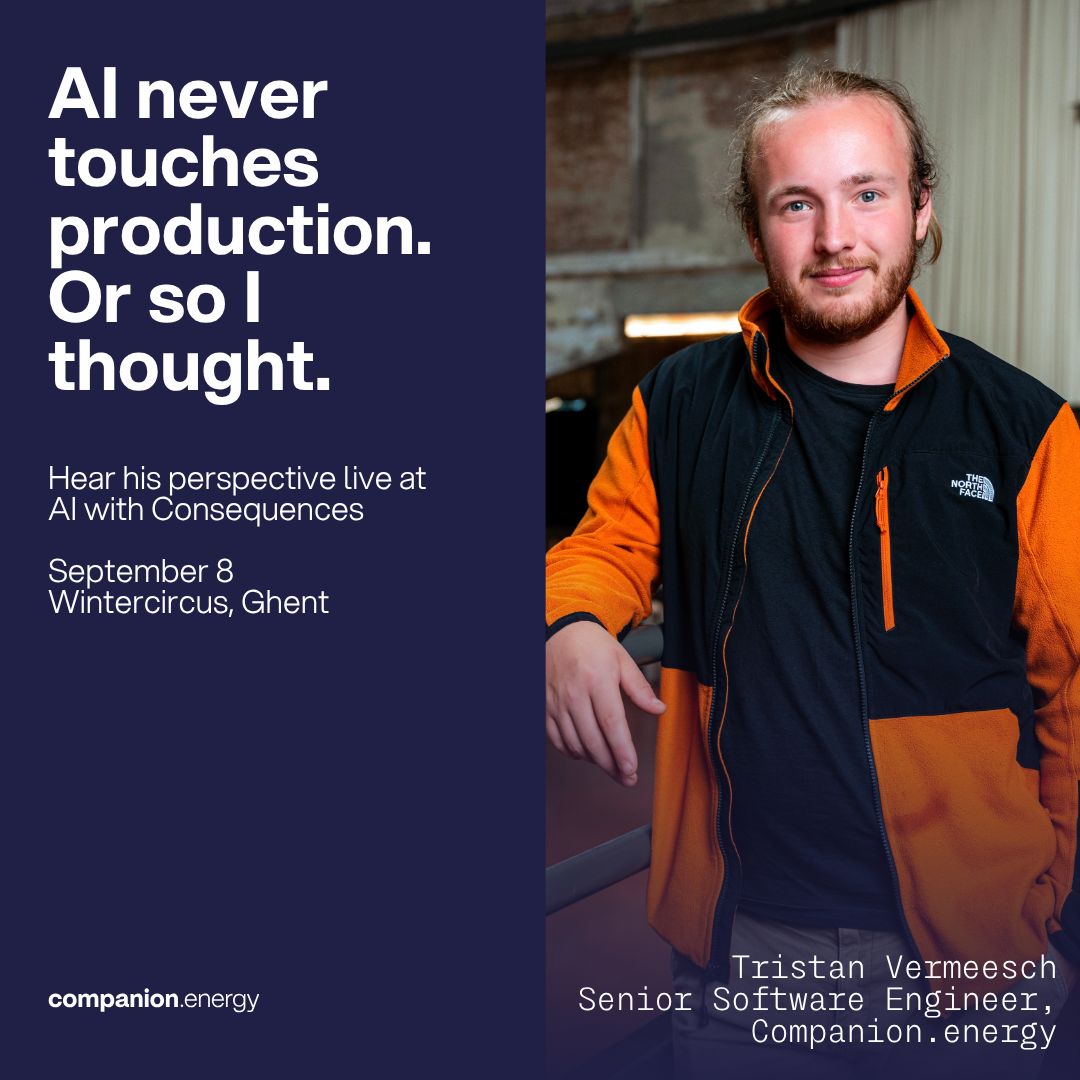
- Tristan Vermeesch had one rule: AI never touches production data. Then came the night of April 2nd, an 8-week database migration that couldn't wait, and a 1am judgment call with our actual energy data on the line. He'll walk through what actually happened, where the rule held, where it broke, and the two incidents afterwards where AI both caused the problem and found it. No best-practice slides. Just the trenches. On September 8, or very own Tristan Vermeesch will give a keynote at AI with Consequences in Wintercircus Ghent,
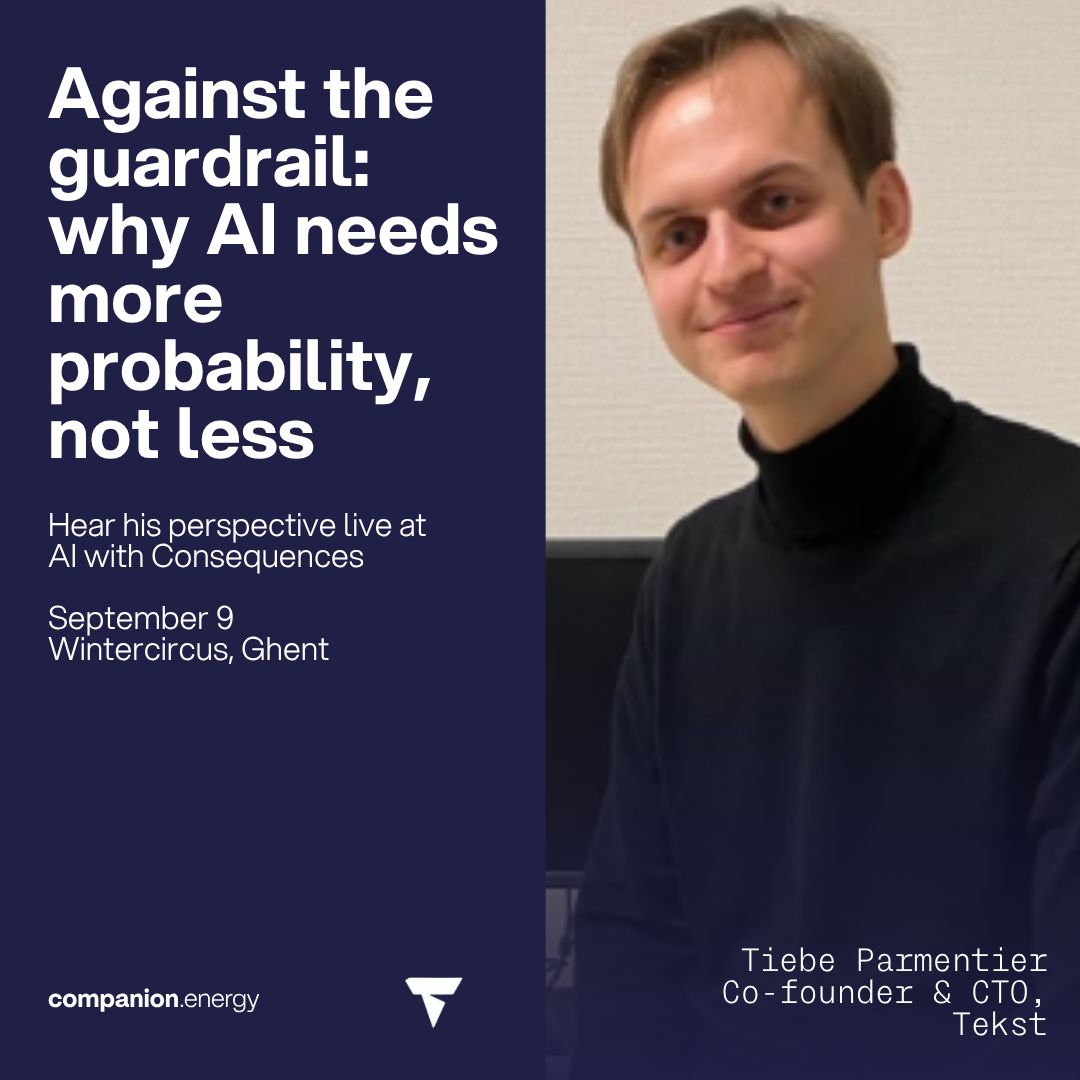
- The industry's reflex to unreliable AI has been to lock it down. More rules. More guardrails. Make the model behave. Tiebe Parmentier, CTO & Co-founder at Tekst, thinks that reflex is backwards. His argument: lean further into the probabilistic instead of away from it, and a whole set of problems the deterministic approach kept crashing into simply stop existing. On September 8, Tiebe joins us at AI with Consequences in Wintercircus Ghent, alongside Lucas Van Dijck (Polysense), Jarno G. (Aikido) and Tristan Vermeesch
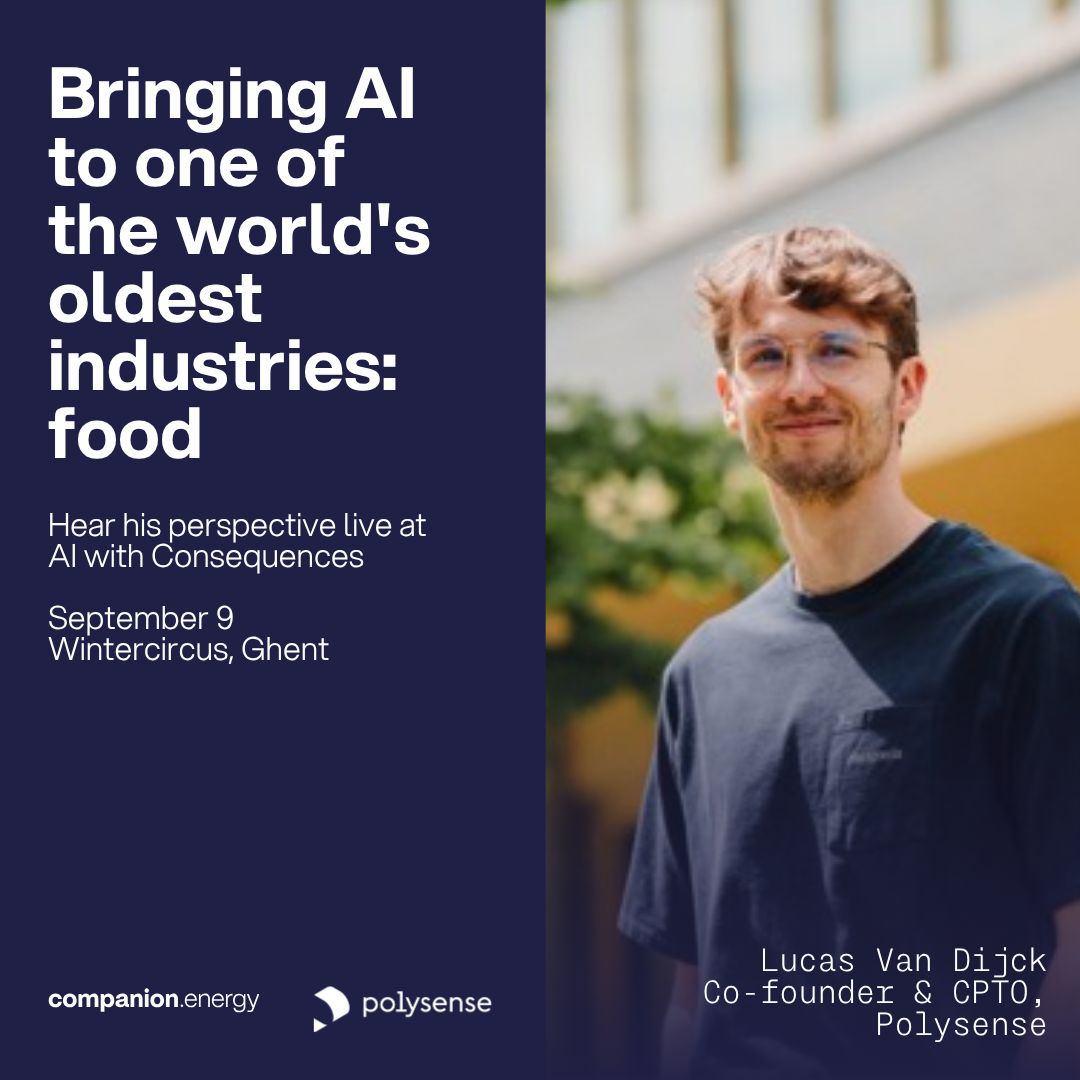
- AI is easy to demo. But it’s much harder to trust when it’s making real decisions on real production lines. 🥫🍪 Food manufacturing loses up to 40% of its output to problems it can’t see until it’s too late. That’s the challenge Lucas Van Dijck, Co-founder & CTPO at Polysense, has been tackling for the past two years. Deploying AI and computer vision on the factory floor, not in theory, but on live production lines processing food at scale. On September 8, Lucas joins us at AI with Consequences in Wintercircus Ghent. In his talk,

Related profiles
This page shows public professional information only, each fact cited. Is this you? send a correction, or ask for removal within 24 hours, no questions asked.