Overview
He works within imec-IDLab on low-power wireless sensor communication and localization, and has turned that research into several companies: Aloxy in industrial IoT, CrowdScan in crowd measurement, plus IoSa and AtSharp. Alongside his academic and entrepreneurial work he holds the Vice-Rector of Research and Impact mandate at the university and chairs its Research Council.
Maarten Weyn is a full professor at the University of Antwerp in the Department of Electronics and Information and Communication Technologies, where he teaches wireless communication systems. He serves as the university's Vice-Rector of Research and Impact and chairs its Research Council and Research Infrastructure Commission. His research at imec-IDLab, the research group run jointly by the University of Antwerp and imec, focuses on ultra-low power sensor communication, embedded systems, sub-1 GHz communication, sensor processing and localization. Weyn co-founded four spin-offs: Aloxy, CrowdScan, IoSa and AtSharp, and contributed to 1OK and Viloc. CrowdScan was founded in June 2020 as a spin-off of imec and the University of Antwerp. The company measures crowd density and movement in real time with low-energy radio waves, without accessing personal devices, building on six years of research at the university and imec. Aloxy, which Weyn founded with Glenn Ergeerts, is an Antwerp-based industrial IoT company that makes ATEX-certified LoRaWAN sensors for monitoring manual valve positions in process plants. Weyn also took part as a creator in the Canvas television programme Team Scheire.
Career history

Insights & ideas
The through-line
Across these posts, Maarten Weyn keeps returning to the same move: take a public claim about science, innovation or policy, go find the primary data behind it, and show where the claim and the data diverge. He does this with a government report on wildfire risk [2], with the White House's "Science: A New Golden Age" [3], with the European Innovation Scoreboard [7], and with a Zoom executive's op-ed on digital sovereignty [14]. The consistent diagnosis is that knowledge and decisions live in separate worlds, and that public debate runs on numbers stripped of their context.
Over the period covered, this hardens from diagnosis into proposal. On the question of valorising fundamental research he notes his own shift: "Vroeger reageerde ik daar defensief op. Nu niet meer." [6] The later posts pair the debunking with a concrete alternative, whether that is a funding structure [6], a new research-evaluation framework [11], or a reading of what actually makes CLOUD Act jurisdiction bite [14].
On the knowledge-policy gap
Weyn's recurring complaint is that evidence exists but never reaches the table where it would matter. On the report that preceded the Hoge Venen fires: "De kloof tussen kennis en beslissing is ouder en breder dan deze brand." [2] He locates part of the blame with his own profession, "Wij wetenschappers publiceren te vaak voor elkaar" [2], and points out why prevention loses the argument by default: "Preventie levert baten op die onzichtbaar blijven, want een ramp die niet plaatsvindt haalt de krant niet." [2] The same instinct for testing rhetoric against practice drives his reading of the US science policy report, where he asks the one question a policy document has to survive, "do its authors act on what they preach?" [3], and concludes "I found six contradictions." [3] Applied to the European Innovation Scoreboard, the pattern repeats: "Alle drie de conclusies bevatten een kern van waarheid. Alle drie zijn, zonder context, misleidend." [7]
On valorisation and fundamental research
Asked how to valorise fundamental research, Weyn's answer is to protect the source rather than only optimise the endpoint: "Een keten valoriseert pas ten volle als haar bron blijft stromen." [6] His concrete proposal is two-sided: "Blijf breed en bottom-up investeren in vrij fundamenteel onderzoek. En bouw daarnaast gerichte kanalen die veelbelovend werk sneller naar valorisatie trekken. Een pull, geen push." [6] He finds the same logic confirmed in Astro Teller's moonshot method at Google X, summarising it as "Niet gokken op nummer 17, maar kaarten tellen" [8], and extends it directly to research funding: "Niemand kan vooraf voorspellen welke fundamentele vraag de doorbraak van morgen wordt." [8]
On research evaluation and culture
With RISE at University of Antwerp, Weyn frames evaluation as a break from ranking-driven audit culture. The project chooses "Niet vanuit controle. Niet vanuit scores of rankings" [11] and instead asks "welke omgeving hebben onderzoekers nodig om excellent, betekenisvol en impactvol onderzoek te kunnen doen?" [11] He is explicit that this is a process, not a verdict: "Het is geen eindpunt, maar een dialoog." [11]
On digital sovereignty
Responding to a Zoom executive's claim that sovereignty is not about server location, Weyn splits the difference deliberately: "hij heeft volgens mij half gelijk, en dat halve ongelijk is net het probleem." [14] His point is that legal jurisdiction, not geography, decides the outcome, and without addressing that gap, "Dan blijft soevereiniteit op papier staan." [14]
From the stage
On the Cafépraat podcast, Weyn talks about the Brewery, the small stage he runs at the Nerdland Festival that pairs good beer with science and nerd culture, and describes how the collaboration with co-host Lieven Scheire started after the two met at the festival four years earlier and decided to build the stage together [17]. This origin story and the framing of science-plus-beer as a deliberate format do not appear in the written posts, where his public engagement work is represented instead by the Ig Nobel watch party [4].
Takeaways
- Before treating a policy report or scoreboard headline as fact, check the underlying dataset for compound-average thresholds and small-population noise, the way he did with the -57 point "foreign PhD" figure in the European Innovation Scoreboard [7].
- On research funding, argue for both broad bottom-up investment in free fundamental research and separate, faster pull channels for promising work, rather than shifting money from one to the other [6].
- When evaluating researchers or institutions, look at the invisible layer, culture, support, career perspective, before adding another scoring or ranking exercise [11].
- Digital sovereignty claims should be tested against actual jurisdiction (e.g. the US CLOUD Act reaching data on EU servers), not just against where a datacenter physically sits [14].
- Radio Frequency Fingerprinting can identify constrained devices without cryptography, but the same property defeats MAC randomisation and enables tracking, so the tradeoff needs to be named explicitly [1].
Media & appearances
- CafépraatYouTube#46 Cafépraat over Bier!? en de brewery met Maarten Weyn & Lieven Scheire (UA & Nerdland)De horeca podcast: Maarten Weyn discusses the Brewery, a small stage at the Nerdland Festival that combines beer, science, and nerd culture, explaining it as a platform where people can enjoy good beer while engaging with scientific and nerdy topics. He also describes how he and co-host Lieven Scheire met at the Nerdland Festival four years ago and decided to collaborate on the Brewery stage together, with their partnership being facilitated by shared interests in beer, science, and the festival itself.
- BierklapYouTubeBierklap - Nerdland Festival Special met Maarten Weyn & Stephanie Dehennin
In the news
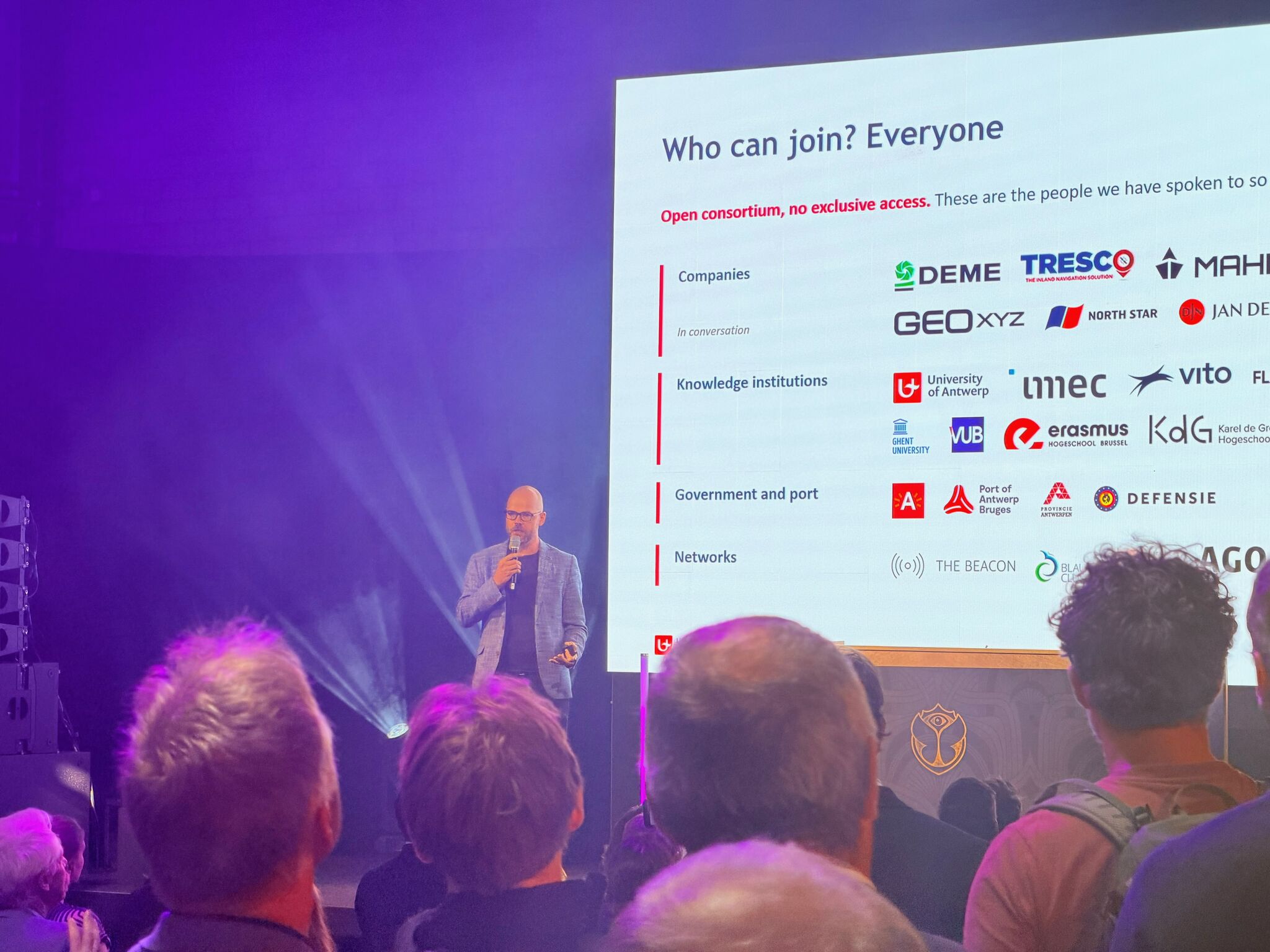
- Two intense days at Port of the Future Week. One clear conclusion: the port of the future is already being built. On 15 and 16 September, an extraordinary concentration of innovation came together at Quay 102: autonomous vessels and drones, robotics, AI, smart connectivity, cybersecurity and, most importantly, the people who can turn promising pilots into operational reality. What impressed me most was how these technologies are starting to connect across water, land and air. Innovation does not happen in isolated silos. It
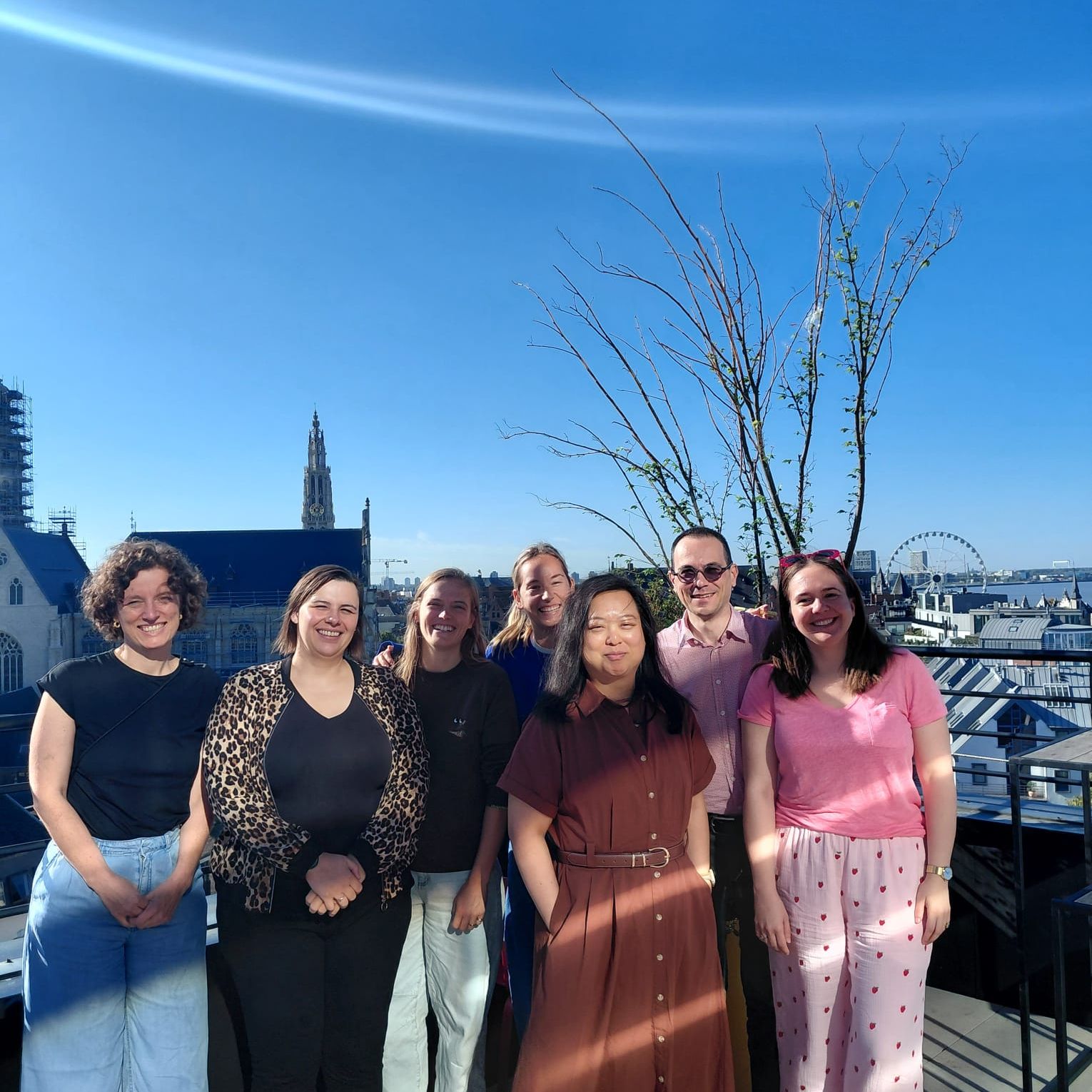
- A 100 FTE research team can only increase impact with a sound team of central support. IDLab (UAntwerp - imec) targets the most daunting challenges industry is facing to deliver digital transformation, connecting everything and extracting high value from data, with application domains spanning the entire spectrum from connected systems to artificial intelligence. Today we welcome Sophie Deckers to our central team of IDLab (UAntwerp - imec) alongside Lynn Rongé, Johan Bergs, Daniel van den Akker, Michelle Nietvelt, Emilie Gillain
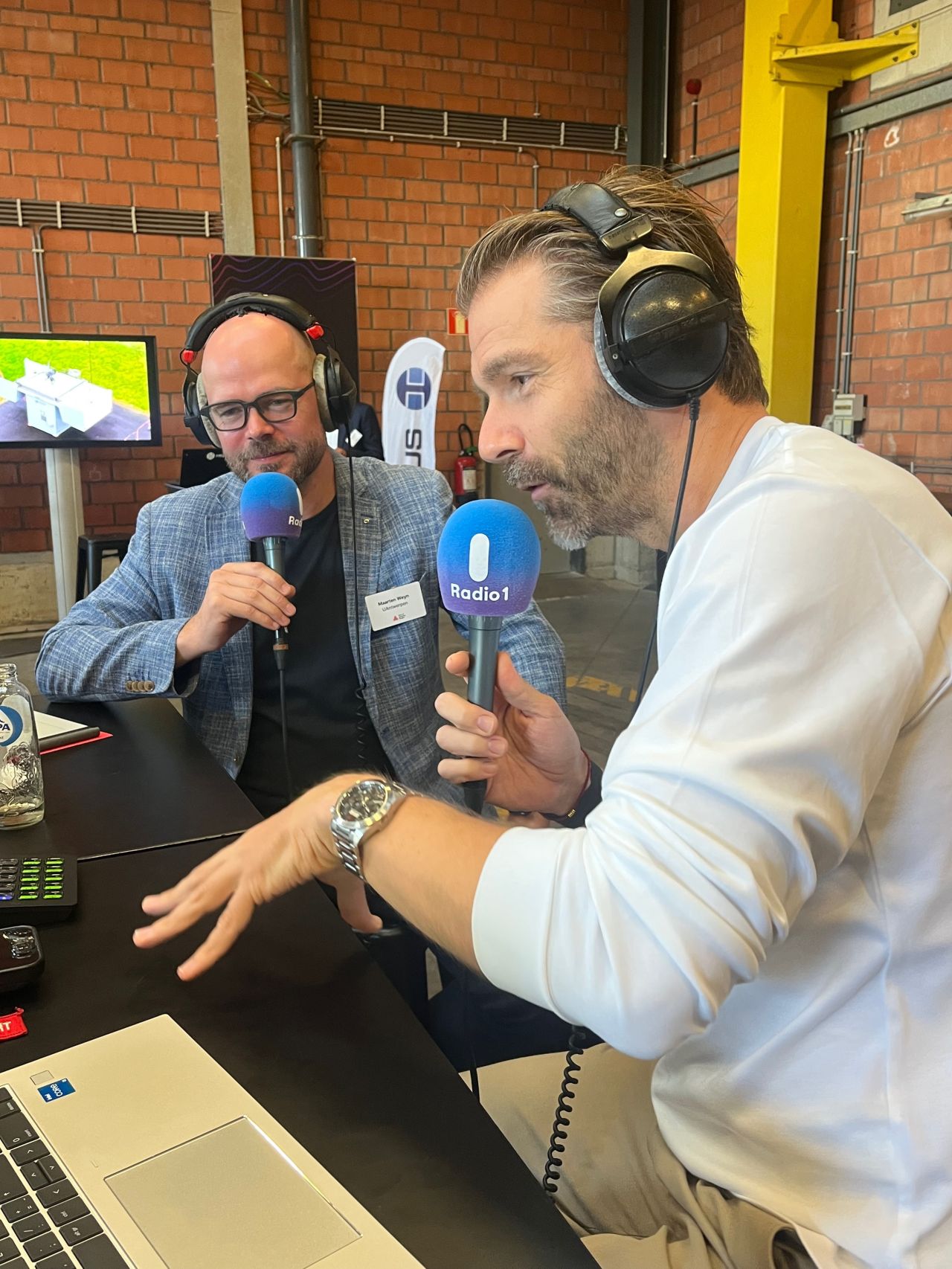
- Van de communicator tot de smartphone, van de tricorder tot draagbare medische sensoren en van de Universal Translator tot livevertaling met AI… Naar aanleiding van 60 jaar Star Trek mocht ik in De Wereld van Sofie op Radio 1 vertellen over de bijzondere wisselwerking tussen sciencefiction, wetenschap en technologische innovatie. Star Trek voorspelde technologie meestal niet volledig uit het niets. De makers vertrokken van onderzoek en technologie dat al bestond en vroegen zich (redelijk optimistisch) af: wat gebeurt er als dit

- Korte reminder. Hier in Zurich worden alvast de laatste voorbereidingen nog getroffen voor het event morgen!
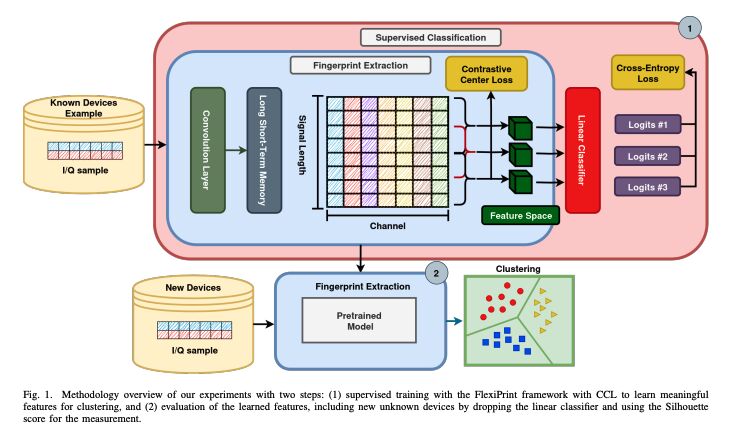
- Every wireless device transmits with small imperfections in its radio front-end. Those imperfections travel with the signal and make the device recognisable, independently of its address, its key or its certificate. This is what we call a Radio Frequency Fingerprint. Deep learning separates those fingerprints well, as long as the devices are ones it was trained on, our models reach over 99 percent accuracy. In practice this means a network can recognise a device by its physical layer, without enrolling it first. For sensors too
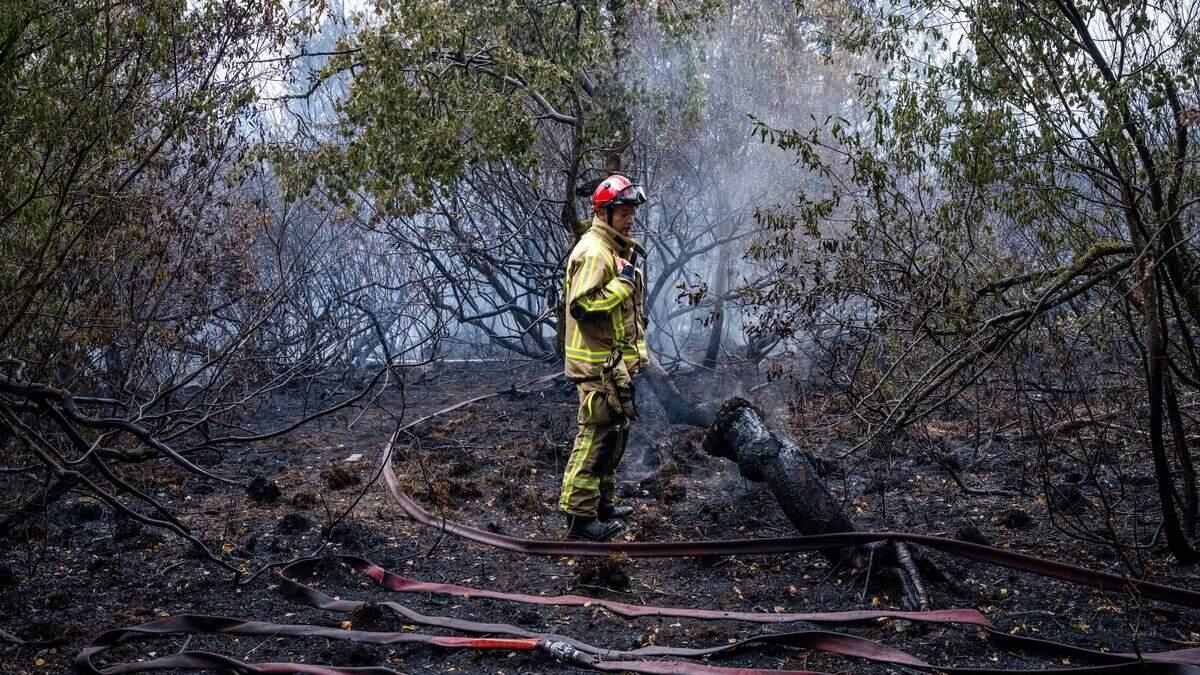
- In maart kregen negen ministers een wetenschappelijk rapport over het risico op natuurbranden. Het belandde nooit formeel op een agenda. In augustus stonden de Hoge Venen in brand. Samen met rector Herwig Leirs schreef ik daarover een opinie in De Standaard. Zou dat rapport de brand hebben tegengehouden? Allicht niet. Maar een debat over het risico, de kosten en de verantwoordelijkheid was er evenmin. De kloof tussen kennis en beslissing is ouder en breder dan deze brand. Het Belgisch Klimaatrisicocentrum waarschuwde al begin 2025.
- American Science: A New Golden Cage! On 21 July, the White House published "Science: A New Golden Age", the report that presents itself as the successor to Vannevar Bush's 1945 "The Endless Frontier". Same typeface, same letter to the president, same frontier rhetoric. I analyzed the report. The diagnosis is often right. Researchers lose nearly half their funded time to paperwork. Grants take up to twenty months. Review panels reward the safe proposal over the strange one. We recognize all of it in Europe. But a policy document has
- Donderdag 3 september wordt in Zürich geschiedenis geschreven: voor het eerst in 35 jaar verhuist de uitreiking van de Ig Nobelprijzen van de Verenigde Staten naar Europa, wegens reis- en visumproblemen voor gasten. Wij vieren dat op University of Antwerp met een eigen watch party. Onderzoek dat je eerst doet lachen en dan doet nadenken, dat is waar de Ig Nobelprijzen om draaien. Verrassend, origineel, soms compleet absurd, maar altijd stevig wetenschappelijk onderbouwd. En we houden het niet bij kijken alleen. Onder begeleiding van
Related profiles
- YAntwerpLocation
- KAntwerp sceneLocation
 Anton DierickxCo-founders
 Stijn DenisCo-founders
 Ben BellekensCo-founders
This page shows public professional information only, each fact cited. Is this you? send a correction, or ask for removal within 24 hours, no questions asked.