
Overview
Marc Coppens is a multi-affiliated figure in the Belgian tech ecosystem. He was identified as an ecosystem connector in Omar Mohout's Belgian tech mafias mapping, reflecting affiliations with multiple companies in the Flemish startup scene.
Talks about
- Leadership
- Company culture
- M&A
- Hiring & talent
- Entrepreneurship
- Succession
- Go To Market
- Change Management
- Belgian tech ecosystem
Career history
Insights & ideas
The through-line
Ask him what connects the various companies he has worked with and he goes to two things, both of them outward-facing: "wat dat denk ik wel voor mij rode draad is geweest bij al die verschillende bedrijven is dat zij allemaal zo snel mogelijk en zo goed mogelijk hebben kunnen inspelen op verandering, dat is één, en twee, zoveel mogelijk de klant trachten te dienen" [2]. Everything else in his thinking is machinery built to keep those two capacities alive inside an organisation, and almost all of that machinery is about people: who you hire, whether they can tell you the truth, whether they know the numbers, and what happens to them when the company changes hands [1].
The second constant is a refusal to let effort become grimness. His advice compresses into two instructions that sit oddly together and are meant to: "Blijven gaan, blijven gaan, blijven doorzetten" [1] and, from his father, "Geniet van het leven" [1].
On hiring people who are not like you
The most common founder mistake he names is unconscious self-replication: founders hire people who resemble themselves when what the company needs is complementary profiles [1]. He treats this as a measurement problem rather than an intuition problem, and recommends running Insights profiling from as few as 5 to 10 employees onward, precisely so a team can see on paper where it duplicates itself and where it complements [1].
He also treats a new hire's ignorance as a perishable asset. Every new Yuki employee, whatever their seniority, has to present after three months what the company should start, stop and continue doing [1]. The three-month mark is chosen because the outsider's view is still intact and will not survive much longer.
On making it safe to say the true thing
His stated condition for a functioning culture is "Dat mensen fouten mogen maken en dat ze niet bij iedere fout worden afgestraft" [1]. He extends the same logic to feedback aimed upward at himself: after every event or talk he asks employees publicly what he could have done better, and rewards the criticism positively [1]. The reasoning is unsentimental. Punish honest feedback once and you never receive it again [1].
That personal habit is backed by an instrument. Yuki runs a weekly anonymous five-question employee survey with roughly 85% response rate, benchmarked against about 150 Visma companies covering 13,000 people [1]. He values it for surfacing exactly what managers would otherwise never hear, which is to say the things people will not put their name to [1].
On telling everyone the numbers
He shared quarterly financials with all employees even before Yuki reached break-even, bad quarters included [1]. The argument is that transparency measured against budget is what produces trust and a shared sense of direction, and that withholding the bad numbers forfeits both [1]. It is the same principle as the anonymous survey read in the other direction: information has to move in both directions or neither channel stays open.
On selling the customer's customer's problem
For Yuki's first three years he banned a word: "De eerste drie jaar heb ik iedereen verboden het woord boekhouding te gebruiken" [1]. The reason is positioning rather than squeamishness. Entrepreneurs carry a negative association with bookkeeping, so leading with it loses the room [1]. What replaces it is a shift of frame one level further out: "Probeer te denken om de klanten van uw klant, want dan ze de eigenlijk probleem van hun eigen klanten oplossen" [1]. You sell by solving the problem your customer's own customers have.
He is equally direct that brand awareness can be bought outside the category. Visma's cycling team sponsorship is his explanation for why a previously unknown brand scored around 80% name recognition in Belgian market research while the market's top three players managed only 23 to 30% [1]. And on pricing he rejects cost-plus outright in favour of market pricing, because a founder who adds roughly 30% margin has quietly forgotten overhead, marketing, customers who never pay, and the money the business must put back into itself [1].
On departures and who ends up owning you
He describes his own maturing on staff turnover. Early in his career he was furious when an employee left for competitor Belgacom; he now congratulates people who leave and treats roughly 10% annual turnover as healthy rather than as a failure [1].
The same instinct scales to the sale of the company. He refused acquirers with a known pattern of buying software companies and then cutting marketing, development and sales to extract profit, a model under which barely 20% of employees remain after two years [1]. He chose Visma on the promise that it would support Yuki rather than absorb it [1].
Takeaways
- Founders unconsciously hire in their own image; hire complementary profiles instead, and use Insights profiling from as few as 5 to 10 employees to see the gaps [1].
- Make every new hire present, at three months, what to start, stop and continue, before the outsider's perspective fades [1].
- Ask publicly after every talk or event what you could have done better and reward the criticism, because punishing honest feedback ends it permanently [1].
- Run a short anonymous weekly employee survey and benchmark it; Yuki's five questions draw around 85% response and surface what managers never hear [1].
- Share quarterly financials with all employees, including the bad ones, and show them against budget; do it before break-even, not after [1].
- Ban the category word your buyers dislike, and sell instead by solving the problem of your customer's customer [1].
- Price to the market, not cost-plus; a 30% margin on cost ignores overhead, marketing, non-paying customers and reinvestment [1].
- When choosing an acquirer, screen out the ones who cut marketing, development and sales for profit, since barely 20% of staff remain two years later [1].
- Treat around 10% annual turnover as healthy and congratulate leavers rather than resenting them [1].
In the news
- BANDEAL Studaro haalt €1,5 miljoen op voor de verdere uitbouw van zijn skillsplatform! De Gentse HR- en edtechspeler wil met AI studenten, werkgevers en hoger onderwijs sterker met elkaar verbinden. Niet alleen kijken naar diploma’s en cv’s, maar vooral naar de skills die mensen vandaag al hebben én nog kunnen ontwikkelen. 👏 Met meer dan 20.000 studenten en jonge professionals op het platform heeft Studaro al een stevige basis. Dankzij deze nieuwe investeringsronde kan het bedrijf zijn AI-technologie verder ontwikkelen, uitbreiden
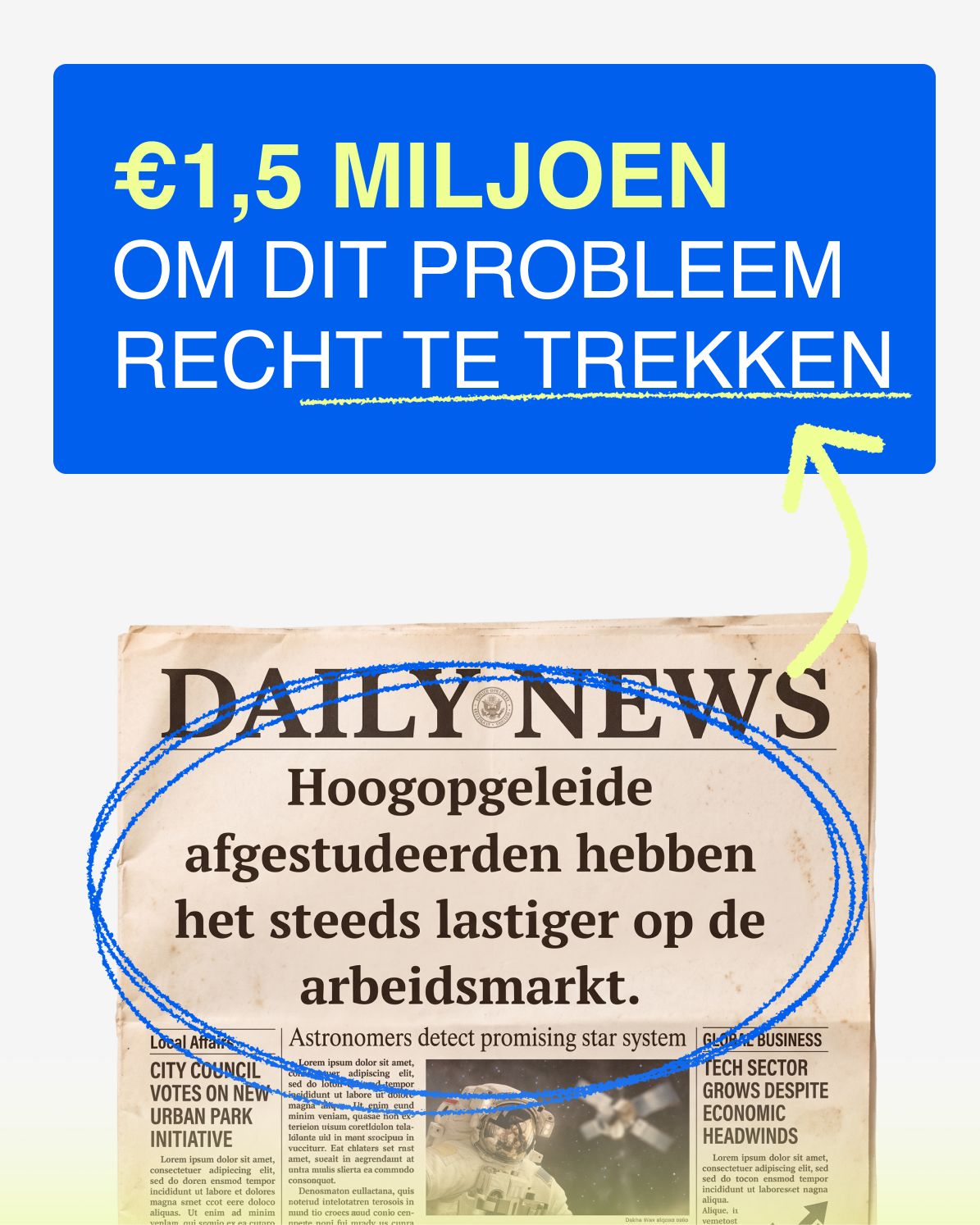
- WE RAISED €1,5M. WE. DID. THAT. (YES THIS DESERVES ALL CAPS) 1,5 miljoen euro opgehaald in onze allereerste fundingsronde ooit, insane. Thanks to all our investors 🙏 Jullie zorgen ervoor dat we kunnen blijven groeien en het grootste probleem van deze generatie kunnen aanpakken: de skillskloof. Want deze treft namelijk iedereen op hun eigen manier, of je nu werkgever, werknemer, of bijna/net afgestudeerd bent. → Werkgevers: geen idee welke skills er al zijn binnen hun team. → Werknemers: geen idee waar ze zelf in uitblinken en
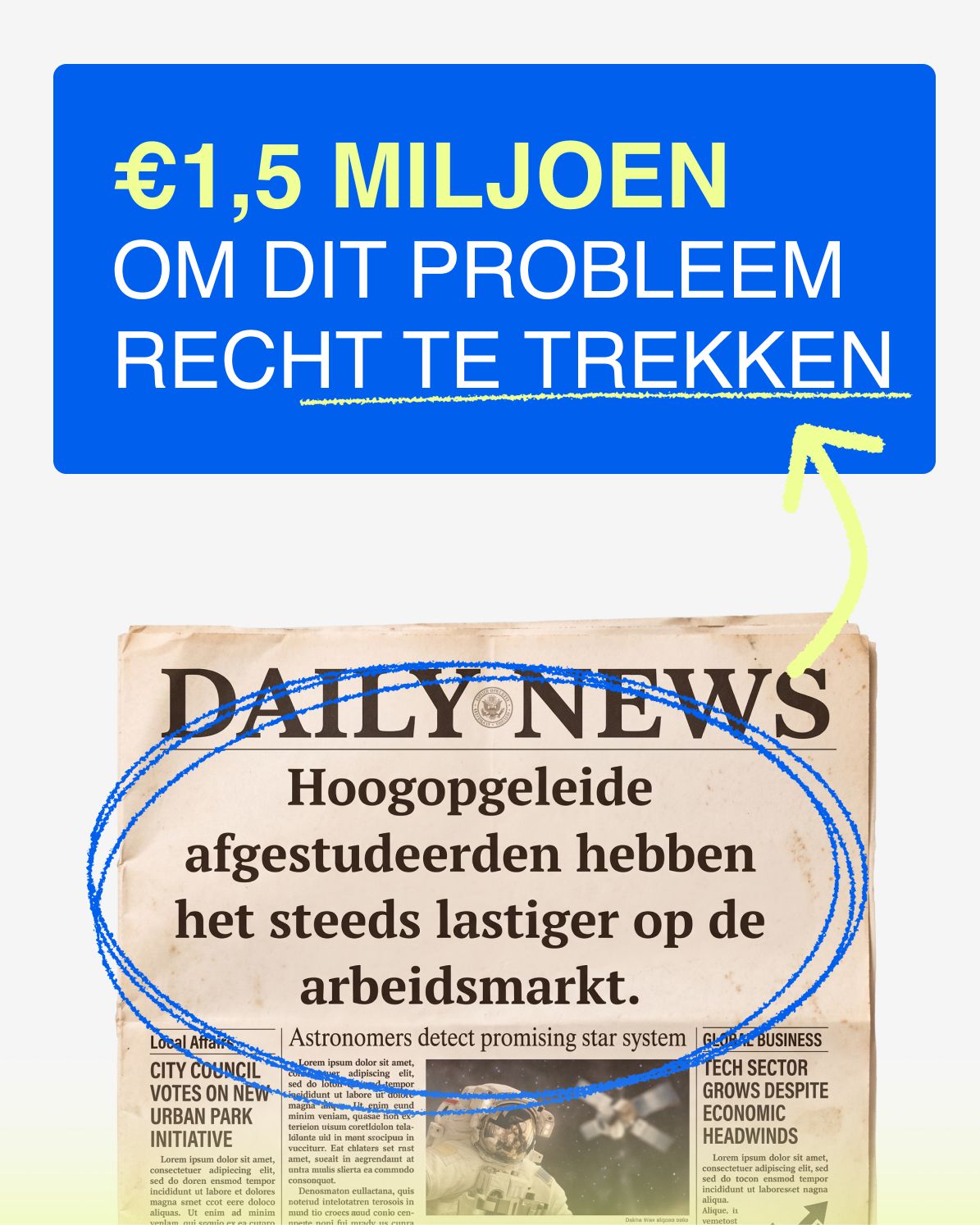
- WE. DID. THAT. (YES THIS DESERVES ALL CAPS) 1,5 miljoen euro opgehaald in onze allereerste fundingsronde ooit, insane. And even better: chances are this money is about to fix a problem you have right now. De skillskloof van vandaag raakt namelijk iedereen op hun eigen manier, of je nu werkgever, werknemer, of bijna/net afgestudeerd bent. → Werkgevers: geen idee welke skills er al zijn binnen hun team. → Werknemers: geen idee waar ze zelf in uitblinken en hoe ze daarin groeien. → Onderwijs: loopt gewoon achter op de snel


This page shows public professional information only, each fact cited. Is this you? send a correction, or ask for removal within 24 hours, no questions asked.