Overview
Diependaele explains the mission's purpose (roughly 1,000 organized B2B meetings, political contacts including Gavin Newsom), highlights deals like Amazon's €1 billion logistics investment and Google's data center expansion in Wallonia, and argues Flanders should focus on AI applications rather than the foundational model race, noting IMEC's chip technology underpins Silicon Valley. He contrasts Europe's overregulation with the American 'ask for forgiveness' culture, worries about capital markets fragmentation in Europe, and stresses that education is the ultimate answer to AI-driven disruption.
Talks about
Insights & ideas
The through-line
One argument runs under everything Matthias Diependaele says: Flanders has no path other than being better, because it will never be bigger. "Wij hebben niet meer de luxe om te denken dat we de grootste zijn. Hebben we waarschijnlijk nooit gehad. We hebben ook niet meer de luxe om te denken dat we de sterkste zijn. Enige keuze die we kunnen maken op dit moment is om de beste te zijn. En daar is maar één methode voor. Dat is innovatie." [2] Everything else follows from that premise: the industrial policy, the position on AI, the impatience with European regulation, the insistence on schools, the refusal to let a strategic airport pass out of public reach.
The second, quieter through-line is time horizon. He reads today's strength as the dividend of decisions taken in the 1980s, with imec founded in 1984, VITO, and later VIB, and he treats the current 5% innovation investment target as something to be built consistently across legislatures rather than announced in one [2]. The same logic reappears in his view of budgets, of trade missions and of education: the visible moment matters far less than the preparation before it and the follow-through after.
On innovation as the only strategy
The innovation case is a competitiveness case, not a research vanity project. Flanders, on his reading, is strong at ideas and scientific knowledge and distinctly weaker at converting them into marketable products, which is why PMV and LRM are being pushed toward venture capitalism [2]. The results where the long-term bets were placed are visible: "Gent is als technologiehub top 10 investeringsregio in Europa. En dan moet je weten dan nemen we het op tegen landen als Parijs." [1] And the hardware layer built by IMEC is not a regional talking point but a global dependency Silicon Valley itself acknowledges [1]. As he puts it to a domestic audience, "Uw iPhone zou niet kunnen wat hij vandaag kan zonder de technologie van IMEC." [1]
He also wants a change of temperament to go with the money. The mentality he admires is "een mentaliteit van getting things done hè. Als er een uitdaging is van pak ze aan, los ze op en whatever is in the way is the way." [2]
On the AI race Flanders should not enter
He is blunt that the contest for foundational models is over and Flanders was not in it: "De AI wedloop is gestreden hè. We hebben daar niet echt iets gespeeld. Maar de grootste meerwaarde zit natuurlijk in de toepassing van die technologie. En daar is de strijd nog lang niet gestreden." [2] The strategic conclusion is to stop trying to build foundational models and to compete instead on AI applications across manufacturing and services, with IMEC supplying the hardware base underneath [1]. The framing of the race for individuals is the same as for regions, a matter of adoption rather than invention: "Ik heb helemaal geen schrik dat AI mijn job gaat overnemen. Ik heb wel schrik dat er iemand die beter kan omgaan, die beter kan werken met AI mijn job gaat overnemen." [1]
On Europe's self-inflicted handicaps
The single largest handicap he names is the missing European capital market: twenty years of talk, and regulation still makes it hard to pool enough capital for large technology investments [1][2]. Alongside that sits regulatory whiplash. He points to Macron celebrating the EU as first to regulate AI in early 2024, then telling the same conference a year later that Europe must stop overregulating because it kills creativity and innovation [1]. The contrast he draws with the United States is cultural before it is legal: "Hier in de Verenigde Staten heeft men de ingesteldheid van ask for forgiveness better than permission. En dat is een heel andere cultuur." [1] He notes that Trump frames the AGI race in the register of Kennedy's moon-landing speech, declaring that America started the evolution and will win it, without pausing over the problems that might follow [1].
On trade exposure he is a deflationist about the American threat and an activist about the European opportunity. Only 6% of Flemish exports go to the US, half of that pharma, while 65% of trade is intra-European, so completing the internal market would outweigh the damage of US tariffs [2].
On trust, and why missions are the least of it
Trade and science, in his account, still run on personal relationships. "Alles steunt nog heel hard op vertrouwen. En dan is die persoonlijke ontmoeting toch nog altijd cruciaal." [1] He reaches for scientific friendships to make the point that this is not soft: Einstein's expanding-universe insight, and the Prague–Leuven HIV collaboration behind Gilead, as cases where personal scientific bonds produced gigantic innovation and economic value [1]. The mission itself he treats as a highlight moment only, with preparation and follow-up at least as important, which is why he emails his action list to everyone from the return flight [1].
The follow-through is concrete. Amazon's Belgian investment he reads as an opening for small local entrepreneurs to take their market global rather than as pure competition, and he notes Amazon runs one of its two robotics R&D hubs in Hamme [1]. Antwerp's smart city team was connected with Coco because autonomous delivery robots are more than couriers: their cameras and sensors gather data on road infrastructure and incidents and pass it to city services [1].
On education as the base layer
Education is where he plants the flag: "Er is één regel die we altijd naar de toekomst toe moeten huldigen. En dat is dat alles begint bij onderwijs." [1] It is also his answer to AI-driven disinformation and disruption, on the argument that the best defense is people resilient enough to assess deepfakes and to work with new technology [1]. Which makes the diagnosis he delivers all the harsher: "Nergens in Europa is in het onderwijs de motivatie zo laag als in Vlaanderen. Ja, dat is afgrijselijk. Dat legt een gigantische hypotheek op onze welvaart in de toekomst en daar moeten we vanaf." [2] He connects that demotivation to the constant public message that work makes you sick [2].
On strategic assets and budgetary buffers
The Brussels Airport stake rests on three layers for him: national security, economic strategy, and international mobility for the Brussels institutions. The security argument is the one he states most sharply: "Ik wil niet dat een buitenlands aandeelhouder of wat dan ook een buitenlandse mogendheid kan beslissen of dat onze luchthaven open blijft of niet." [2] The economic layer is the pharma cold-chain infrastructure that Flemish industry depends on [2]. The price criticism he dismisses outright, "En trouwens, ik lees nu analyses dat die prijs te hoog zou zijn. Dat is lari en apenkool," and rebuts with comparables: 24.4x EBITDA matches what two of the largest private shareholders paid in 2019, and the Danish state paid 24.2x EBITDA for 100% of Copenhagen airport [2]. Once such an asset is gone, recovering it is "echt de tandpasta terug in de tube duwen" [2].
Balanced budgets get the same instrumental treatment. Balance by 2027 is not an end in itself but a buffer, because crises arrive every five to ten years and governments habitually prepare for the last one, stockpiling masks while the next shock turns out to be something else entirely [2].
On rethinking the metrics of an AI economy
He argues that employment is no longer the right measure of an economy, because created value and productivity matter more when the future means producing more value with fewer people [2]. Taxation needs the same rethink as economies shift to AI agents and autonomous vehicles: an app like Facebook costs the same whether one person or a million use it, which breaks the link between labour, value added and tax revenue [1]. His illustration of how fast the ground moves is domestic rather than fiscal: "Ik heb naar mijn dochter gestuurd als ik in die Waymo zat van: waarom riskeer ik mijn leven nog om u te leren rijden?" [1]
Takeaways
- Flanders cannot win on scale, so the only strategy left is innovation, and the current 5% investment target has to be sustained across legislatures the way imec (1984), VITO and VIB were [2].
- Stop chasing foundational AI models and compete on applications in manufacturing and services, where "de strijd nog lang niet gestreden" is [2] and where IMEC's hardware base gives Flanders real leverage [1].
- The binding constraint on European tech is capital, not ideas: after twenty years of talk there is still no European capital market able to pool enough money for large investments [1][2].
- Judge a trade mission by the action list emailed from the return flight, not by the trip; trade and science still run on personal trust and face-to-face meeting [1].
- Flemish student motivation is the lowest in Europe, and he treats that plus the public message that work makes you sick as a mortgage on future prosperity [2].
- Buy strategic infrastructure before you lose it, because reversing the sale is "de tandpasta terug in de tube duwen"; 24.4x EBITDA for Brussels Airport tracks the 2019 private comparables and Denmark's 24.2x for Copenhagen [2].
- Governments should shift from measuring employment to measuring created value, and redesign taxation for an economy of AI agents where cost no longer scales with users [1][2].
In the news
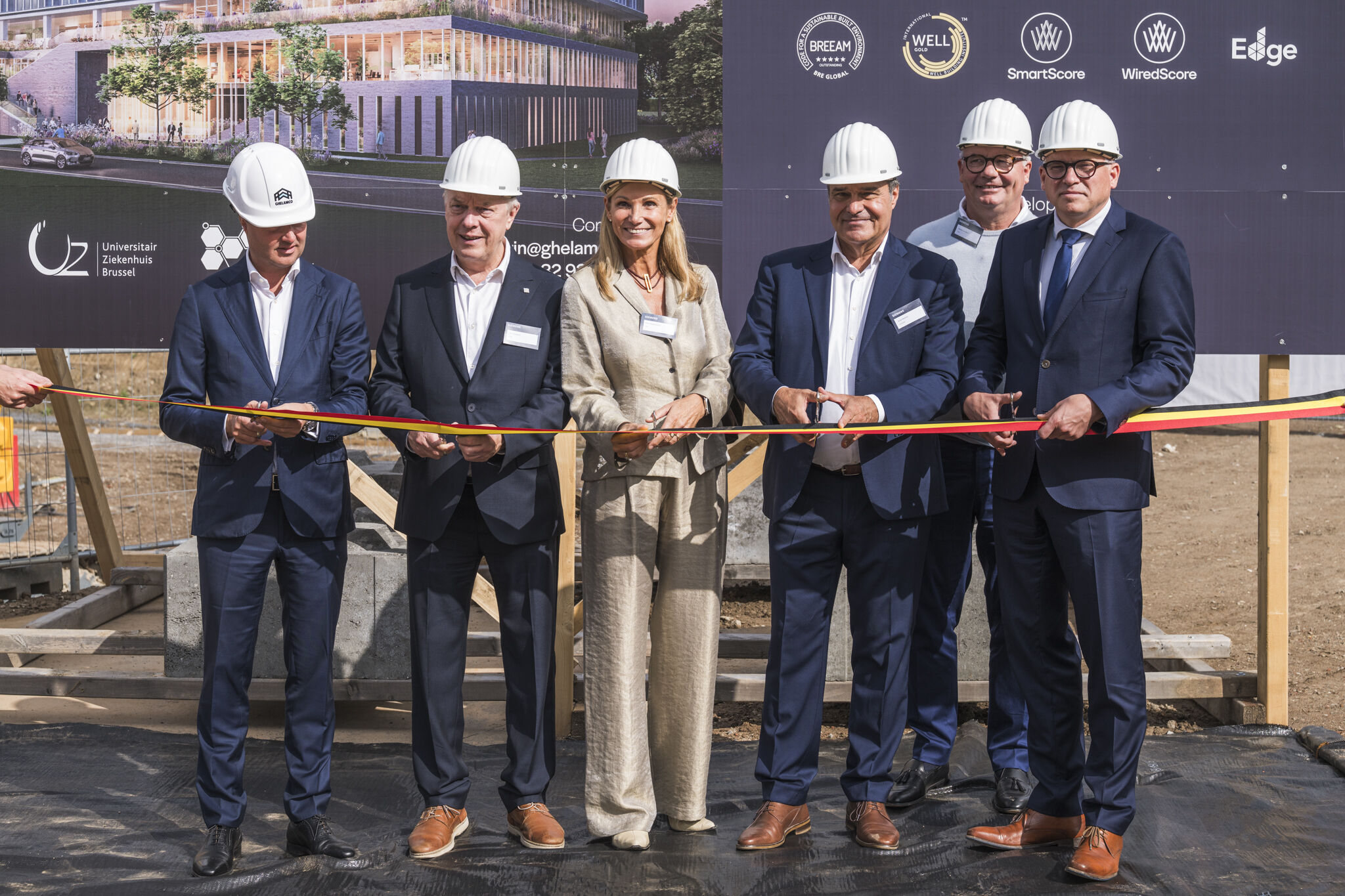
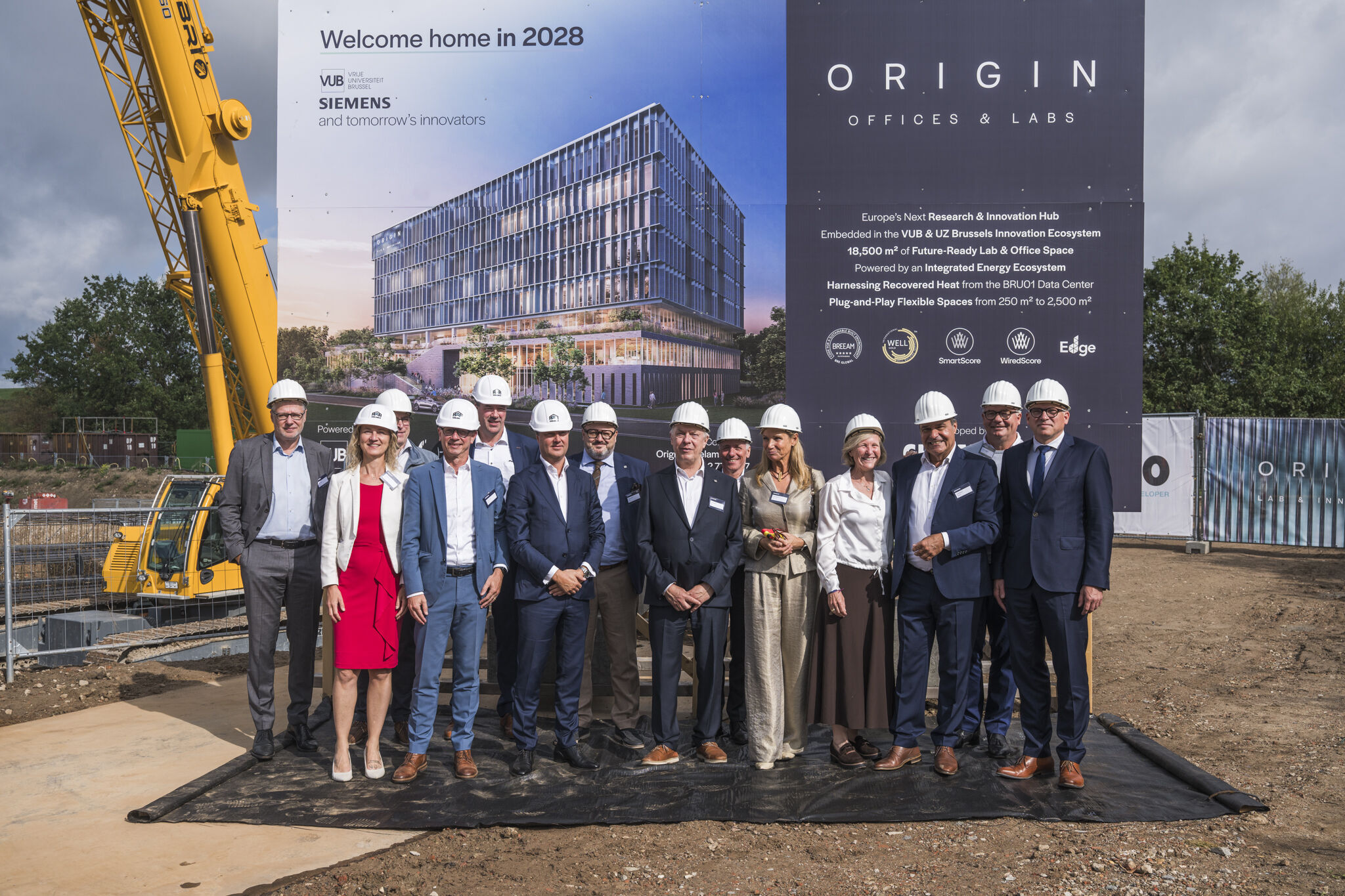
- Building the future of innovation at Research Park Zellik. 🏗️🔬 The symbolic first stone has been laid for Origin, the new headquarters of Siemens Belgium and Luxembourg at Research Park Zellik, in the presence of Flemish Minister-President Matthias Diependaele. From summer 2028, Siemens, Siemens Mobility, and Vrije Universiteit Brussel will come together in this new facility, reinforcing a dynamic ecosystem where academia and industry collaborate on energy, health, and key technologies. 👉 Read more about the new Siemens
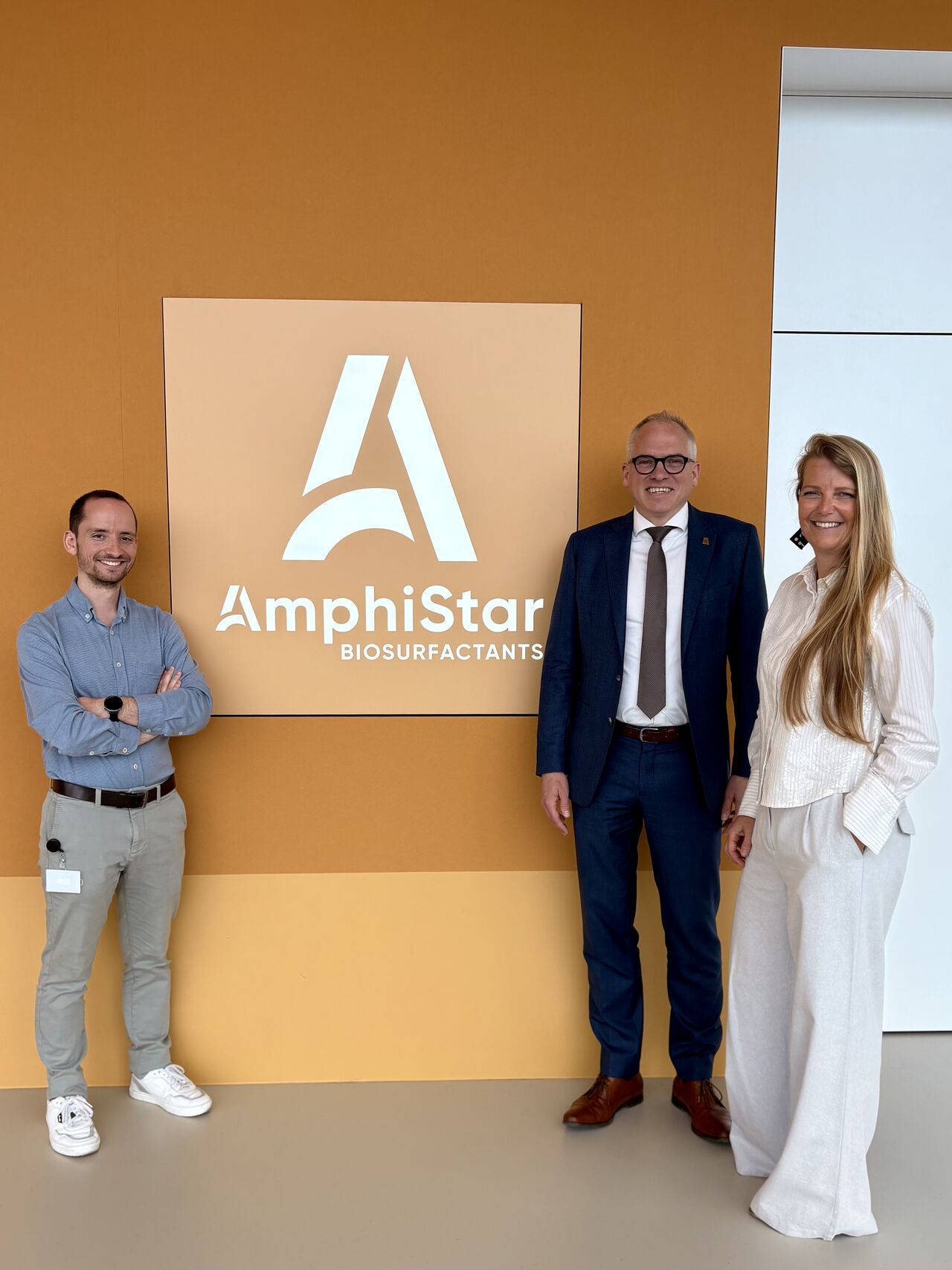
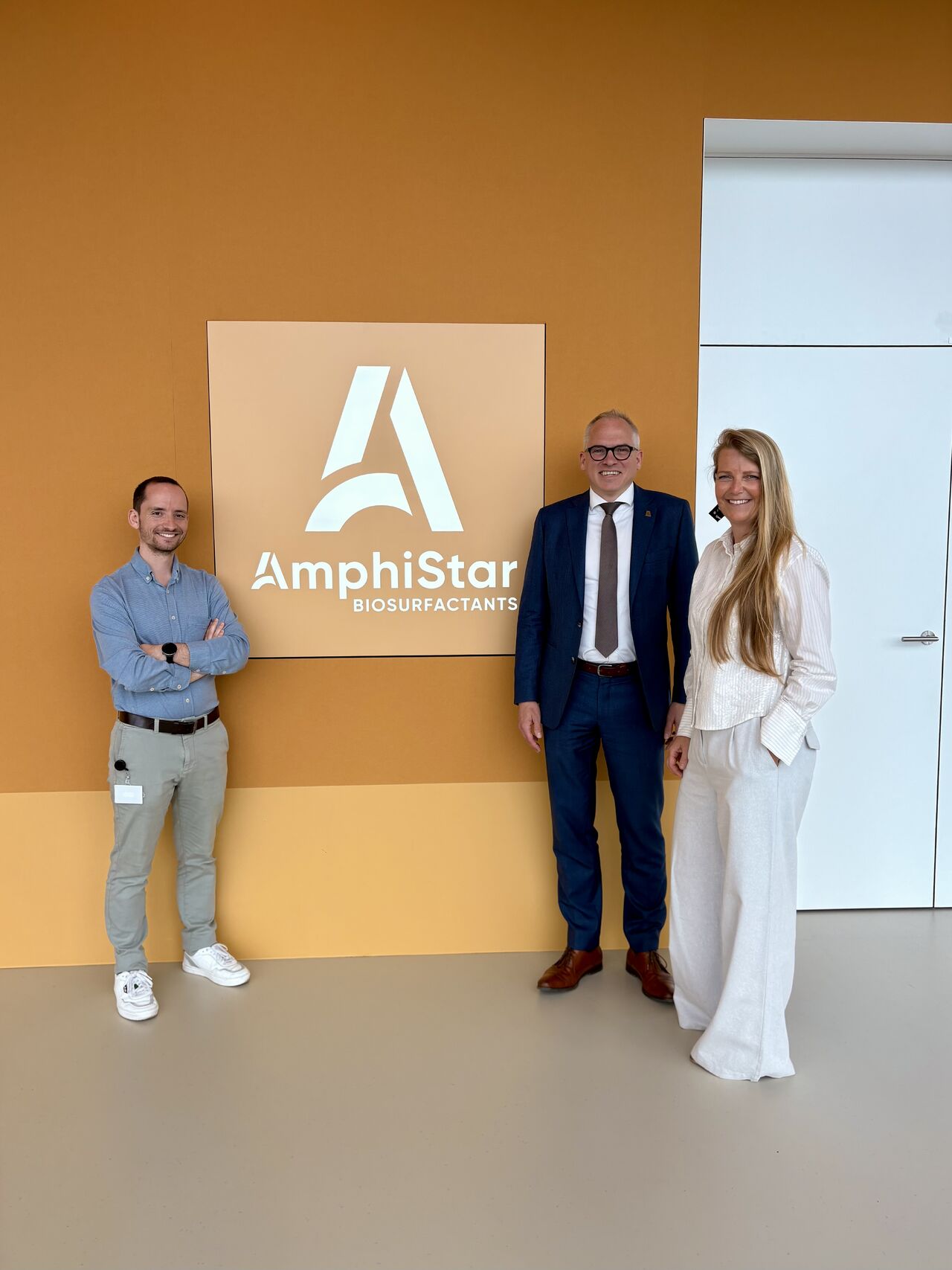
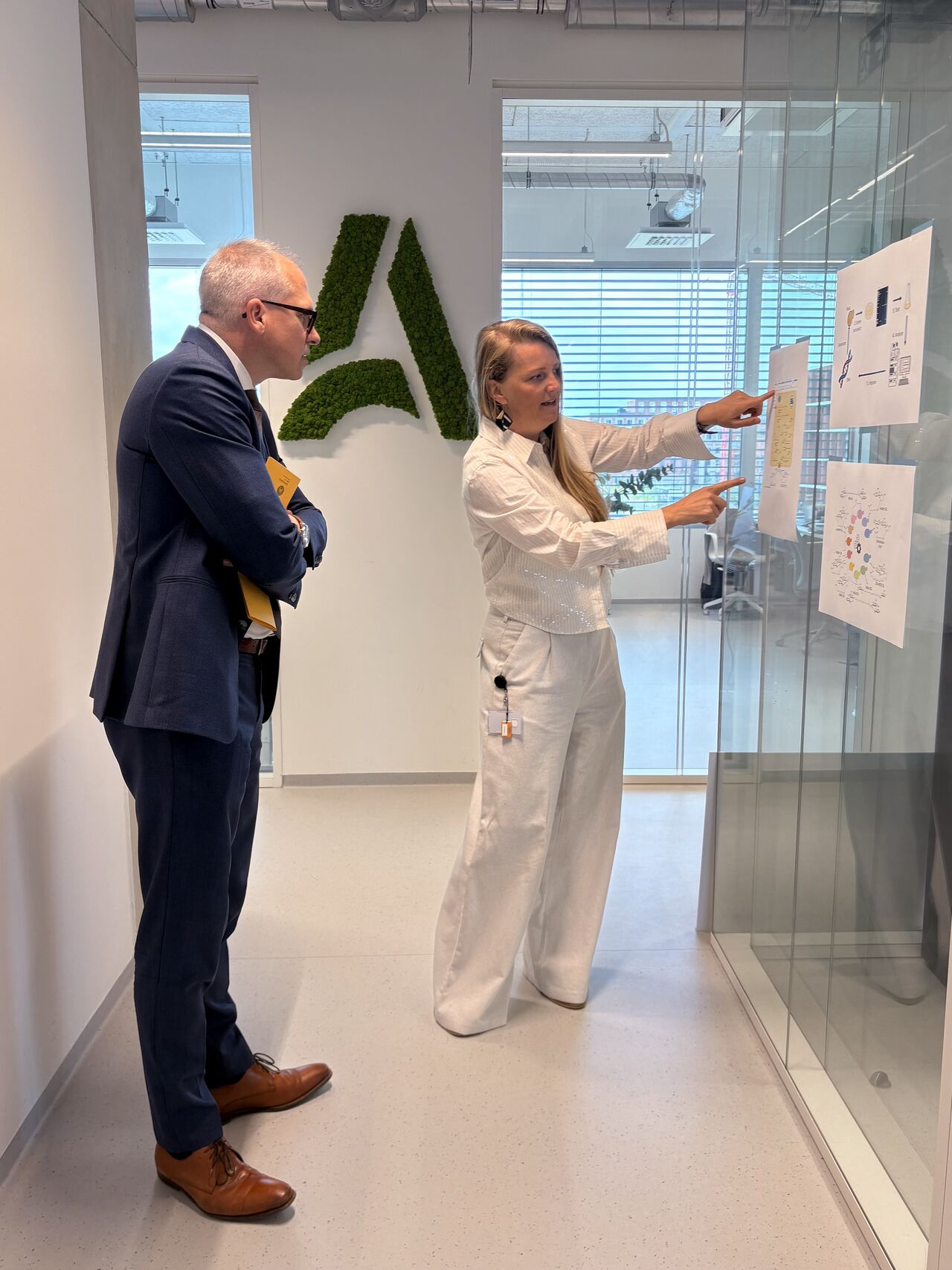
- Dank aan voogdijminister Matthias Diependaele om dit portefeuillebedrijf van het Flanders Future Techfund mee te helpen op de kaart te zetten. AmphiStar is een mooi voorbeeld van jaren van onderzoek, technologische expertise en vooral ook de ambitie om waardevolle innovatie uit Vlaanderen naar de markt te brengen. Precies daar ligt de rol van FFTF, dat gemanaged wordt door PMV. Het fonds ondersteunt ondernemingen in een zeer vroege fase, wanneer technologie vaak al veel potentieel heeft, maar de weg naar verdere ontwikkeling,
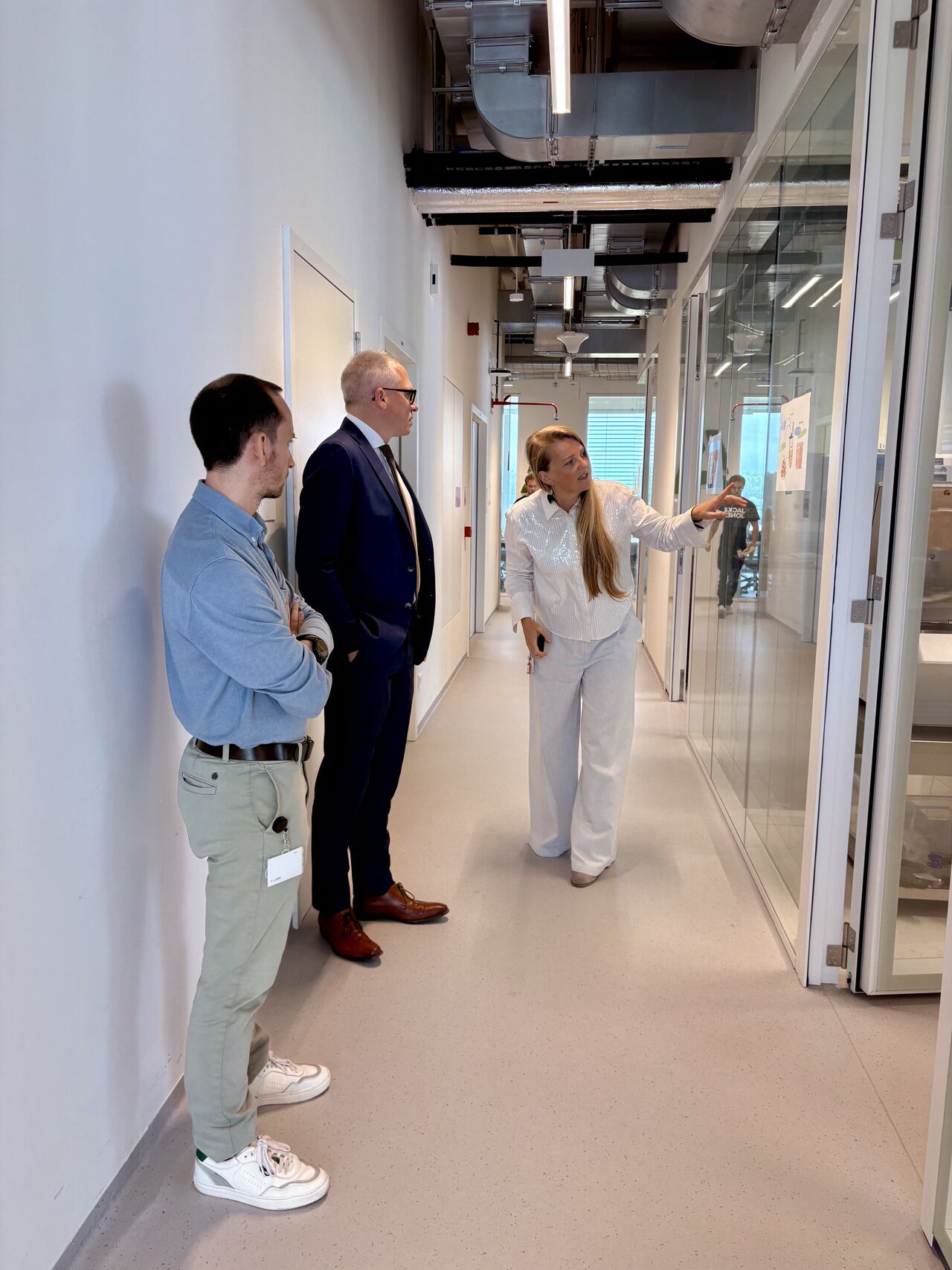
- Following the visibility and recognition we received through the Changemaker Awards by De Tijd and BNP Paribas, we recently welcomed Minister-President Matthias Diependaele and Communications Advisor Charlotte Coucke to our HQ and labs. We had an open and engaging conversation about what it really means to build a biotech company in Belgium and Europe: the opportunities, the obstacles, the long timelines, and the ambition required to turn science into impact. What stood out was the genuine curiosity and openness shown
Related profiles
imecAffiliation
VITOAffiliation
BarcoAffiliation
imecAffiliation
- FIFlemish Institute for Technological ResearchAffiliation
- SSenhiveAffiliation
This page shows public professional information only, each fact cited. Is this you? send a correction, or ask for removal within 24 hours, no questions asked.