
Overview
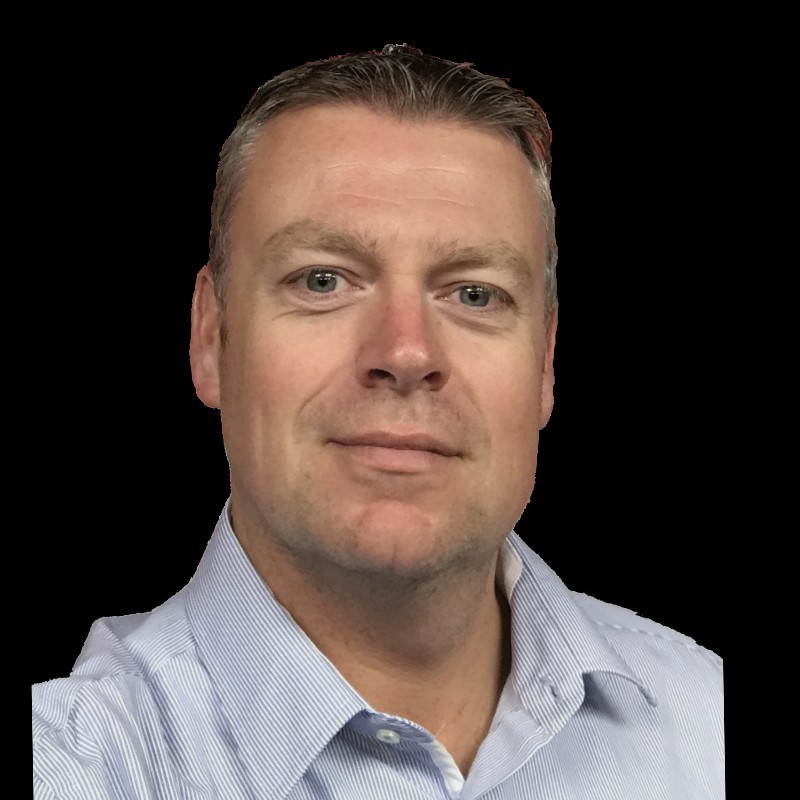
Nicolas Van Hoorde is a Ghent-based Fintech founder who co-founded Delta via Opus Labs, a portfolio tracking application for investors managing crypto and traditional assets. Delta grew to more than 4 million downloads, building a significant user base in the retail investor community before being acquired by eToro in 2019.
The Delta acquisition is one of the cleaner examples of the Ghent Fintech and crypto founder generation converting product traction into an exit. Nicolas Van Eenaeme was a co-founding partner in this venture, connecting it to the broader Ghent serial founder network.
Talks about
- Crypto
- Fintech
- Mentorship
- Corporate venturing
- Entrepreneurship
- Minimum Viable Product
- Founder health
- Family business
- Company culture
- Work-life balance
- Belgian tech ecosystem
- Succession
Career history

Insights & ideas
The through-line
Almost everything Nicolas Van Hoorde says comes back to a single conviction: the decisions taken casually at the very beginning of a company are the ones that detonate later. Roles that were never articulated, a shareholding structure that didn't reflect who actually did what, a capital construction chosen at incorporation rather than after an MVP, all of it worked fine while things were good and became unmanageable the moment they weren't. "Je merkt wel dat bij een opricht van een bedrijf als uw constructie eigenlijk al een beetje fout zit is dat zeer moeilijk recht te trekken en dat creëert denk ik onnodige spanningen en moeilijkheden" [1]. The conversations avoided upfront, he says, still have to happen, only later and under stress [1].
The second thread is that the value he takes from all of it is not the exit. "De ervaringen en de lessen die ik erop uit getrokken zijn voor mij veel meer waard dan het financieel" [3]. Over time his framing has shifted from defending what he built to making use of what he gained: from a founder who had lost confidence after being distrusted by part of his own founding group, to a CEO who deliberately sets ego aside to exploit what a corporate parent makes possible [1][3].
On getting the construction right at the start
With six founders, responsibilities per scenario were never defined sharply enough, and that held for a long time before becoming a major problem once things got difficult [1]. The shareholding compounded it, because it didn't reflect the actual roles people played [3]. His advice is blunt and structural: define tasks and roles upfront, and let the shareholding reflect them [3]. Tensions of this kind do not surface in good times; they surface when potential looks lower and the pressure is on [1].
The one redeeming feature of the 2018 co-founder conflict was that it forced clarity. "De onenigheid heeft daar enigheid gezorgd" [3]: the disagreement made it obvious that a sale was the only path everyone could share [2][3]. The cost was personal. Losing the trust of part of the founding group made him, as an inexperienced entrepreneur, lose confidence in himself [3].
On how he would have financed it instead
Because he and his co-founder could build the entire product in-house at almost no technical cost, taking a majority capital investor at incorporation was, in hindsight, the wrong shape of deal [1]. The more logical route would have been an MVP first and then angel investors [1]. The lesson is not that outside capital was wrong, it is that the amount and timing of it should follow what the founding team can actually build on its own.
On backing people rather than ideas
He is clear about what the Netlog and Realo founders did when two of their employees left to start something: they invested primarily in people and only secondarily in ideas, and chose to show trust and back the new venture rather than resist it [1]. That posture is the same one he later credits with rebuilding him. The explicit trust the acquirer showed after the sale restored the confidence the co-founder conflict had taken away, and permanently changed how he handles doubt [3].
On explosive growth and the focus it costs
Delta's launch was violent. "We zijn eigenlijk van nul maandelijkse gebruikers naar een half miljoen maandelijkse gebruikers op minder een half jaar tijd gegaan" [3], or as he puts it elsewhere, "Delta was echt een instant hit. Ik denk dat wij op een paar maanden tijd van nul naar een half miljoen gebruikers wereldwijd zijn gegaan" [1]. His verdict on how they handled it is unsentimental: during the 2017 hype they poured energy into PR, marketing and exploring their own token instead of pausing and making data-driven decisions, and kept ending up a step behind rather than staying focused on the core product [3].
On the crypto dependency and recurring revenue
Usage was so tightly correlated with the crypto market that every dip in the market produced a dip in product usage [1]. By the end of 2019 that was undeniable: "Naar het einde van 2019 wij wel al zeer hard doorhadden dat de relatie met de cryptomarkt ongezond was" [1]. The response was to broaden into multiple asset categories and, ultimately, to look for a strategic partner [1]. What cushioned the earlier crash was a business model decision made in December 2017: subscription-based recurring revenue meant that when the market fell in 2018, users had already bought yearly subscriptions during the high times [3].
On selling without losing your head
He describes swinging between two equally irrational states. "Ik was toen zo emotioneel over Delta verkopen dat dat mijn beslissingen die rationeel zouden geweest zijn wazig maakte" [1], and then, once deep in the process, becoming so invested in the deal that not selling would have felt like total failure [1]. Neither pole served him. His practical advice is to move attention away from the transaction: from the very beginning, founders should focus on how the company can keep operating as before rather than fixating on the financial terms, because that is what makes a long-term collaboration durable [3]. Among the founders there is still a lingering sense that Delta was sold both too early and too late, some believing they should have invested through the crypto winter, others that they should have sold before it arrived [1].
On surviving the acquisition with the culture intact
The thing worth protecting was never the product. "De magie van Delta is het team en het team heeft alleen maar een magische kwaliteit als de huidige manier van werken zoveel mogelijk behouden blijft" [1]. eToro's management understood this quickly and grasped that imposing corporate ways of working would destroy Delta's speed and agility, so they largely left it alone [1]. He defended that boundary aggressively, then learned to balance the defence by deliberately pulling knowhow and knowledge from the large parent into Delta [3]. The result he describes as "Delta een beetje best of both worlds: we hebben de onafhankelijkheid en de koers van de hippe jonge startup, maar tegelijkertijd ook de backing van een gigantisch corporate bedrijf" [3].
Staying on as CEO after selling one hundred percent is, in his account, a mindset problem more than a structural one. "Ik vind dat persoonlijk wel een beetje gewoon puur mindset is uw ego aan kant kunnen zetten en proberen omarmen dat je in die nieuwe functie dingen kan doen dat je als eigenaar niet zou kunnen hebben gedaan zonder die grote speler" [1]. The proof he offers is duration: "Contractueel was ik verplicht om 12 maand te blijven na de overname, we zijn bijna drie jaar verder en ik zit er nog steeds, dus dat wilt denk ik het grootste bewijs dat het een goede overname is geweest" [3].
On self-belief, risk and what entrepreneurship is actually for
Asked what moved him furthest, he does not name a tactic: "In jezelf geloven en tegen eigen zeggen dat je goed bent in bepaalde zaken, want dat heeft mij het meest vooruitgebracht" [3]. The trade he accepts is permanent alertness bought with autonomy, "Je hebt altijd het risicovolle aspect dat u altijd zeer alert houden, maar de vrijheid die u dat dan eigenlijk countert" [3]. He is also candid about his own restlessness: "Ik ben iemand dat eigenlijk bij wijze van spreken bij elke douche in de ochtend een nieuw idee heeft voor iets nieuws" [1].
What he cannot shrug off is people. He can let go of the company's performance dipping, but not of employees being unhappy; making sure employees feel good is, for him, the core of entrepreneurship, and a team that is growing is the signal that everything else is going well too [3].
On how a beginner should start investing
His guidance to new investors is deliberately unglamorous: first simulate a fictive portfolio in an app like Delta to experience volatility without real stress, then start with a low amount, only invest money you are prepared to lose, and diversify [3].
Takeaways
- Fix the construction before you need it: a flawed shareholder structure at founding is very hard to correct later and generates unnecessary tension and difficulty [1]. Define tasks and roles upfront and make the shareholding reflect them [3].
- Hard founder conversations avoided at the start do not disappear; with six founders, undefined responsibilities per scenario worked for years and then broke exactly when things got difficult [1].
- If the founding team can build the whole product in-house at almost no technical cost, an MVP plus angel investors beats taking a majority capital investor at incorporation [1].
- Hype burns focus: during 2017 they spent energy on PR, marketing and their own token instead of pausing for data-driven decisions, and stayed a step behind on the core product [3].
- Recurring revenue is crash insurance: yearly subscriptions sold during the highs of 2017 carried the company through the 2018 crypto crash [3].
- Watch for unhealthy market correlation early; every crypto dip produced a usage dip, which forced diversification into multiple asset classes and the search for a strategic partner [1].
- In a sale, focus from day one on how the company can keep operating as before rather than on the financial transaction, because that is what makes the collaboration last [3].
- After an acquisition, protect the way of working (the team is the magic) while deliberately importing knowhow from the parent, and set your ego aside to use what corporate backing newly enables [1][3].
Related profiles

This page shows public professional information only, each fact cited. Is this you? send a correction, or ask for removal within 24 hours, no questions asked.