
Overview
Lorenz Bogaert, born 1976, is the most connected founder in the Belgian tech ecosystem. He co-founded Netlog with Toon Coppens in Ghent in the early 2000s, building one of Europe's earliest and largest social networking platforms. The company, originally named ASL.TO / Facebox / Redbox, grew to over 94 million registered users across 20+ languages. Netlog was renamed and the Massive Media group, which also operated Twoo (a dating platform launched in 2011), was acquired by Meetic (IAC) in 2012 for USD 25 million.
Post-exit, Lorenz became one of the most prolific serial founders and investors in Belgium. He co-founded Delta (cryptocurrency portfolio tracker, acquired by eToro in 2019), was executive chairman of Realo (real estate data platform), and was involved in the launch of Rydoo (expense management, acquired by Sodexo in 2017). He co-founded StarApps in May 2020 as an independent venture builder, operating alongside co-founder Nicolas Van Eenaeme.
Through StarApps, he has backed and co-founded Bizzy (SME intelligence), Introw (digital partnership rooms), Cashfeed (automated invoice booking), Driven (sales incentive platform), Donna (sales copilot), and Fixform (facility management). He co-founded Pitchdrive with Boris Bogaert, Koen Christiaens, and others as the institutional investment arm of the Netlog/Rydoo founder generation.
In 2019, Antwerp Management School ranked Lorenz as the fourth most important angel investor in Belgium. He is referenced within the ecosystem as "the Don" of Belgian tech.
Lorenz represents the Ghent founder archetype at its most concentrated: technical insight, long-term community commitment, and a systematic approach to building and funding the next wave. His StarApps studio model is a deliberate attempt to replicate the conditions that produced Netlog, applied to B2B SaaS rather than consumer social.
Career history
- Co-Founder & CEOMay 2020 - presentStarAppsGhent-based venture builder
- Co-FounderJan 2025 - presentCashfeedautomated invoice booking
- Co-FounderJan 2025 - presentDrivensales incentive platform
- Co-FounderJan 2024 - presentDonnasales copilot
- Co-FounderApr 2023 - presentIntrowdigital partnership rooms
- Co-Founder2020Pitchdriveearly-stage VC fund, third fund EUR 40M (2024)
- Executive ChairmanRealoproptech, real estate data platform
- Co-Foundercryptocurrency tracker, acquired by eToro 2019Opus Labs
- Co-Founderexpense management, acquired by Sodexo 2017Rydoo
- Co-Founderdating platform, Meetic/IAC acquisition 2012Match Group Belgium
- Co-FounderNetlogsocial network, founded early 2000s · 94M+ users
- InvestorBizzy, Fixform, Colibry, and 10+ other Belgian startups
- FounderRydoo
- FounderDelta
- FounderRealo
- FounderOpus Labs
- FounderMatch Group Belgium
- FounderNetlog


Education
- UDMaster, Law and Management in ICT2001 - 2002Universite de Namur
Master, Law1996 - 2001Vrije Universiteit Brussel
LinkedIn Voice
Posting style: Community-oriented and supportive. Amplifies ecosystem content through reposts. Personal when posting original content. Active but mainly reposts. Key themes: Ghent ecosystem (office space, community building), portfolio companies (Cashfeed, Backbone Agency, Colibry), personal and family milestones Avg engagement: 130 likes, 10 comments Notable post: Celebrating Wendy Geeraert at Colibry, 209 likes and 14 comments.
Talks about
- Pivoting
- Company culture
- European Tech
- Fundraising
- Ghent tech scene
- Team Building
- Venture Capital
- Belgian tech ecosystem
- Angel Investing
- Entrepreneurship
- B2B SaaS
- Resilience
Insights & ideas
The through-line
Almost everything Lorenz Bogaert says comes back to one conviction: the idea is close to worthless, the people and the execution are everything, and any company worth building will have to change direction at least once. "Een idee is ook niks waard. Het is al in de execution, 100%" [9], and every single company he has started ended up pivoting [6][7]. He rejects the American glorification of failure that grew up around that fact. "Falen is niet erg — eigenlijk is dat wel erg. Blijven gaan. Als ondernemer doe je het niet om te falen, je doet het om te winnen en om iets te bouwen" [6]. He has lost the most money in US companies precisely because founders there walk away from their investors when things get hard, and he has more respect for the ones who turn the tide [9].
What has shifted is his sense of how big a company needs to be, and how present he needs to be inside it. Early on he was "een echte controlefreak: in elke meeting moest ik in zitten" [6]; now the honest position is "hoe minder ik betrokken ben, hoe beter voor die venture" [7]. And where Netlog was a race for hundreds of millions of users, his thesis today is the lean company: "Ik denk tegenwoordig een echt goed bedrijf, 10, 15 mensen is er echt wel meer dan voldoende" [9]. The ambition has not shrunk, it has moved outward, from his own companies to the ecosystem: ten ventures out of Ghent, Belgian tech IPOs, and a Europe that stops selling itself to American acquirers [7][8][10].
On pivoting as the default
Pivoting is not a rescue move in his telling, it is the normal life of a company. Netlog was the only European social network to survive the arrival of Facebook and Twitter, and only because "wij als bedrijf hebben gezegd van we gaan het geweer van schouder veranderen" [11]. The team noticed the platform was mostly being used to meet new people and reasoned: "We have all these users, we have all this technology, we have this great team — why don't we build the world's biggest dating sites? And actually we did, we actually became the number one" [10]. That climb was tracked obsessively, from rank #5,000 to #1 [10], and inside Twoo the weekly ranking update from #50,000 to top ten of all dating platforms became the growth mechanic that focused the entire team on growth rather than revenue; the company sold a month after becoming the biggest [9]. Twoo ended up larger than Netlog at 200 million users because the team applied what it had learned: extreme focus, one problem, no feature overload, transparent internal communication and constant competitor benchmarking [11].
He is clear that staying inside the same legal entity to do this is an ethical choice rather than an economic one. A purely money-driven founder would let the old company bleed out and restart in a new entity with the same team and the same users; pivoting within the company is essentially deciding not to screw over your investors [9]. Realo is the other case study. It nearly died because it went to market far too aggressively as a challenger to Immoweb and to brokers with too little funding; brokers, fearing they would be degraded to Uber drivers, built a front against it despite superior technology [6][9]. After the pivot to a real estate data platform that embraced brokers, those same brokers became its biggest ambassadors [6]. The general rule he draws: never launch a marketplace dependent on externalities you do not control, or make those players partners and even shareholders from day one [9]. And a founder should expect this from the start, which is why he tells people that if they want a fixed corporate vision, "bij Proximus zoeken ze zeker nog een aantal mensen. Maar hier gaan we constant van visie moeten veranderen" [9].
On betting on founders, not ideas
In investing and venture building, 90% of the decision is about the people, and what they build is often secondary [11]. His diligence is not on CVs but on what someone actually wants to achieve and whether they have the mental resilience to undertake rather than to manage, which a week of intensive collaboration reveals [6]. Resilience is the single trait StarApps selects on, and he frames it as a question: "Er komen dagen dat alles plotseling fout gaat, dat er legal issues zijn, dat er mensen vertrekken, dat de cijfers minder goed zijn. En gaat hij daarmee omgaan?" [7]. He assumes it for everyone: "I don't know any founder or any entrepreneur who never had major setbacks and to the ones who didn't have it yet I always say it's going to come" [8]. A useful indicator is whether founders overcome their own fears for the sake of the company, such as introverted technical co-founders forcing themselves to network at events, which surprisingly often produces deals, hires and funding [7].
Fire and conviction outrank quality of idea. "De beste gasten waar dat ik mee gewerkt heb als co-founder, die kwamen met de slechtste ideeën. En ik dacht van godverdomme, als je zo'n slecht idee met zoveel vuur kunt brengen, dan zit er wel degelijk iets in die mensen" [6]. An A-team with a B-idea beats a B-team with an A-idea; a strong team opening a pizzeria will build the best pizzeria and turn it into a chain [9]. The arrogance is part of the package: "Ik geloof erin, ik ben er 100% zeker van zelfs dat ik beter ga kunnen doen dan al die losers op de markt. En als je zo voelt, dan kunnen we gaan. Die arrogantie is effectief nodig" [9]. His biggest filter is the opposite motivation: founders driven purely by funding rounds and exits may build big companies, but he will not work with them [7]. The most common origin of startup failure he sees is founder issues, the dynamics between co-founders and their collective resilience [8], which is why he argues for firing fast, before emotional attachment sets in and before heavy ownership has been handed over, and for announcing replacements alongside departures [9]. Cultural problems get fixed the same way, by removing people who do not believe in the big dream, because "voor een heel groot stuk ondernemen is een beetje recht van de sterkste" [7].
On validating before you incorporate
Most first-time founders do it backwards: they incorporate a company with a name before doing any research, and shockingly many cannot map their competitive landscape even when rivals have raised €40-60M while they are raising a few hundred thousand [7]. StarApps inverts the sequence. Ideas are validated with WhatsApp messages and mockups before any product exists, with a hard distinction between an MVP that solves one problem with everything else cut and a minimum marketable product people say they would pay for [9]. Nothing goes to the notary until the product is largely built, tested and the first invoices are sent [7]. "Als Start-up Studio willen we geen prematuurkes op de wereld zetten" [9]. Validation has to convert: of the relevant ICP prospects spoken to during a few months of pre-launch research, close to 50-100% of those who recognise the problem should become customers, and first customers are reachable within months without ever having incorporated [7].
The filtering is brutal by design. Only one in ten researched venture concepts is actually launched, which is how a studio can aim for a 100% success rate across ten ventures where more than 90% of normal startups fail [7][8]. Ventures are deliberately sent to pitch to parties that may dislike them, such as imec.istart, because rejection produces fast, structured, honest feedback [9]. He also points out that the model has been externally revalued: startup studios were once viewed sceptically by investors and are now a quality label, with research showing higher success rates, faster time to market and higher exit values [7]. "Kijk naar de success rate van bedrijven die uit Startup Studios komen, die is vele malen hoger" [7]. StarApps itself was founded at the end of COVID with an explicit moonshot of ten great companies built from Ghent; number six has launched and ten are expected by year end [10].
He is equally firm that secrecy is a tell. Refusing to share your idea makes you ridiculous, because how you explain it reveals how you will build it, and Uber, Google and Airbnb were not first anyway; if nothing resembling your idea exists, something is fundamentally wrong [9].
On small teams and the AI-native company
Asked what he would change in most scale-ups, the answer is blunt: "Zou eerlijk gezegd direct de helft ontslaan" [7]. Headcount is an outdated vanity metric, and he catches himself checking LinkedIn employee growth as a success signal while believing the market is moving toward capital and resource efficiency [7]. "We zijn echt in een wereld waar je met een team van 10, 15, 20 mensen perfect een zeer goed draaiende business kunt gaan runnen" [7]. The lean unicorn thesis follows: StarApps hopes its ventures need fewer than 50 employees to reach €100M in value, because teams of 10-20 high performers who are all on the cap table are more agile, carry less politics and hold more power [7]. In software especially, "build like a dream team, a small very smart, ambitious dream team of 10, 15, 20 people, and you don't need more than that... to go for the moonshot" [10].
AI is what makes the arithmetic work. Companies must think AI-native and AI-first, and the entire services sector is becoming the technology sector as flows like invoice-to-payment get fully automated [9]. He applies the same standard to categories he backs. "Rule-based accounting is dead... and ready to be buried", and too many finance teams and accountants are still in the Rule Age instead of letting AI understand context, learn from every correction and handle the work autonomously, which is the ground Cashfeed occupies with its deep integrations into Exact and Odoo [2]. The same logic drives his praise for introw.io Partner Connect, which lets partners work inside their favourite AI interface, communication tools or CRM rather than being forced into yet another portal, "a smart step towards making partner ecosystems truly AI-native" [3]. The theme is public enough that he is preparing a session on building your business in the age of AI for Odoo Experience at Fabien Pinckaers' invitation [1].
On sales, product and compliance by design
His sales doctrine starts from the product. "Maak een goed product en zorg dat je goede mensen hebt om het te verkopen" [7]. If you need a highly sophisticated, over-engineered sales process in SMB, something is probably wrong with your product-market fit, and churn problems usually signal product problems rather than sales problems [7]. The traditional SDR and discovery-call playbook is dying; he prefers full-stack sales where the person who closes the deal also handles onboarding and stays the customer's point of contact, and in some low-deal-size businesses SDRs are completely superfluous [7]. Above all: "Onderschat niet founder led sales, die is gewoon zoveel keer sterker" [7], because a founder saying they will make it happen carries authority a sales rep never has. Experienced sales top performers should be hired slowly and deliberately, not in a rush [7].
Compliance sits in the same argument rather than in a separate governance box. Building SOC 2 and ISO in from day one and baking compliance into everyone's job is one of the biggest success factors for B2B SaaS, because it lets a small team close €100K+ ARR enterprise deals without later needing funding and a dedicated compliance team [7]. Alongside that he pushes measurement discipline: set a big goal and share progress against it regularly with team, investors and advisors, since most SaaS companies cannot even say what their market share is or how they score against competitors [7].
On growth that boomerangs
Growth should be opportunistic at the beginning and engineered and aligned with the long-term vision later [8]. Chasing milestone numbers at all cost comes back at you: closing sales to customers who do not need the product, pushing prices up too far, exaggerated viral growth hacking, all of it boomerangs [8]. Netlog's own strategic mistake was the opposite of focus, stuffing video, music, dating and short messages into one platform and then losing to focused US microsites like YouTube, Facebook and Twitter; the lesson is focus, or at minimum having people who each focus on one thing [6]. That is also his answer to what actually matters: "Ik denk dat er twee dingen belangrijk zijn. Één is hard werken en niet opgeven dus ook. En twee is focus en niet opgeven met die focus" [9].
On funding you do not need, and the terms that matter
"I raised funding when we didn't need it and I still regret it" [8]. Netlog had lost five years growing slowly because the founders consulted on the side to pay for servers, and by the time they raised around seven million they were already profitable at roughly €500,000 a month while competitors "haalden gewoon miljarden op tegelijkertijd" [9]. Part of the reason they took it was personal secondary: Index Ventures offered cash off the table to founders in their twenties, and in hindsight he questions whether they diluted too early when neither company nor founders truly needed the money [11]. Raising while cash-flow positive creates its own trap, because the bigger story forces bigger spending and pushes a profitable company back into losses [8]. His preferred state is the opposite: "It's like nothing nicer than a company not needing funding and immediately having traction and users paying" [8], and he has great respect for founders who build without outside investment, citing Filip who built Tally entirely self-funded [11].
Valuation, he argues, is meaningless without terms. "If you want tomorrow you're all unicorns and I give you for example 1 million but with a liquidation preference of 10x or 20x... and the valuation I don't care anymore in that case" [8]. The term he tells founders to protect is the liberty to sell, a drag-along right for the majority so investors cannot block a personal decision to exit [8]. Underneath sits a conflict he considers natural and unavoidable, between founders chasing their dream and investors optimising fund IRR, and Netlog lived the worst version of it: investors pushed a competitive sale process via JP Morgan in 2008, the process dragged, and then "all of a sudden the financial crisis 2008 is there and offer is off the table" [8].
His own investing follows a different logic. Angels competing and fighting over ticket allocations is a signal something is wrong; real angel investing means writing the first 25-50k cheque knowing you may never see it back, done with the heart rather than as an investment strategy [8]. He reinvests almost everything he earns into startups and funds rather than holding cash, sometimes losing track of where his money sits [11], and he holds the vast majority of his wealth in startups and scaleups, which is why he warns that if exits stop happening the reinvestment flywheel dries up and he would have to stop investing too [8]. The long horizon on that patience shows in cases like Maison Sport Group, where he was an angel from the very early days, has since stepped off the board, and watched the company pass £18m/€21m in total booking revenue with 50,000 people taught on the mountains in a season and full-year profitability in sight [5]. And whatever the vehicle, one asset governs the rest: "Als investeerder en ook als start-up studio trouwens heb je maar één ding, dat is uw reputatie" [11].
On selling a company
"Een bedrijf verkopen, dat is eigenlijk het moeilijkste dat er is" [6], harder and more stressful than building or growing, and what actually kills or delays deals is unglamorous: GDPR compliance, clean financials, organised contracts [6]. Acquirers evaluate on two axes, strategic fit, where better fit means higher price, and pure opportunity; mid-sized profitable companies below several millions in ARR often get stuck unable to exit because they fit neither [6]. Market structure sets the ceiling too. In dating there was effectively one buyer, Match Group, so an exit meant selling to them with very little negotiating leverage [9].
He is unsentimental about what the moment delivers. The euphoria is largely absent, an exit is less life-changing than founders expect, and it is more about closing a chapter: "Ik denk dat ik effectief letterlijk en figuurlijk de dag nadien al bezig was met de volgende venture op te starten" [11]. What does hurt is deal structure. His own was enormously unbalanced with heavy earn-out components, forcing him to constantly fight to defend it while reporting to a boss for the first time, and his advice is to avoid or minimise earn-outs and mandatory stay-on periods [11]. He is also candid that a firesale exit is not the biggest failure, since the company and the team continue [9], and that the fall from prominence is fast: "Wij zijn op heel korte tijd dan ja from zero to hero gegaan en dan effectief plotseling van de ene dag op de andere zijn we er niet meer de talk of the town" [11].
On knowing when to step back
He puts himself squarely inside the Peter principle. A CEO should step down when they no longer enjoy it, and he knows he is not the right person once a company reaches 50-150 people; he thrives in the minus-one-to-one phase [8], and "van ideeën naar de eerste 100.000 users, dat is eigenlijk de leukste periode" [6]. Doing it in practice is another matter. He resigned in a Netlog board meeting during the tough period, telling the room "hey guys you know we have to find someone else", and ended up staying anyway, because founder-CEOs with majority stakes rarely leave even when they should; a majority position makes handing over the keys very hard [8].
The same lesson repeated as a studio operator. He micro-managed an early venture and claimed its success as his own, which demotivated the actual founders, and the conclusion is unflattering to his instincts but stated plainly: "Als ik heel eerlijk ben, hoe minder ik betrokken ben, hoe beter voor die venture" [7]. Personally the arc runs from control freak to enjoyment: he can now delegate and "ik kan ervan genieten dat mensen aan het bouwen zijn zonder dat ik erbij betrokken ben" [6]. What he wants founders to keep hold of through all of it is simple: "Make sure it's a fun ride and that you enjoy the ride and that you're happy... and make other people happy is probably more important" [10].
On excuses, envy and the golden cage
"De grootste vijand van ondernemerschap zijn de excuses" [9]. Waiting to gather corporate experience before founding is one of them: if the urge is stronger than yourself, start now, because students have the freedom to make mistakes and entrepreneurs do not think in career terms [9]. The best window is roughly 21 to 28, before mortgages, partners and family obligations dominate [6], and the instruction is direct: "Als je goesting hebt, dan moet je dat gewoon doen" [9]. He also punctures the stereotype of who does this. Most entrepreneurs he knows are relatively introverted people focused on work rather than networking events, with extraversion often an act that comes with the job [6].
The Belgian obstacle he names most often is cultural. "Ik denk dat er eigenlijk geen enkel land is waar dat er zoveel afgunst is naar ondernemers, naar technologie-ondernemers" [6], and "het is enorm veel typisch België denk ik, enorm veel afgunst" [12], which he traces partly to lingering trauma from the Lernout & Hauspie era and a thin IPO culture [6][12]. Alongside it sits the golden cage: capable people wait to be laid off before daring to start something, and redundancy is often the trigger that finally makes them jump [6]. He recognises the feeling from the inside: "Ge zit zelf in een gouden kooi waar dat je dacht: dat gaat nooit met mij gebeuren, dat ik niet vrij ben, maar eigenlijk ja, het is te zot van het niet te doen" [11]. His counter-advice is the compressed version of everything else he believes: "Doorzetten, durven pivoteren, maar vooral ook geen schrik hebben wat anderen denken" [6], and "ik heb daar zelf ook gezeten, I know what it is, ge moet doorzetten... just go for it" [11].
On the Ghent mafia and building the ecosystem
"Er is echt iets enorm unieks aan het bloeien, specifiek in Gent maar ook in Vlaanderen in het algemeen en zelfs België" [11]. Tech mafias form unwillingly, because fast-growing scaleups automatically attract the smartest people, and Ghent now has interconnected networks out of Netlog, Showpad and Silverfin: "In Gent for example, we call it almost the winter circus mafia now" [8]. The culture has changed with them, from feuds and clans to founders investing in each other's companies [11] and to genuine pay-it-forward behaviour, with advisors helping startups without demanding advisory shares, which was not the case not long ago [10]. "It's many times it's just pay it forward. Community is opening up in an extreme way in Belgium" [10], and Supernova, Wintercircus and funds like Pitchdrive are what enable big dreamers with money, talent and advice, though ambition itself is a personal journey that should not be pushed on founders from outside [10]. His own contribution to the physical layer of that ecosystem is Cooper's House in Ghent's South district, private office suites with 53 desks across 7 private offices, 8 meeting rooms, a lounge, bar, call booths, three kitchens and three outdoor areas, positioned to work closely with Wintercircus Ghent and complement rather than compete with it [4]. What broke his own thinking open, he says, was leaving: moving part-time to London, a train ride from Ghent, exposed him to completely different founders and investors and was the most inspirational period of his career, coinciding with starting the dating platform [10].
He also wants Belgian SMEs to borrow the tech habit of sharing success. Generous cap tables and stock option plans, fiscally friendly in Belgium but unknown to nine out of ten SME owners, retain talent and build loyalty better than salary alone [11]. And his personal formula for how any of this holds together is relational: "Persistence, resilience and being good for people and believing that they will be good for you when you do when you're good for them" [8].
On why Europe has to win
The ambition is explicitly continental: "Eigenlijk hoop ik dat niet Gent wint, maar dat Europa wint" [7], and "ik ben er 100% van overtuigd dat een sterker Europa de toekomst is op vlak van defensie, op vlak van economie" [9]. He is irritated by Europe's deference at its own events: "Als er nu een event georganiseerd wordt heel vaak in Europa, al die keynotes allemaal Amerikanen. Ik vind dat vreselijk soms" [7]. The deficit he identifies is not talent but crazy capital, the later-stage mega-cheques such as the $500M interest-free US government loan that saved Tesla in 2009, which simply do not exist in Europe, compounded by a fragmented market that prevents the fast unified-market scaling American companies enjoy [9].
The other missing piece is public markets. Europe needs more tech IPOs instead of selling to American acquirers who then move headquarters to the US, because listings let the broader population share in tech success and build a feeling of ownership [7]. In Belgium he insists this is not a government failure but a liquidity failure: Scandinavian households invest six to ten times more per household in stock markets than Belgians, and Belgium is heavily under-represented in listed companies [8]. He would like to see a Belgian tech IPO in his lifetime: "Ik vind dat dat in België nog veel te weinig gebeurd... dat zou wel eens tof zijn als we dat kunnen meemaken" [11], and "I would be so proud and happy if that ever happens" [8]. Set against the ecosystem he watches every day, his verdict is short: "It's really exceptional what's happening" [8].
Takeaways
- Do not incorporate until the product is built, tested and invoicing; validate with WhatsApp messages and mockups first, and expect close to 50-100% of ICP prospects who recognise the problem to convert into customers [7][9].
- Select founders on resilience above all, and treat purely exit-motivated founders as a red flag; 90% of any investment decision is the people, not what they are building [7][8][11].
- Never assess a valuation without the terms attached, since a 10x or 20x liquidation preference can manufacture a unicorn overnight; the term worth fighting for is a drag-along right that preserves your liberty to sell [8].
- Ask whether you actually need the money before raising, because raising while cash-flow positive forces a bigger story and bigger spending that pushes a profitable company back into losses [8][11].
- Assume the pivot: keep it inside the same entity so investors are not wiped out, and never build a marketplace dependent on externalities you do not control unless those players become partners or shareholders [9].
- Get GDPR compliance, clean financials and organised contracts in order long before a sale process, and avoid or minimise earn-outs and mandatory stay-on periods in the deal itself [6][11].
- Build compliance in from day one with SOC 2 and ISO baked into everyone's job, so a small team can close €100K+ ARR enterprise deals without raising for a compliance department later [7].
- Lean on founder-led and full-stack sales; if SMB requires an over-engineered sales process, or churn is high, the problem is the product [7].
- Aim for 10 to 20 high performers on the cap table rather than headcount growth, and treat AI-native operation as the reason that team size is now enough for a moonshot [7][9][10].
Media & appearances
- SuperNovaYouTubeSuperHeroes at SuperNova Ep. 8 | Lorenz Bogaert - StarAppsLorenz Bogaert discusses his career as a serial entrepreneur starting in the 1990s, including building Netlock, a major European social network, and later pivoting to create a dating platform that was sold to what became Match Group. He explains that he now runs StarApps, a startup studio that creates ventures from early conception through the first million in annual recurring revenue, with a focus on achieving higher success rates than traditional venture capital by filtering out failed concepts before launch.
- Johan de WitYouTubeDe SaaS founder mindset: resilience, eenvoud en loslaten - Lorenz Bogaert, StarAppsLorenz Bogaert discusses how his motivation as a founder centers on the people he works with and the early-stage execution rather than the specific idea, comparing the startup journey to a bird leaving the nest once ready to fly. He explains that StarApps operates as a venture studio designed to systematically start multiple companies sequentially, noting he has completed nearly his initial mission of launching 10 startups and recognizes his personal strength lies in the earliest phase of building companies up to their first million in revenue rather than scaling them further.
- ConnexiYouTube#49 Lorenz Bogaert (StarApps) over pivoteren
Investments
Bizzy
Bizzy is a Ghent-based AI sales automation startup that helps B2B teams identify and engage the right prospects at the right moment using company data and signals.
Accurat
Accurat is a Ghent-based location intelligence platform helping retailers and brands understand real-world consumer behavior using GDPR-compliant mobility data.
In the news
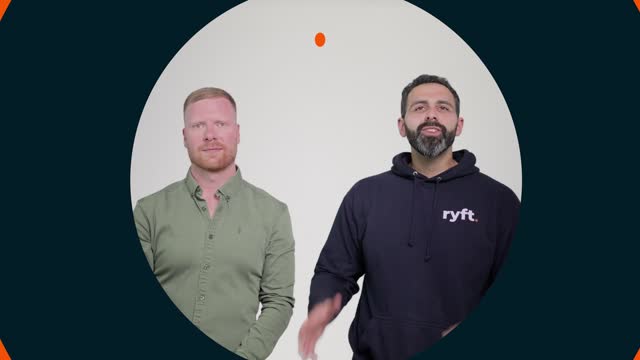
- During Covid, I made a fairly opportunistic investment in Butlr, a QR ordering and payment app for bars and restaurants. Today, that journey has led to a £20m Series B for Ryft. Along the way, the founders realised that a much bigger problem was the cost and complexity of processing payments. They listened, learned and eventually sold Butlr, taking everything they had learned into a new direction: payments for marketplaces and platforms. That became Ryft. It sounds quite straightforward when you put it in a few sentences.
- Been testing Cashfeed‘s new banking features and it’s absolutely awesome!👇
- Whoop whoop, I’ll be speaking at Odoo Experience! ❤️ When Fabien Pinckaers calls, you clear the agenda and start preparing to make it worth everyone’s while: I’m working on a session that will be “wow wow wow”… I hope 😎Looking fw to meeting the Odoo crowd. https://lnkd.in/eZvx63yF
- Rule-based accounting is dead... and ready to be buried. And yet way too many finance teams and accountants are still in the Rule Age when it comes to automating their work by letting AI understand context, learn from every correction and handle the work autonomously. StarApps-born and Pitchdrive-backed Cashfeed is Europe’s best solution for automating bookkeeping, with deep integrations into leading accounting platforms such as Exact and Odoo. Kudos to Dennis Verjans, Stijn Heuninck, Jonathan Callewaert and the amazing team at
- The fastest-growing scale-up in the PRM space (and deservedly so!) is launching introw.io Partner Connect. It allows partners to work wherever they prefer: inside their favourite AI interface, communication tools or CRM. Instead of forcing partners into yet another portal, introw.io brings the partner experience to the tools they already use every day. A smart step towards making partner ecosystems truly AI-native. Congrats to the entire Introw team and co-founders Andreas Geamanu, Laurens Lavaert and Simon Van Den Hende.
- Something new is opening in Ghent.. Cooper's House: private office suites for ambitious companies looking to build their Ghent HQ in the city’s thriving South district, surrounded by Wintercircus Ghent, Ghent University, Kunstencentrum VIERNULVIER and hundreds of start-ups, scale-ups and other businesses. Inside: • 53 desks across 7 private offices • Suites for teams of 6 to 12 • 8 meeting rooms (7 with stunning river views!) • A lounge, bar, call booths and plenty of shared space • 3 kitchens and 3 outdoor areas Before you ask:
- Proud to see Maison Sport Group fly past £18m/€21m in total booking revenue after its strongest season yet. 🎿 I’ve been involved as angel investor since the verrry early days. Although I stepped off the board this season, I’m still a big believer in the mission: making it easier for skiers and snowboarders to find brilliant instructors wherever they go. 50.000 people taught on the mountains this season. Full-year profitability in sight. More international expansion ahead. Congrats team! 🚀🚀🚀 Heading to the slopes next winter?
Related profiles
 Boris BogaertCo-founders · Ecosystem peers
 Koen ChristiaensCo-founders · Ecosystem peers
 Toon CoppensCo-founders
 Nicolas Van HoordeCo-founders
- PNicolas Van EenaemeCo-founders
 Andreas GeamanuCo-founders
 Filip MinevCo-founders
- YGhentLocation
 Wendy GeeraertRelated
 Tom De KooningEcosystem peers
 Andres De JongeEcosystem peers
 Cedric De VleeschauwerEcosystem peers
 Peter SymonsEcosystem peers
This page shows public professional information only, each fact cited. Is this you? send a correction, or ask for removal within 24 hours, no questions asked.