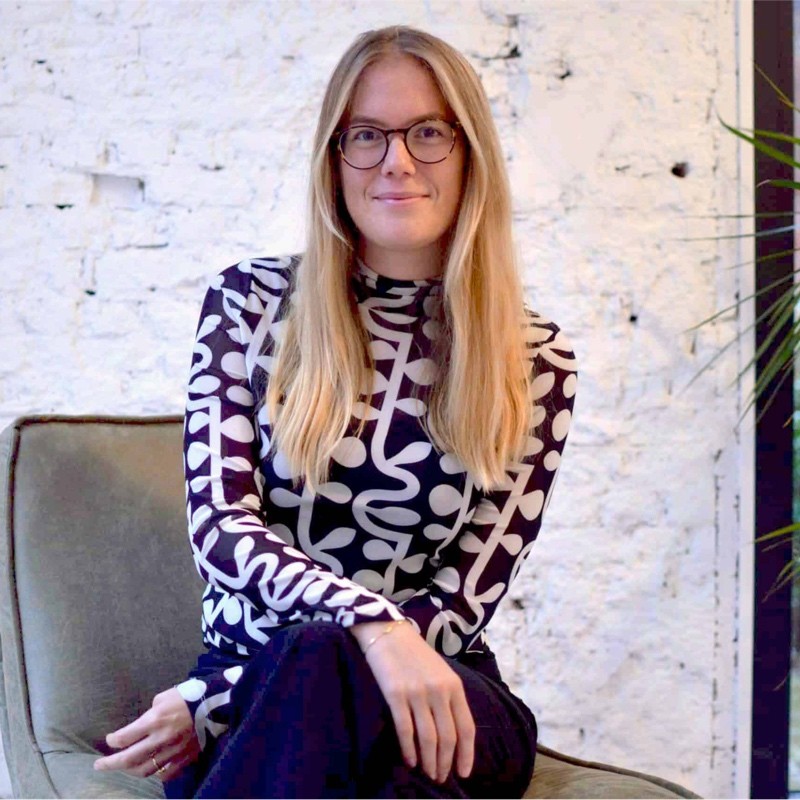
Overview
Sofie Priem is co-founder and CEO of myCareerCompanion, a role she has held since June 2025. She is based in Diest. Since October 2024 she has also been a guest lecturer at UC Leuven-Limburg.
Her career to date has been spent at Crossbridge, which she joined in September 2015 as a junior research consultant. She became a junior HR consultant in January 2016 and an HR consultant in July 2018, before taking up the position of digital product and innovation manager for Crossbridge and myCareerCompanion in October 2020, which she held until May 2025.
Priem studied political science at KU Leuven, graduating with a bachelor's degree in political science and sociology in 2014, and completed a master's degree in management there in 2016. She subsequently took executive programmes at EHSAL Management School in project management, from 2018 to 2019, and in IT strategy and organisation, from 2020 to 2021.
Career history

Media & appearances
- Intentif TeamYouTubeSofie Priem (myCareerCompanion) over productiviteit zonder in te boeten op werkgelukSofie Priem discusses how myCareerCompanion, an HR tech company she co-founded, combines technology with human-centered HR practices to address career orientation and talent management issues. She explains that their platform creates efficiency and structure by distributing responsibility for career development among multiple stakeholders (employees, managers, HR) rather than placing it solely on managers, while maintaining scientific rigor and ensuring employees feel valued throughout the process.
In the news
- Talentvolle mensen ontslaan terwijl je tegelijk vacatures hebt openstaan, blijft voor mij een vreemde manier van reorganiseren en besparen. Natuurlijk is niet elke medewerker geschikt voor elke open rol. En soms moet een organisatie gewoon kleiner worden. Maar voor je beslist wie weg moet, zou je toch eerst moeten weten welk talent je eigenlijk al in huis hebt: - Welke mensen kunnen verschuiven? - Wie kan relatief snel groeien naar een andere rol? - Wie past misschien beter ergens anders dan waar die vandaag zit? Niet iedereen zal
- We’re getting better at mapping people’s skills. But what if those skills are becoming outdated faster than ever? Skills-based HR is a major step forward. Yet understanding what someone can do today is only part of the picture. To make better decisions about development, internal mobility and workforce planning, we also need to understand where people could go next. In our latest blog, Sofie Priem explores why transferable competencies, interests and motivation deserve a bigger role in how we think about future talent. >>> Read

- Een automatisch opgebouwd skillsprofiel met AI lijkt behoorlijk vooruitstrevend. Tot je kijkt naar de input: iemands cv, functietitels en werkhistoriek. We gebruiken nieuwe technologie om het verleden steeds nauwkeuriger te beschrijven. Dat is vooral een probleem wanneer we die data inzetten voor interne mobiliteit of successieplanning. Wie al tien jaar hetzelfde type werk doet, krijgt op basis van skills al snel meer van hetzelfde voorgesteld. Terwijl 39% van de huidige skillsets volgens het World Economic Forum tegen 2030
- Interessante cijfers hieronder van Acerta en Stepstone Belgium: 7 op de 10 Belgen willen carrière maken binnen hun eigen organisatie. Toch veranderde het afgelopen jaar amper 7,9% effectief intern van functie. Dat verschil verklaar je niet door een gebrek aan ambitie. Een interne vacaturepagina is nog geen intern mobiliteitsbeleid. Medewerkers moeten kunnen ontdekken welke rollen aansluiten bij hun competenties, interesses en drijfveren. Ook buiten het klassieke carrièrepad. En ze moeten zicht krijgen op wat ze nog nodig hebben om
- One thing I find particularly interesting when working with PhD researchers: they often have far more transferable skills than they realise. Analytical thinking, project management, problem-solving, communication, resilience, working independently... They’ve built them throughout years of research, but translating those skills to a career outside academia isn’t always that obvious. That’s exactly what I like about our collaboration with YouReCa@KU Leuven. Helping young researchers put words to what they can do, understand
- We kennen onze mensen goed.” Dat denken veel organisaties, tot je begint door te vragen: - Wie zit eigenlijk nog goed op zijn plek? - Wie heeft talent dat vandaag amper gebruikt wordt? - Wie wil groeien, maar niet per se omhoog? - Wie begint stilaan af te haken? - Beleven medewerkers de cultuur eigenlijk zoals het management denkt dat ze die beleven? Dan merk je soms dat we vooral denken dat we onze mensen goed kennen. Weten wie goed presteert of wie misschien vertrekt, is nog iets anders dan weten waar talent zit, wat iemand
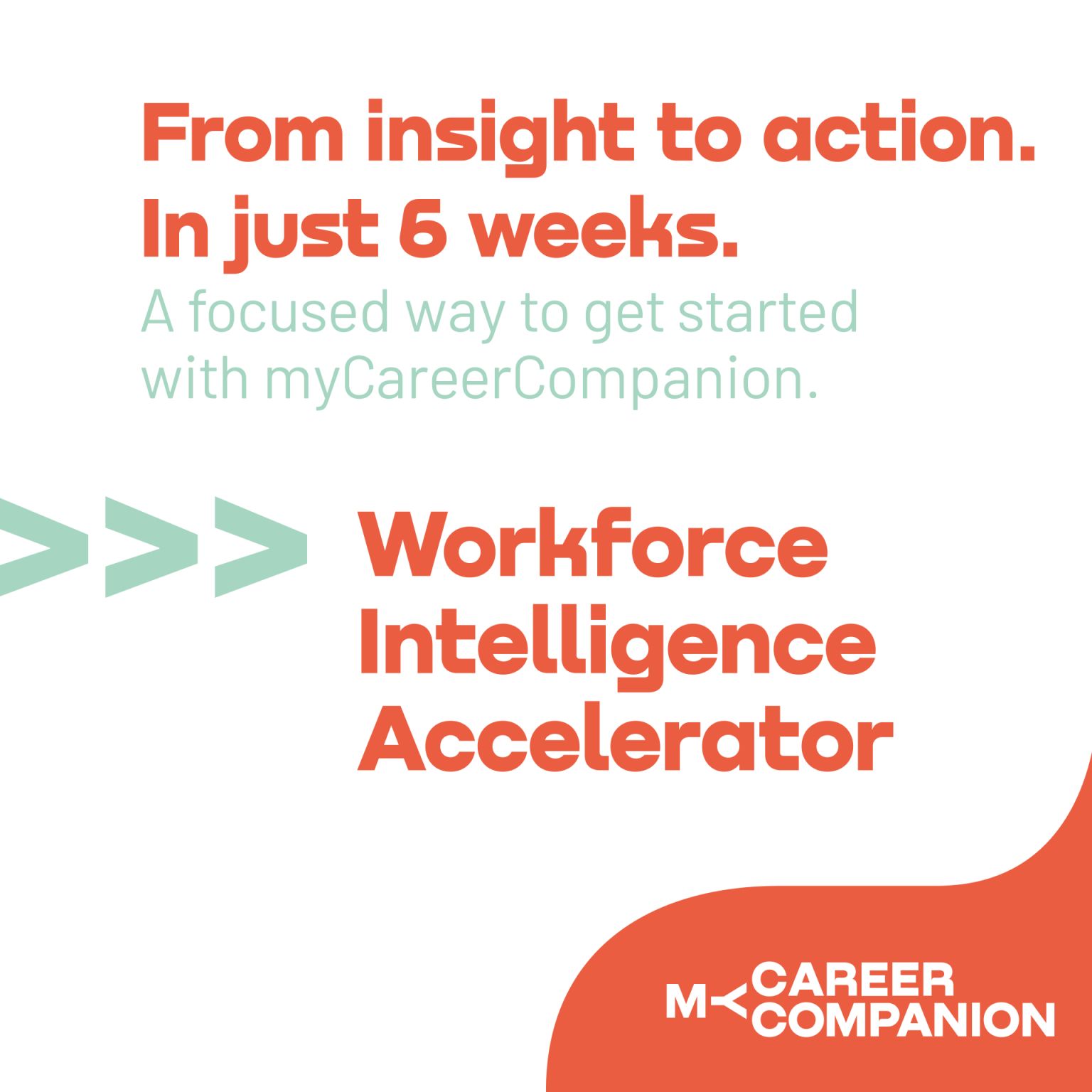
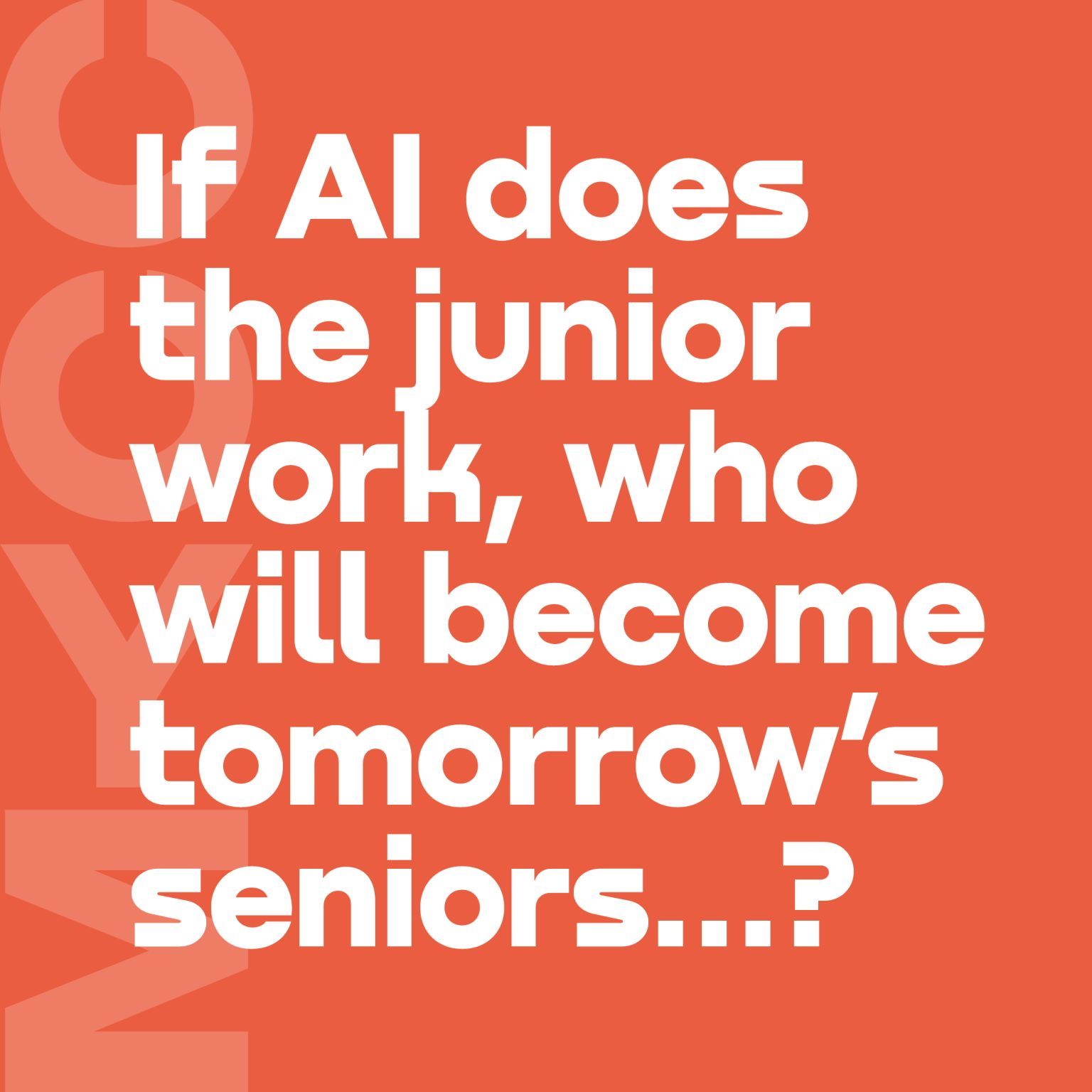
- A lot of companies are in cost-saving mode right now. And AI makes it very tempting to look at junior work first. Why keep paying people to do work AI can do faster and cheaper? I understand that logic. But there’s a catch: junior work is also where future seniors are built. So yes, use AI to become more efficient. But if junior roles disappear without rethinking how people gain experience, you’re not just cutting costs today. You may also be cutting into your future talent pipeline. That’s the tension I explored in my latest article
- A fruit basket is nice. But people stay for other reasons. Our CEO Sofie Priem on what really drives retention: perspective, growth, internal mobility and culture.
This page shows public professional information only, each fact cited. Is this you? send a correction, or ask for removal within 24 hours, no questions asked.