Talks about
Insights & ideas
The through-line
The consistent position across everything Femke Helon says is that circumstances are raw material, not verdicts. The company she and her husband built from scratch was designed around what clients actually needed rather than what the machines could produce; the family was folded into the business rather than fenced off from it; and the worst possible week, her father's death followed days later by COVID wiping out the events and trade-fair order book, became the moment the product range was rebuilt and the year closed in strong growth [3]. Her own summary of it is flat and unsentimental: "Het is ook gelukt om van zoveel negativiteit zoveel positiviteit te maken." [3]
Underneath that sits a second, quieter idea: she is not the person who should be doing the work. Without graphic-sector backgrounds, she and her husband hired for the craft and kept themselves on sales and long-term company building [3], then introduced a teamleader layer so the founders became less operationally indispensable [3]. The same instinct shows up in how she still talks about recruiting, looking for someone "klantgericht", "organisatorisch sterk", "hands-on" and above all "een toffe collega die we er ABSOLUUT bij moeten hebben in ons team" [1], and in the plain pleasure taken in a team day out [2].
On selling solutions rather than capacity
The founding decision was positioning. Rather than selling printer capacity like a traditional print shop, they asked clients what they needed and added installation services on top, which differentiated 3Motion immediately [3]. That framing is what made the rest possible: a company defined by the client's problem can change what it makes without changing what it is.
On not doing the craft yourself
Neither founder came from the graphic sector, and the response was to hire people better than themselves for the craft while concentrating on sales and building the company for the long term [3]. This is not modesty about competence, it is a division of labour: the founders' job is the company, not the day work. The later step was structural, introducing a teamleader layer built around natural leaders, which made teams partly self-steering and reduced the founders' operational indispensability [3]. The hiring language she still uses points the same way, prizing organisational strength and hands-on temperament alongside fit with the team [1].
On integration instead of balance
She is explicit that she gave up on the standard goal: "Ik ben gestopt om te zoeken naar een balans. Ik heb gezocht naar de manieren waarop ik het gewoon kan combineren en dan wordt het gewoon een geheel." [3] In practice that meant weaving the company into family life and involving the children from a young age [3], and it meant a concrete, unusual staffing solution: hiring someone, Marjan, who works part-time in the company and part-time helps with the children and the cooking, a household and company hybrid role that bought Femke extra working hours and calm at home [3]. The principle she draws from it applies well beyond the domestic arrangement: "Hulp durven vragen, hulp durven aanvaarden." [3]
On crisis as a pivot
When COVID destroyed the events and trade-fair order book days after her father died, the reorientation took days, not quarters: plexiglass screens, floor stickers and safety displays, products that helped clients stay open safely [3]. The motivation she describes is obligation rather than opportunism. "Er waren veertig mensen op mij aan het wachten van: oké, wat gaan we doen?" [3] And the decision itself was not really a decision: "There was no other option. Het moet gewoon lukken." [3] The result was a year of strong growth [3]. She also notes that not everyone read the situation the way she did, at the founding and since: "Bepaalde mensen verklaarden ons ook volledig gek." [3]
On positivity as the leader's job
She treats optimism as a deliverable, not a mood. In crisis she felt it was her duty to inject positivity, on the reasoning that employees are only positive if leadership brings positivity and celebrates successes, and that this matters most when the future is uncertain [3]. The small, current signals of that are consistent with the doctrine, marking a good team day publicly rather than letting it pass [2].
On openness with the people you leave and the people you sell to
Her first client came from telling the truth. She told her employer Kipling openly that she was leaving to start a business in their supplier sector, and asked for a chance to bid, which landed Kipling as the first reference client and opened doors to other customers [3]. The same posture, ask directly and accept what comes back, is what she generalises into "Hulp durven vragen, hulp durven aanvaarden." [3]
On where the next opening is
Disruption elsewhere is read as demand here. Brexit has international clients who used to produce in the UK looking for mainland production in Belgium or the Netherlands, from which they can distribute and install across Europe [3]. It is the same pattern as the 2020 pivot, applied before the pressure arrives rather than after.
Takeaways
- Position on the client's problem, not your equipment: asking clients what they needed and adding installation separated the company from ordinary print shops from day one [3].
- If you do not have the craft, hire people better than you at it and spend your own time on sales and building the company [3].
- Build a teamleader layer around natural leaders so teams become partly self-steering and the founders stop being operationally indispensable [3].
- Stop chasing balance and engineer work and family into one whole, including unconventional hybrid roles that cover both the company and the household [3].
- Tell your employer the truth about leaving and ask for the chance to bid; the first reference client is worth more than a clean exit [3].
- In a crisis, reorient the product range in days rather than waiting, because the staff are waiting on an answer: "Er waren veertig mensen op mij aan het wachten van: oké, wat gaan we doen?" [3]
- Treat positivity as a leadership duty, since employees only stay positive if leadership brings it and celebrates the wins [3][2].
- Watch structural shifts like Brexit for demand that moves toward you: UK producers now want mainland production in Belgium or the Netherlands for European distribution and installation [3].
In the news
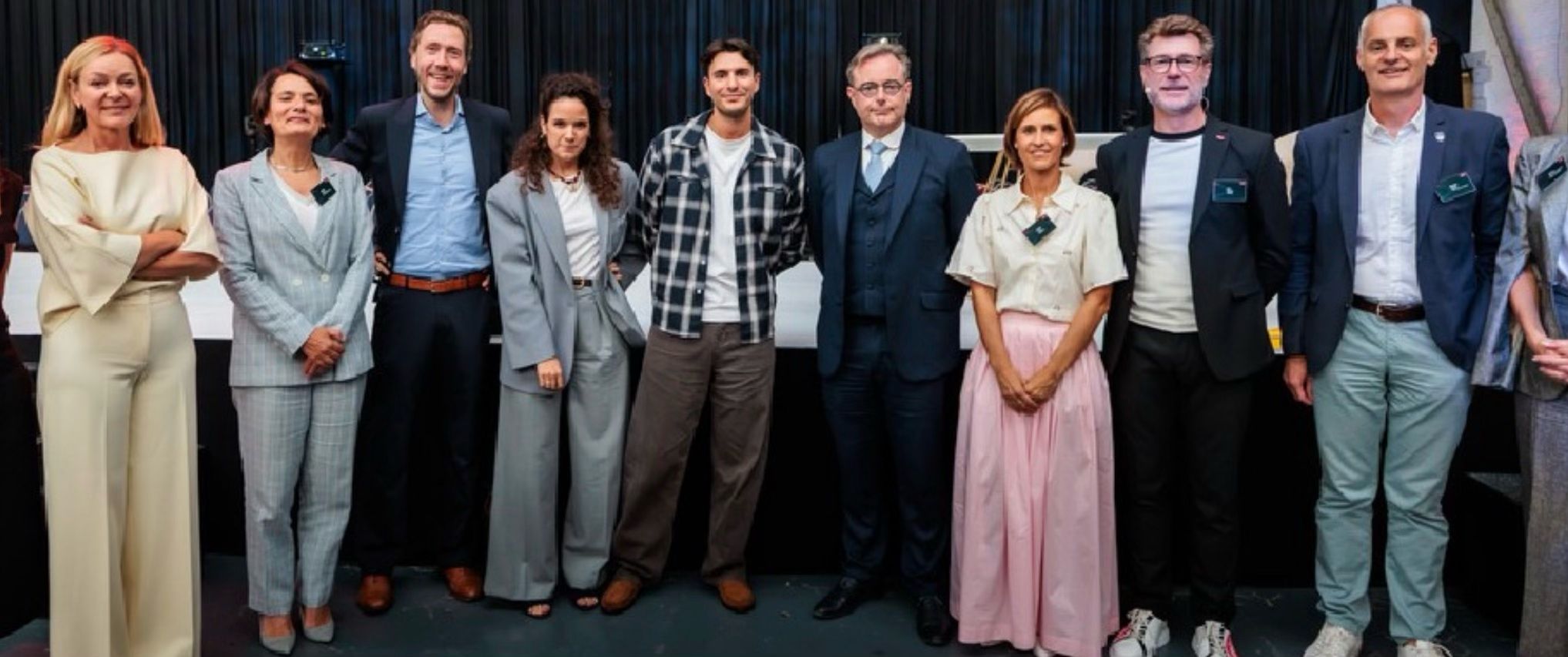
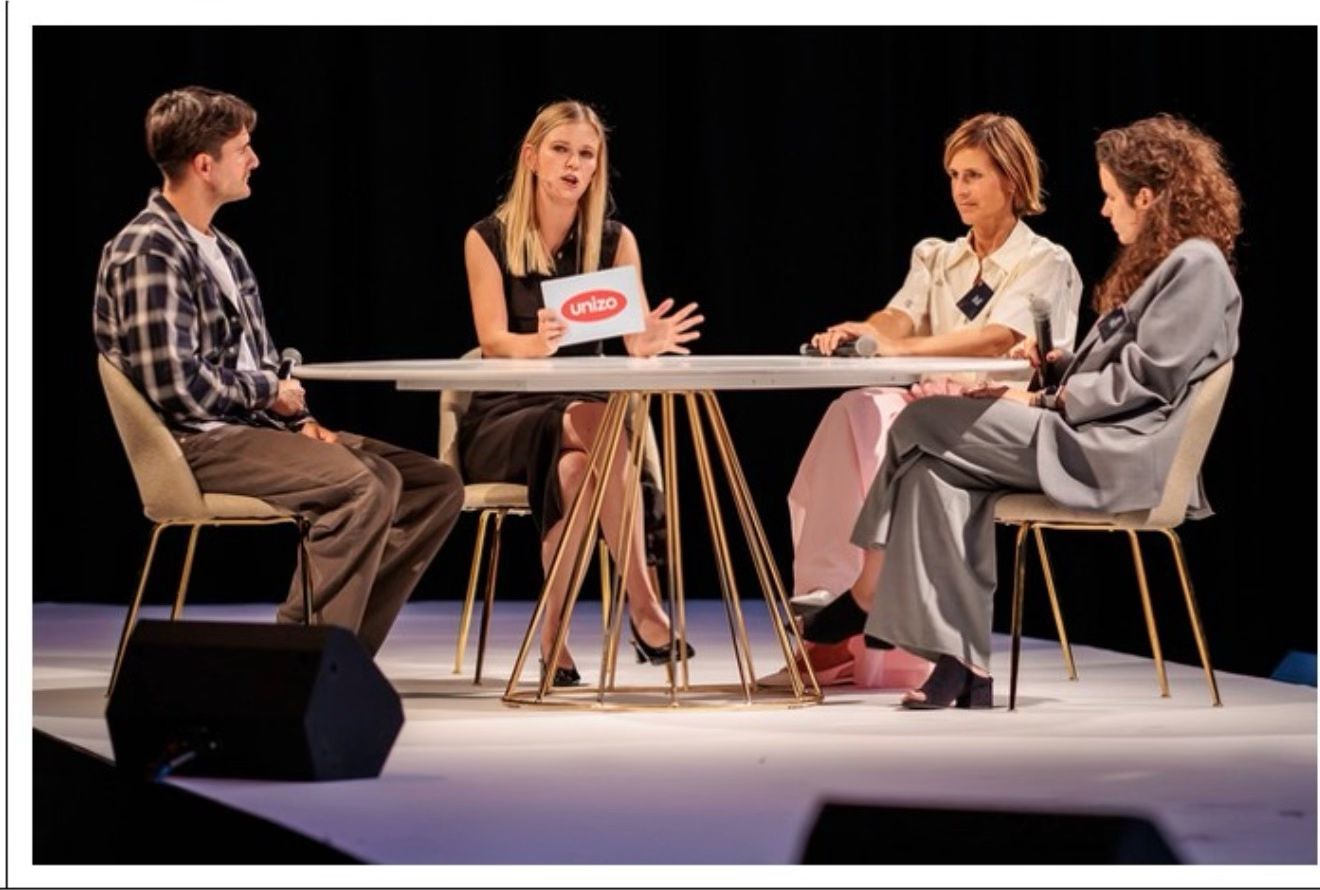
- Ondernemen doe je niet alleen. Gisteren stond Femke Helon op het podium van UNIZO Momentum, in een panelgesprek over de beeldvorming van ondernemers, samen met Isolde Van den Eynde (HLN) en Conner Rousseau (Vooruit), in aanwezigheid van onder meer premier Bart De Wever Het was alvast een boeiende avond! Je krijgt niet elke dag de kans om van gedachten te wisselen met de eerste minister van dit land 😉 We hopen alvast dat we hem de juiste boodschap hebben meegegeven naar de onderhandelingstafel. Het is net dát waarom we lid zijn
- Ben je ✨ klantgericht 📋 organisatorisch sterk 🙌 hands-on 😄 een toffe collega die we er ABSOLUUT bij moeten hebben in ons team 👉 Dan is dit dé kans voor jou!
- Top teamdagje! 💙
Related profiles


This page shows public professional information only, each fact cited. Is this you? send a correction, or ask for removal within 24 hours, no questions asked.