Overview
Wuyts studied bioscience engineering, first at the University of Antwerp and then at KU Leuven. He completed a four-year joint PhD between the University of Antwerp and Vrije Universiteit Brussel, involving sequencing and bioinformatic analysis, and holds a PhD in Bioscience Engineering with a speciality in bioinformatics. He then spent about two years as a postdoctoral researcher in Peer Bork's lab at EMBL in Heidelberg, Germany. Before ImmuneWatch he co-founded Kultured with his brother, a small B2C fermentation company selling kits to make kimchi and sauerkraut at home. He was an invited speaker at the VIB conference on next-generation mRNA vaccines in December 2025 and appeared on the Simon's Bench Talk podcast in June 2026.
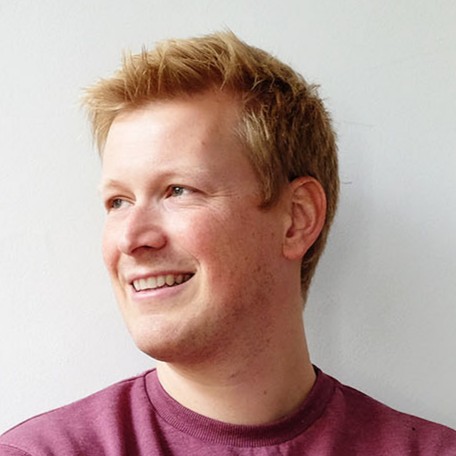
Sander Wuyts is co-founder and CEO of ImmuneWatch, a company he co-founded in September 2021. ImmuneWatch is a spin-off of the University of Antwerp and Antwerp University Hospital that emerged from the AUDACIS consortium, where immunologists worked with biodata scientists. The company develops software and databases to identify and annotate T-cell receptor specificity. ImmuneWatch BV is based at Lange Gasthuisstraat in Antwerp. His co-founders are Pieter Meysman (CTO), Tom Bosschaerts (COO), Kris Laukens (board member) and Benson Ogunjimi (scientific advisor). Under Wuyts the company received a €130,000 VLAIO development grant in September 2022, a €94,000 innovation grant from the city of Antwerp in March 2023 and Horizon Europe funding through the CAPTIVATE malaria vaccine project in October 2023. ImmuneWatch was named a Deep Tech Pioneer by Hello Tomorrow in 2022, its DETECT model achieved top performance in the IMMREP23 benchmark competition, it won the One to Watch 2025 award at the Antwerp Innovation Night, and it received a European Commission Seal of Excellence in February 2026. In August 2026 the company appointed Catherine Sanders and Jurgen Del Favero to its board. DETECT is used in Phase 1 oncology trials at single-cell resolution, and the company partners with Quantoom Biosciences and UAntwerp on vaccine response prediction. Institutions using the platform include the University of Antwerp, IDIBELL in Barcelona and the National Center for Cancer Immune Therapy in Denmark.
Career history

Insights & ideas
The through-line
Across these posts, Sander Wuyts describes a deliberate shift from bench scientist to business builder. He says plainly that when he started ImmuneWatch he "was still very much a researcher. Head down in the analysis," but that "is not really my day anymore" [3]. What has replaced it is a preoccupation with turning TCR sequencing from a research curiosity into something clinically and commercially usable: he keeps returning to the idea that raw repertoire data is only valuable once it is translated into "actionable immune signals" [11] and "a real answer about what your T cells are responding to" [4]. The throughline is translation, of technology into product, of academic depth into commercial capability, and of dense TCR data into a clinical story clinicians and biopharma partners can act on.
On moving from researcher to operator
Wuyts is explicit about how his own role changed. He now spends "most of my time on two things: the team, and the ImmuneWatch brand and business development" [3], describing a single day that mixes a podcast recording, a customer discovery call, and other business tasks rather than lab work [3]. He frames this as a positive evolution, noting his "calendar looks less like a lab notebook and more like a mix of everything at once (which is a good thing 😊)" [3]. He also reflects on how far this has taken him from his academic starting point, calling an invited talk at Cambridge "another thing that I did not really expect to happen 5 years ago when I transitioned from academia to startup life" [15].
On building commercial strength around deep science
Wuyts is candid that spinning out of a university lab gives "a lot of deep scientific knowledge" but only "a thin layer of commercial experience," and describes actively working to fix that imbalance [2]. His solution was structural: opening the board to outsiders, bringing in people with "over a decade in commercial roles in immune repertoire profiling" and a co-founder who "built" one of "Belgium's most successful spin-outs" at the same university [2]. This same instinct for combining scientific depth with market development runs through the QIAGEN partnership, where ImmuneWatch handles "clonotype clustering, antigen annotations and the full repertoire analysis" while QIAGEN covers the wet-lab side [4], and through his framing of ImmuneWatch's tools (ClusTCR, DETECT) as products born directly out of repetitive service work: "doing the same thing over and over again is boring, we decided to automate some of these steps" [6].
On what TCR sequencing can reveal
A recurring conviction is that TCR sequencing unlocks information that would otherwise stay hidden. He writes that "there's so much stuff hiding in your PBMCs" and that sequencing can answer "what's my T-cell diversity, are they expanding, what are they reacting to" [5]. He backs this with concrete results: running DETECT on 150+ repertoires from a type 1 diabetes study, insulin "emerged as the dominant antigen with 30,000+ TCRs scoring against it," alongside signal from "classic T1D autoantigens ZnT8 and GAD65" [8]. In an oncology collaboration with TREOS BIO, he highlights that TCR annotation showed "vaccine-specific T cells had trafficked into the tumour," and that the immune response had spread to "targets not in the vaccine at all: KRAS mutations, RNF43, NY-ESO-1, MART1" [12]. He also aligns his mission with the broader field, agreeing "completely" with a Nature Reviews Immunology paper's claim that paired TCR sequencing is "generating antigen-specific TCR datasets that can serve as durable reference libraries" [10], adding that this is "exactly the kind of tech we are building to power the next generation of therapies" [10].
On lowering the barrier to entry for labs
Wuyts frames access to TCR sequencing as a barrier problem, not just a science problem. He describes the workflow from "sample to a real answer" as "a daunting task stitching together several wet-lab technologies" [4], and positions the QIAGEN grant, funding "the full TCR sequencing and analysis workflow, free, for up to 4 projects" split between academic and biopharma applicants [4][5][7], as a direct response to that. He is visibly enthusiastic about the reach of this effort, joking he made "a little flag" to mark the announcement [7] and noting with surprise that QIAGEN "put us on their homepage" [4], something he says "was not on my 'expectations list'" when he started the company [4].
From the stage
In a podcast interview, Wuyts discusses a topic entirely absent from his written posts: Nick Goldman's proof of concept at the European Bioinformatics Institute showing that computer files, encoded in binary, could be translated into DNA sequences using a four-base (A, C, G, T) encoding system and physically printed onto DNA molecules, illustrating how data can be hidden inside DNA itself [16].
Takeaways
- ImmuneWatch's founders deliberately added outside commercial expertise to the board, including someone with over a decade of commercial experience in immune repertoire profiling and a co-founder of a successful Belgian spin-out, to offset the lab's deep-science-but-thin-commercial-experience starting point [2].
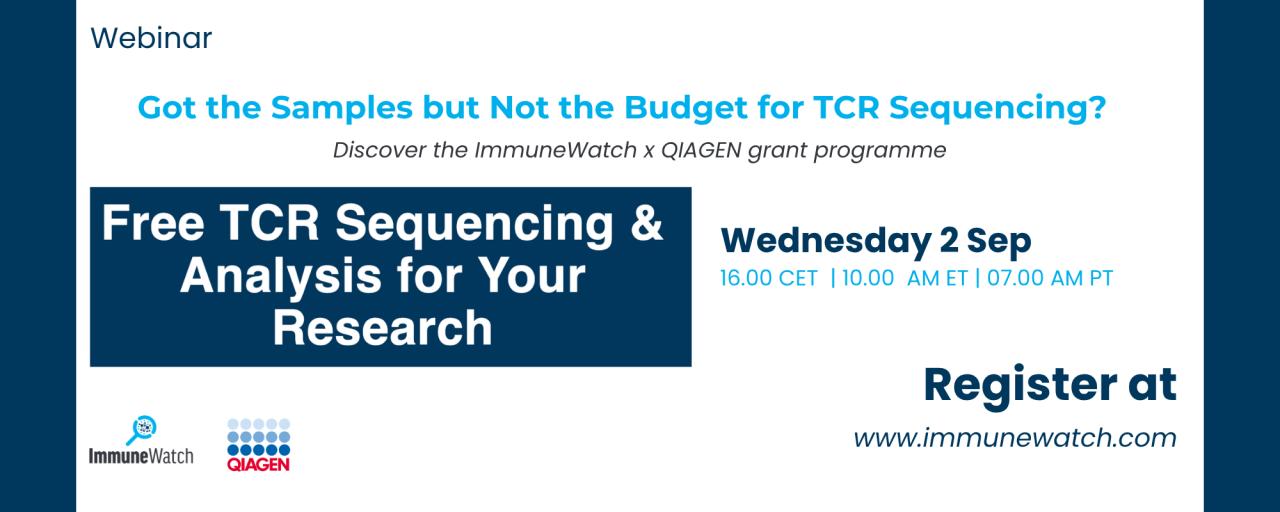
- The QIAGEN partnership offers a concrete, no-cost path for labs to test TCR sequencing: full RNA extraction, library prep, sequencing, and ImmuneWatch's clonotype clustering and antigen annotation, for 2 academic and 2 biopharma projects per round [4][5][7].
- ImmuneWatch's DETECT tool has produced clinically interesting findings in real studies: insulin as the dominant antigen in a T1D cohort with over 30,000 scoring TCRs [8], and evidence of vaccine-driven, tumor-trafficking T cells whose targets spread beyond the vaccine antigens in a colorectal cancer trial [12].
- Wuyts sees ClusTCR and DETECT-based products, like the new ImmuneWatch Analyser, as emerging directly from repetitive patterns in service work rather than being planned top-down [6].
- His personal role has moved almost entirely away from hands-on analysis toward team-building and business development, a shift he describes as intentional and positive [3].
Media & appearances
- Julius MoormanYouTubeI found a Bitcoin hidden inside DNASander Wuyts discusses how Nick Goldman from the European Bioinformatics Institute created a proof of concept demonstrating that computer files encoded in binary (zeros and ones) could be translated into DNA sequences using a four-base encoding system (A, C, G, T) and physically printed onto DNA molecules.
In the news
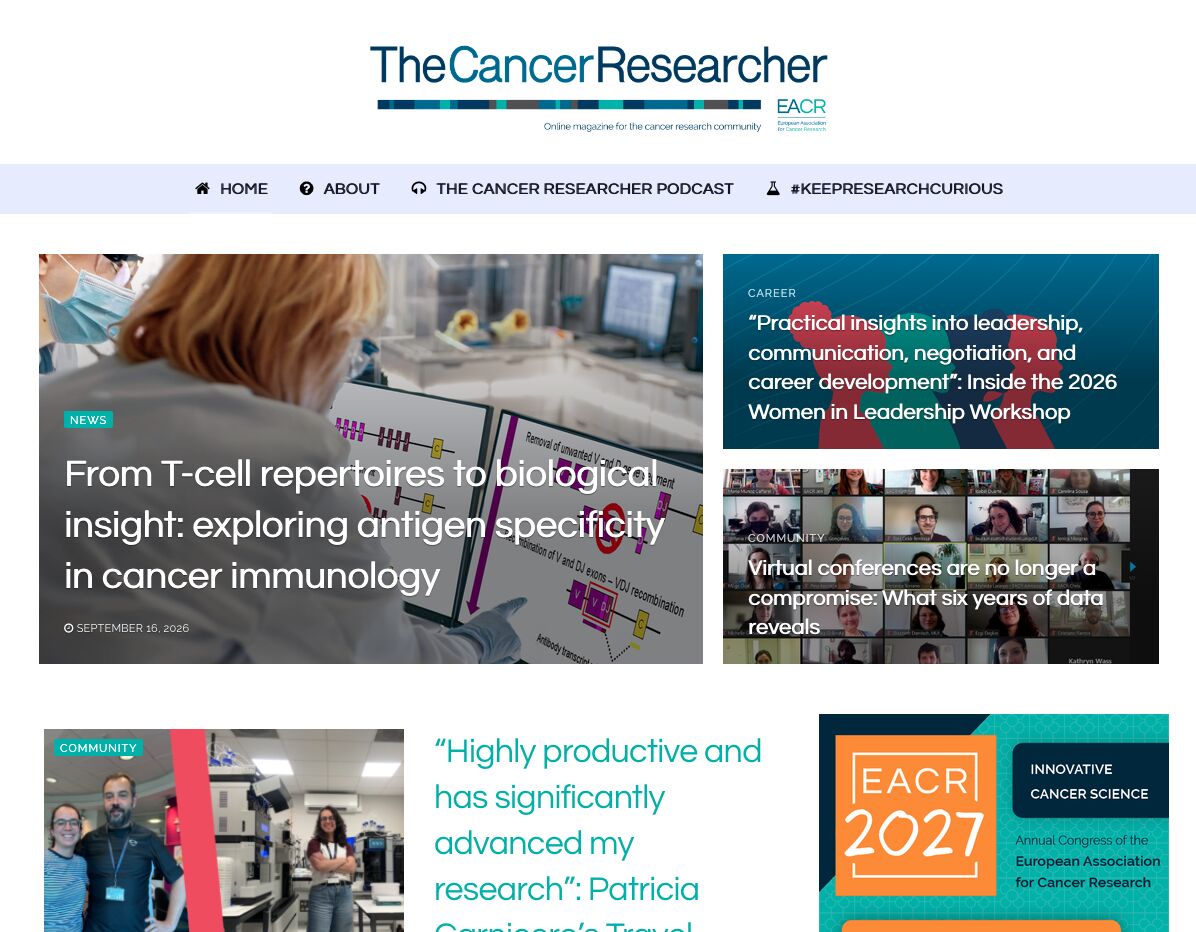
- Look who's featured on TheCancerResearcher home page 😎 Read more on how we turn T-cell repertoires into biological insights: https://lnkd.in/e7r8Y4XS
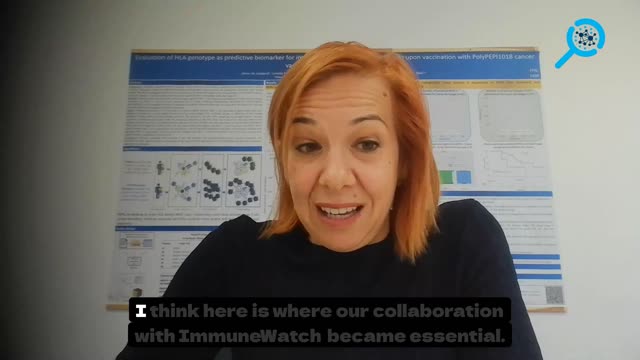
- A few years ago, this question couldn't be answered at all. Eniko Toke, PhD, CSO and co-founder of TREOS THERAPEUTICS, is talking about T cell specificity Knowing not just that T cells showed up in a treated tumour, but exactly what they're reacting to. That's what advanced TCR sequencing and repertoire analysis made possible for TREOS THERAPEUTICS's collaboration with ImmuneWatch, annotating T cells inside patient tumours well enough to tell vaccine-induced responses apart from bystander activity. A capability that didn't exist a
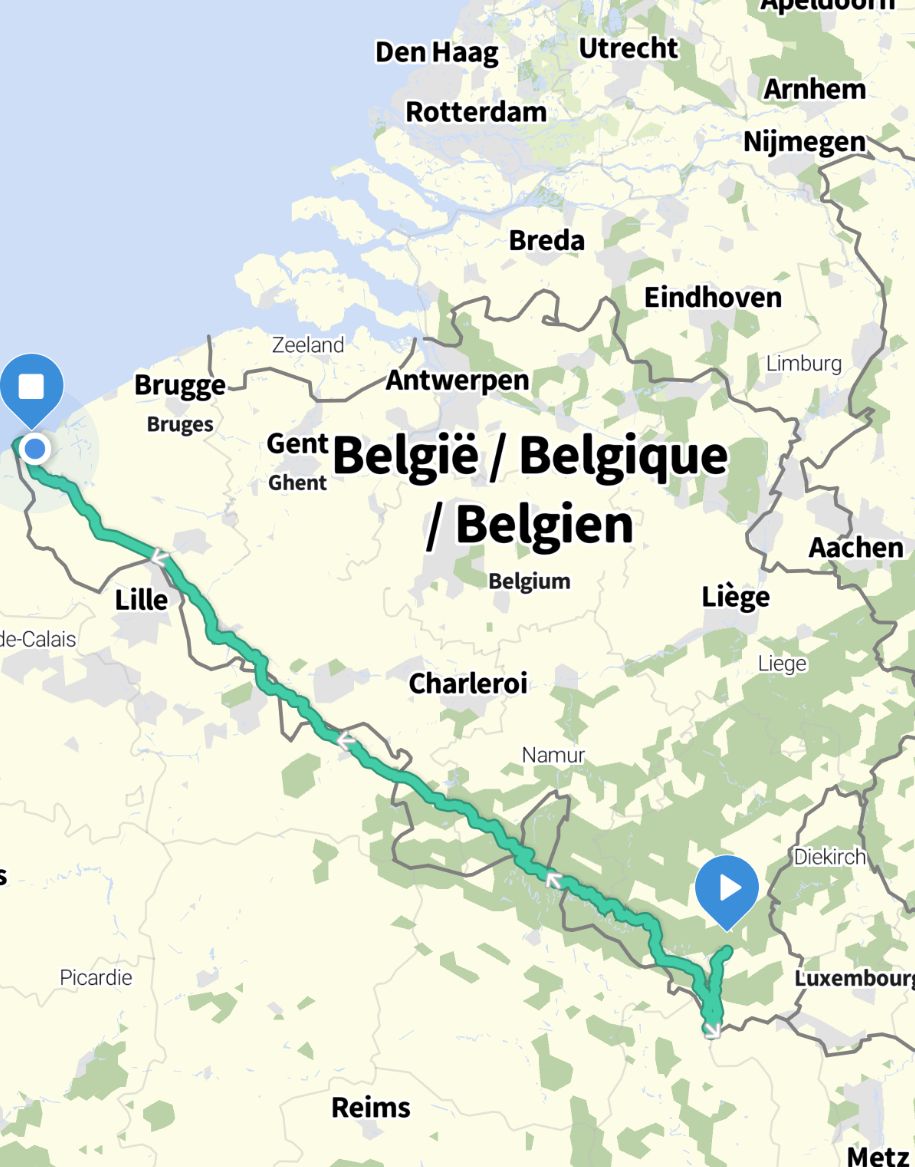
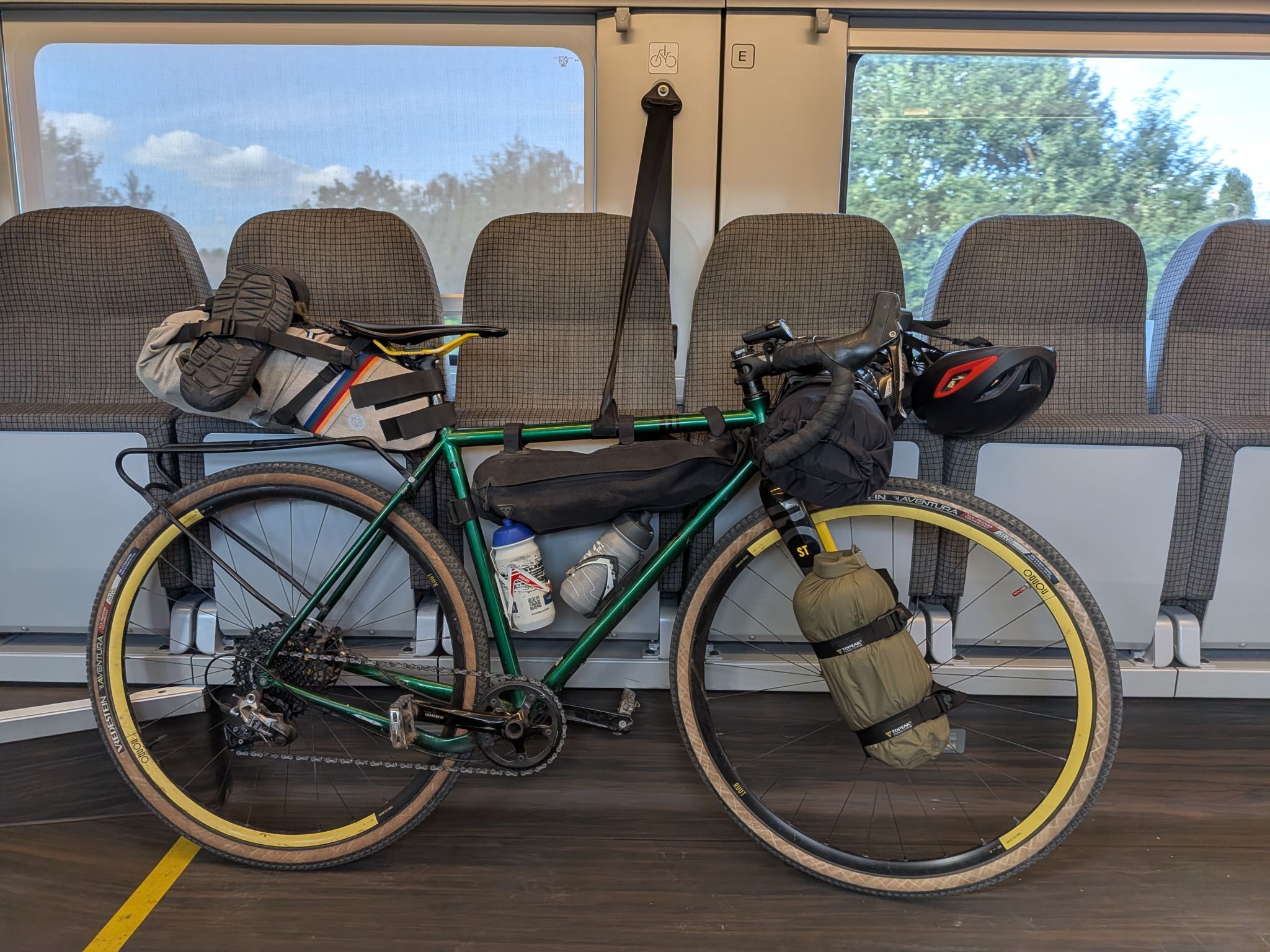
- I spent the last 3.5 days living on my bike; cycling from the most Southern point of Belgium (Torgny) to the most Western part (De Panne). 400 Km - 4300 hm - 27h on the saddle on as many unpaved roads as we could find with a fully packed gravel bike and sleeping in a tent at the end of the day. Sorry to disappoint many here on the platform but I learned nothing about leadership, B2B sales or switching to an agentic-structured-AI-first-company. I did have a damn nice time going back to basics and pushing our own physical limits 😎
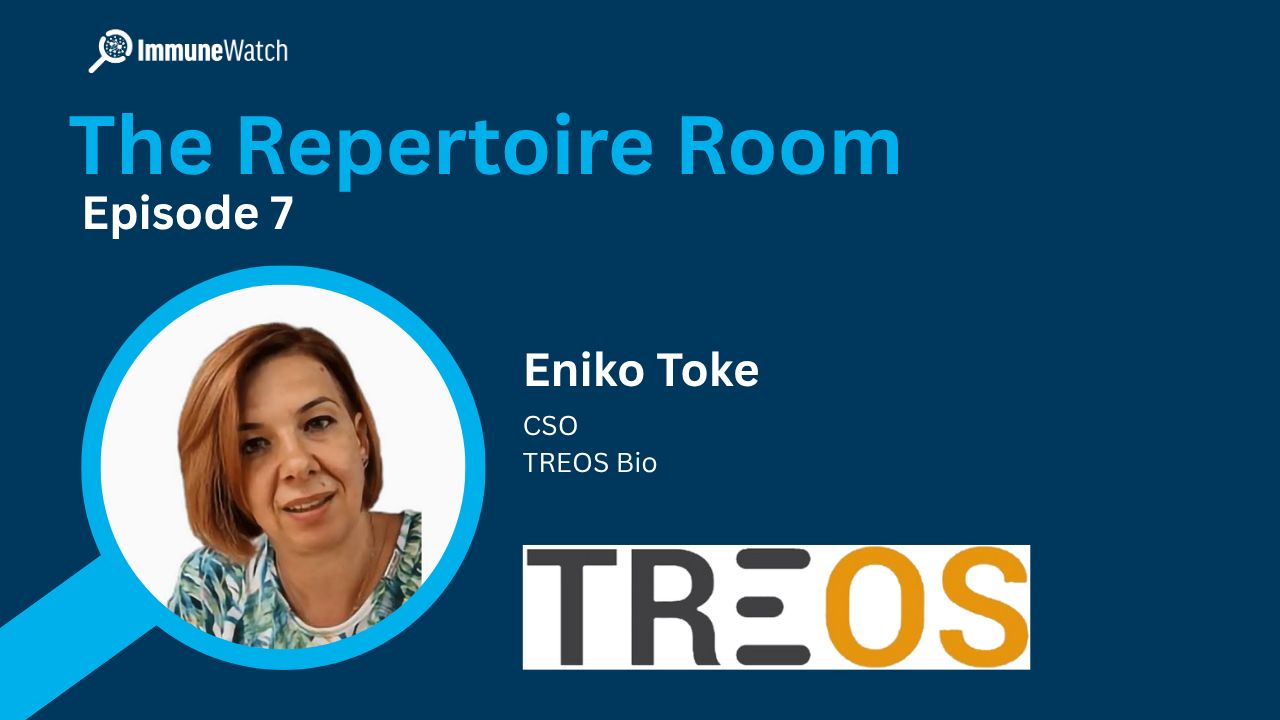
- I recorded a podcast with a cancer vaccine developer on the same day that Moderna/Merck announced their positive melanoma cancer vaccine results. A couple of weeks ago I sat down with Eniko Toke, PhD, CSO and co-founder of TREOS THERAPEUTICS. TREOS designed PolyPEPI1018, an off-the-shelf peptide vaccine, to trigger T cell responses against 7 shared tumour antigens in MSS metastatic colorectal cancer, tumours that are notoriously cold and resistant to checkpoint inhibitors. We chatted about their vaccine design, their Phase 2 trial
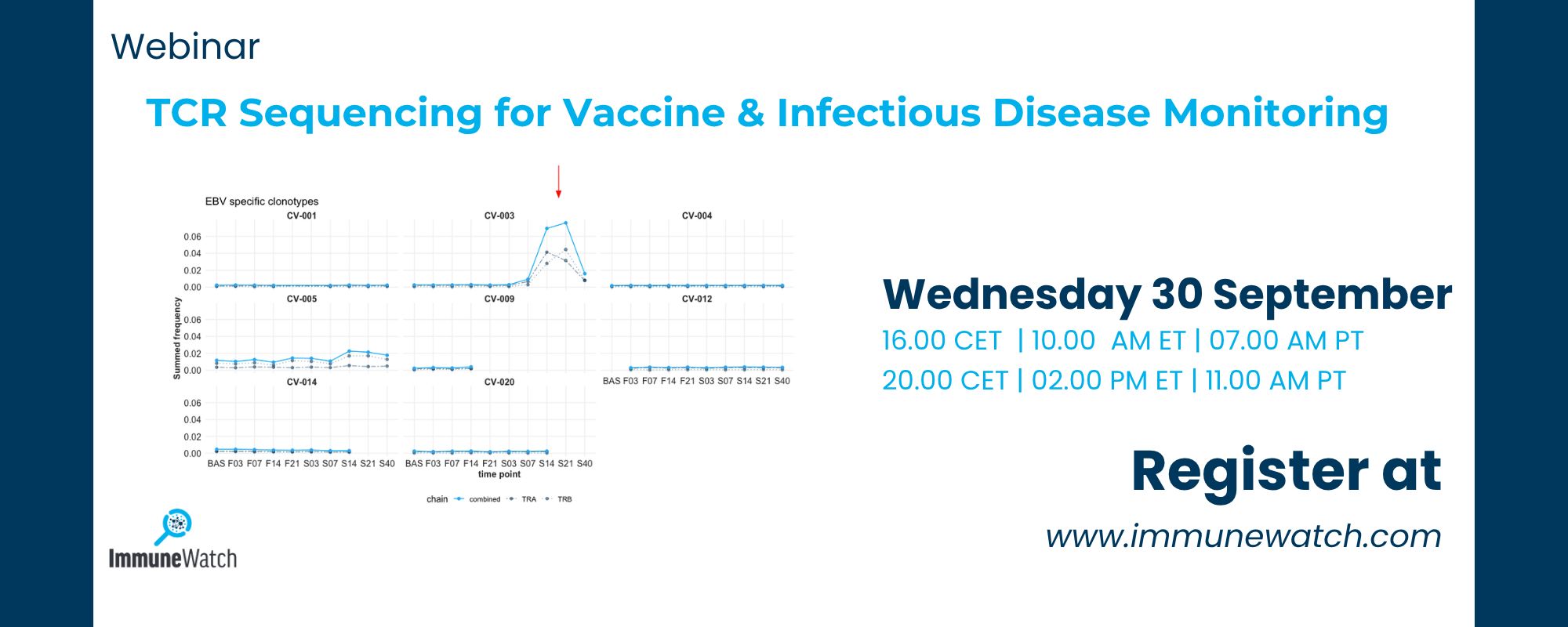
- Most infectious disease vaccine studies still lean on antibody titres as the main readout. I know I am biased, but hey that that only tells half the story. TCR sequencing shows you the T-cell side directly: which antigen-specific clones expanded, when, and how strongly. That matters because T-cell immunity often lasts longer than antibody levels, and some cases it's the better predictor of actual protection. It also gives you a much more specific signal than a titre number. You can see the exact clonotypes doing the work, track them
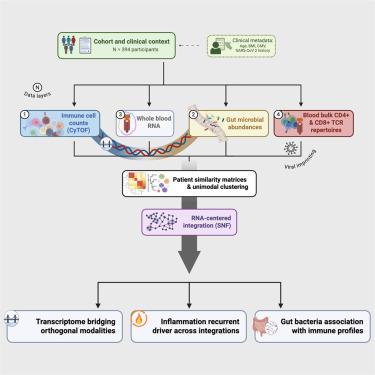
- I spent several years in microbiome research before co-founding a company built entirely around T cell receptor sequencing. A recent Cell Reports paper from the University of Antwerp brings both field together. But maybe not with expected results... The team profiled 394 individuals across five data layers, including gut bacteria, blood immune cell composition, whole blood transcriptomics and TCR repertoires. The expectation was that gut microbiome type would shape immune profile. It actually didn't. The two turned out to be
- Last chance to register for our collaborative webinar with QIAGEN to learn more about our free TCR sequencing grant. https://lnkd.in/eNUBxi2x
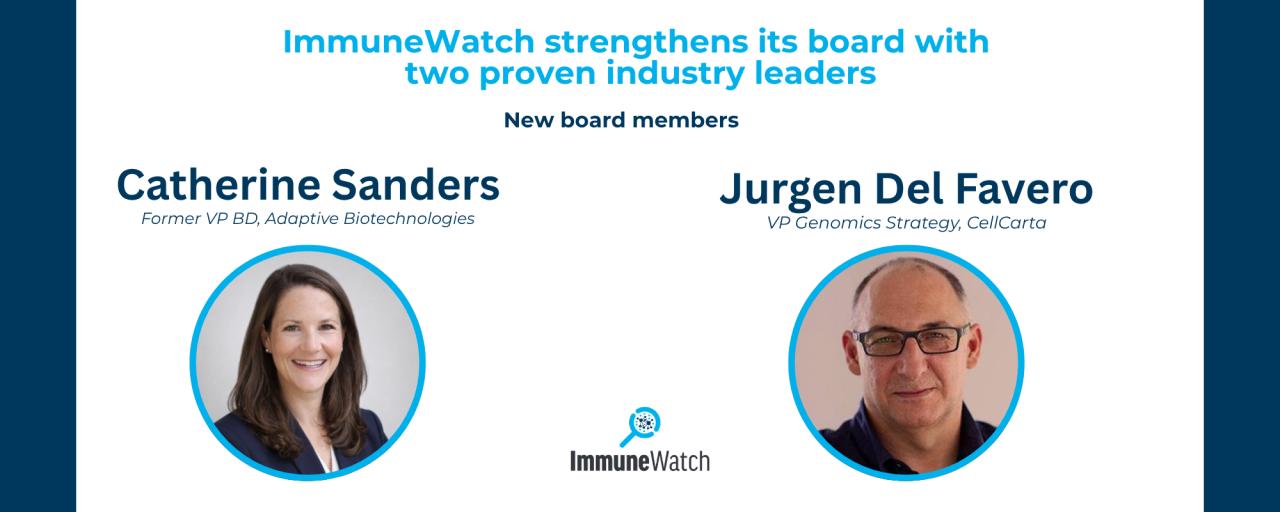
- ImmuneWatch is pleased to welcome two new external members to its board: Catherine Sanders and Jurgen Del Favero. Catherine Sanders is an immunopathologist with over 20 years in biotech, including senior commercial roles at Adaptive Biotechnologies. She is Chief Business Officer at iOrganBio. Jurgen Del Favero is a scientific founder and former CTO of Multiplicom, one of Belgium's most successful biotech spin-outs. He now leads genomics strategy at CellCarta. "Adding two board members with proven commercial and R&D track records is
This page shows public professional information only, each fact cited. Is this you? send a correction, or ask for removal within 24 hours, no questions asked.