Overview
Ben Van Delm is a co-founder of Horizon Solutions, where he has been Chief Customer Officer since April 2024. He is based in Antwerp.
Before that he worked at Logility, first as Sales & Customer Manager from September 2022 and then as Customer Manager from September 2023, until February 2024. He was Operations Manager at Hylyght between July 2021 and October 2022, and held the same role at Sports Tech Research Network from June 2020 to October 2021. Earlier positions include showroom sales and inventory at Rogue Fitness, customer service at Mazda Motor Europe, a visiting associate role at Boston Consulting Group in 2019, a teaching assistantship at the Faculty of Business and Economics of the University of Antwerp, and tutoring for Studant vzw from 2016 to 2018.
He studied Applied Economic Sciences: Business Economics at the University of Antwerp from 2015 to 2018, spent 2017 at Singapore Management University, and took a master's in management at Louvain School of Management and through CEMS between 2018 and 2020, including a master in management in logistics at the Indian Institute of Management, Calcutta in 2019.
Career history

In the news
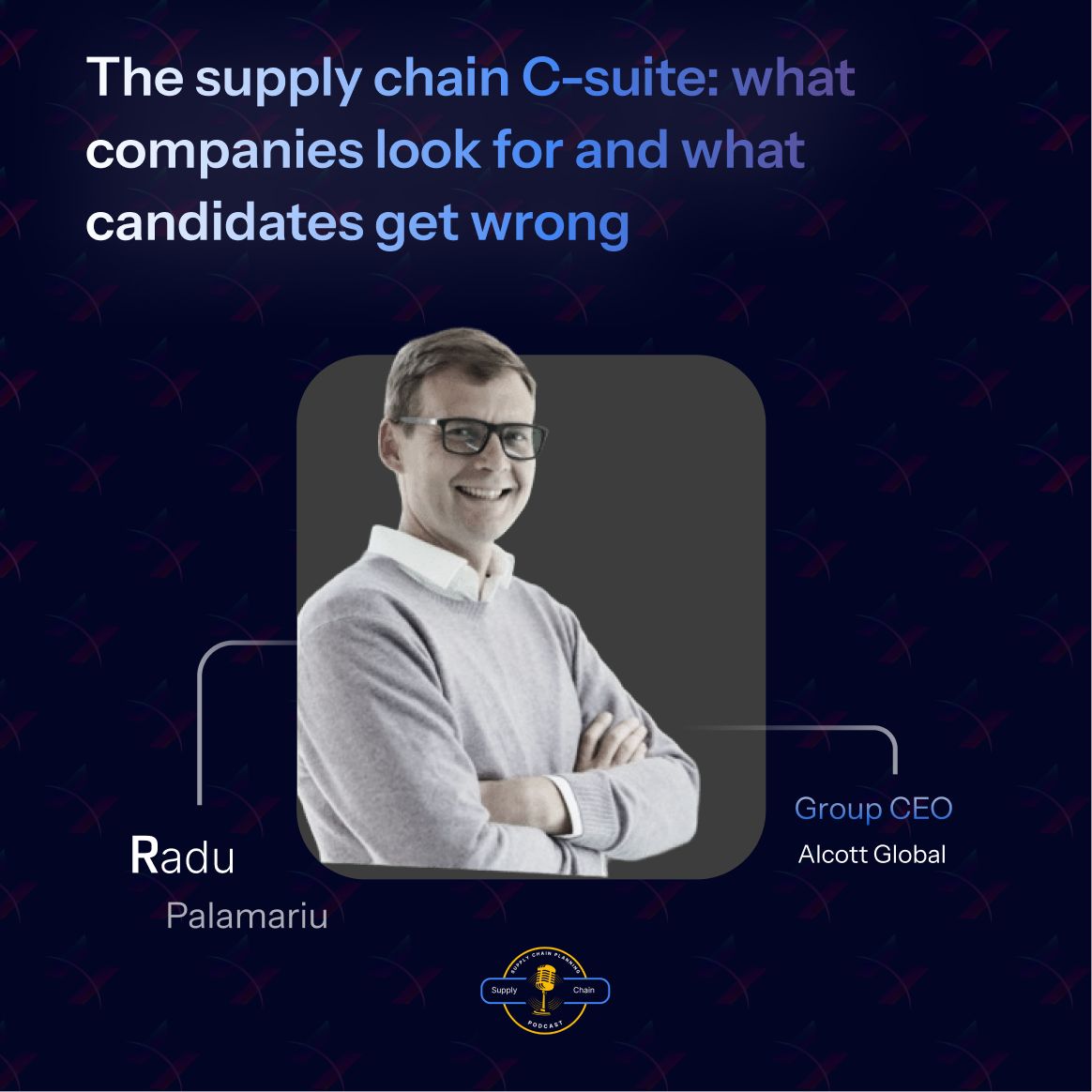
- If you have ambitions to grow into a senior leadership role in supply chain, this one is a must-listen. 🎙️ For this episode, Wim and I spoke with Radu Palamariu, Group CEO of Alcott Global and co-author of From Source to Sold, someone who has spent 15 years placing C-suite supply chain leaders across the globe and sees patterns very clearly. 2 of the many things that stuck with me: - Results are a hygiene factor: Yes, you need them but they only get you in the room. The conversation will be about your specific story and your
- If you want to keep your best people, stop making them wait for permission to try new things. Everyone I meet is talking about new technology in supply chain: the ROI, the business case, AI. Almost no one is talking about what it does for retention. Here's what I see across clients: technology now moves in weeks, not years. Testing a new forecasting approach or piloting an AI-driven planning tool doesn't require a multi-year project anymore. Yet I've watched companies "evaluate" a new tool for 8 months without ever deciding.
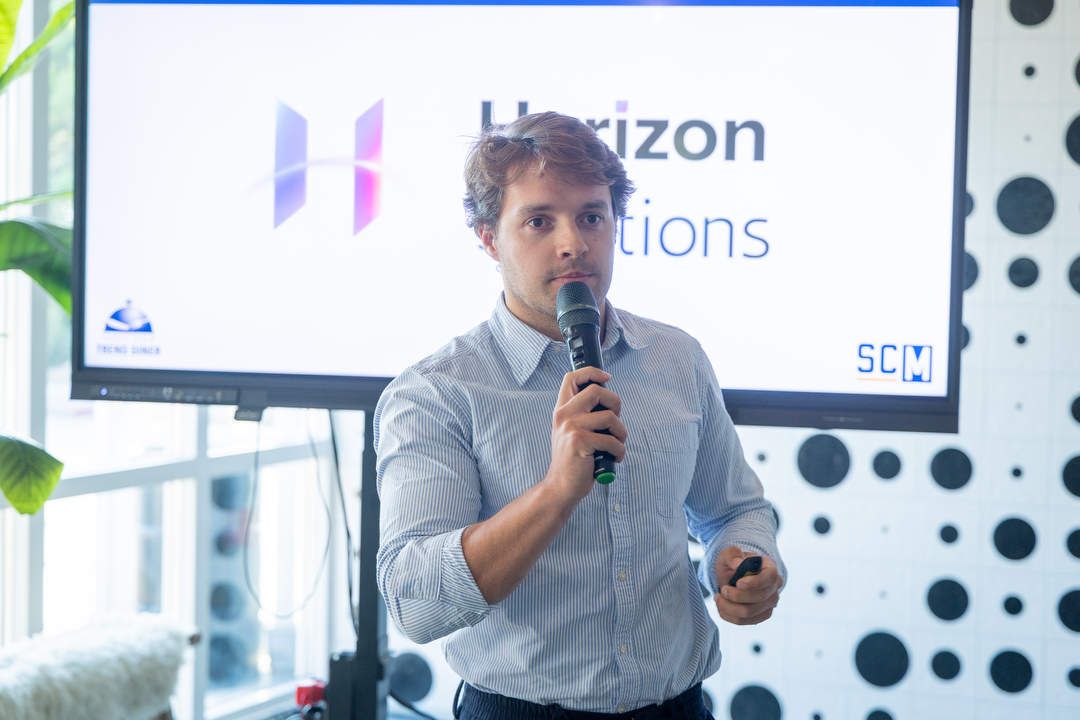
- More than 2 years ago, Horizon Solutions was just two people and an idea that several people told us was too hard to build unless we had a company with hundreds of people. I'll spare everyone all the details for now, but with the necessary ups and downs, we are now serving 130 planners across customers in 9 countries, in 7 different industries, with 6 different modules, with a team of 19 and roughly €4B in revenue planned on the platform. Is this what I had hoped? No, actually, but that probably only proves that I have to work more
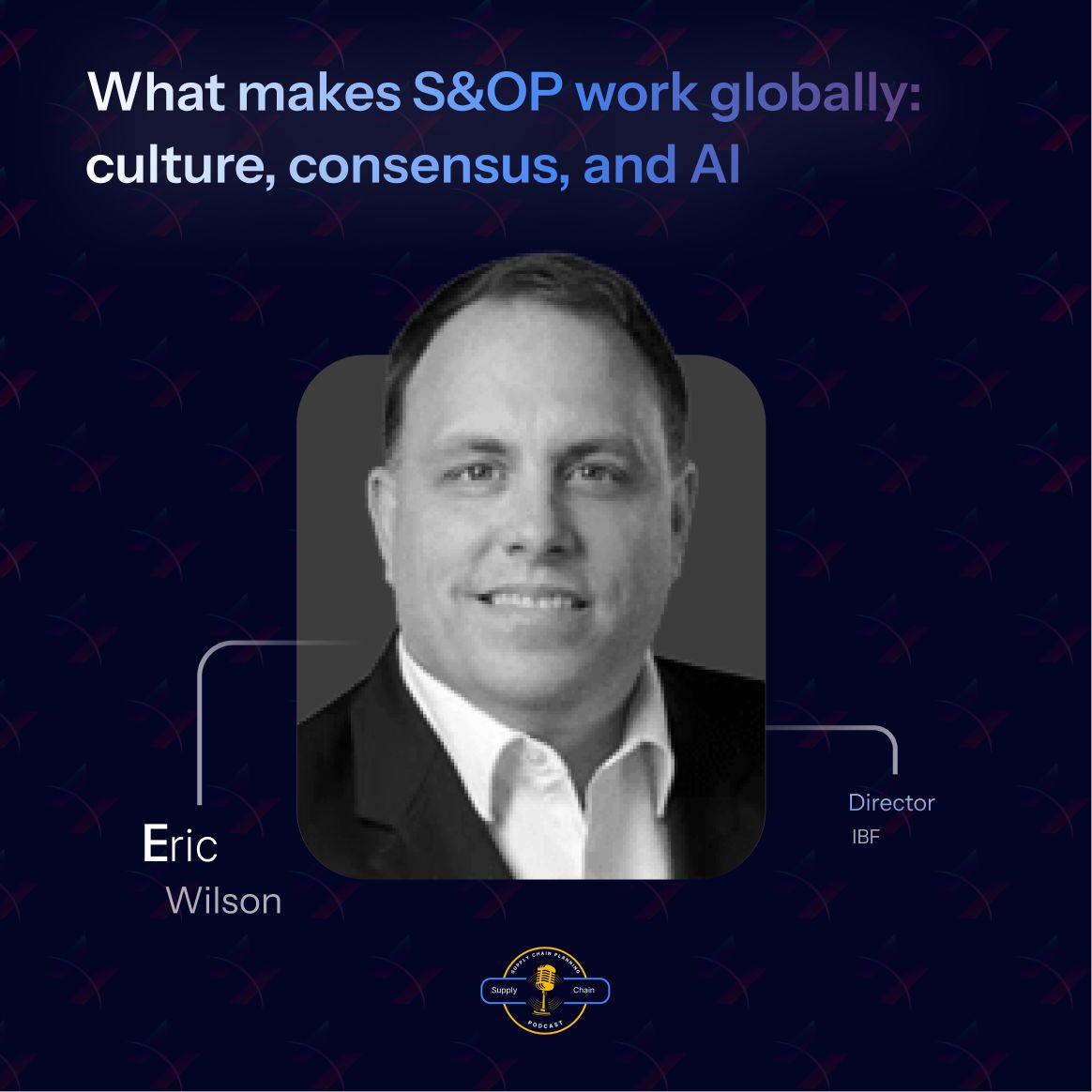
- For this episode of the Supply Chain Planning Podcast, Wim Farasyn and I spoke with Eric Wilson, who has 25+ years across S&OP, demand planning, and forecasting, and is now one of the leading voices on the educational side through the Institute of Business Forecasting & Planning (IBF). Eric recently published Beyond Borders, which combines two things that rarely get discussed together: S&OP and culture. And it makes for a fascinating conversation. What stuck with me: Culture is the silent killer of S&OP (and many other things!).
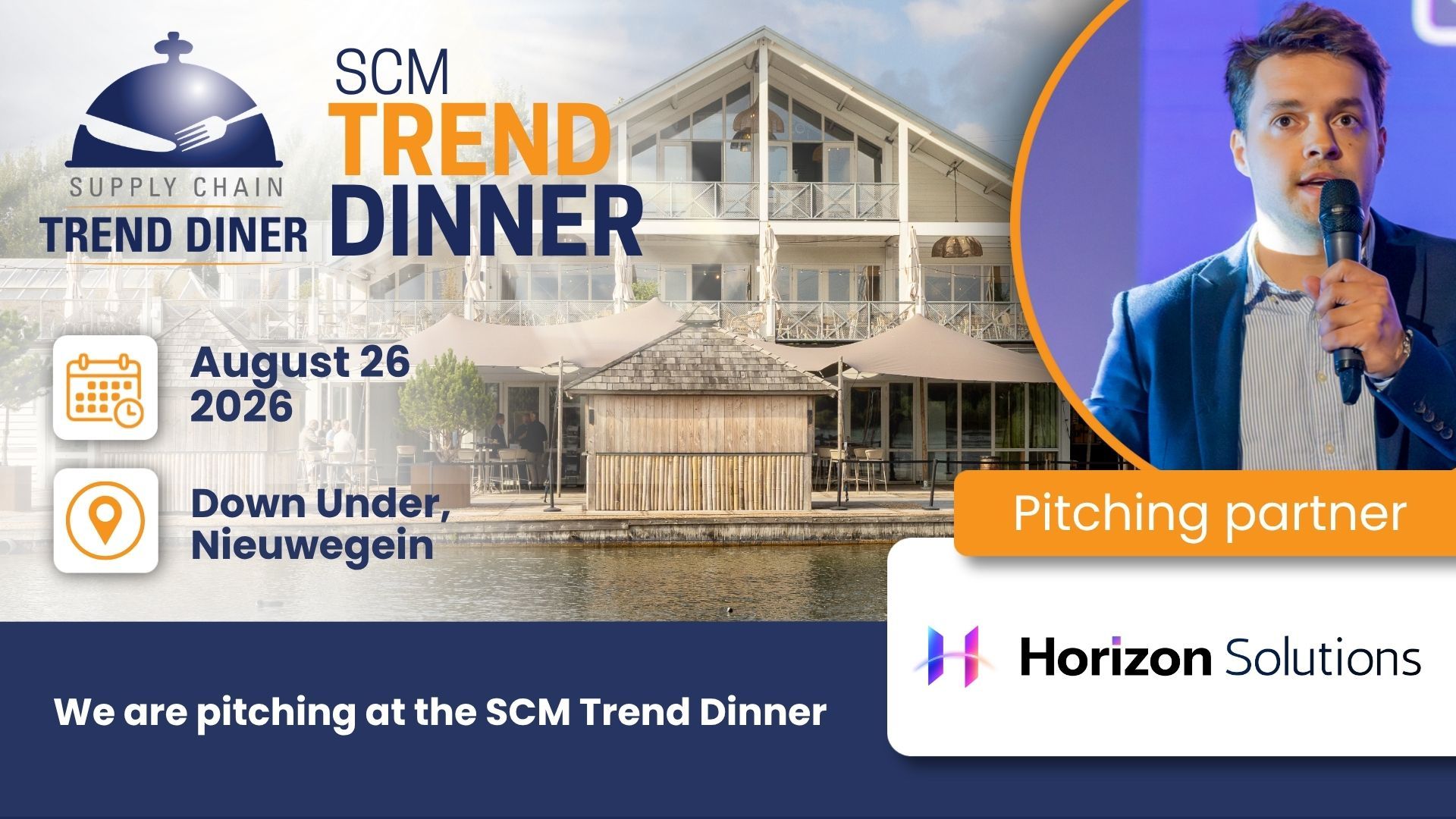
- Dirk Van Ginderachter and I will be presenting the key trends we see in supply chain planning during Supply Chain Media's Trend Dinner on August 26th. If you want to join, let me know. #supplychain #planning
- SAP IBP for demand planning doesn't win because it's the best fit for planners. It more often than not wins because procurement already has an SAP contract. Planners then go with it, and they spend the next year and a half rebuilding Excel workarounds around it, because changing one parameter needs a consultant and a change request. The tool that wins the RFP is not the tool that ends up getting used. This isn't really only about SAP, but it's what happens whenever procurement criteria are written around "fits our existing landscape"

- Many organizations I talk to say that digital transformation is a priority, but when they tell me about where their tech budget (& people's time!) actually goes, upgrading the ERP seems like the biggest project. This "transformation" budget is mostly ERP maintenance wearing a strategic label. It's what happens when the biggest, most expensive, most political system in the building gets first claim on every budget cycle by default, while the project that would actually change how people plan or do other important things gets
- Really cool to see this tool from Preciq Limited in action across different systems to reduce the implementation time! If you're implementing a system, I suggest reaching out to Alex Young to try it out.
Related profiles

This page shows public professional information only, each fact cited. Is this you? send a correction, or ask for removal within 24 hours, no questions asked.