
Overview
Jonas Mets is a co-founder of Koalify, where he has worked on HubSpot RevOps since December 2023. He is based in Ghent. He has also been a freelance HubSpot administrator at Sprocketeer since January 2023.
From February 2016 to January 2023 he worked at Teamleader, joining as an account manager and moving on to customer success project manager in February 2018, head of data and operations in December 2018, and VP of data and operations in July 2021. Before that he was a project consultant at TriFinance from September 2014 to January 2016. Earlier he co-founded Instadeal BVBA, from April 2013 to March 2014, and Royal Events - Free Poker Tournaments, from January 2010 to May 2012.
Mets studied business engineering at Ghent University, completing a bachelor's degree in 2012 and a master's degree in 2014, with a master's year at the Prague University of Economics and Business in 2012 and 2013. He attended Sint-Lodewijkscollege Brugge, in Latin-Mathematics, from 2003 to 2009.
Career history

Insights & ideas
The through-line
Across nearly every post, Jonas Mets returns to one idea: dirty data in HubSpot is not a one-time cleanup job but a compounding, ongoing problem, and the fix has to live inside the platform itself rather than bolted on around it. He frames invalid emails and duplicate records as the two things that "compound everything downstream in HubSpot" [13], and he keeps pointing at the moment teams discover this the hard way, whether it is a sales rep searching "ACME" and getting fifty companies back [3] or a newsletter bounce rate that drops the moment a list is validated first [1]. Over time this preoccupation has widened from a single deduplication app to a broader Koalify product line, a Premier partner status with HubSpot, and, on the podcast, a more personal reflection on focus: the same instinct to stop treating problems as occasional fixes shows up in how he restructured his own work after realizing he was spread too thin [16].
On dirty data
Mets treats invalid emails and duplicates as twin, self-regenerating problems rather than isolated messes. "Invalid emails quietly wreck deliverability, reporting, and campaign performance" while "Duplicates break trust, segmentation, ownership, automation, and attribution usually all at once" [13]. He is explicit that cleanup does not stay clean: "neither one stays fixed on its own," because "the sources that created it (form fills, integrations, enrichment tools, Salesforce sync) never stop running" [13]. His conclusion, echoed from a guest but clearly his own operating view, is that "the best RevOps teams don't treat email hygiene and deduplication as occasional cleanup projects. They treat them as ongoing operational processes" [13]. He also ties this directly to trust on the sales floor: "Before duplicates break your reporting, they break your reps' trust, and once that's gone, nothing downstream works" [3], and to measurable outcomes, noting a newsletter's "0.43% bounce rate... our lowest in years" after validating the list first [1].
On staying inside HubSpot
A recurring design principle in how Mets talks about his own product is that fixes should happen without leaving the CRM. Describing the email validation app, he says it works "through a workflow action or a CRM card, and writes the result straight back to your contact properties," with "No exports. No third-party dashboard. No extra login. Everything happens without leaving HubSpot" [14]. He repeats the same framing for the app's purpose generally: "cleaner emails going in, without leaving HubSpot. That's the whole idea" [5]. Lead deduplication gets the same treatment, built to "work the same as every other object" with detection rules, bulk merge workflows, and merge rules that "decide which property values survive" [6][12].
On messy CRMs
Mets pushes back on the instinct to see every messy HubSpot portal as a failure. "A messy CRM isn't always a failure," he writes, arguing that "early on, efficiency isn't the priority, getting things done is" and "duct tape and good intentions is usually the right call" [8]. What matters, in his view, is timing: "The mess isn't the problem. Missing the moment it flips is, when the shortcut starts costing more than the fix" [8]. He extends this to how consultants should frame their work with clients: inheriting a messy system means "you've caught the company right when the duct tape finally costs more than the fix," not that you're "cleaning up someone's failure" [8].
On integration quality
Mets is skeptical of surface-level integration claims. "It integrates with HubSpot... That's the wrong question," he writes, laying out what should be asked instead: "at what level?", "which object types does it actually cover?", "how often does it update?", and "who owns the association logic" [15]. He credits integration depth, not features or price, as the real decision driver, noting that "how it actually worked under the hood mattered more than anything on the feature sheet" [15].
From the stage
On the RevOps500 Podcast, Mets discusses a personal operating mistake that doesn't appear in his written posts: taking on too many commitments at once, including client project work, building the Qualify app, and a newborn daughter, and how the year improved only after he stopped freelance project work in January and hired a full-time RevOps person to absorb those duties, freeing him to concentrate solely on building Qualify [16].
Takeaways
- Validate email lists before sending, not after; Mets saw a 0.43% bounce rate, his lowest in years, by excluding 60 invalid addresses first [1].
- Treat email hygiene and deduplication as continuous operational processes, not one-off cleanup projects, since the sources of dirty data never stop running [13].
- When evaluating a HubSpot data integration, ask about integration level, object coverage, update frequency, and who owns the association logic rather than settling for "it integrates with HubSpot" [15].
- Don't assume a messy inherited CRM signals failure; the real inflection point is when the shortcut starts costing more than fixing it [8].
- Build fixes to run inside HubSpot itself (workflow actions, CRM cards) rather than requiring exports or third-party dashboards [14].
- Cut down on parallel commitments: Mets attributes his improved focus to dropping freelance work and hiring dedicated help so he could concentrate on one product [16].
Media & appearances
- RevOps500 PodcastYouTubeBuilding a SaaS Startup: Focus, Mistakes & Lessons From a Founder | Jonas De MetsJonas Mets discusses his mistake of lacking focus by taking on too many commitments simultaneously, including project work, building the Qualify HubSpot app, and managing personal responsibilities like a newborn daughter. He explains that this year improved significantly after he stopped freelance project work in January and hired a full-time RevOps person to take over those duties, allowing him to concentrate solely on building Qualify.
In the news
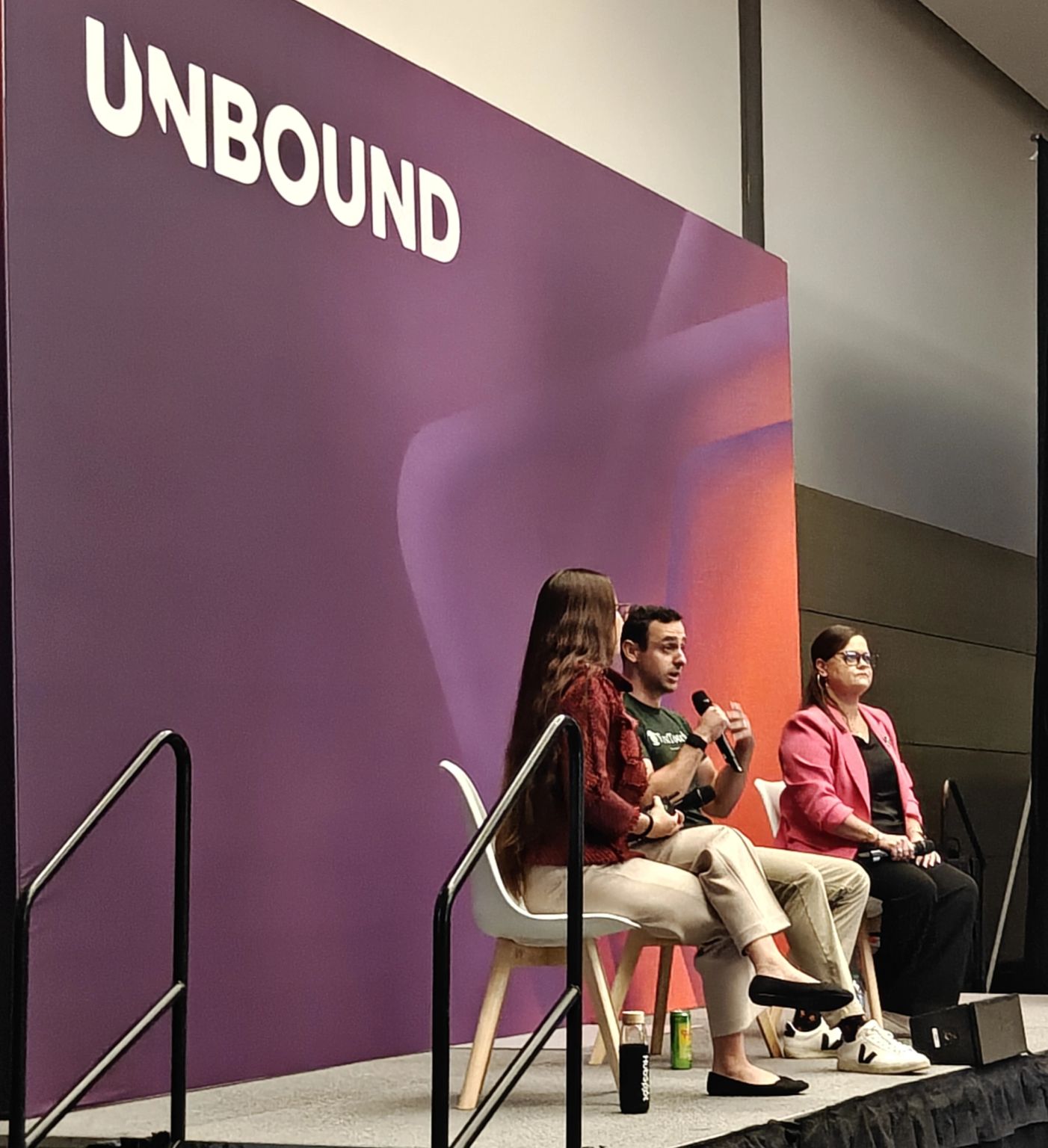
- Front row for Admins Unfiltered at UNBOUND. Three HubSpot admins on stage: Donelle Lockhart Jay Baumgardner ✦ Matthew Alex Ruxton No slides about best practice. Just what it actually takes to run HubSpot. My biggest takeaway: everyone makes mistakes. The merge that shouldn't have run. The beta that broke something. The admin role isn't about never getting it wrong, it's about what you do after. The role gets talked about a lot. It doesn't get talked about honestly all that often. #unbound2026 #unboundinsider2026 #hubspotadmin

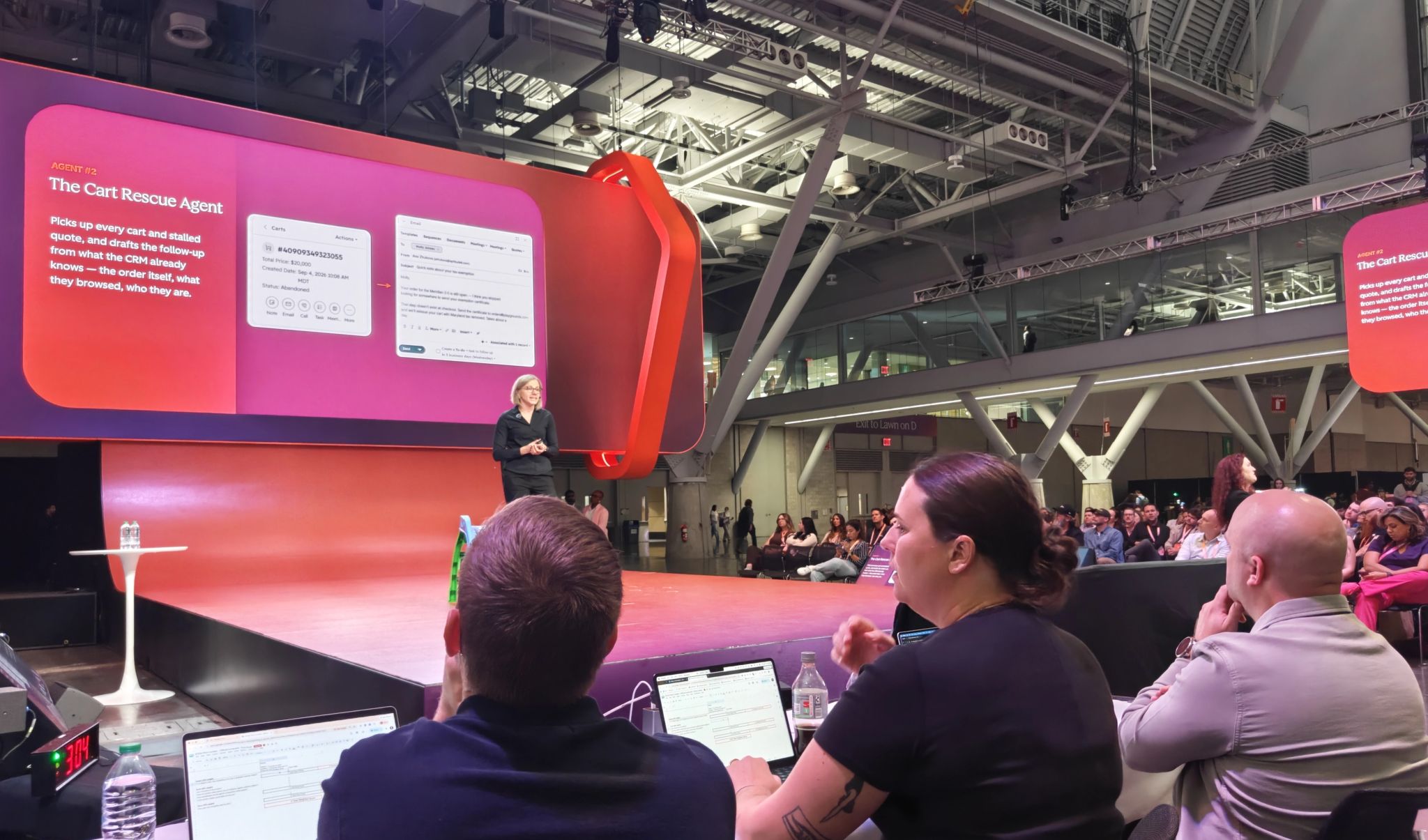
- Got front row seats for Battle of the Builders at UNBOUND! Five HubSpot solutions partners. One stage. $100,000 on the line. Building is the part of HubSpot I like most so I am so excited for this one! Pitching: Sawyer McGuire Rebecca Harris Josh Harcus Jatin Chhabra Anastasia Zhukova Judging: Kyle Poyar Emily Kramer Adam Cuzzort Five AI transformation stories, a running clock, and judges who won't let anything slide. But underneath all of it, it's about building processes. The agents and the AI stories don't hold up without the
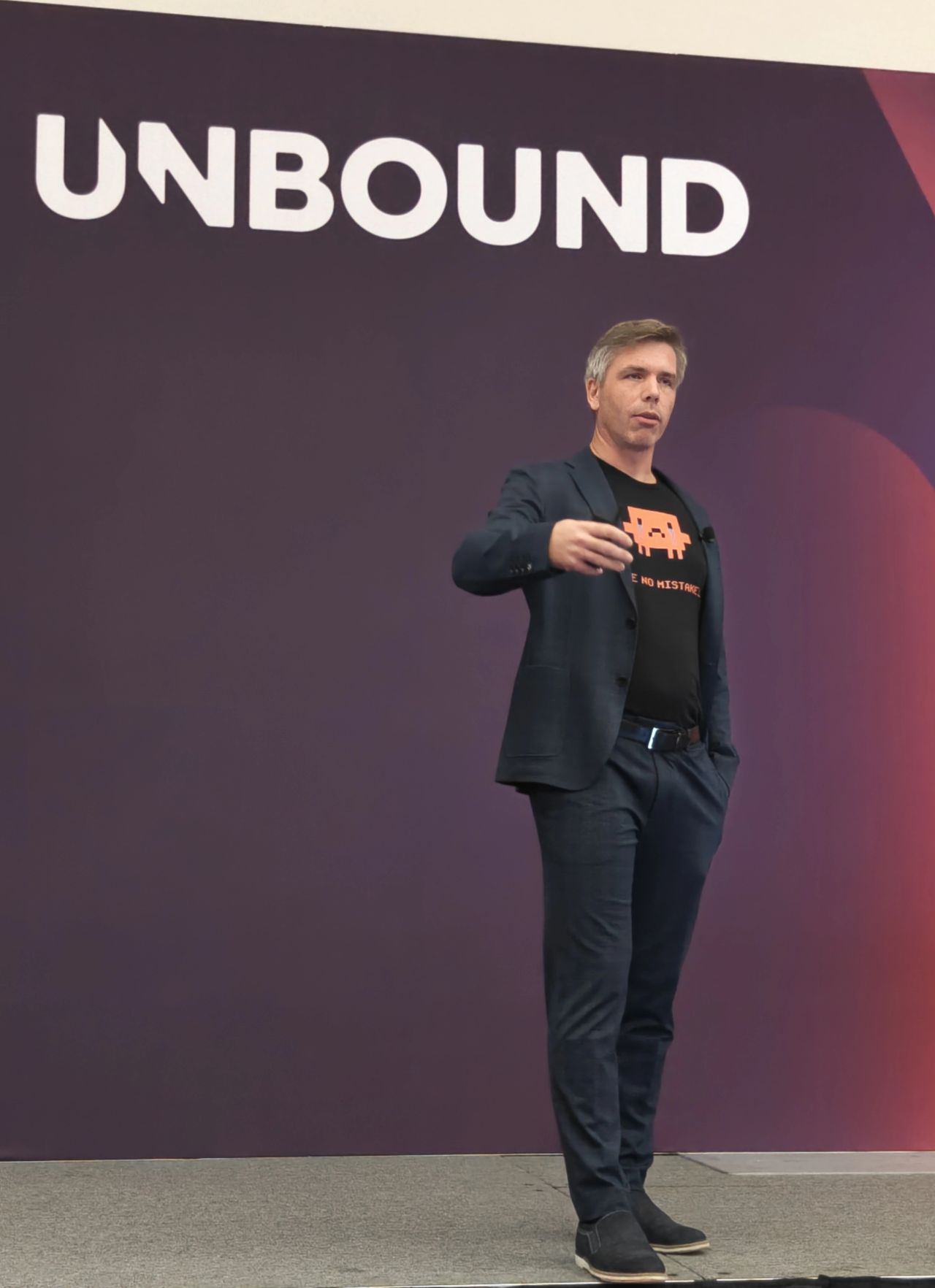
- Do you trust your AI agents completely? At UNBOUND, Nejc (Nates) Škoberne just asked the audience: "Who has an AI agent running right now?" About half the room raised their hands. "Who never has to check what their agent is doing?" Almost no one raised a hand. That's the trust gap. The problem isn't adoption. It's confidence. Until you can trust the output, you haven't really saved the time, you've just moved it from doing the work to checking it. Closing that gap will matter more than adding another agent. Thanks for a sharp session
- Don't use AI. First roW at Xilian Sansoucy's panel with Michael Kurson just now, he asked the audience: "Who logged in to LinkedIn today?" Every hand went up. "Who's connected with someone new in the past 6 months?" Every hand stayed up. "Who's replied to a cold AI message in the past 6 months?" Nearly all the hands came down. Conversations are moving to LinkedIn because it still feels human. And with connections and DMs capped, every message has to earn its place. People are still showing up and still open to talking. They're just
- First day at UNBOUND is almost a wrap! Tim Coppieters and I had a great time connecting with partners at Partner Day! Now looking forward to the next few days. Come say hello if you're here, collect your Koalify 🐨 pin for a chance to win $1,000. #unbound26 #unboundcorrespondent #unstoppable

- Wanna win $1,000 at UNBOUND in Boston next week? We’ve teamed up with some of the best HubSpot App Partners for a little game. 🎯 Collect all 4 pins, earn a gold badge, and get a chance to win $1,000! So make sure to say hi to: Tim Coppieters & myself from Koalify 🐨 Harry Bevan from Weave + Blend James Fyfe from portant.co Bastien Paul from Hublead See you at UNBOUND! 🚀

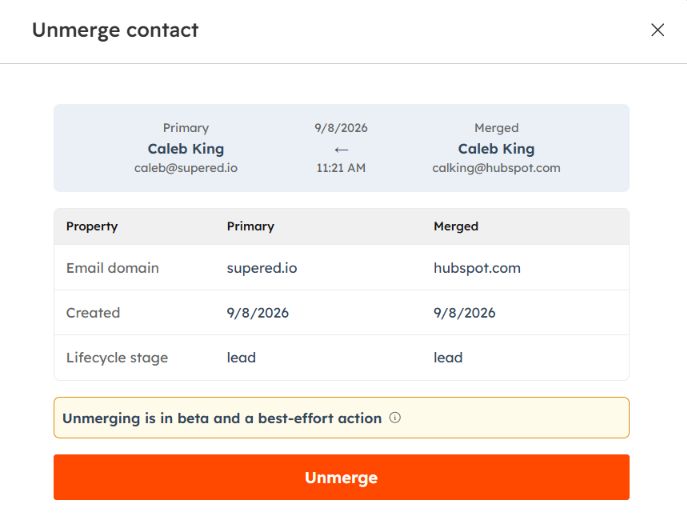
- You can now unmerge in HubSpot! Records that were merged via Koalify 🐨 can be unmerged. For years the honest answer to "can I revert a bad merge?" was "not really." HubSpot has no native unmerge. Once two records became one, that was that. It's the single most common question we get on customer calls. So we built the fix. Here is how it works: - Open the Koalify app event on the merged record. It's the full audit trail: the email addresses on the original records, the rule that flagged them, and how the merge was triggered. You can
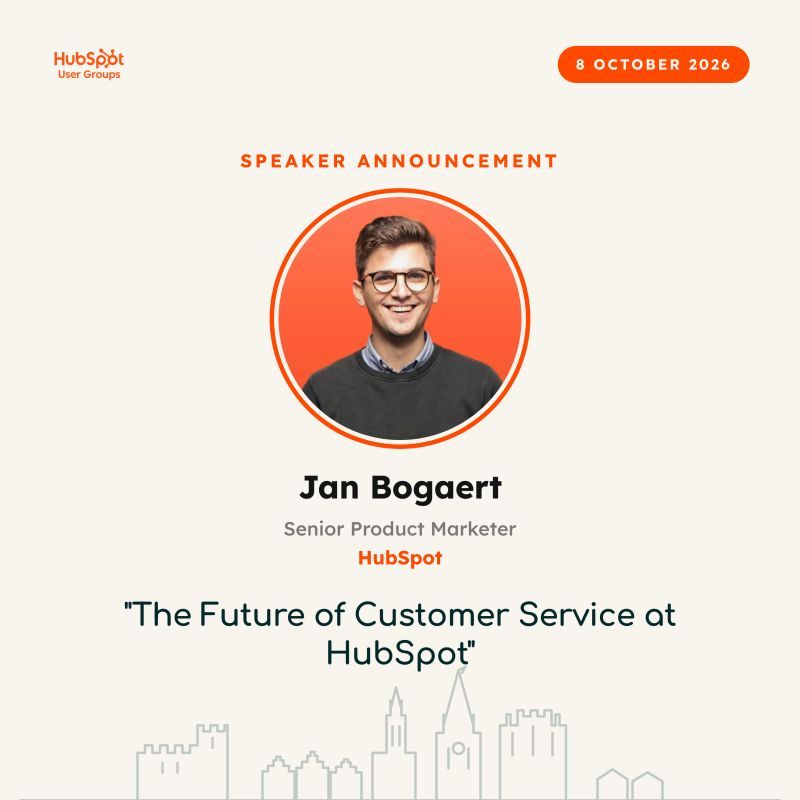
- Can't make it to UNBOUND but still want to meet some other HubSpot admins in person? 👋 Join us for the Belgium HubSpot User Group at the HubSpot office in Ghent. Edition 3 is happening Thursday 8 October an evening with fellow HubSpot admins, RevOps folks, freelancers and partners. Three sessions, cold drinks, good food, and time to swap notes with your peers. One session I'm especially looking forward to: 🎤 What's new in Service Hub: Jan Bogaert (HubSpot), straight from UNBOUND on the latest Service Hub and customer agent
Related profiles
This page shows public professional information only, each fact cited. Is this you? send a correction, or ask for removal within 24 hours, no questions asked.