
Overview
Casneuf studied chemistry and biotechnology at Ghent University and general management at Vlerick. From 2018 onward he took board and advisory roles at StoryChief and The Little Guest Hotels Collection, sat on the board of Netwerk Ondernemen from 2019 to 2023, chaired Foodpairing from 2021 to 2024 and Royal Hermes Hockey club Ronse from 2022 to 2024, and joined the boards of Bizzy, Revend, Crodeon Technologies and Winwinner in 2023. He joined the Syros management board in 2021 and is its CEO.
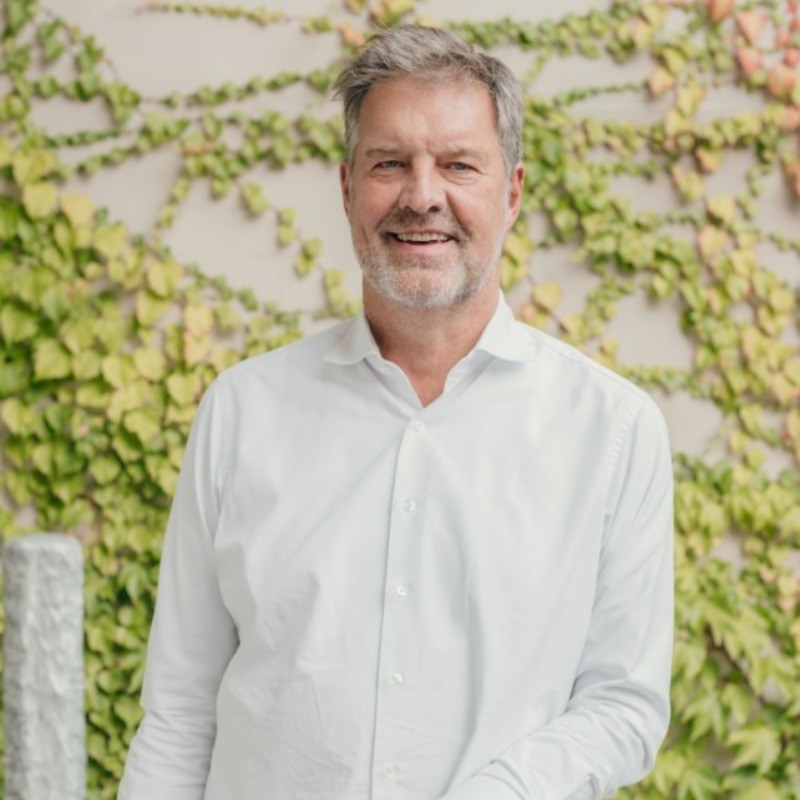
Pieter Casneuf is CEO of Syros, a Belgian producer of chilled and frozen avocado-based products for European supermarkets, restaurant chains and meal box companies. Syros sells under its own name to the professional market and under the Wonky brand to consumers, and also develops private label products. Its head office and production are in Wingene, with a second facility in Ostend. Westfalia Fruit announced its acquisition of Syros in January 2025, and Casneuf has sat on the Syros management board since 2021. Before Syros he was CEO of ADAM Software, a Ghent digital asset management company that Aprimo acquired on March 16, 2017. After the deal he became senior vice president and general manager of Aprimo Smart Content Solutions. At the end of 2005 he and Dirk Noppe set up the holding company PCDN, named after the founders' initials, in the context of ADAM Software. PCDN today holds stakes in Bizzy Fintech, Little Guest, P2P Invest and WinWinner Crowd. He is an advisor to StoryChief and has held board seats at StoryChief and The Little Guest Hotels Collection since 2018 and at Bizzy, Revend, Crodeon Technologies and Winwinner since 2023. He is Entrepreneur in Residence at the Vlerick Business School Entrepreneurship Academy, holds a Master of Science in Chemistry and Biotechnology from Ghent University and a Masters in General Management from Vlerick, and blogs under the pseudonym Nonkel Pier.
Career history
- Co-founder and CEOAdam Softwareacquired by Aprimo
- Advisor and early investorStoryChief
- CEOSyros
- Faculty / mentorVlerick Business School


Insights & ideas
The through-line
Across these posts, Pieter Casneuf keeps returning to one warning: entire professions built on bookkeeping-style work are about to be disrupted, and most people inside those organizations do not yet feel the urgency. He voices this most directly about the fiduciaire (accounting/trust) sector, asking "Zijn alle fiduciaires alert en wakker?" [1] and predicting that "binnen 18 tot 24mnd" every fiduciaire still focused on bookkeeping could be swept aside [5]. Over the course of these posts the diagnosis widens from a sector-specific alarm into a general theory of how AI transforms organizations, with the same underlying belief: technology-driven change is inevitable, denial is common, and the work of actually rebuilding is harder than people expect [5][9].
On fiduciaires and disruption
Casneuf's sharpest and most repeated warning targets the fiduciaire world. He questions whether the industry is paying attention, "Zijn alle fiduciaires alert en wakker?" [1], and pictures a "slagveld" driven by the "zelfde disruptors, zelfde omslag" that hit other sectors, while insiders reassure themselves "Ons overkomt dat niet" [5]. He puts a timeline on it: "Ik ben bang dat we binnen 18 tot 24mnd elke fiduciaire kunnen opscheppen die nog bezig is met boekhouden" [5]. He acknowledges the counterarguments he hears but dismisses them with "welkom in de wereld van vandaag en morgen" [5].
On AI transformation
When he turns to organizations generally, Casneuf frames AI adoption as an operational and structural problem, not a tooling one. Asked why big organizations don't see gains immediately, his answer is that "it is hard work and you have to rebuild the organisation" across "people, their skillset, their willingness to learn," "processes, the redesign of it and the flattening of information, structure and the access to it," and "the systems, DATA first, AI driven, HUMAN" [9]. He contrasts scale effects directly: "The smaller your organisation, the more immediate your AI impact translates to Superlinear productivity. The bigger your organisation is, the slower but more transformational it will be" [9]. He is blunt about the cost of that shift, calling it "Transformation is a bitch. But so hard needed" [9].
On listening and simplicity
Alongside the disruption talk, Casneuf holds a simpler, almost counterweight belief in practical, customer-driven improvement. His advice for learning from top performers is to "Let your customer talk and listen," adding that "Sometimes the simplist things are the best and easiest to set up" [8].
Takeaways
- Fiduciaires still centered on bookkeeping face disruption within 18-24 months, per his own estimate [5].
- AI gains in large organizations are slower because they require rebuilding people, processes, and systems together, not just deploying tools [9].
- Smaller organizations should expect faster, more "superlinear" productivity gains from AI than large ones, which instead face deeper transformation [9].
- Growing organizations need increased security, governance and QA as legacy systems become harder to reconcile with new AI-driven realities [9].
- The simplest practice for improvement is direct: let customers talk and actually listen [8].
In the news
- Een zotte bevlieging van mijn schoonbroer zaterdag voor zijn steun aan #MentalHealth. 65km in rechte lijn de kust afvaren. Iedereen die ooit met wind gevochten heeft, weet dan die 65km een minimum zal zijn. Te gek? Mee met de wind maar elk steuntje in de rug wordt ten zeerste gewaardeerd. Met als nobel doel dat meer mensen hoge golven en diepe dalen kunnen trotseren, als geestelijke gezondheid beter bespreekbaar is. Elk heeft in zijn omgeving de persoon die in stilte afziet met #MentalHealth issues. En intimi zijn diegenen in

- Lessen Latijn, lessen financiën en levenslessen. Misschien voor de jeugd even de moeite waard te beluisteren, zonder enige politieke uitspraak of voorkeur.
- Warm recommendation to all young people in my network, believing we are moving towards an #AIfirst digital society and do want to take a lead and a leap.
- Tja... Slowly slowly, then all of a sudden.
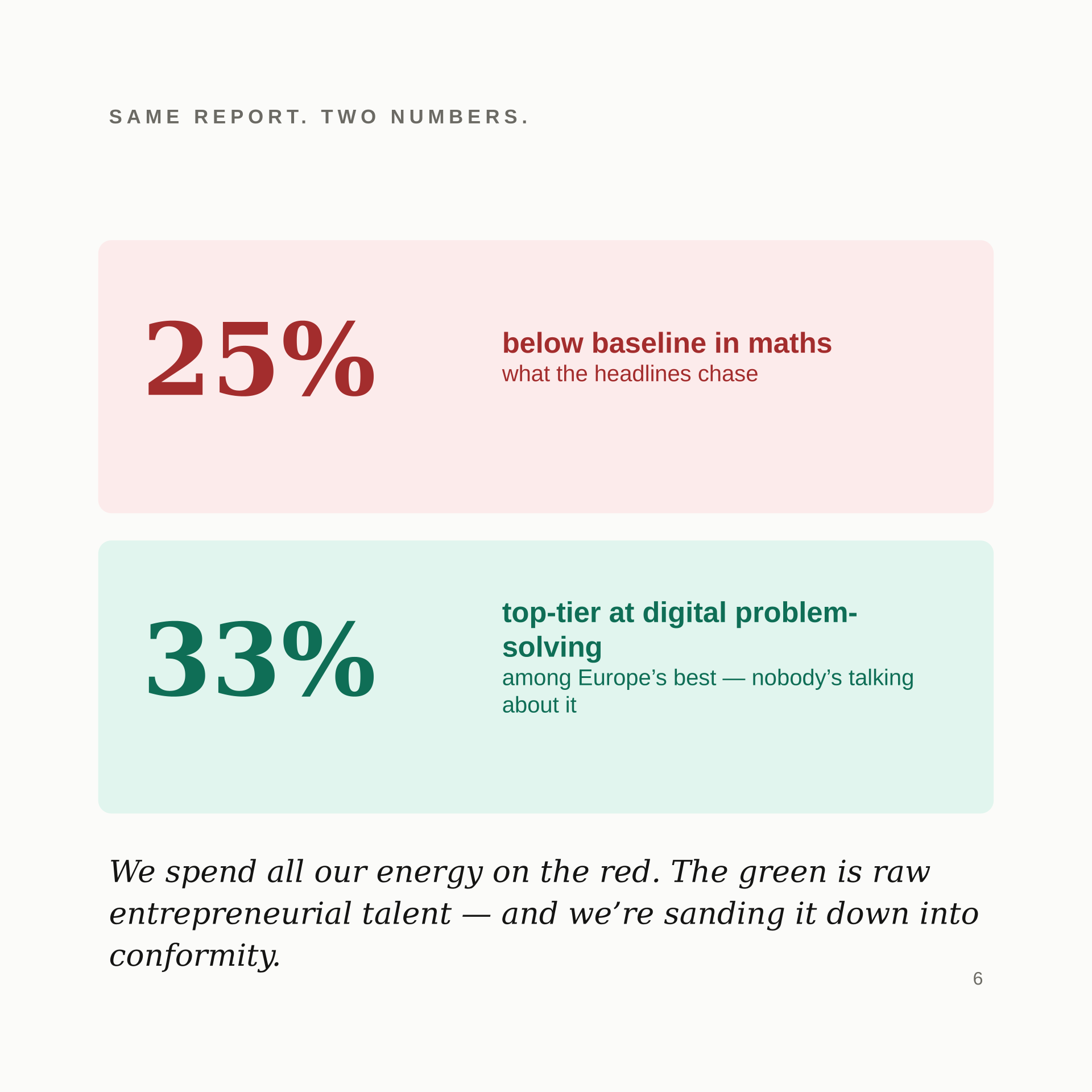
- Media is below average. Academia is below average. Politia is below average. How can we come to a positive catharsis? Or do we hit Ground Zero the hard way, having to rebuild society with the International Monetary Fund? Alike Greece.
- The ratrace we are in. Just have a read. Assume this LinkedIn crowd knows something about technology. Assume as well we are all to some extend familiar with #AI. The question is : how many of you do have a process somewhat similar to this one. And how many of you can configure the flow, setup the agents to make this happen. To land the question to all of you : if this is only 1 - 3% of the population, how can we make sure the other 97% doesn't lose track and we create a bipolar society? https://lnkd.in/etDczxY6
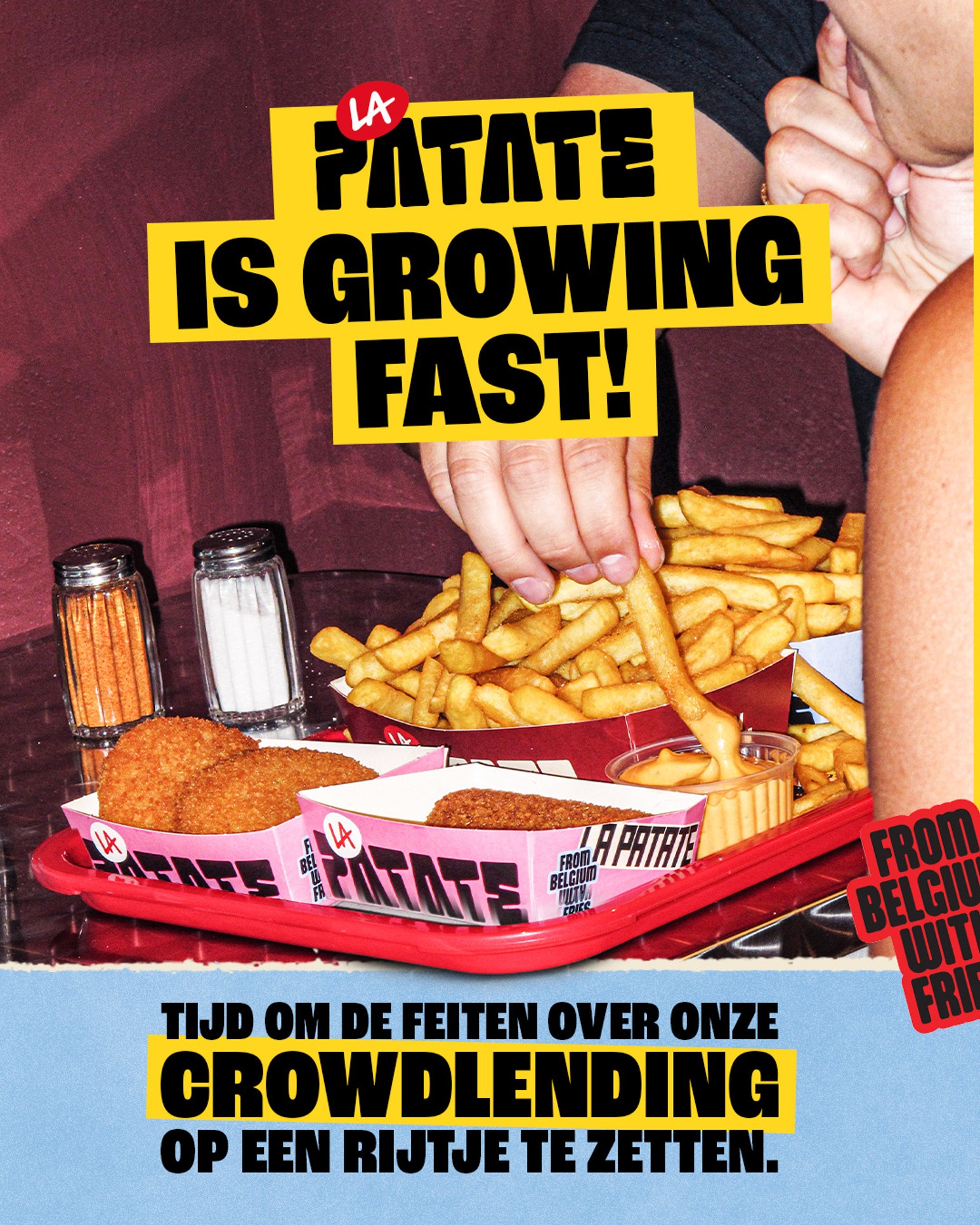
- Ik denk dat de record closing bij Winwinner de sublieme campagne was van Xavier, bezieler en ondernemer van Brouwerij De Halve Maan. Ik denk we hier kans maken op een verbetering van het Olympisch record. Toegegeven, het zijn andere bedragen, maar ik denk dat we met bier en Vlaamse friet het ondernemersgevoel van de bevolking nog wel boven water krijgen. Matthias Browaeys, hou jij de scores bij? 😎
- De woorden nog niet koud, maar voor elke KMO verdwijnt vandaag de 'input' - het saaiste en waarschijnlijk minst intellectuele werk van uw financiële administratie. Ingave van uw facturen, was vandaag al weg. PEPPOL enerzijds, Cashfeed anderzijds, zorgen ervoor dat er een nul interventie is voor het op orde houden van uw boekingen. Nu sluit de cirkel zich van betalingen. Niet enkel uw bank wordt ingelezen en automatisch afgepunt, maar ook uw credit cards. INPUT bij een boekhouding is daarmee vandaag een onbestaande taak geworden,


Related profiles
This page shows public professional information only, each fact cited. Is this you? send a correction, or ask for removal within 24 hours, no questions asked.