
Overview
VaultSpeed automates the construction and maintenance of Data Vault 2.0 data warehouses. The platform takes a business model as input and generates production-ready code as output: DDL, loading procedures, transformation logic, and orchestration, across all major cloud and on-premise database platforms including Snowflake, Databricks, Azure Synapse, SQL Server, and Oracle.
Code generation is deterministic and template-based. Same input produces same output every run. Versioned, auditable, deployable through CI/CD.
VaultSpeed sits in the Belgian data software cluster alongside Collibra, Soda, and Luzmo, applying the AI-Native pattern at the data-infrastructure layer rather than the analytics layer.
Agentic Framework (2026)
In early 2026 VaultSpeed extended the platform with an agentic layer built on a graph-based knowledge model of an enterprise's full data landscape.
The knowledge model captures four layers:
- Business Entities: what the organisation cares about
- Integration Strategies: how concepts are resolved across sources
- Physical Structures: the vault implementation
- Semantic Definitions: what the data means in business terms
AI agents work above and below the vault. Upstream they handle source analysis, business key identification, entity mapping, and conflict detection. Downstream they generate governed semantic layers, metric definitions, and data product structures for tools such as Snowflake Cortex and Databricks Genie.
Agents propose. Humans approve. Production code generation stays deterministic.
The framework operates on metadata only. It never processes actual data. The layer is LLM-agnostic; customers connect their own model provider.
Funding history
- Seed, 2021 - led by Fortino Capital
- Series A, 2023 - led by Octopus Ventures (approximately EUR 15.9M)
Customers and Markets
Enterprise deployments across financial services, insurance, telecom, manufacturing, and legal/media. ISO 27001 certified. HQ in Leuven; additional offices in London and Boston.
Why It Matters
VaultSpeed compounds customer learnings into a shared platform: every deployment teaches the system new edge cases, source patterns, and integration strategies. That moves Data Vault 2.0 architectures from a discipline requiring the largest, most sophisticated data teams into reach for much smaller organisations. In the context of this wiki, VaultSpeed is a clear example of the B2B SaaS and Enterprise AI patterns applied to data infrastructure.
Positioning
VaultSpeed is relevant for organisations that are building or maintaining a Data Vault 2.0 warehouse, need deterministic and auditable code generation rather than AI-written production code, want a governed semantic layer on top of the vault for AI/BI consumption, or are migrating from a hand-built or dbt-based vault. It is not a general-purpose ETL tool, a data catalog, or a BI platform.
Links
- Website: https://www.vaultspeed.com
- LinkedIn: https://linkedin.com/company/vaultspeed
- Contact: info@vaultspeed.com
Leadership & org chart

In the news
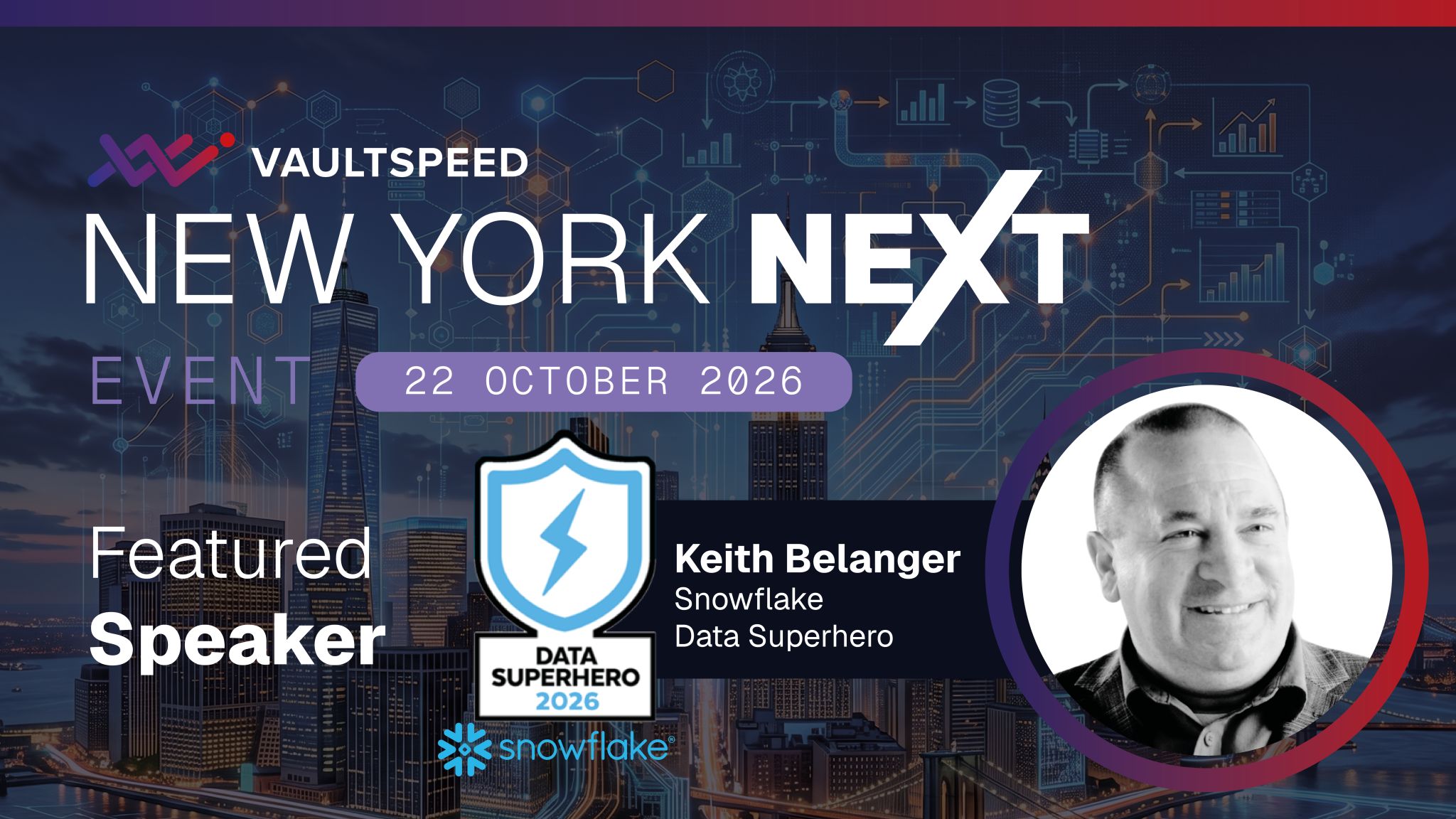
- Keith Belanger, Snowflake Data Superhero and founder of Stratdigy, is joining us for VaultSpeed NEXT New York. With 30 years in data modeling and Data Vault 2.0 certification, Keith brings a methodology-independent view few in this space can match. His session, "Beyond the Prompt: Data Modeling in the Age of Agentic AI," looks at what changes as modeling moves from AI-assisted to agentic, and why modeling agents need business context and architectural standards, not just source metadata. VaultSpeed NEXT New York | October 22,
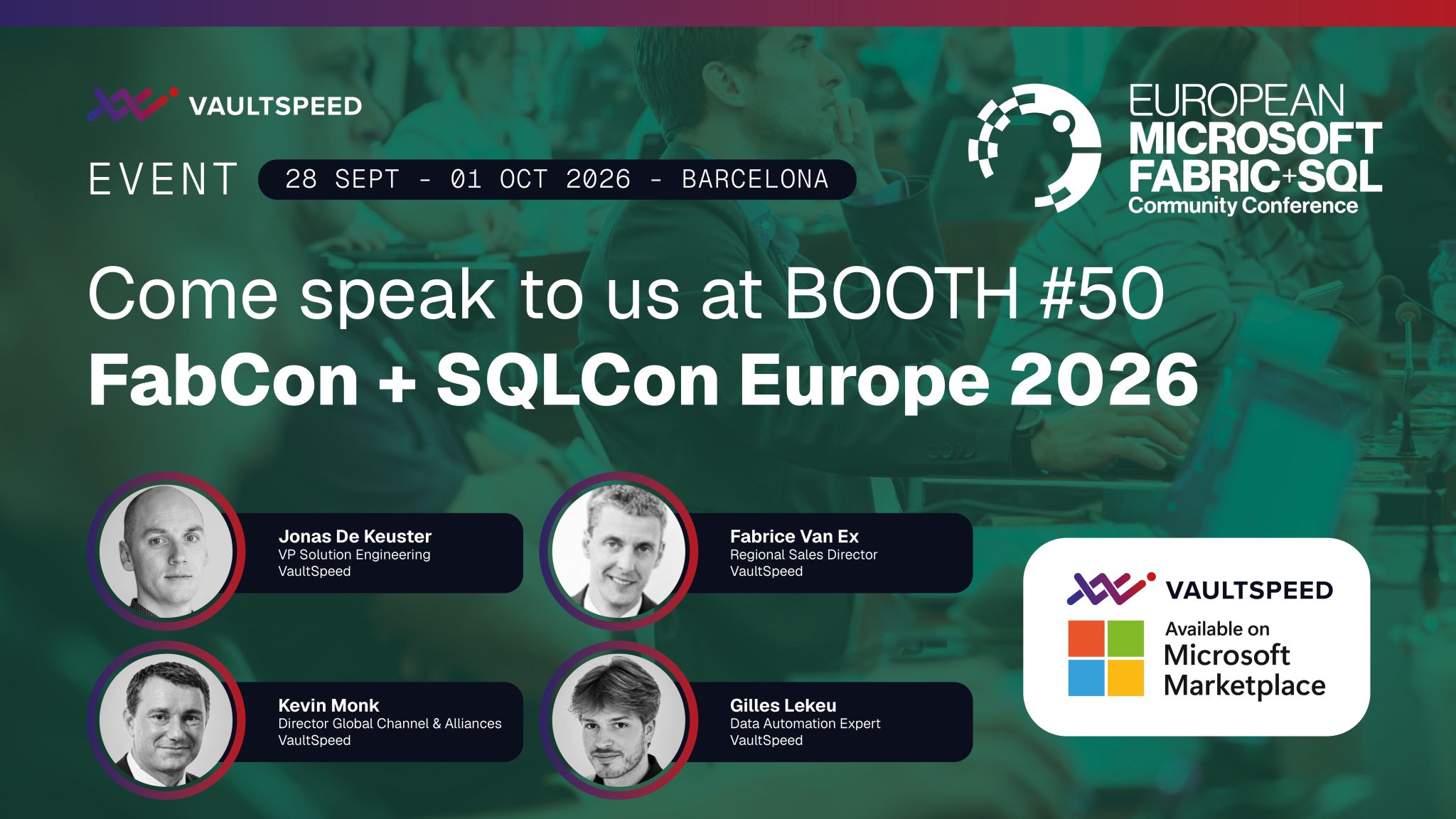
- We're at FABCON & SQLCON - The Microsoft Fabric & SQL Community Conferences Europe 2026 in Barcelona, 28 Sept–1 Oct. Booth Nr. 50. Migrating from legacy to Microsoft Fabric? Let's talk about automating the whole thing. Stop by for a good conversation, real Belgian chocolate and great coffee. Jonas De Keuster, Fabrice Van Ex, Kevin M., and Gilles Lekeu are at the booth all week. Did you know VaultSpeed is also live on Microsoft Marketplace? Buy it against your existing Azure credits, no separate PO needed.
- 𝗦𝗼𝗳𝘁𝘄𝗮𝗿𝗲 𝗲𝗻𝗴𝗶𝗻𝗲𝗲𝗿𝘀 𝗴𝗼𝘁 𝗮𝗴𝗲𝗻𝘁𝘀 𝘁𝗵𝗮𝘁 𝘄𝗿𝗶𝘁𝗲 𝗮𝗻𝗱 𝗺𝗮𝗶𝗻𝘁𝗮𝗶𝗻 𝘁𝗵𝗲𝗶𝗿 𝗰𝗼𝗱𝗲. 𝗗𝗮𝘁𝗮 𝗲𝗻𝗴𝗶𝗻𝗲𝗲𝗿𝘀 𝗮𝗿𝗲 𝗻𝗲𝘅𝘁. On October 22 in New York, we're showing what that actually looks like: agents that generate, convert, and maintain data pipelines on top of a governed data layer, running on our Omnigent meta-harness. 𝗧𝘄𝗼 𝘄𝗮𝘆𝘀 𝘁𝗼 𝗷𝗼𝗶𝗻, 𝘀𝗮𝗺𝗲 𝗱𝗮𝘆: - A morning workshop where you bring your own laptop and data and work hands-on with Omnigent, not a demo. Open
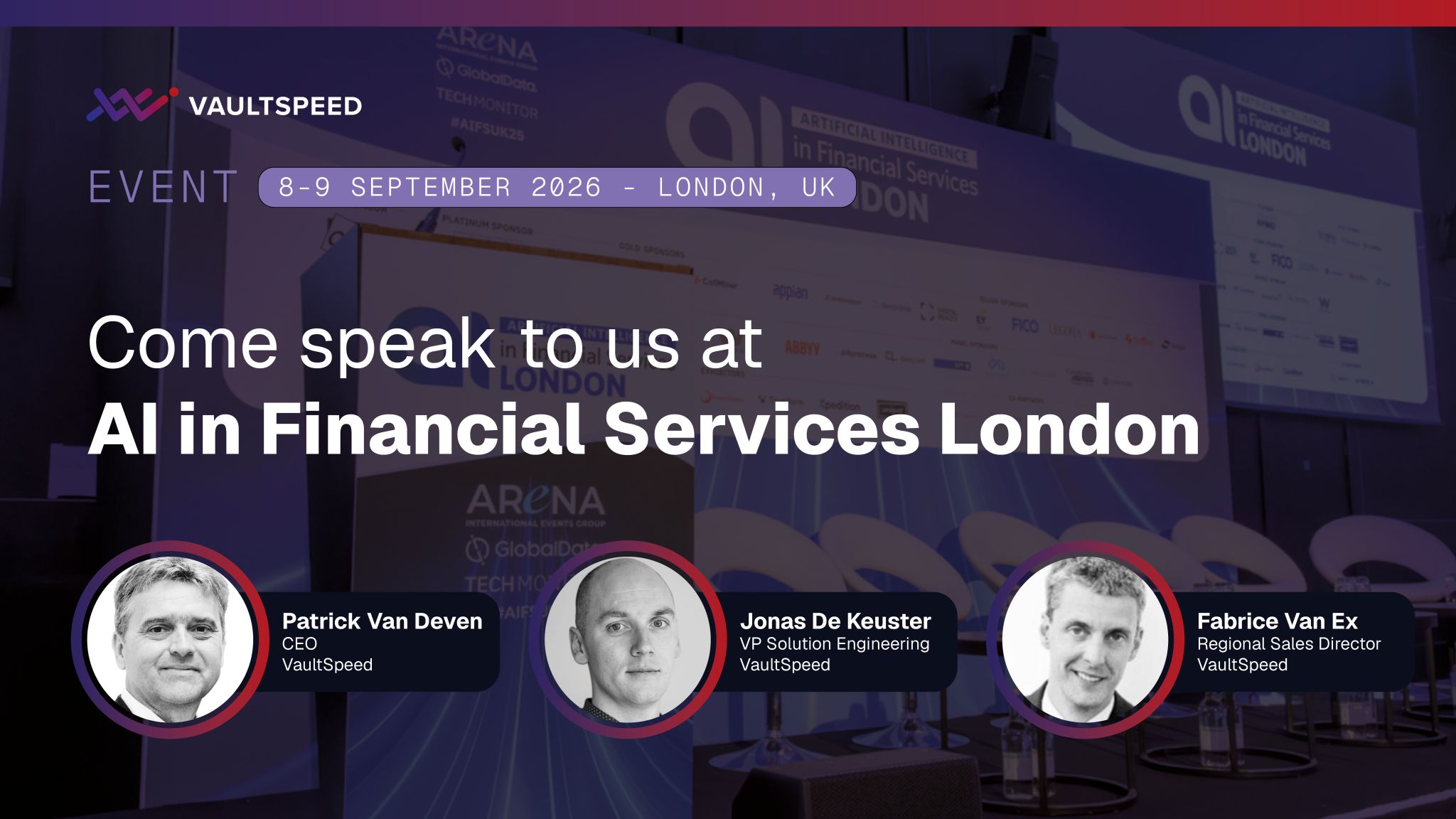
- VaultSpeed 𝗶𝘀 𝗵𝗲𝗮𝗱𝗶𝗻𝗴 𝘁𝗼 𝘁𝗵𝗲 𝟴𝘁𝗵 𝗔𝗻𝗻𝘂𝗮𝗹 𝗔𝗿𝘁𝗶𝗳𝗶𝗰𝗶𝗮𝗹 𝗜𝗻𝘁𝗲𝗹𝗹𝗶𝗴𝗲𝗻𝗰𝗲 𝗶𝗻 𝗙𝗶𝗻𝗮𝗻𝗰𝗶𝗮𝗹 𝗦𝗲𝗿𝘃𝗶𝗰𝗲𝘀 𝗖𝗼𝗻𝗳𝗲𝗿𝗲𝗻𝗰𝗲 𝗶𝗻 𝗟𝗼𝗻𝗱𝗼𝗻 next week, joining 350+ senior leaders from Europe's top financial institutions for two days on AI in financial services. Patrick Van Deven, Jonas De Keuster and Fabrice Van Ex will be on-site both days. Catch us at this session: 𝗧𝗵𝗲 𝗱𝗮𝘁𝗮 𝗯𝗼𝘁𝘁𝗹𝗲𝗻𝗲𝗰𝗸: 𝘄𝗵𝘆 𝗔𝗜 𝘀𝘁𝗿𝗮𝘁𝗲𝗴𝗶𝗲𝘀 𝗳𝗮𝗶𝗹 𝗯𝗲𝗳𝗼𝗿𝗲 𝘁𝗵𝗲𝘆 𝘀𝘁𝗮𝗿𝘁
- 𝗔𝗜 𝗮𝗴𝗲𝗻𝘁𝘀 𝗮𝗿𝗲 𝗮𝗯𝗼𝘂𝘁 𝘁𝗼 𝘀𝘁𝗮𝗿𝘁 𝗺𝗮𝗸𝗶𝗻𝗴 𝗿𝗲𝗮𝗹 𝗱𝗲𝗰𝗶𝘀𝗶𝗼𝗻𝘀 𝗶𝗻𝘀𝗶𝗱𝗲 𝘆𝗼𝘂𝗿 𝗯𝘂𝘀𝗶𝗻𝗲𝘀𝘀. 𝗜𝘀 𝘆𝗼𝘂𝗿 𝗱𝗮𝘁𝗮 𝗿𝗲𝗮𝗱𝘆 𝗳𝗼𝗿 𝘁𝗵𝗮𝘁? Join us at VaultSpeed NEXT New York on October 22nd to find out. One day, two ways to get involved: 𝗠𝗼𝗿𝗻𝗶𝗻𝗴: A hands-on technical workshop for data professionals building a governed data layer. Bring your laptop and your own data. It's a working session, not a demo, and you don't need to be a VaultSpeed customer to join. 𝗔𝗳𝘁𝗲𝗿𝗻𝗼𝗼𝗻:
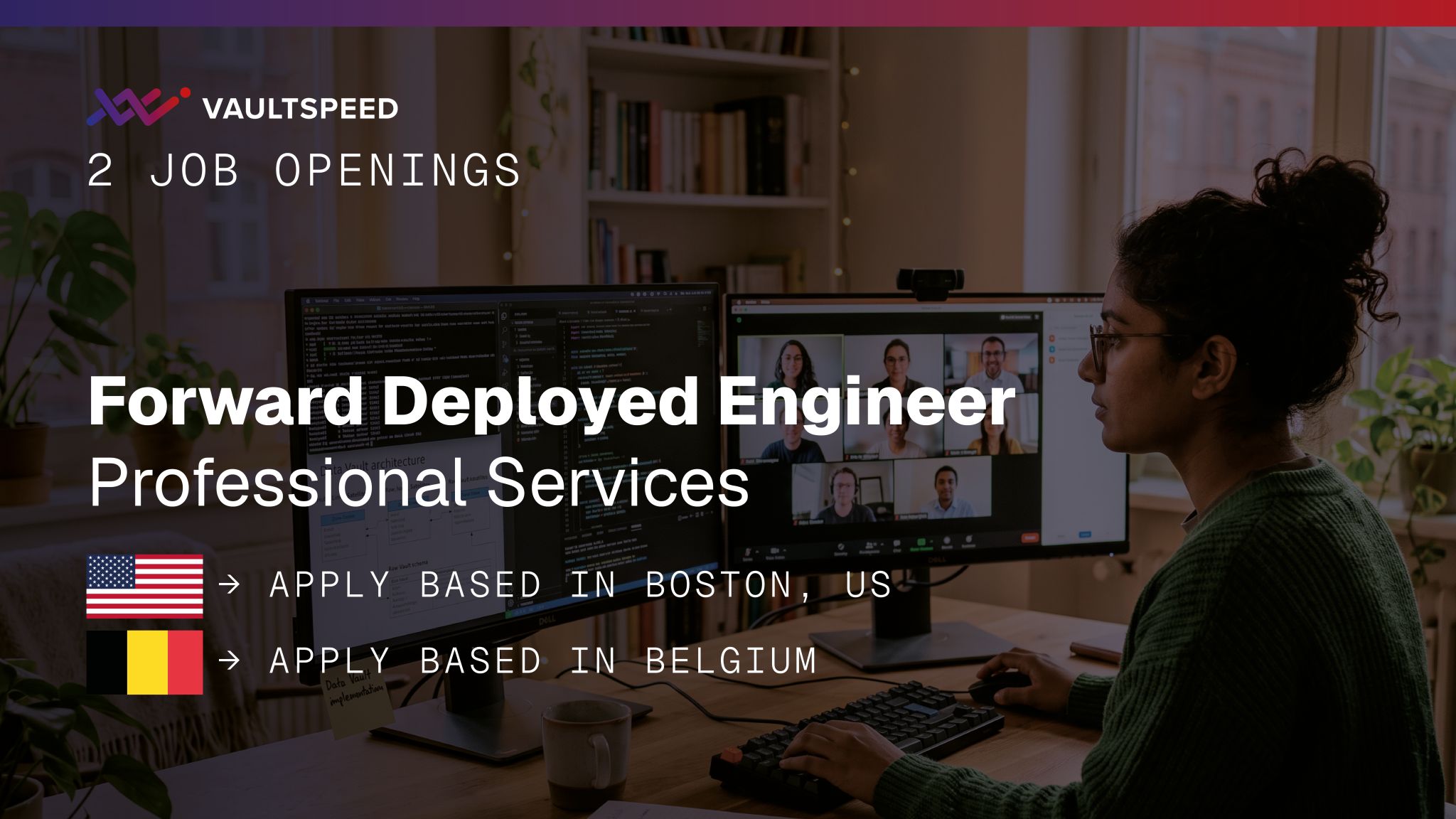
- 𝗪𝗲'𝗿𝗲 𝗵𝗶𝗿𝗶𝗻𝗴: 𝗙𝗼𝗿𝘄𝗮𝗿𝗱 𝗗𝗲𝗽𝗹𝗼𝘆𝗲𝗱 𝗘𝗻𝗴𝗶𝗻𝗲𝗲𝗿 - 𝗣𝗿𝗼𝗳𝗲𝘀𝘀𝗶𝗼𝗻𝗮𝗹 𝗦𝗲𝗿𝘃𝗶𝗰𝗲𝘀 You'll sit inside customer environments, building Data Vault warehouses on Snowflake, Databricks, and Microsoft Fabric with our automation. Part of the job is checking our AI agent's work, catching it when it's confidently wrong. That's a skill in itself, and we're all still building it. This is a role for someone early in their career: 1-2 years in data engineering, analytics engineering, or BI. Solid SQL.
- Governance and context engineering usually get treated as competing priorities. One slows AI down to keep it safe. The other speeds it up to make it useful. On September 17, Patrick Van Deven sits down with Stijn (Stan) Christiaens Co-Founder & Chief Data Citizen at Collibra to make the case that this framing is wrong, and that the two disciplines actually depend on each other. Join us for a direct, unscripted conversation on where governance ends and context engineering begins, what breaks when teams treat them as separate
- A freestyle AI build looks cheap until it needs rework. 30 minutes, about $2 a run, with retries pushing it past $10. 𝗔𝗱𝗱 𝘀𝘁𝗿𝘂𝗰𝘁𝘂𝗿𝗲 𝗶𝗻𝘀𝘁𝗲𝗮𝗱: 𝗮 𝘁𝗲𝗺𝗽𝗹𝗮𝘁𝗲, 𝗮 𝘀𝗸𝗶𝗹𝗹, 𝗮𝗻 𝗮𝗴𝗲𝗻𝘁 𝘁𝗵𝗮𝘁 𝗳𝗶𝗹𝗹𝘀 𝗶𝗻 𝗼𝗻𝗹𝘆 𝘄𝗵𝗮𝘁 𝘃𝗮𝗿𝗶𝗲𝘀. 𝗥𝘂𝗻𝘁𝗶𝗺𝗲 𝗱𝗿𝗼𝗽𝘀 𝘁𝗼 𝟱 𝘁𝗼 𝟭𝟬 𝗰𝗲𝗻𝘁𝘀. 𝗕𝘆 𝘁𝗵𝗲 𝘁𝗵𝗶𝗿𝗱 𝗿𝘂𝗻 𝗶𝘁'𝘀 𝗮𝗹𝗿𝗲𝗮𝗱𝘆 𝗰𝗵𝗲𝗮𝗽𝗲𝗿 𝘁𝗵𝗮𝗻 𝗳𝗿𝗲𝗲𝘀𝘁𝘆𝗹𝗲. 𝗕𝘆 𝘁𝗵𝗲 𝘁𝗲𝗻𝘁𝗵, 𝗳𝗿𝗲𝗲𝘀𝘁𝘆𝗹𝗲 𝗶𝘀 𝗽𝗮𝘀𝘁 $𝟲𝟬. One catch: a skill only stays cheap if

Alumni 1 went on to found or lead
- PPiet De WindtVP of Customer Experience and Strategic Partnerships→CEO at Mantyx
 Marc CoppensCFO→CFO at NGDATA
 Patrick Van DevenBoard Member
Related profiles

Something wrong or missing? Send an update. Fixed within 24 hours.