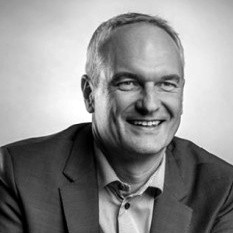
Overview
Jurgen is based in Antwerp and leads Smartfin as Managing Partner. He is also known as the founder of Clear2Pay, a Belgian Fintech that was acquired by FIS. His combination of founder experience and investor perspective makes him one of the most respected voices in the Belgian tech ecosystem.
At Smartfin, Jurgen leads investment decisions, portfolio support, and fund strategy. He focuses on growth-stage tech companies across Belgium and Europe.
Jurgen founded Clear2Pay in 2001, built it to 1,400 employees serving the top 50 global banks, and sold it to FIS (NYSE: FIS) in 2014. He also co-founded NGDATA, the Ghent-based customer data platform, and The Glue, a Belgian SaaS company. Since 2015, he leads Smartfin as a leading European VC, and is the initiator of Belgian tech events The Big Score and SuperNova. Author of "50 lessen voor ondernemers" (NL) / "Start Grow Sell" (EN).
Career history
- Founder and Managing PartnerJan 2015 - PresentSmartfin
- Board MemberJan 2018 - PresentWDP - Warehouses with brainsBEL 20
- Board MemberNov 2013 - PresentMaterialiseNASDAQ
- Board MemberApr 2020 - PresentDeliverect
- Board MemberJan 2026 - PresentCaviar
- FounderNGDATA
- FounderThe Glue


Education
MBASep 1995 - Jun 1996University of Antwerp
LinkedIn Voice
Posting style: Engaging storyteller. Mix of Dutch and English. Celebrates portfolio wins and promotes Belgian Entrepreneurship broadly. Near-daily posting frequency. Key themes: Supernova space exhibition in Antwerp, Smartfin portfolio companies (Payflip, fund announcements), Belgian Entrepreneurship events, defense and space tech (EUR 150M fund) Avg engagement: 311 likes, 10 comments Notable post: Payflip as 4th Belgian meal voucher provider, 641 likes -- "15 years of silence. Over."
Talks about
- AI & society
- Future of work
- Entrepreneurship
- Belgian politics & economy
- Robotics
- Personal development
- Founder mindset
- The CFO role
- Long-term thinking
- Cashflow & working capital
- Private equity
- Scaling
Insights & ideas
The through-line
One argument runs under everything Jurgen Ingels says: technology has collapsed the cost, the headcount and the time required to build a serious company, and almost nothing else in the economy has adjusted to that fact. Where a tech firm once needed a hundred people and eight to ten years to reach a given revenue level, it now gets there with ten people in two or three years at sixty to seventy percent profitability [19][31][32], and he expects the trend to keep running: "Ik ben 100 procent zeker dat we binnen 5 jaar, 10 jaar een bedrijf gaan hebben die met vijf man honderd miljoen omzet doet" [32], and eventually "een bedrijf dat bestaat uit twee of drie man en dat ze een miljard omzet gaan doen" [33]. If capital and headcount stop being the constraint, the scarce inputs become creativity, top talent and the nerve to try, which is why "Creativiteit is going to be the one who survives" [30] and "Ultimately creativity will always win" [31].
The second half of the argument is about Belgium and Flanders, and it has hardened over time. Early on the tone is exhortation: the engineers are among the best in the world, the cost of living is reasonable, "We moeten het gewoon doen" [28][29][31]. More recently the frustration has sharpened into a warning, with capital gains tax plans, a self-reinforcing regulatory apparatus and a tax administration he describes as harassing him daily [20], and with Supernova, the festival he built to drag international investors to Antwerp, now openly considering Amsterdam because the Dutch government offered to fund a large share of its costs while Flanders cannot even supply a venue [19][20]. The prescription stays constant across all of it: "Get off your ass en doet iets en stop met zagen. Wij zijn ongelooflijk goed in het klagen en zagen, hè" [20].
On the ten-person company
The shape of a technology business is changing structurally, not cyclically. Instead of scaling to a hundred people over a decade, a founder with a moonshot idea gathers six to eight of the best people in the world, works without an office, markets virally and digitally, and reaches ten million in revenue in two to three years at sixty to seventy percent margins [25][31]. Back-office functions are fully automated, there is no HR, no sales machine and often no marketing because the product sells word of mouth [32][33]. He sees the silos of CRM, accounting and payments being wired together by "highways" into what amounts to a back office in a box, and expects "bedrijven zijn met één of twee man die 10 miljoen omzet gaan doen en die maar met twee gaan zijn omdat alles wordt geautomatiseerd" [27]. This is already visible: "Er zijn een aantal voorbeelden al in België van dat soort van bedrijven die eigenlijk 10 15 20 miljoen omzet doen met 10 man" [33]. He calls them mushroom companies, "champignonbedrijven" [19][20], and wants Flanders to become a mushroom farm of them [25], with ten people drawing half a million in dividends on top of salary [19]. Companies of a thousand or two thousand people in tech, he thinks, will not exist in five to ten years [31], and the legacy competitors' overhead becomes untenable against this cost base [32].
The consequence for capital is direct. If startups need dramatically less money, a venture fund cannot justify itself by writing cheques, so it has to supply added value instead: ERP setup, reporting, internationalisation, M&A support. That is the stated reason Smartfin stays at roughly 250 million per fund rather than chasing billions [29]. It also changes the founder's arithmetic in favour of ownership over headline valuation: in winner-takes-all digital markets, owning seventy percent of a two hundred million company beats three percent of a two billion one [29]. And he is blunt that abundance is corrosive: too much money on the account kills creativity and makes companies lazy [31]. Restarting the company he founded in 1999 today, he says, he would need a third to a fifth of the people, and many founders simply do not know the automation tools exist [31].
On creativity as the only remaining moat
Once AI tools are mainstream, they stop differentiating anybody, and the only thing left is the idea. "Ai maakt eigenlijk dat creativiteit veel belangrijker wordt dan puur geld" [28]: money and connections used to be the bottleneck, and technology now supplies both cheaply [27]. In five years the great differentiator between companies will not be technology but creativity [22][23], which is the explicit rationale behind his investment in the production house Caviar as a platform of top creatives combined with technology [22][23], and behind a significant investment in a film production company with 250 creatives on staff [19]. "Creativity is something that is unique. If you have a creative idea and it's crazy enough, you can actually change the world" [26]. "Today you just need creativity. You can change the world with 10 people, even yourself, if you have a creative great ID" [31].
The democratic implication excites him more than the industrial one. "Ik denk dat het de eerste keer is in de geschiedenis van de mensheid dat ge van op uw zolderkamer met weinig geld en weinig connecties een bedrijf kunt opbouwen dat de wereld kan veroveren" [22][23], and therefore "Iedereen kan vandaag ondernemer worden. Er is geen enkel excuus mee om te zeggen: ik kan ook de wereld veroven of ik kan vanuit mijn zolderkamer een fantastisch bedrijf bouwen" [22][23]. He believes someone in an attic room will wipe today's giants off the map: "Er komt ooit een nieuwe Google die gaat opgezet worden met drie, vier man" [29][30]. That belief shapes what he thinks schools should do. Teaching knowledge that will soon be obsolete is pointless; teach creativity instead, and rather than lessons about computers, have pupils physically assemble one over two years so they actually understand hardware and software [29]. He is scathing about the last fifteen years of educational democratisation, which in his reading levelled quality downward and made excellence look strange, precisely when the coming economy rewards only exceptional talent and creativity [19].
On talent, excellence and refusing to stay under the maaiveld
His view of the labour market is unsentimental. "Dus talent wordt super belangrijk. Dus als je niet getalenteerd zit of niet tot de beste 10 hoort, ja, dan gaat gewoon geen een job vinden" [19][20]. Top talent in small focused teams keeps working; mediocre and poorly skilled workers will struggle [22][23]. "If you're going to be average, you're not going to be good enough anymore" [31], and "Als je niet de beste zij of in de top drie, dan is life pretty shitty. Zeker in technologie" [25]. The cultural fix he wants is the opposite of the Flemish reflex: "We moeten mensen creëren hier die absoluut boven dat maaiveld willen en dat we ze dan ook applaudisseren als ze dat doen" [22]. He counts himself among the flattened: "Heel mijn leven zot verklaard. Maar dat is oké. Al de mensen die zot verklaard zijn zitten dikwijls op een goed spoor" [25]. Hence the call for more rebels, more people who "think out of the box and do crazy stuff because that's how you push things forward" [31], balanced by the caution that one or two rebels create productive chaos at the start but too many break the company once you pass a hundred to a hundred and fifty people and need rules and structure [31].
For individuals, the route in is effort and curiosity rather than credentials. "Al de mensen dat ik ken die succesvol zijn die werken gewoon allemaal meer dan de rest. Punt" [25]. He tells young people to ignore pay entirely at first: "De eerste 10 jaar van uw carrière moet u eigenlijk geen fluit aantrekken van wat ga ik hier verdienen. Je moet vooral ervaring opdoen, netwerk uitbouwen en kennis opdoen en liefst nog in verschillende sectoren" [25], after which you are ahead of everyone and the money follows. Two or three hours a week of self-directed learning, using ChatGPT and online videos to master AI tools, will make you more expert than the so-called experts within six months, and he presents this as a genuine path to social mobility [25]. He also insists that polish is manufactured, not innate: Obama's apparently natural conversational style is essentially scripted, memorised fragments with the right intonation stitched together depending on the question, with nothing left to chance [25].
On the jobs shock and what society does about it
He does not soften the social consequences. Lean companies need far fewer staff, websites, marketing and HR, so many jobs disappear and society faces a major problem, possibly requiring a minimum income or newly invented roles for displaced people [33]. Highly profitable ten to fifteen person companies mean less employment and extreme wealth concentration, and without a tax on data or robots to redistribute, history says that ends in social revolution or war [29]. His current guess is that universal basic income gets funded by a tax on CPU and data usage rather than levied on companies directly, producing a society split between highly paid top talent and everyone else living on a state-paid wage [19]. Service professions are next in line: accountants, notaries, auditors and bank back offices face automation within five to ten years, to the point where a bank could technically become a brand plugged into automated back-office technology [29]. On working life itself he is almost gleeful: "Ik denk dat mensen binnen 100 jaar gaan zeggen: die gasten in het jaar 2025, die waren zot, want die werkten 50 uur in de week" [29][30].
Two further warnings sit alongside this. AI will not stay cheap; compute costs are heading toward two to three hundred euro per user per month [19]. And power is shifting away from states toward individuals like Musk and Altman, who can decide on war, peace and satellite access, which raises the question of whether regulation or renationalisation is needed to stop a right-of-the-strongest society [22][23]. Politicians, in his reading, systematically misjudge this because they measure change against the slow reference frame of their own lifetime and assume they can always intervene afterwards, which is a fundamental error at the current pace [19]. "Technologie gaat de maatschappij fundamenteel veranderen de komende vijf of tien jaar, veel sneller dan dat we denken" [30], and "Chat GPT is ongelooflijk, maar dat is peanuts ten aanzien van wat dat er op ons afkomt" [30].
On the SaaS apocalypse, data ownership and what stays defensible
He thinks the SaaS apocalypse is real but wildly oversimplified. Simple apps that AI can recreate in an hour are dead; complex B2B platforms integrated through APIs into customer workflows and infrastructure will not be displaced any time soon [22][23]. Code itself, though, has stopped being a moat: an American company can analyse an app and rewrite its hundred thousand lines of software overnight at comparable quality [19], so "Software aan zich is niks meer waard, want je kunt het gewoon laten namaken" [20].
What survives is ownership of the substrate. Companies building AI applications on top of databases they do not own carry existential risk, because the data owners will eventually revoke access, demand margin, or simply build the app themselves, which is why he expects many VC-funded AI apps to disappear and advises investing in infrastructure and collecting your own data instead [19][22][23]. The adjacent opportunity he names is data provenance: tracing the full lifecycle and audit trail of data, who created it, booked it and modified it, because the coming flood of synthetic data will require far more auditing and control [29]. He also expects a pendulum on creative work, with companies first in-sourcing content production using AI because they have idle staff, then swinging back to external partners, with far fewer people needed either way [22]. And he is watching China closely as the next big tech wave, worth going to see with your own eyes how far along they actually are [6].
On Belgium, tax and the flywheel that gets broken
The single policy he attacks most consistently is a capital gains tax, because it breaks the recycling of risk capital. An entrepreneur who nets seventy instead of a hundred after a sale will not risk thirty on young founders, only five to eight, leaving the government to compensate with subsidies it deploys badly [19][25]. Exited entrepreneurs currently reinvest ninety to ninety-five percent of their wealth into new risky ventures, and taxing that away would send ten years of ecosystem building down the drain [32]. Tech ecosystems compound when exited founders reinvest, and Belgium lags the US, UK and Scandinavia simply because that flywheel started later [29]. "Echte ondernemers die pakken dat geld en die investeren dat opnieuw" [32]. He calls the whole structure "een piramidespel met een happy end" [32] and argues that a country needs second-generation entrepreneurs, people on their second venture even if the first failed [24][32].
The regulatory diagnosis is structural rather than partisan: an oversized civil service invents rules to justify its own existence, so the answer is to shrink it using technology and actively scrap unnecessary rules, not to raise taxes [22][23]. On the receiving end he describes constant pressure: "Ik word echt geharrest door de fiscus. Iedere dag opnieuw controles, btw, directe belasting. Als je uw ondernemers op die manier behandelt, ja, dan heb je het risico dat uw ondernemers weggaan" [20]. Europe more broadly regulates before trying while the US tries first and regulates when something breaks, and an ESG wave that went too extreme compounded the drag, though he sees Brussels starting to realise it [31].
Against all that he is stubbornly bullish on the raw material. "Wij zijn echt bij de top van de wereld, onze ingenieurs zijn bij de beste van de wereld" [29]; "Wij ongelooflijk goede ingenieurs, Cost of Living is goed hier, kwaliteit van de mensen is goed, wij fantastische creativiteit. Wij kunnen hier ook wereldbedrijven bouwen. We moeten het gewoon doen" [28]. Because core AI technology is roughly equal everywhere and capital matters less, Europe's creativity, engineer quality, lower valuations and cost of living put it in a better competitive position than before, with fragmented languages and regulations the remaining handicap against the single US market [29][31]. Trump's aggressive trade policy may paradoxically accelerate European unification, having already forced a defence-investment U-turn in two years [29]. What he cannot stand is the self-deprecation: "We're Belgians. I mean, we're like, 'Oh, it's difficult. Oh, I'm not sure. It has to be out of America, and it's only when it's from America or Asia that it's good.'" [26], and "Sometimes in Belgium we have the expression 'oh it can't be done, it's too difficult, blah blah blah' and I just want to prove that even in Belgium we can get stuff done" [31]. The answer is simply to go: "I think we just need to go for it and dare to say yes, we're going to do this" [26].
On Supernova and bringing the world to Antwerp
Supernova exists because big international VCs treated Flanders as a flyover zone between Amsterdam, Paris and Berlin, and he would rather bring two hundred investors to Antwerp than have Flemish founders chase them in London, Boston or San Francisco [29]. "We moeten hier naar onze navel kijken en zeggen hoe goed dat we zijn, we moeten eigenlijk de wereld naar hier halen" [33]. Every barrier for visiting funds is deliberately removed, hotels, transport, a booklet describing each company, because accessibility is what gets top-tier funds to show up, and the credibility for that was built over ten years of events like The Big Score [33]. The economics are engineered rather than commercial: the Sunday celebrity event, headlined successively by Obama, Oprah Winfrey and Arnold Schwarzenegger, generates sponsorship profit that covers the losses of the Thursday and Friday investor conference, with the whole thing targeting break-even [31][25][28][29]. "Ik heb Arnold Schwarzenegger kunnen overtuigen om te komen" [25]. Free food and drink and a refusal to cut costs are a deliberate quality strategy to build a base for growth from five thousand attendees toward thirty to fifty thousand [33], and the ambition is unapologetic: "Dit keer waren er 120, eigenlijk zou het 500 moeten zijn en we zouden zo'n beetje de Tomorrow van de tech moeten worden" [33]. He also insists on programming life philosophy and wellbeing alongside technology, because founders neglect sleep, nutrition and health when starting up and eventually pay for it [33].
That project is now the sharpest test of his complaint about Flanders. Only around ten percent of Supernova's 4.7 million euro budget is government supported, Flanders has no venue capable of twenty to thirty thousand attendees, and Amsterdam and the Dutch government have proactively offered to fund a large share of the costs to replace TNW [19]. "De grootste interessantste optie vandaag die op tafel ligt is eigenlijk Amsterdam" [20]. Belgium, he notes, has flipped from flyover zone to destination for VCs over the last five years, on lower valuations than the US, engineer quality and reasonable cost of living compared to London [31], which makes the risk of losing the shop window more pointed.
On raising money without lying to yourself
His financial advice is built on the observation that founders are systematically too optimistic on revenue and too pessimistic on costs. "Wat dat ik altijd doe als ik een plan zie: ik verhoog alle kosten met 30 procent en ik schuif eigenlijk gewoon de omzet zes maand op" [32], and the liquidity picture then roughly matches reality. He tells founders to build that correction in themselves, adding thirty to fifty percent to costs and shifting revenue two quarters out, because a failed liquidity plan in Belgium means bankruptcy [25]. Companies do not go bankrupt because they are unprofitable, they go bankrupt because they are not liquid, which is why he asks every portfolio company for a simple weekly cash overview: plotted as a graph, it only goes up or down [31]. His own discipline is granular: "Ik ga elke maand pak ik een goed glas wijn en ik ga door elke factuur. Ik kijk daarnaar. Wat is dat? Elke factuur" [21].
On valuation he is emphatic that the headline number is a trap. "Nooit te hoog gaan met uw waardering, want at the end of the day it will bite you in the but" [32]; the valuation itself says nothing and the legal terms around it, anti-dilution provisions above all, matter far more, because an inflated round leads to a down round in which founders lose the biggest part of their company [32][31]. Founders obsess over dilution percentage when thirty percent of a company that grows fifty times in EBITDA and sells at a higher multiple is worth far more than a hundred percent of what they could build alone [32]. He sees the whole European fund landscape caught in the same mechanism: funds deployed at roughly ten times ARR into multiples that have fallen to five or six, so even companies that doubled revenue are flat in value, LPs waiting years for distributions hesitate on new funds, and some funds sell companies at a loss just to return cash, leaving the growth-versus-profitability balance of the rule of 40 as the defining problem [31]. His practical pitching method is to rehearse on investors you do not want money from, adapt the deck after every meeting, and prepare a Q&A list with agreed ownership of each answer, so the pitch is strong by the time it reaches the funds you actually want [25]. Early-stage credibility can be manufactured too, by giving the service free to reference clients in exchange for using their brand, or by assembling an advisory board with a track record [32]. Sometimes very little is needed: "Ik ben toen trouwens naar Amerika gevlogen met ene slide, en met die ene slide heb ik ze ook kunnen overtuigen" [32].
On going international and buying your way in
He thinks Belgian founders wait far too long to leave. Flemish buyers are conservative and slow, so while you spend a year selling your first product at home, a Swedish competitor grows three times as fast and may end up buying you [25]. His method for entering a new market is never to open your own office. Acquire a small local company, or a customer of it, and pay ten to twenty percent in cash with the rest in shares of your own company: you inherit local clients, cut time to market from eighteen months to six, cross-sell their products internationally, and keep the sellers motivated because their shares appreciate with every subsequent acquisition [32]. Smartfin has built international companies this way five to seven times in ten years [25]. The counterweight is cultural humility, learned the hard way with a chocolate shop in Sweden: the market research covered pricing, taste and colours, but nobody asked how much people buy at a time, and Swedes bought a single praline rather than half a kilo, which killed the unit economics despite higher margins [25]. Culture differs by country even inside Europe.
The same acquisitive logic shows up in his enthusiasm for the merger of WDP and the French Argan into a 13 billion logistics group, which he contributed to and calls a gamechanger [15].
On the founders he backs and the ones he does not
He wants frustration plus grit. "De beste founders voor mij zijn mensen die gefrustreerd zijn... maar doordat ze een zekere passie hebben, een zekere grinta van I'm gonna make this work" [28]. Entrepreneurship is not tidy: "Ondernemen is chaos. Als je ondernemer zij dan is het chaos. Dan z eigenlijk een halve een piraat bij wijze van spreken" [24]. But the underlying belief is that will is decisive: "Als je passie hebt in het leven en dat ge wilskracht hebt en dat je durft doorduwen dat je eigenlijk alles kunt bereiken in het leven" [24]. He prefers second-generation entrepreneurs because his own head start came from six years managing a bank's risk capital in the US before founding Clear2Pay at twenty-eight, which let him avoid mistakes and raise money fast [32], and because "eigenlijk de beste ondernemers vind ik zijn degenen die tijd kunnen reduceren", whether through experience that skips trial and error or through technology, an area where many Flemish companies still work archaically in accounting and sales [32].
He is realistic about the odds and the role of luck. Only 0.3 percent of companies ever reach ten million in revenue, and fewer than ten Belgian tech companies sold above three hundred million in the last decade [25]: "Het is 0,3%. Dus om aan te geven dat een bedrijf bouwen en 10 miljoen omzet genereren op 5 jaar, 10 jaar, 3 jaar, whatever, dat is redelijk exceptional" [25]. Half of success is luck; during the 2008 banking crisis banks stopped paying Clear2Pay's invoices for six months against a five million monthly payroll, and three more months would have bankrupted the company [25]. He also thinks Clear2Pay was sold slightly early, since the fintech hype exploded in 2015 to 2017 and the price might have doubled three years later [32], though he counters ambition inflation with arithmetic: "Als je 10 keer een bedrijf van 300 miljoen verkoopt, heb je ook 3 miljard" [25]. His practical rules for founders are to surround yourself with people better than you in their field and pay for them even if it means raising more, since founders too often hire weaker people they can manipulate [25], and to make agreements with co-founders upfront because when money hits the table the worst in people comes out [25]. On exits he is unromantic: "Dankbaarheid is de kortst levende emotie", and once C-level staff knew the company was being sold, some stopped caring about him because he was no longer relevant to their careers [32]. He was never CEO of any of his dozens of companies, on the view that being founder or CFO gives you the freedom to work across sectors and cross-pollinate best-of-breed ideas, while a CEO is held by shareholders to a single company [32].
On how Smartfin is built
Smartfin is designed around the belief that money is the least valuable thing an investor brings. Funds stay at roughly 250 million so the team can deliver added value in ERP, reporting, internationalisation and M&A rather than just cash [29], and the fee model is unusually low at 0.6 to 0.7 percent [24]. Positionally it takes the underserved ground between venture capital and private equity, moving companies from negative profitability to profitable so PE funds can take over, precisely because few Belgian funds want that labour-intensive middle [25]. Part of the point is also proof: Smartfin exists to demonstrate that Clear2Pay was not a lucky shot, that there is a repeatable pattern, a "stramien", that raises the odds of building large tech companies out of Flanders, with Silverfin's exit above three hundred million as evidence [32].
On the bar in the middle of the room
One of his most repeated organisational lessons is physical. Installing a real bar inside his thousand-person company, open Fridays from four, broke down silos between developers and sales, so that people phoned each other instead of firing off long escalation emails [25][33]. The sixty-metre bar at the centre of Supernova is there for exactly the same reason, and he expects other conferences to copy the idea within five years [25][33]. It is the same instinct that runs through his hiring posts, where the ask is for a person to sit close to the founders and drive the next stage of growth [2].
On space, books and knowing life is finite
Space is the passion he keeps returning to, from a main stage keynote at Love Tomorrow, which he calls without hesitation one of the coolest keynotes of the year and an enormous honour, to his personal moonshot of a permanent space museum [10][14][26]. It is also a book: De verovering van de ruimte, written with Jeroen Verelst, collecting anecdotes and curiosities about spaceflight, alongside 50 lessen voor ondernemers and its English edition Start, Grow, Sell, all three written from a combination of passion, experience and interest [12]. The reader responses matter to him for a specific reason, that people take something practical out of the lessons and that so many turn out to share the same view [7][8]. Six years on the board of Royal Antwerp F.C. ended with gratitude and pride, above all for becoming champions after sixty-six years [13]. And the frame around all of it is stated plainly: he is aware that life is finite, and enjoys each moment more consciously because of it [11], a theme he treats as inseparable from entrepreneurship itself, alongside making choices, seeing and seizing opportunities, ambition, and the moments when things do not run smoothly [3].
Takeaways
- Correct every plan you see the same way: raise all costs by 30 percent and push revenue six months out, because founders are systematically optimistic on revenue and pessimistic on costs [32], and companies die from illiquidity rather than unprofitability, which is why every portfolio company should send a simple weekly cash graph [31].
- Never open your own office abroad. Buy a small local company or one of its customers, pay 10 to 20 percent cash and the rest in your own shares, and cut time to market from eighteen months to six while keeping sellers motivated as the share value climbs [32].
- Headline valuation is a vanity number and the terms around it decide your outcome: an inflated round leads to a down round where anti-dilution provisions hand your company back to earlier investors [32][31].
- Ignore your salary for the first ten years and optimise for experience, network and knowledge across several sectors; after that you are ahead of everyone and the money follows [25]. Two to three hours a week of self-directed learning on AI tools makes you more expert than the so-called experts within six months [25].
- Do not build AI applications on data you do not own, because the owner will eventually revoke access, demand margin or build the app themselves; invest in infrastructure and collect your own data [19][22][23].
- A capital gains tax breaks the reinvestment flywheel: a founder who nets 70 instead of 100 puts 5 to 8 into young companies instead of 30, and the government ends up compensating with subsidies it deploys badly [19][25][32].
- Put a physical bar in the middle of your company or your event and open it Friday at four; it dissolves silos and replaces escalation emails with phone calls [25][33].
- Expect winners to be tiny: ten people, 10 to 20 million in revenue, 60 to 70 percent margins, no office and no sales machine [19][31][33], with the differentiator no longer technology but creativity, since "Software aan zich is niks meer waard, want je kunt het gewoon laten namaken" [20].
Media & appearances
- Scanbie - Scan, Design, Virtualize!YouTubeThe Innovation Podcast: EP.10 | Jurgen Ingels & An Meersman | Smartfin & Scanbie
- Funding & Disrupting Podcast with Keith HermanYouTube007 Clear2Pay & SmartFin Founder Jurgen Ingels discusses their $300Million Euro Fund Investments
- Stanton ChaseYouTubeGAMECHANGER: Lessons For Entrepreneurs by Jurgen Ingels, CEO of SmartFin.
In the news
- START. GROW. SELL. IS GOING INTERNATIONAL 🌍 A few years ago, I put 50 of the most important lessons I’ve learned as an entrepreneur into a book. Since then, I’ve had the chance to share it with many entrepreneurs here in Belgium and across Europe And now, I’m incredibly happy that START. GROW. SELL. is taking its next big steps. And there’s a special story behind how that happened. When Oprah Winfrey travelled to Belgium, she read the book in one go on the flight over. Her enthusiasm for the book afterwards set something in motion
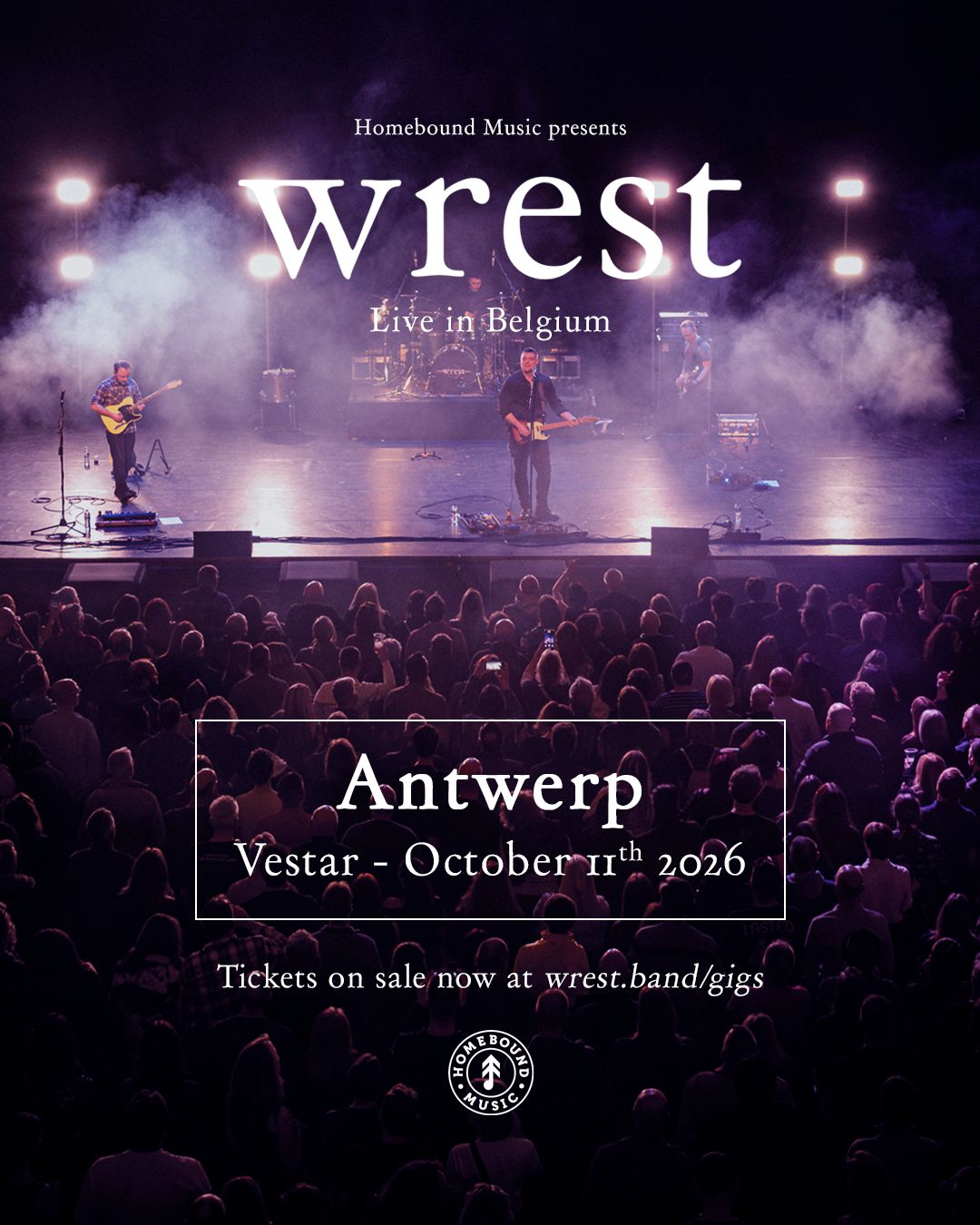
- It promises to be a great night! 🎵 No ticket yet? Get one and we'll see you on October 11 🎉 https://lnkd.in/eQj3PsNi
- AI als gamechanger van het beroep van bedrijfdrevisor! Op 21 september ga ik in gesprek met Natalia Khamraeva over AI. Bedankt Instituut van de Bedrijfsrevisoren - Institut des Réviseurs d'Entreprises!

- Really looking forward to October 2! 🚀 I’ll be taking the stage at PMI as a keynote speaker, and I’m equally excited to join the CEO Panel for what promises to be an inspiring conversation with fellow business leaders. A day full of great conversations Can’t wait to be there. See you at PMI!

- My coffee, my joy:)

- See you there!
- Proud to be among this great group! 🚀
- A few weeks ago, during my conversation with Friedl Lesage on her podcast, I mentioned that I’ve been a long-time fan of the Scottish band Wrest! Afterwards, many of you went to check them out, and I received so many positive reactions about the band and their music. That got me thinking… and I simply had to do something with it. So I’m very excited to share that on 11 October, Wrest will be coming to Antwerp for a special concert at Vestar and I have the honour of organising it. It’s a real privilege to bring a band I’ve admired


Backers
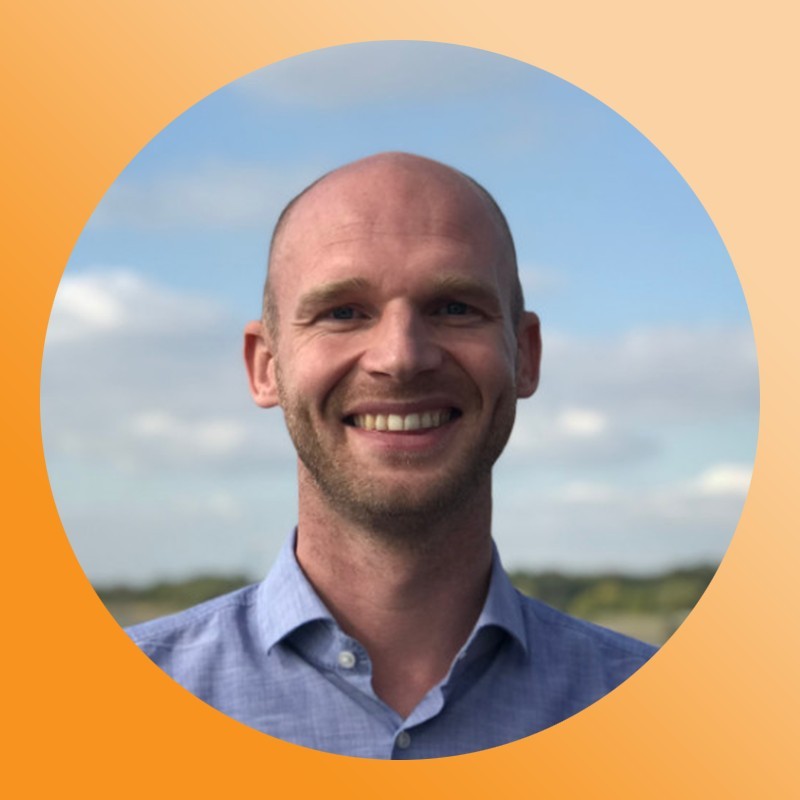 Lode Bogaert
Lode Bogaert is co-founder of BrightAnalytics, a West Flanders-based financial analytics and reporting platform backed by Jurgen Ingels.
Related profiles

This page shows public professional information only, each fact cited. Is this you? send a correction, or ask for removal within 24 hours, no questions asked.