Overview
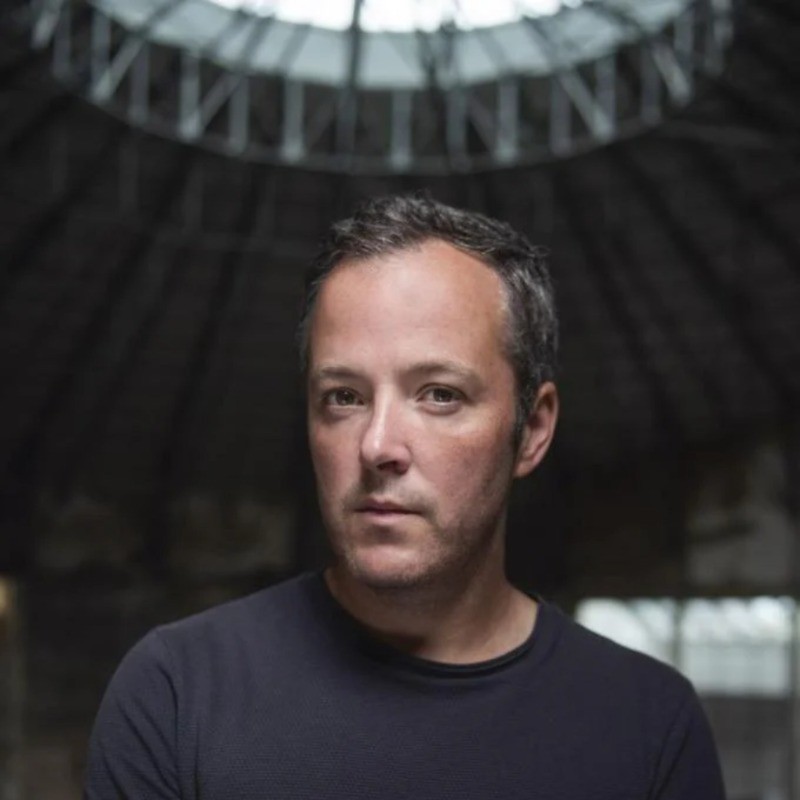
Louis Jonckheere sits at the intersection of building, backing, and community in the Belgian tech ecosystem. He co-founded three institutions that define Ghent tech: Showpad (Belgium's most recognized SaaS scale-up), In The Pocket (Belgium's leading digital product studio), and Wintercircus (Ghent's premier tech campus).
He co-founded In The Pocket in May 2010 alongside PJ Bouten, building it into one of Belgium's most respected digital product agencies. A year later, in May 2011, he co-founded Showpad with PJ Bouten and Peter Minne. At Showpad, Louis served as CPO from 2013 to 2022, then as Co-CEO from 2015 to 2020, staying on the founding team through the company's major US expansion and multiple funding rounds. He remained a board member until August 2025.
In May 2023, Louis co-founded Wintercircus as CEO, transforming a historic Ghent market hall into Belgium's largest tech campus. He stepped down as CEO in April 2026 and transitioned to a Curator role. The farewell post on LinkedIn attracted 2,045 likes, one of the highest-engagement posts in the Belgian tech community.
Louis was named Chairman of Vlerick Business School in May 2025, cementing his role as an institution-builder alongside his company-building activities.
In parallel, Louis has been an active investor and advisor since 2017. His angel portfolio spans 17+ companies including Entourage (the Belgian investment vehicle of PJ Bouten), Aikido Security (developer security platform, where he is now GM US), and IntelliProve. He is consistently cited among Belgium's top angel investors.
Louis operates with a rare combination of operator depth, community commitment, and institutional reach. His willingness to step into the CEO role at Wintercircus after an already successful Showpad career signals a genuine belief in physical community infrastructure as a lever for ecosystem health. The move to GM US at Aikido Security at the same time as the Wintercircus exit shows he has not stepped back from operational involvement.
Career history
- GM, USApr 2026 - presentAikido Securitydeveloper-centric security platform
- Investor & AdvisorOct 2022 - presentAikido Security
- CuratorApr 2026 - presentWintercircus Ghent
- Co-Founder & CEOMay 2023 - Apr 2026Wintercircus Ghent
- ChairmanMay 2025 - presentVlerick Business School
- Board MemberAug 2020 - Aug 2025Showpad
- Co-Founder & Co-CEO2015 - 2020Showpad
- Co-Founder & CPO2013 - 2022Showpad
- Co-FounderMay 2011 - Aug 2025Showpad
- Co-FounderMay 2010 - presentIn The PocketBelgium's leading digital product studio
- Angel Investor17+ portfolio companies including Entourage, Aikido Security, IntelliProve
- FounderWintercircus


Education
Master, General Management2008 - 2009Vlerick Business SchoolCum Laude
Master, Law (Economic and Financial Law)2003 - 2007Ghent University
LinkedIn Voice
Posting style: Long-form, personal, and opinionated. Mixes vulnerability with strong viewpoints. Very active, multiple posts per week. Key themes: Wintercircus Ghent, Aikido Security product and partnerships, AI skepticism, Ghent tech ecosystem Avg engagement: 430 likes, 22 comments Notable post: Farewell as Wintercircus CEO, 2,045 likes -- deeply personal reflection on building the tech campus.
Talks about
- Founder mindset
- Fundraising
- Ghent tech scene
- International expansion
- Company culture
- Venture Capital
- Leadership
- Entrepreneurship
- Business education
- Career
- Networking
- Risk Taking
Insights & ideas
The through-line
One idea runs under everything Louis Jonckheere says: speed and ambition are the only durable advantages, and both are killed by comfort. "Je moet als founder al startup beseffen: de unfair advantage is gewoon snelheid. En een keer dat je die snelheid verliest, wordt heel moeilijk om daar nog op terug te komen" [15]. The corollary is a moral one he repeats in almost every register: "Het is als je de moed hebt om de moeilijke beslissingen te nemen dat je pas echt succesvol gaat zijn als founder... courage over comfort" [15], and "Eén van de grootste gevaren van onze cultuur vandaag in Europa is dat we comfort verkiezen boven risico" [15]. To Europeans generally: "we cannot be too comfortable and when you feel too comfortable in life, take a risk, take a jump, change your life and go for bigger dreams" [16].
The emphasis has shifted from diagnosis to operation. In the ecosystem years the argument was structural, about Ghent, growth capital, a European NASDAQ and why "we hebben heel veel start-ups. We hebben te weinig ikikido's" [15][19][20]. More recently it is lived at the level of a single company scaling in the United States, where the same convictions show up as headcount, a refusal to lower a hiring bar, and billboards in the Bay Area [8][12][6]. The theory did not change; he moved inside it.
On speed as the only unfair advantage
Speed is not a virtue for its own sake, it is the whole thesis. A startup's single unfair advantage is pace, and once lost it is very hard to recover [15]. The specific mechanism he warns about is managerial: a founder who hires managers who dampen rather than transmit their intensity loses roughly half the pace with every layer, until the organisation crawls [15]. The competitive frame is global, not local: "Ge concurreert niet met een lokale softwareser. Ge concurreert met Amerikanen, met mensen uit Israël, met mensen uit Azië. En het team dat het hardst werkt en het meeste alpet delivert kwalitatief zal uiteindelijk winnen" [15]. The commitment test he applies is blunt: "Ik vind dat soms verschrikkelijk als founders pitchen aan mij voor geld en als ze nog een job hebben. Ik snap dat niet" [15]. He carries the same standard into how he describes a company working well, where the product story is "out-of-this world shipping velocity" [10].
On courage over comfort
The hard decisions are where founders actually earn the outcome. "Als je in die moeilijke momenten zit, ja, then you really matter. Als je er toch niet staat als vaander is het gedaan met je bedrijf. Punt" [15]. He frames survival through the Stockdale paradox: face the brutal facts about risk while holding an obsessive belief in success, because nearly every company that reached scale passed through one or two near-bankruptcy moments and only founder conviction carried it through [15]. Large companies stop innovating for exactly the reason startups stall, choosing short-term customer comfort over courage, while the innovator's dilemma demands genuinely painful calls like writing off millions or cutting parts of the product [15]. He also holds up the mirror to Belgian founders specifically, many of whom lack the decisiveness for the hard conversation, such as radically splitting a product company out of a services company, a move that was painful but essential for focus [21]. And when a split does need a mediator, that itself is the answer: it usually means the founders cannot work together long term [21].
On building where the market is, not where you are
"De regel is dat het bedrijf die de Amerikaanse markt wint uiteindelijk globaal de markt gaat winnen" [15]. That makes a Belgian headquarters with small satellite teams insufficient; the US go-to-market, presence and brand have to be funded fundamentally [15]. Europe carries a permanent scaling handicap against a homogeneous American market, and scaling is what generates the cash flow that funds R&D and out-competes rivals, which is why Showpad and Spotify moved to the US quickly [19]. If you attempt the market, attempt it properly: budget at least €600-700k just to make a serious run at it, because "als je met minder doet, ben je eigenlijk niet aan het proberen" [21]. The presence has to be visible too: "You can't go big unless you have billboards" [6].
The ambition gap is cultural before it is financial. A US VC interrupted Showpad's first Sand Hill Road pitch with "I can hear a European"; Americans set a billion-dollar vision from slide one, and thinking bigger produces better decisions downstream [15][22]. His own advice is to redirect ambition toward harder problems: "We have enough people already developing email plugins... we need our entrepreneurs to work on bigger problems. Let's build some rockets to conquer space. Let's think about curing cancer" [19]. And the underdog position is an asset if you use it: "Being in an underdog position gives you certain strengths... try to put your perceived disadvantage into your biggest advantage" [19].
On growth at all cost and the limits of the market
The clearest self-criticism concerns raising too much and then trying to outrun the market. After raising, Showpad hired many sellers and SDRs who could not sell because there were not yet enough buyers; you cannot beat the market's growth rate, so sometimes the right answer is to raise less VC and grow slower [15]. Money pushed the company into growth at all cost: they sold into segments the product was not built for, showed investors 100% growth, and churned half that customer base five years later, while the core manufacturing and pharma segment grew 50-60% organically on its own [19]. Whether it was too much money at all is contextual, too much by Flemish norms and too little by American ones, given a competitor that raised $650M and another with nearly $1B of private equity behind it [21]. The industry-level version of the same lesson: "De Tech industrie heeft te lang te veel geld gehad... vandaag worden we verplicht door de markt om efficiëntie en profitability terug op één te zetten" [21], and that transition is not a switch you flip in a month, it took three to four years [21].
On fundraising, valuation and the cap table
Revenue is the first and best source of capital: "Dat blijft nog altijd de beste funding hè, profitable zijn en revenue binnenhalen" [21]. In The Pocket became very profitable within 18 months and used its €120k angel round as leverage rather than lifeline, later financing the product build through a properly documented intercompany loan [21]. Institutional Belgian funders rejected it in 2010 because they did not believe in smartphones, telling him "you're not going to play games on a Nokia 3210" [21]. Mechanics matter: angels then took 5-10% and a €1.2M valuation was set on almost no revenue, with the founders pushing it up 30-40% at the last minute because they sensed margin; a VC in a first round typically wants 15-25%, you decide how much you need and derive the valuation from that, and unlike with angels you cannot bump the number late unless funds are genuinely in competition [21]. Never say no to a VC until a deal is truly certain: a top-tier fund's partnership vetoed Showpad's Series B after a verbally agreed term sheet, and only because other funds had been kept warm did the round close with Dawn Capital within a week [21].
On valuation he is deliberately unsentimental. "Valuation is wat een fool wants to pay for it," emotional at early stage and progressively more systematic and multiple-driven as recurring revenue grows [21]. A 10x multiple on pure recurring revenue was best in class eight or nine years ago, multiples ran to 40-60x, and their return to earth he considers healthy [21]. At scale the same point becomes a lesson in humility: Showpad performs well but trades at multiples several times lower than an early-stage AI cybersecurity story like Aikido, because you can change your performance and not the market's sentiment [15]. On personal economics: "De value dat jij gaat hebben als ondernemer, dat zijn uw shares" [21], secondaries let founders buy a house and stop them selling the company too early because you cannot bootstrap your personal life for 10 to 15 years, though early shareholders can never be pressured to sell [21]. Banks asked repeatedly for personal guarantees and Showpad always refused: "Moet je eigen persoonlijk nooit blootstellen aan ondernemersrisico" [21]. Founders also fixed their own salaries for three years at the angel round to build investor trust and kept them at bootstrap level until Series C, on the logic that "wat kon mij schelen of ik nu €500 of €1000 per maand had, ik overleefde toch, en al mijn focus ging naar dat bedrijf" [21]. Above all, transparency with investors is non-negotiable, since dishonesty about numbers and challenges is the fastest way to destroy trust, while good investors accept a bad quarter if you show resilience [21]. The same applies when a founder steps back operationally: communicate personally and transparently, because they invested in you as a person [21].
On co-founders, teams and evaluating founders
"U belangrijkste beslissing dat je neemt als ondernemer is met wie dat je het doet" [21]. He wants two or three complementary founders; beyond three there are too many cooks and someone usually leaves within a few years, creating problems [15]. Founders should hold equal equity, and large splits such as 40% for the CEO against 25% are a red flag, because inequality lets an ego develop and power games start [21]. When he assesses a founder himself, the signal is pattern recognition and clarity of thinking within the first minute or two of a pitch, because a founder's first job is selling to employees, investors and customers [15]. Product-market fit he defines narrowly by paying customers: 10 to 15 who pay, are happy and renew means you have something, and everything before that is wishful thinking [15]. His angel criteria are similarly concrete, roughly €200k ARR minimum, belief in the founders, international customers and a working sales and marketing motion, with ecosystem-building rather than return maximisation as the motive [21]. And on judgement generally: "Always trust your gut feel... It always exploded in our faces. Always. Every single time," describing what happened whenever he and his co-founder were talked into a decision against instinct [19].
On culture, the talent bar and succession
"Culture wordt niet gebouwd door woorden. Culture wordt gebouwd door actions. Een cultuur wordt gebouwd door wat de leider doet" [15]. The model he admires is Amazon's annual inventory of its artifacts, expense policies, promotion processes, office setups, each tested against stated values and discarded if it contradicts them [15]. The operational expression of this is a hiring bar that never moves: "The talent bar is relentlessly high, and we refuse to lower it. That's easy to write on a slide. It's brutally hard to live.. Because scaling fast is a long series of moments where lowering the bar would be the convenient choice. A role's been open too long. The pipeline's thin. Just this once" [12]. Holding it is what he calls the reason a company becomes generational [12]. A high bar is also a magnet: "De lat ligt gewoon hoog en dat trekt ook talent aan. Mensen willen omgeven zijn door andere ambitieuze start-ups" [17][18], a principle Wintercircus applied by admitting 35 startups from 300 applications and judging them like an investor would, on team, market and founder-market fit [18].
Leadership continuity follows the same logic. Showpad would never have hired an external CEO; the succession worked because Henric had been inside for seven years, started as an intern, breathes the culture and raised his own hand [19]. And relationships are treated as a compounding asset rather than a nicety: "Being nice really matters, being nice compounds. Want die relaties komen hoe dan ook terug" [15]. He applied that publicly in mourning Patrick De Greve, general director of Vlerick Business School, whose "impact on the school and our economy is hard to put in words" [3], and credits his own Vlerick Masters with the shift in ambition: "It made me think bigger. It made me think international. And it really helped me to take the leap to entrepreneurship" [16].
On scaling Aikido Security
The current company is the thesis in motion. US headcount reached 60 with a stated path to crossing 100 in December and putting a multiple on that in 2027, with the summary he gives being simply "Demand is accelerating Revenue is accelerating. Team is accelerating. Winning together with great people is one of the best things in life" [8]. Total headcount hit 300 [12][13], and the plan to go from $20M to $60M in a year was on track to be beaten by a wide margin, which is the pitch he makes to talent: "Growth = opportunity. The market? Exploding" [10]. He points to sales leadership as "People you WANT to work for" and calls it the hottest startup in Chicago [10], and marks individual senior hires as wins in their own right [7].
He is equally taken with the acquisition strategy. Following the acquisition of Root.io, which produced Aikido libraries and images as "a radical new way to solve for software supply chain attacks," the acquisition of Milou launched Aikido Machine [5]. The reasoning is a market gap rather than a technology one: "Attackers are weaponizing AI, and most security teams are still defending critical infrastructure with old-school tools," and continuous AI pentesting had only ever run in the cloud, locking out banks, hospitals, governments and defence whose code cannot leave the network [5]. Hence a GPU server inside the customer's own network, on the premise that "Offense is your best defense" [5]. Shipping continues at the product edge too, including finally making Android apps secure [1].
On the AI bubble and what survives it
His position is two-sided and stated without hedging: "Ja, er gaat een bubbel zijn. Maar langs de andere kant, de volgende Microsofts worden vandaag gebouwd" [17], and "als je daarop kunt investeren, dan then it will be worth your while" [18]. The bubble is visible in enormous valuations for pre-revenue, pre-product startups and insane AI salaries, and "er zullen heel veel investeerders geld verliezen," because "investeren is eigenlijk altijd de game of FOMO, Fear of Missing Out," which drives people to irrational decisions [17][18]. The bigger the technological shift, the bigger the bubble [18]. Yet the expensive valuations retain a logic, since a handful of winners will deliver the largest returns in the history of entrepreneurship, most likely in the AI infrastructure layer, whether from companies like OpenAI and Anthropic or from old incumbents like Oracle, while other startups will reach $15B valuations and lose them just as fast [17]. The underlying technology is not in question: "Het is niet dat we zitten op een technologie die niet zal werken. Samen met robotica gaat onze wereld veranderen" [17]. Where value accrues, he compresses to three words: "Harness > Model" [2].
The MIT finding that 95% of enterprise AI pilots fail on ROI he reads as an old problem in new clothes. "Mensen zijn gewoon heel slecht in het implementeren van technologie," exactly as with CRM and ERP, and the successful 5% go deep on a few small process steps rather than trying to change everything at once [17][18].
On what AI does to society
The risk he weighs most heavily is social rather than economic. "Ik denk dat er een hele grote groep mensen zal zijn die, is misschien wel kuur om te zeggen, maar die gewoon dommer zal worden. Die gewoon niet meer zal nadenken omdat het zo gemakkelijk is" [17]. The burden falls unevenly: socially vulnerable groups without good education or attentive parents suffer most as AI writes and thinks for them, widening a cognitive divide [17][18]. As AI strips human contact out of daily life, genuine human interaction becomes more valuable, not less [18]. He expects governments to be forced eventually to break Big Tech's power and restrict addictive technology once the correlation with social isolation becomes undeniable, with Europe likely leading and Trump's America keeping its society open to a dangerous experiment [17][18]. And he frames AGI's worst case vividly: "De Terminator is dan uiteindelijk een Robocop met AGI" [18].
On the economics, technology is now the only lever left: "Technologie is eigenlijk vandaag het enigste dat eigenlijk potentieel heeft om eeuwig durend productiviteit te gaan creëren," given declining Western and Asian populations and the limits of resource-driven growth, which makes some form of basic income an unavoidable direction [17][18]. He wants the argument held in public rather than settled in private, which is why Wintercircus Ghent hosts the OverMorgen debates, a place where policymakers, entrepreneurs, academics and citizens meet "niet om antwoorden te geven, maar om betere vragen te stellen," with three new editions planned and each one extending into columns, whitepapers and crowd-sourced thinking that capture the questions and concerns of everyone, not only the voices on stage [14].
On Europe's ten-year gap and Flanders' industrial deadline
"Wij lopen met Europa al lang niet meer voorop in die innovatie race, we lopen 10 jaar achter" [17][18]. The balance currently tilts too far toward protection and too little toward entrepreneurship, with GDPR, the AI Act and slow procedures as symptoms, although he is explicit that the full American or Asian model is not the goal either [17][18]. There is nonetheless a more optimistic reading of the same lag: the European ecosystem is not worse than the American one, it is less mature, and European unicorn creation follows the same exponential curve the US traced a decade earlier [19]. He senses the window closing: "Entrepreneurs are very much aware that time is our biggest enemy right now and we don't have another 10 years to mess around and do nothing" [19].
For Flanders' established industries, chemicals, automotive including Volvo Ghent, and steel, the verdict is stark: "Als we niets radicaal doen is dat game over" within 10 to 30 years unless companies stop thinking incrementally [17][18]. "Ik denk dat we niet te veel incrementeel meer moeten nadenken, maar very bold decisions nemen. De dark factories zijn de toekomst" [17], and Europe ignores this to protect workers even though "je kunt geen welvarende samenleving bouwen zonder een heel sterke maakindustrie" [18]. He also sees comfort itself as the obstacle: Estonia's ecosystem draws strength from a nearby physical threat and a survival mindset, while wealthy comfortable regions like Belgium lack the incentive to build, which makes Trump's pressure useful shock therapy [19].
On capital, exchanges and the image of the entrepreneur in Belgium
Flanders has solved the early stage, where raising €1-2M is now relatively straightforward, and has a hole from Series A onward, where €5M and above almost always means foreign funds, so that by Series C to E roughly 80% of ownership sits abroad [20]. The reason is structural: the large Flemish investors who can write big checks operate on a private equity risk model that cannot absorb the uncertainty of a Series A or B startup [20]. "We nemen graag risico's, maar niet teveel, hè. Terwijl dat Amerikaanse fondsen, ja, die nemen echt wel risico" [20]. On public markets, "We need a European NASDAQ... In Europe today, every country has its own little stock exchange. It doesn't work," and it will not come from the European Commission, too slow and too exposed to vetoes, but from a coalition of the willing where an ecosystem leader simply steps up and builds it, as Macron did for French tech [19].
He is equally exercised about perception. Belgian media, he argues, need to make a collective effort to portray ambitious entrepreneurship properly, because the clichés amplified by programmes like 'The Sky Is The Limit' are damaging to prosperity, are picked up by politicians, and set public perception [9]. What worries him most is polarisation combined with "de tsunami aan belastingen en regels die op ondernemers afkomt," discouraging exactly the people the country needs most, when entrepreneurship and cooperation are the answer to its problems [9]. He is willing to defend the record with numbers, responding publicly to criticism of Wintercircus by setting out that less than 1% of its budget comes from subsidies, that TENT BV pays Sogent a market-rate leasehold fee exceeding the city's full renovation investment over its term, and that the final renovation and fit-out phase was funded with roughly €12M of capital from about 60 private investors including himself, Voka Oost-Vlaanderen, UGent, KU Leuven, imec and Sogent, private capital for a public-interest project rather than a subsidised building [11]. He concedes the substance of the critique while narrowing it: a building does not create an ecosystem, but it does accelerate one, and the ecosystem was already there and chose to have a meeting place [11]. His own motivation is explicitly personal: "I come from very humble beginnings... the welfare state gave me all of the chances that I got and I would found it horrible to die in a society where we cannot give those opportunities to people like me" [19].
On how ecosystems actually get built
Ecosystems cannot be hacked, forced or spread across cities by decree. They need geographic proximity where you can bike to investors and customers, and 20 to 25 years of snowballing [18][19]. Ghent's version began with Tele Atlas, sold to TomTom for €2.9B, whose alumni seeded Netlog, whose alumni in turn started In The Pocket and Gager and reinvested in each other [17][18][20]. "If you look at at what Netlog has done in Gant, like no government program could ever have created that much entrepreneurship. Like it's impossible" [19]. Showpad alone has spawned some 24 startups from its founders and early senior employees [15]. Tier-2 ecosystems such as Ghent, Leuven and Stockholm work through a strong university combined with small-scale talent density where everyone knows and trusts one another [15]. Timing is part of the mechanism: "If we would have done Winter Circus 10 years ago in Gant, it would have failed terribly. Even 5 years ago, it would have failed" [19].
The cultural ingredient he singles out repeatedly is reciprocity without expectation. "Paid forward mentality is echt de geheim achter dat ecosysteem. Het zit daar vol met mensen die elkaar willen helpen" [20], a Silicon Valley trait that has emerged in Ghent over the past two years with Wintercircus as catalyst [19]. Governance was designed to protect independence: government, corporate and academic financing were deliberately avoided so the board could set its own agenda from a blank page, and "we zijn echt van een wit blad kunnen vertrekken en dat is magisch" [20]. Left purely to the market, a tech hub always ends up with the same crowd, so a foundation issues wildcards to bring in underrepresented groups [20]. Regions should stop building miniature Silicon Valleys that try to do everything and go all in on their existing clusters instead: Ghent on biotech and the SaaS application layer, Antwerp on logistics and chemicals around the harbour, Kortrijk on gaming around its world-class school, while Antwerp and Brussels first need their own big success story [17][19]. Belgium has world-class universities and research institutes producing patents and IP but fails to convert them into wealth-creating companies, "miles below" Oxford, Stanford or Berkeley [19]. The target he sets for Ghent is a tenfold jump, from roughly 20 good scale-ups to 200 within five to ten years, which needs larger funding tickets, university talent pipelines and internationalisation support [17][18]. Running Wintercircus, he notes, is the same job as running Showpad, setting a vision and strategy, translating it into plans, financing it and building a team to execute, only for impact rather than financial return [21], and it satisfies the same instinct: "Als ik kan bouwen ben ik content, en nu ben ik letterlijk en figuurlijk aan het bouwen" [21]. The mission is worth a life: "I feel momentum now in Europe, in Gant and Antwerp, in the ecosystem, to change that. And I mean that's a mission that you want to dedicate your life to" [19], resting on what he calls the three ingredients for solving today's problems, "technologie, ondernemerschap en samenwerking" [21].
On selling and the CFO who lets you scale
Buyers arrive already informed. B2B buyers know most of the product information before they ever meet a salesperson, so reps who merely repeat the website bore them, and the consumer convenience standard set by Amazon, Uber and Airbnb is moving into B2B [22]. On the finance side, the role is badly understood: "De cfo in een startup is zoveel meer dan die finances, dat is eigenlijk gewoon zorgen dat een bedrijf kan schalen en dat een bedrijf ook op de juiste manier kapitaal kan ophalen," extending into legal, fundraising support and scaling administration [20]. Hire the first one on mindset rather than job description, someone flexible, willing to get their hands dirty, comfortable with risk, change and complexity [20]. The job is a balancing act between designing the organisation for 500 or 1000 people and surviving the quarter, because "scaleup zit ook nog altijd in de struggle to survive, hè. Drie slechte kwartalen, het kan gedaan zijn" [20].
Takeaways
- Treat pace as the asset to defend above all others; each management layer that dampens rather than transmits founder intensity roughly halves the company's speed [15].
- Do not try to grow faster than your market. Showpad hired sellers and SDRs into a market without enough buyers, sold into segments the product was not built for, and churned half that customer base five years later [15][19].
- Define product-market fit as 10 to 15 customers who pay, are happy and renew; treat anything short of that as wishful thinking [15].
- Split founder equity equally between two or three complementary founders; a 40/25 split is a red flag because inequality breeds ego and power games [15][21].
- Never give personal guarantees to banks, and never say no to a VC until the money is in, since a verbally agreed term sheet can still be vetoed by a partnership [21].
- If you are going to attack the US market, budget at least €600-700k for a serious attempt, because "als je met minder doet, ben je eigenlijk niet aan het proberen" [21].
- Audit your artifacts, expense policies, promotion processes, office setups, against your stated values every year and discard what contradicts them, because "culture wordt gebouwd door wat de leider doet" [15].
- Expect the AI bubble to burst and many investors to lose money, while assuming the next Microsofts are being built now, most likely in the infrastructure layer [17][18].
- Assume enterprise AI failure is an implementation problem: the 5% that succeed go deep on a few small process steps instead of transforming everything at once [17][18].
- For European ecosystems, stop building mini Silicon Valleys and go all in on the cluster you already have, with Ghent on biotech and the SaaS application layer and Antwerp on logistics and chemicals [19].
Media & appearances
- Ben's MentorsYouTubeLouis Jonckheere: Zo Bouw Je Een Bedrijf Dat Voorbij €100 Miljoen Groeit!Louis Jonckheere discusses the importance of choosing courage over comfort when building companies, arguing that founders must commit 100% to their startups rather than maintaining other jobs. He emphasizes that early-stage fundraising should focus on simple pitch decks, validated customer assumptions, and demonstrated traction through interviewed customers and committed angels rather than lengthy business plans. He also stresses that company culture is built through founder actions rather than words, and that maintaining speed is a key unfair advantage for startups.
- Marwa ElDiwinyYouTubeThe Belgian Unicorn Whisperer: Louis JonckheereLouis Jonckheere discusses the need for Belgian companies to think bigger and expand internationally, particularly to the US market, to build global software companies. He emphasizes that Aikido Security operates almost entirely on private capital rather than public subsidies and argues that European culture must shift from prioritizing comfort to embracing courage and difficult decisions necessary for long-term survival. He also reflects on his humble beginnings and the importance of building a society and companies where people work hard and contribute value.
Investments
IntelliProve
IntelliProve provides health assessment through facial scanning technology that generates clinically-validated biomarker data for digital health solutions.
In the news
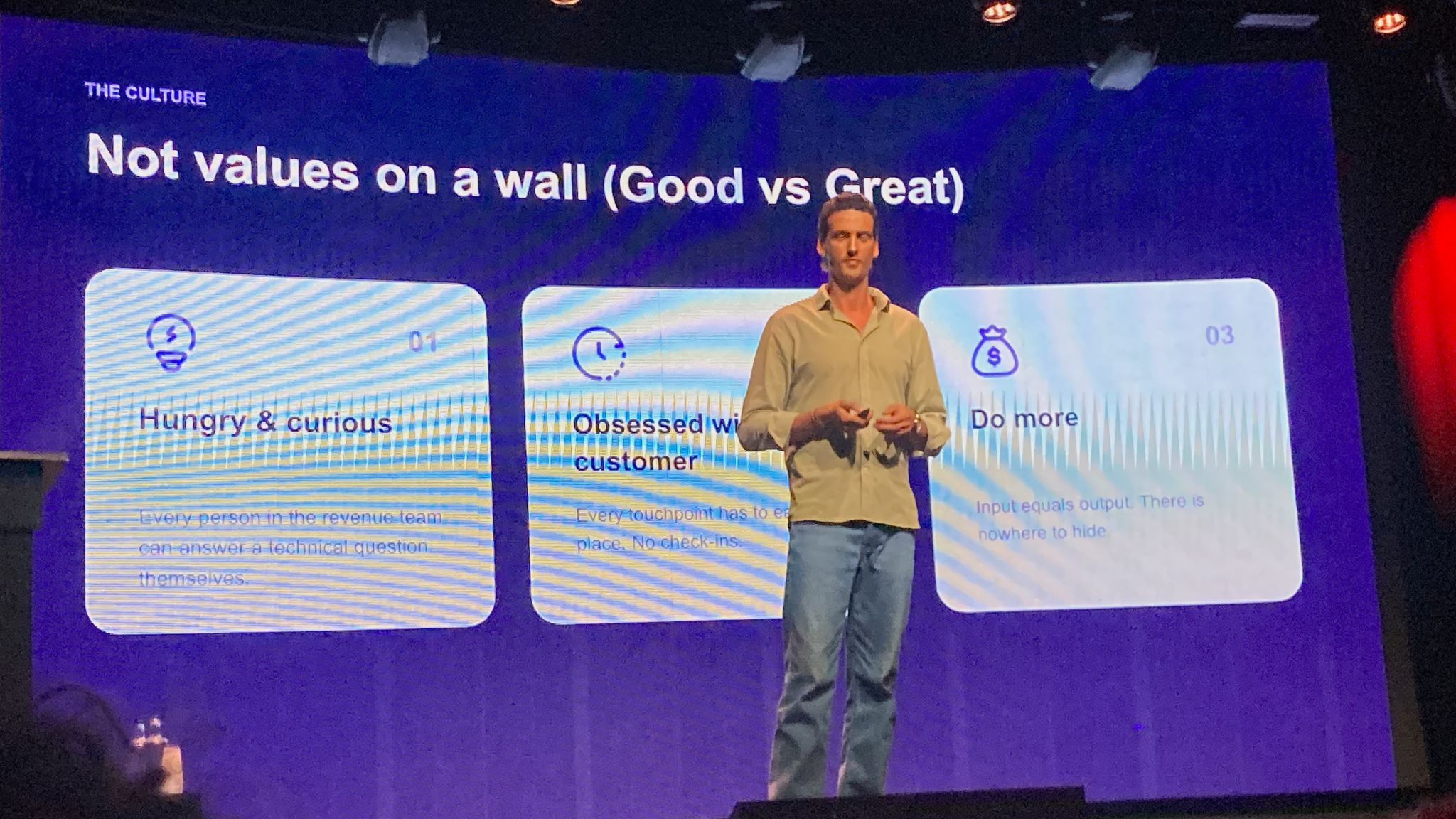
- Culture eats strategy for breakfast." Een bekende quote. Maar deze week, tijdens de masterclass van Aikido Security in Wintercircus Ghent, kreeg die een heel concreet gezicht. Geen waarden op een muur, maar drie principes die effectief het gedrag sturen: - hungry and curious - obsessed with the customer - do more Wat me vooral bijbleef, was hoe open en gedreven Louis Jonckheere, Thijs Janse en Madeline Lawrence waren over wat daar ook bij hoort: "Input equals output. There is nowhere to hide" Niet omdat méér uren automatisch tot
- Vlaanderen kan zich zijn afkeer van ambitie niet meer veroorloven. We hebben geen gebrek aan talent, kennis, ideeën of kapitaal. Wat we niet hebben is een cultuur waar we elkaar succes gunnen. Dat is dit weekend nog eens heel duidelijke geworden met de hetze rond de crowdfunding van La Patate. In Vlaanderen bewonderen we ondernemerschap zolang het bescheiden blijft. Een bedrijf mag groeien, maar liefst niet te snel. Een ondernemer mag succesvol zijn, maar niet te zichtbaar. Anders slaat bewondering heel snel om in argwaan. Die
- Vlerick Business School enters the global top 10, with spot #6 in the latest Financial Times ranking for Masters in Management 🚀. An incredible testament to the work of Marion Debruyne and her team.
- Putting Europe back on the map. One ecosystem at a time ❤️🔥
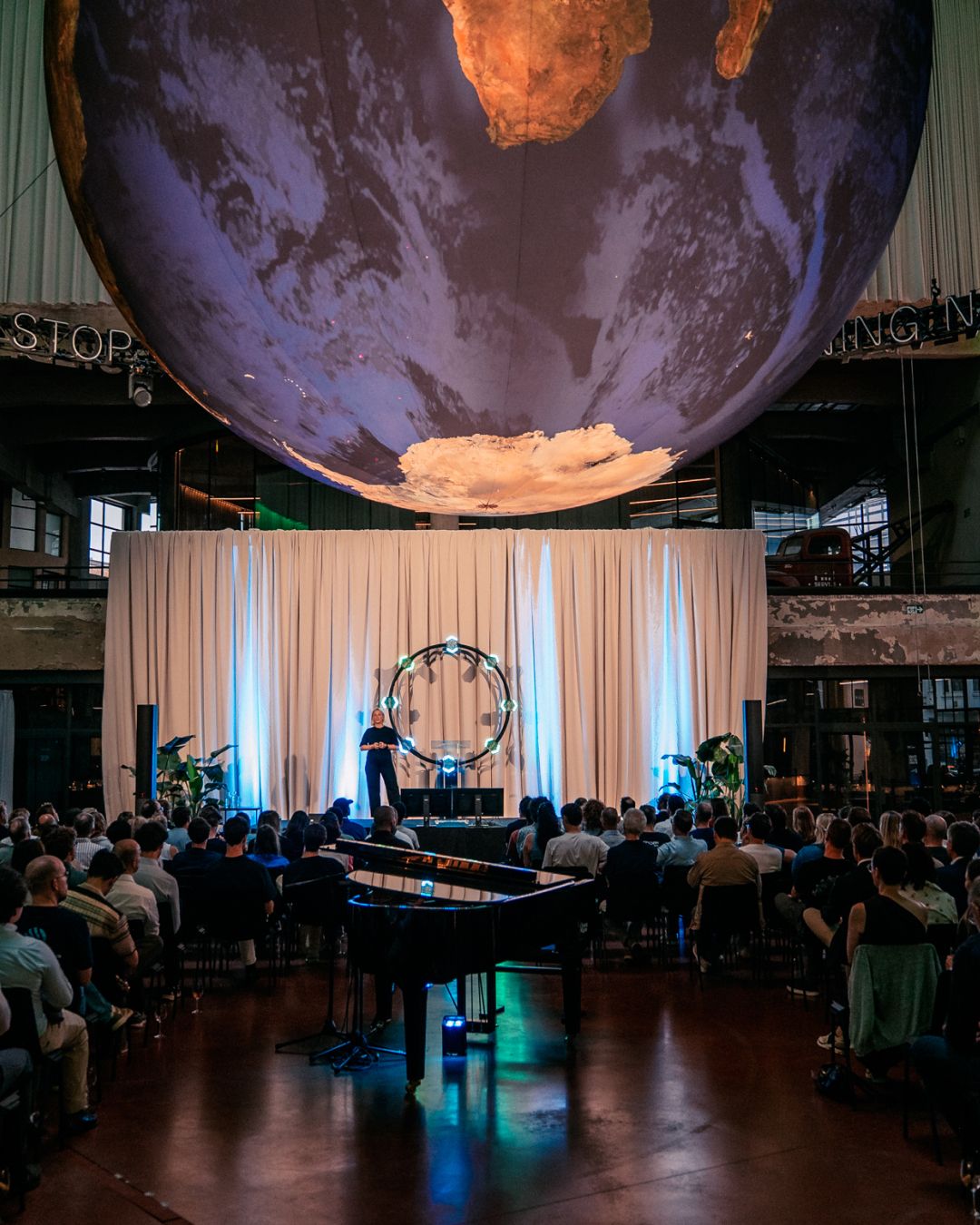
- Dream so big you get uncomfortable telling small-minded people." - Pietro Terzini I shared our dream with the Wintercircus family last night during our Community Season Opening: Putting Europe back on the map as global leaders in technology and entrepreneurship. Out of Ghent, Belgium. We want to become the European Y Combinator. Ridiculously ambitious? Probably. Delusional? I hope so, because Stef Wynendaele would say it's the biggest compliment we could get. And through our dream, we aim to make yours reality. Big time.
- Nothing beats seeing a sales team absolutely crush it end of month 💪 Let’s go Aikido Security 🚀
- Austin network ⬇️ .
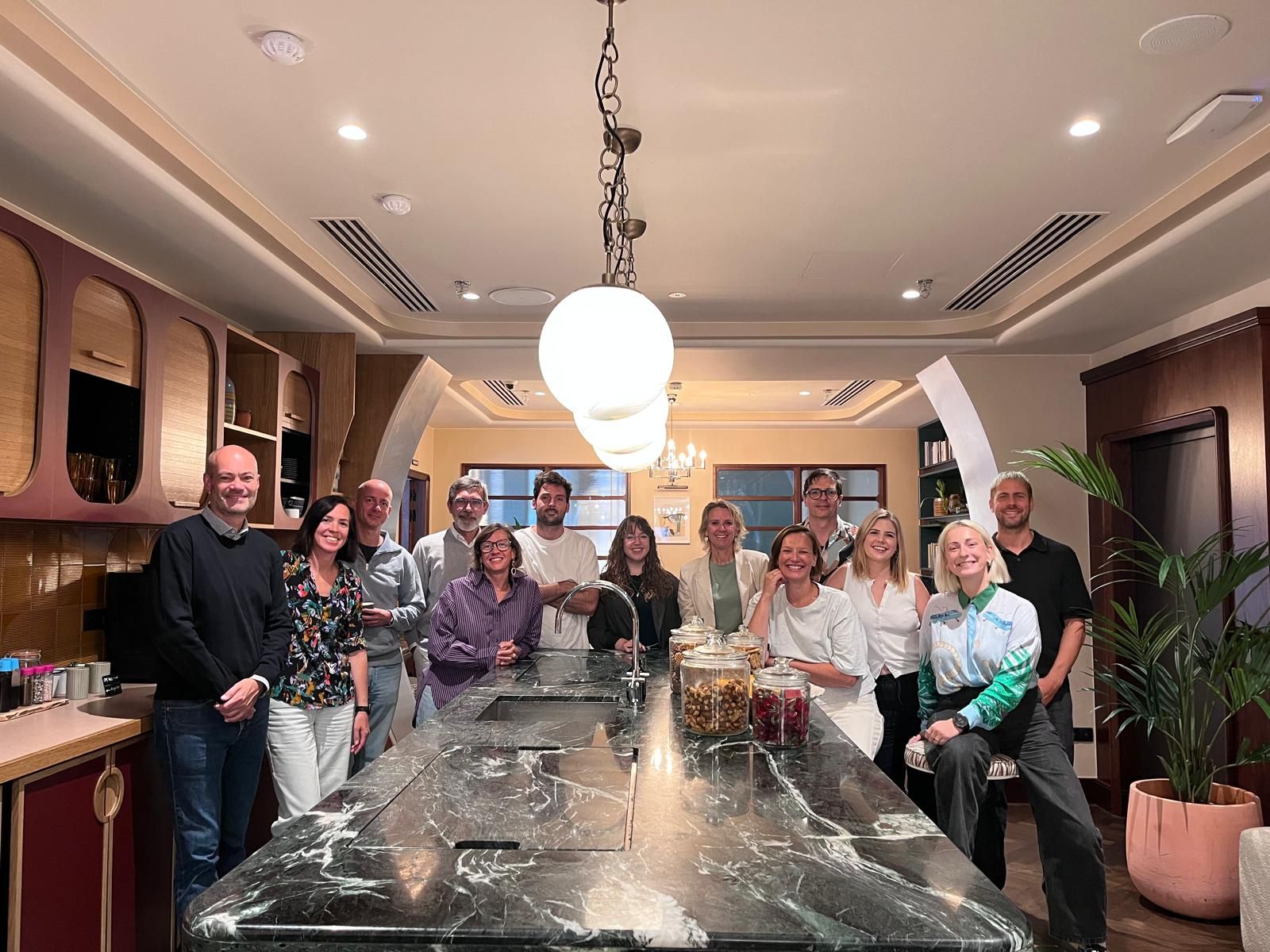
- Last week, Wintercircus Ghent's board and leadership team discussed the future of Europe's most buzzing tech hub in a 2-day offsite. If you had been a fly on the wall, you would not have noticed any hierarchy or politics in our discussions, only the most passionate and dedicated people showing up for something that's much bigger than all of us. Startup mentality. I'm grateful to have been involved with the Wintercircus since 2018, when the building was still part ruins, part construction site. As a member of the board, I'm baffled at
Related profiles
Aikido SecurityRelated
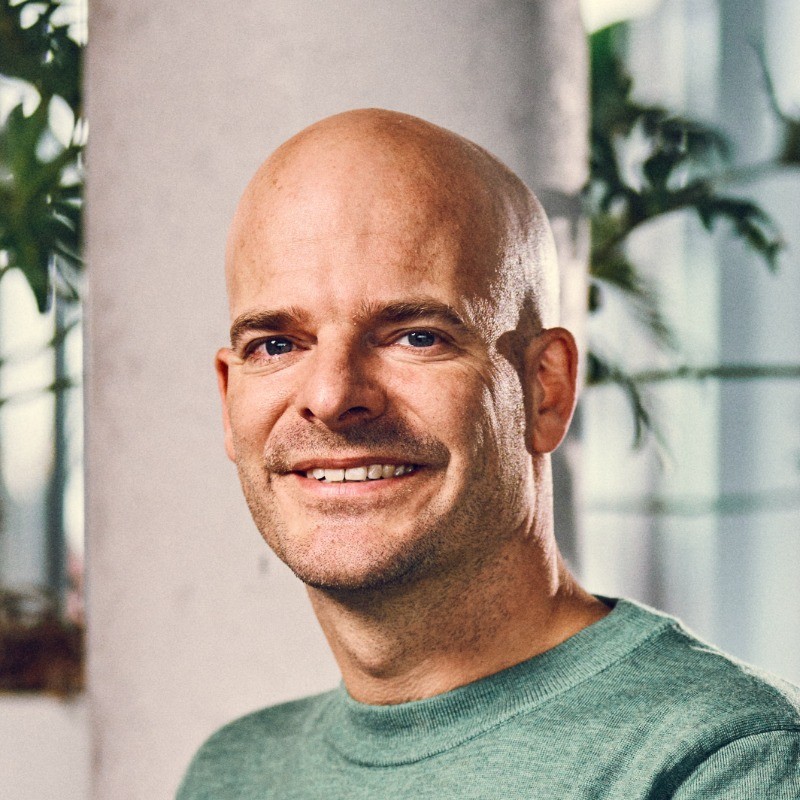 PJ BoutenCo-founders
- PPeter MinneCo-founders
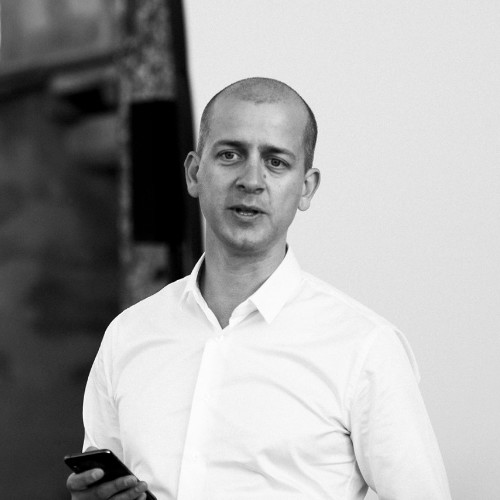 Jeroen LemaireCo-founders
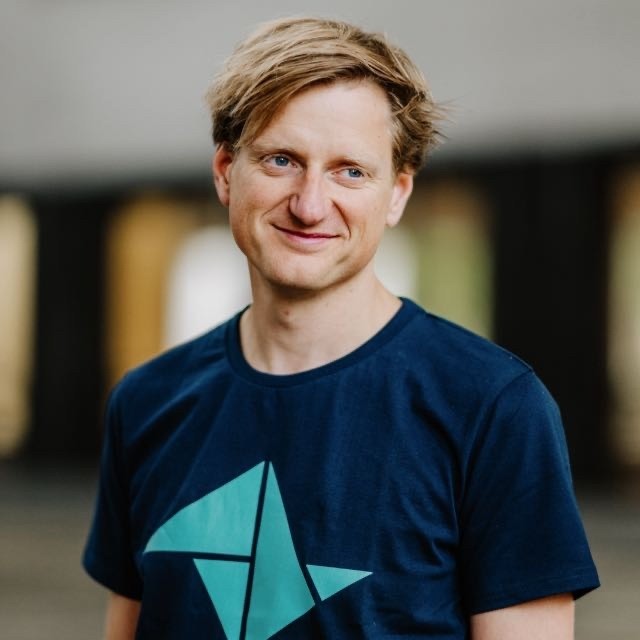 Jeroen De WitCo-founders
- PWillem DelbareCo-founders
- YGhentLocation
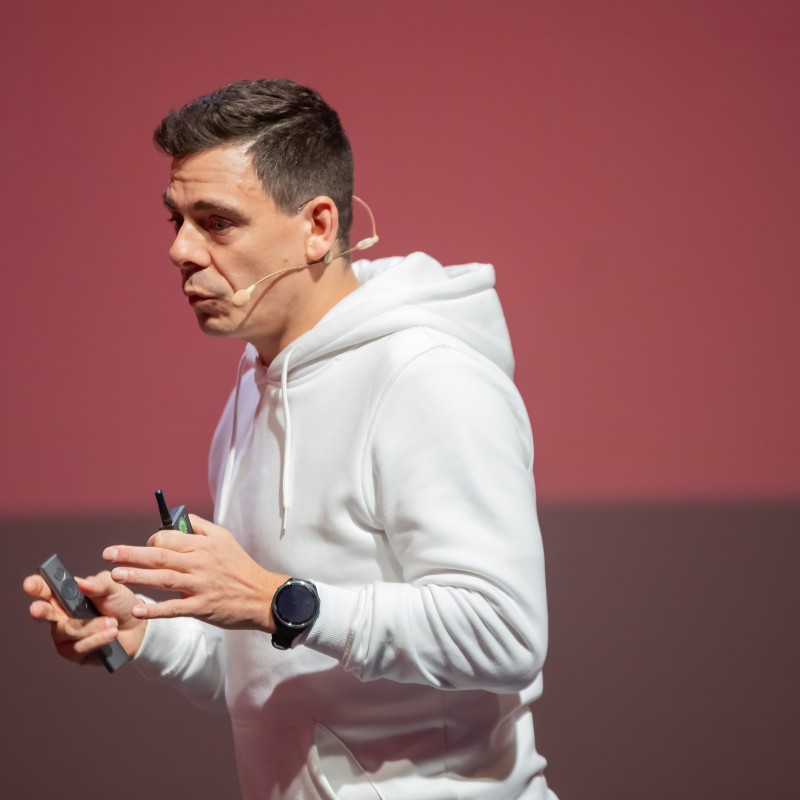 Kevin GoeminneRelated
This page shows public professional information only, each fact cited. Is this you? send a correction, or ask for removal within 24 hours, no questions asked.